Updated July 5, 2026

Dealer Open Lot Insurance in Pearl City
Property managers, lenders, and floorplan sources around Pearl Highlands, Kamehameha Highway, and nearby commercial corridors often want proof that your inventory is insured before a lease is finalized or financed units are parked on site. For dealer open lot insurance in Pearl City, satisfying that request usually means showing a policy that matches the exact lot address, the way vehicles are arranged outdoors, and any overflow storage you use during busy buying periods. That matters here because buyers are often shopping with strong household purchasing power, not just casual foot traffic. Pearl City median household income is $114,682, so a local dealer may carry a mix of higher-value units or faster-turn inventory that deserves tighter reporting discipline. If your schedule lags behind what is actually on the lot, a lender or landlord may push back before stock is moved in. Before you request terms, line up your current inventory values, confirm every storage point, and note where vehicles sit overnight so the quote reflects your real setup.
Dealer Open Lot Insurance Risk Factors in Pearl City
Pearl City's top risk factors include Flooding, Hurricane damage, Coastal storm surge, and Wind damage.
Hawaii has a high climate risk rating. Top hazards: Hurricane (Very High), Tsunami (High), Volcanic Activity (High), Flooding (High). The state's expected annual loss from natural hazards is $380M, which influences dealer open lot insurance premiums and may affect coverage availability in high-risk areas.
What Dealer Open Lot Insurance Covers
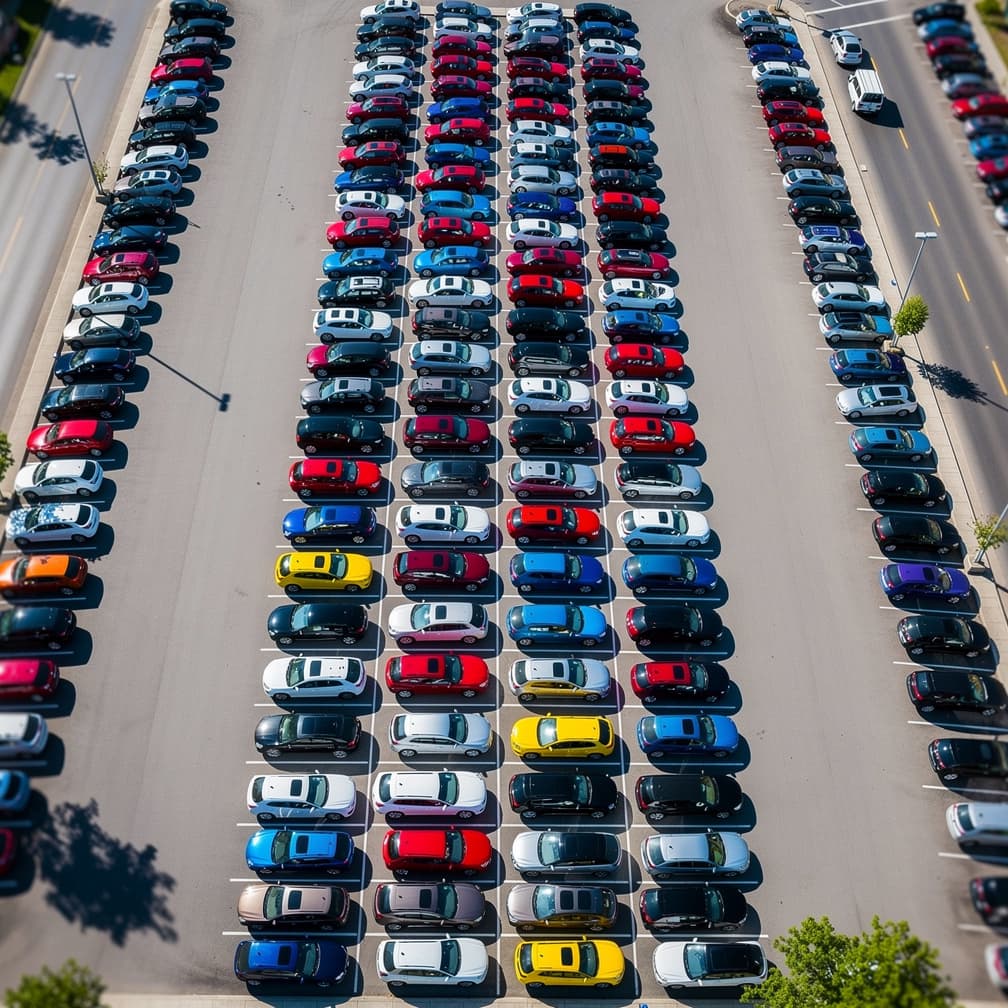
In Hawaii, the coverage review should focus less on a generic lot description and more on where inventory is exposed during a normal week. A dealership may have front line units visible from the road, overflow vehicles parked on a separate parcel, and recently acquired inventory waiting for reconditioning before it is sale ready. If you keep vehicles at more than one address, ask whether each storage point is specifically scheduled and how the policy treats temporary overflow.
That scheduling question matters most when space is tight and units rotate between the main lot, a back storage area, and a vendor location. You also want to review how the form handles vehicles while employees reposition them, take them for fueling, or shuttle them between business locations. Those are ordinary dealership movements, but they still need to fit the policy language. Hawaii operations also need a practical conversation about weather and catastrophe handling. Ask which causes of loss are included, whether any exclusions or higher deductibles apply, and what documentation you would need after a widespread event.
Coverage Included

Weather Damage
Covers hail, wind, flood, and storm damage to lot inventory.
Theft Protection
Covers vehicles stolen from your lot.

Fire Damage
Covers fire and explosion damage to inventory vehicles.

Vandalism
Covers intentional damage to vehicles on your lot.
Test Drive Coverage
Covers vehicles during customer and employee test drives.
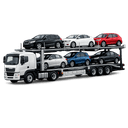
Transit Coverage
Covers vehicles being moved between lot locations.
Industries & Insurance Needs in Pearl City
Honolulu County business density is the local context that changes how a dealer should think about lot operations. The county has 20,964 business establishments, so commercial parcels, shared access points, and neighboring tenant activity can affect how your inventory is stored, shown, and moved during the week. The county mix also matters: retail trade accounts for 12.8% of establishments, accommodation and food services 12.5%, and health care and social assistance 12.2%. That concentration means your lot may sit near steady customer traffic, delivery activity, or service businesses with limited parking tolerance. For an underwriter, that is not just a map detail. It can change how clearly you need to document vehicle spacing, fencing, lighting, and any off-hours storage routine. If your operation uses a main display lot plus nearby overflow parking, ask for the quote to be built around those actual conditions instead of a single-address assumption.
What Makes Pearl City Different
Buyer purchasing power is the main thing that changes the calculus here. Pearl City median household income is $114,682, so some dealers are not just stocking entry-level units for occasional drive-by traffic. You may be carrying cleaner late-model inventory, specialty vehicles, or a tighter mix that turns quickly when the right buyer shows up. That shifts the insurance conversation from simply having a lot policy to making sure reported values stay current as inventory changes. A stale schedule can create problems with a lender, a landlord, or the carrier reviewing a loss. In a market like this, the practical question is whether your declared values still match what is physically parked on the lot and at any overflow location. Review peak inventory swings, financed units, and any concentration of higher-value vehicles before binding coverage, especially if your stock changes faster than your paperwork.
Our Recommendation for Pearl City
Start with the lot map, not the application. Mark the primary display area, any side or rear storage, and every place vehicles are left overnight. Then compare that map against your current inventory schedule and floorplan reporting so the addresses, counts, and values line up. If you operate near busier commercial stretches or share access with other tenants, note how customers enter, where test-drive staging happens, and whether units are ever parked offsite after hours. That kind of operational detail helps an underwriter understand the exposure instead of guessing from a mailing address. You should also review how often your inventory mix changes. In a market supported by stronger household income, a few higher-value units can change your concentration more than expected. Ask for terms based on your real peak inventory, not an average month that understates what is on hand during your busiest periods.
Get Dealer Open Lot Insurance in Pearl City
Enter your ZIP code to compare dealer open lot insurance rates from carriers in Pearl City, HI.
Business insurance starting at $25/mo
FAQ
Frequently Asked Questions
Pearl City landlords and lenders usually want a certificate or other proof showing the insured lot address and coverage that matches where sale inventory is actually stored. If you use overflow parking, have that location ready before you ask for terms.
Pearl City can change the conversation because median household income is $114,682. That can support a higher-value or faster-turn inventory mix, so you should review declared values often and make sure financed units are reflected accurately.
Honolulu County has 20,964 business establishments, so many dealer sites operate near other active tenants, shared access, and steady traffic. That makes it worth documenting your exact storage layout, vehicle spacing, and any off-hours parking routine.
Honolulu County is shaped by retail trade at 12.8%, accommodation and food services at 12.5%, and health care and social assistance at 12.2%. That mix can mean nearby customer traffic and parking pressure, so describe how your lot actually functions day to day.
You usually should list each place sale inventory is stored, especially if vehicles rotate through overflow or offsite areas. That gives the underwriter a clearer picture of exposure and helps you confirm the policy matches how your inventory is actually handled.
The Hawaii Insurance Division regulates insurance in the state. That is why you should review forms, notices, and claim procedures with local operations in mind instead of assuming a mainland setup fits your dealership without changes.
You often can insure overflow inventory, but the safer approach is to disclose that location up front and ask how it should be scheduled. That helps avoid a mismatch between where vehicles actually sit and what the policy contemplates.
Local weather exposure makes it important to review causes of loss, deductibles, and documentation expectations before binding. Instead of assuming all outdoor damage is treated the same, ask how your policy responds to the loss scenarios most relevant to your lot.
Sources
- 1.U.S. Census Bureau, ACS 5-Year Estimates, table B19013(Pearl City median household income is $114,682.)
- 2.U.S. Census Bureau, County Business Patterns, Honolulu County(Honolulu County has 20,964 business establishments.; Honolulu County is shaped by retail trade at 12.8%, accommodation and food services at 12.5%, and health care and social assistance at 12.2%.)
Updated July 5, 2026