Updated July 5, 2026

Homeowners Insurance in Pearl City
A wind-driven rain loss after a strong island storm can leave you dealing with roof leaks, soaked ceilings, and water moving into walls before a contractor can even inspect the damage. That is why homeowners insurance in Pearl City needs to be reviewed around how your house would actually be repaired, not just around a lender checklist. Here, the value tied up in the home itself changes the stakes. A coverage gap can turn into a much larger out-of-pocket rebuilding or repair problem than many owners expect. If you own an older single-family home near established neighborhoods or a newer property with upgraded finishes, ask for a quote that breaks out dwelling, other structures, personal property, and loss-of-use limits clearly. You should also review how your deductible works for wind-related claims, what exclusions apply, and whether your current limits still fit recent improvements. A useful next step is to compare your current declarations page against a fresh quote before renewal or before closing on a purchase.
Hawaii has a high climate risk rating. Top hazards: Hurricane (Very High), Tsunami (High), Volcanic Activity (High), Flooding (High). The state's expected annual loss from natural hazards is $380M, which influences homeowners insurance premiums and may affect coverage availability in high-risk areas.
What Homeowners Insurance Covers
Homeowners insurance in Hawaii is built around the same core protections as anywhere else, but the local exclusions and endorsements matter more because of the state's hazard profile. Your policy typically includes dwelling coverage, which can help pay to repair or rebuild the structure of your home. In Hawaii, set that limit against local rebuilding costs, not just the home's market value. Personal property coverage can help protect belongings inside the home, while liability coverage applies if someone is injured on your property. Additional living expenses coverage can help if a covered loss makes your home uninhabitable and you need temporary housing while repairs are completed. Other structures coverage can apply to detached items on the property, and medical payments coverage is also included.
Hawaii-specific exclusions and options are important. Standard policies do not cover flood damage, and flood insurance is sold separately through NFIP. That separation matters because Hawaii has high flooding risk and recent disaster history that includes flash flooding and mudslides. Wind and hurricane deductibles may apply separately in coastal areas, so the deductible structure can be as important as the premium. Policy terms still vary by carrier and endorsement. If your home is in a hurricane-prone, shoreline, or higher-risk area, ask how wind-related loss is handled before you bind coverage.
Coverage Included

Dwelling
Repairs or rebuilds your home itself, the walls, roof, floors, built-in appliances, and attached structures like a garage, after a covered loss. Set this limit to the full cost of rebuilding, not market value.
Other Structures
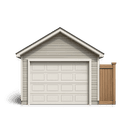
Detached structures on your property, such as a fence, shed, detached garage, or gazebo. Usually set at about 10 percent of your dwelling limit [2].

Personal Property
Your belongings, furniture, clothing, electronics, and appliances, generally written at 50 to 70 percent of your dwelling limit [2]. High-value items like jewelry and art carry special limits.

Additional Living Expenses
Also called loss of use. Pays your added living costs, hotel stays, meals, and a temporary rental, while a covered loss makes your home uninhabitable. Usually set at about 20 percent of your dwelling limit.

Liability
Covers you if someone is injured on your property, or you damage someone else's property, and you are found responsible. The standard $100,000 limit [2] is often raised to $300,000 or $500,000.

Medical Payments
Pays small medical bills, commonly $1,000 to $5,000, if a guest is hurt at your home regardless of fault, without a formal liability claim.
Homeowners Insurance Cost in Pearl City
Average Cost in Hawaii
$110 - $310
per month
In Hawaii, homeowners insurance premiums typically run $110 - $310 per month, which tends to run 17% above the national range of $110 - $250 per month.
- Home replacement cost, age, and construction type
- Roof age, material, and condition
- ZIP code and local weather risk (wind, hail, wildfire, hurricane)
- Coverage limits and endorsements
- All-peril and percentage wind/hail deductibles
- Claims history and insurance score where allowed
Typical range for many standard homeowners profiles; lower-risk homes fall below it and coastal, wildfire, or older-roof homes can run well above. Final pricing depends on property details, location, underwriting, and selected coverage.
Prices shown are general estimates, not guaranteed rates or quotes. Your actual premium will depend on the insurer, coverage selected, personal details, location, claims history, and other underwriting factors. Learn about our pricing methodology.
The cost of homeowners insurance in Hawaii is shaped by local hazard exposure and rebuilding expense more than by the national average. The broader market shows Hawaii's premium index at 126, meaning premiums run about 26% above the national benchmark. That difference reflects the state's high overall risk rating, very high hurricane hazard, high tsunami and flooding risk, and a reconstruction cost index of 148.
Several factors can move a quote up or down. Coverage limits and deductibles are major drivers, especially if you choose higher dwelling coverage or lower out-of-pocket deductibles. Claims history also matters, along with location, policy endorsements, and the home's roof age and material. Proximity to a fire station and hydrants has a moderate impact, and home security and safety features have a lower impact. Because the state has many active insurance companies, pricing can vary by carrier, but the quote still needs to reflect coastal wind exposure, rebuilding costs, and any separate wind or hurricane deductible.
If you are comparing options, look at the full policy structure, not only the monthly premium. A lower premium can come with higher deductibles or narrower coverage, while a higher premium may reflect stronger dwelling limits or added endorsements. The best comparison is the one that matches your home's location, construction, and risk profile.
What Makes Pearl City Different
Home value concentration is what changes the calculus here. In Pearl City, the median home value is $872,200, so the financial risk of being even modestly underinsured is higher than many owners assume when they look only at a mortgage payment or a prior policy limit. That does not mean every house needs the same structure or endorsements. It means small mistakes in valuation, deductible selection, or contents limits can have larger consequences because the asset itself carries substantial value. The local median household income is $114,682, which suggests many households can absorb routine maintenance but may still want to avoid a major uninsured repair bill landing all at once. For that reason, your review should focus less on finding a bare-bones policy and more on whether the quote accounts for the home's actual condition, updates, attached and detached structures, and the standard of interior finishes you would expect to replace after a serious loss. Bring your current declarations page and any renovation details into the quote process.
Our Recommendation for Pearl City
Start with the house, not the premium. Ask for a line-by-line review of dwelling coverage, personal property, liability, and loss-of-use so you can see where a lower quote trims protection. If your home has been updated, mention roof work, kitchen or bath renovations, flooring changes, solar-related improvements, or enclosed lanais, because those details can affect how the property should be valued. Review your deductible with the same care. A higher deductible may reduce premium, but you need to be comfortable funding that amount after a wind or water event. If you are buying, do not rely only on the seller's old policy figures. Use the inspection report and your lender timeline to request a fresh quote early. If you already own the home, compare your current policy against a new quote before renewal and ask whether any exclusions, sublimits, or settlement terms deserve a closer look. If a complaint or claims-handling issue comes up, the Hawaii Insurance Division is the state resource to review.
Get Homeowners Insurance in Pearl City
Enter your ZIP code to compare homeowners insurance rates from carriers in Pearl City, HI.
Home insurance starting at $50/mo
FAQ
Frequently Asked Questions
Pearl City homeowners should review dwelling limits carefully because local home values raise the cost of getting valuation wrong. Ask for a quote built around your home's actual size, condition, and upgrades, not just an older policy figure.
Pearl City buyers can still end up with gaps if a policy satisfies closing requirements but does not reflect the home's real repair profile. Review deductibles, exclusions, other structures, and loss-of-use instead of assuming the lender's minimum solves everything.
Pearl City households report a median income of $114,682, which means many owners may prefer to balance premium against a deductible they can realistically fund. A useful quote review tests both monthly cost and likely out-of-pocket exposure after a claim.
Pearl City homeowners should bring the current declarations page, inspection findings if available, roof age, renovation details, and notes on detached structures. That gives the agent enough detail to check whether your limits and deductibles still fit the property.
In Hawaii, homeowners insurance may cover the dwelling, personal property, liability, additional living expenses, other structures, and medical payments. The local difference is that you also need to check how the policy handles wind exposure and whether separate hurricane deductibles apply in coastal areas.
Monthly cost varies by coverage limits, deductibles, claims history, location, and endorsements. Because the state's premium index sits at 126, meaning premiums run about 26% above the national benchmark, comparing quotes from multiple carriers can help you find the right balance of price and protection.
Yes. Hawaii does not make homeowners insurance legally required for every owner, but mortgage lenders usually require it before and after closing. They typically want proof that the dwelling is insured for enough to protect the structure.
Yes, if you want protection from flood damage, you need a separate policy. Standard policies exclude flood damage, and flood insurance is sold separately through NFIP or private flood insurers.
Sources
- 1.U.S. Census Bureau, ACS 5-Year Estimates, table B25077(The local median home value is $872,200.)
- 2.U.S. Census Bureau, ACS 5-Year Estimates, table B19013(The local median household income is $114,682.)
- 3.Hawaii Insurance Division(The state resource to review is the Hawaii Insurance Division.)
Updated July 5, 2026