







































Updated July 16, 2026

Inland Marine Insurance in Pearl City
Honolulu County supports 20,964 business establishments. With that many companies operating near each other, buyers, landlords, and upstream contractors often expect your insurance schedule to match the property you actually move, store, or install before work starts. For inland marine insurance in Pearl City, that usually means getting more specific than a basic tools list. You may be carrying diagnostic equipment to a care facility, moving retail inventory between storage and a sales floor, or taking specialized gear to a customer site near the harbor side of the island. In a dense county market, vague descriptions create friction during certificate requests and claims review. A better quote starts with how your property travels, where it sits between jobs, and whether you need itemized coverage for higher value equipment, installation floaters for materials awaiting use, or transit protection for customer property in your care. If your operation touches several stops in the same day, ask for policy language that matches temporary storage, loading and unloading, and property that rotates between vehicles, job sites, and leased space.
Inland Marine Insurance Risk Factors in Pearl City
Local movement is the main exposure here. Property often shifts between a shop, a vehicle, a customer location, and temporary holding space in a short operating window, so the coverage review should focus on where loss can happen between fixed addresses. That matters more than a generic inland marine form if you rely on tools, mobile equipment, or materials that are not always inside one insured building. Hawaii's broader natural hazard profile is part of the background, but the practical buying issue in this market is whether your schedule and valuation method still make sense once property leaves the premises. Ask how the policy treats equipment kept in vehicles, materials staged before installation, and customer property that is signed out to a crew or technician. If you use mixed storage, some at your location and some in transit or at a job site, request clear sublimits and deductible terms for each setting before you bind coverage.
Hawaii has a high climate risk rating. Top hazards: Hurricane (Very High), Tsunami (High), Volcanic Activity (High), Flooding (High). The state's expected annual loss from natural hazards is $380M, which influences inland marine insurance premiums and may affect coverage availability in high-risk areas.
What Inland Marine Insurance Covers
In Hawaii, this coverage may help protect property that moves, sits at job sites, or is stored away from your primary location, which is especially relevant for businesses working across islands or in coastal areas. Typical protected property includes tools, contractors equipment, building materials, goods in transit, installation materials, and other mobile business property, subject to the policy terms you buy. Unlike commercial property insurance, your policy can travel with the property rather than staying tied to one building. A contractor moving equipment to a Maui job site may need contractors equipment coverage, while a business installing fixtures may need an installation floater. A company shipping materials between islands may focus on goods in transit protection. Because the state has elevated exposure to hurricanes and other natural events, policy terms, endorsements, and storage conditions can matter more here than in lower-risk states. Details can also vary for temporary storage, loading and unloading, and property left at customer locations, so the policy wording should match the way your business actually operates.
Coverage Included
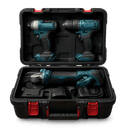
Tools & Equipment
Can help repair or replace hand tools, power tools, and gear that are stolen or damaged on the job or in transit.

Goods in Transit
May cover products, materials, and merchandise while they are being shipped or hauled between locations in your care.
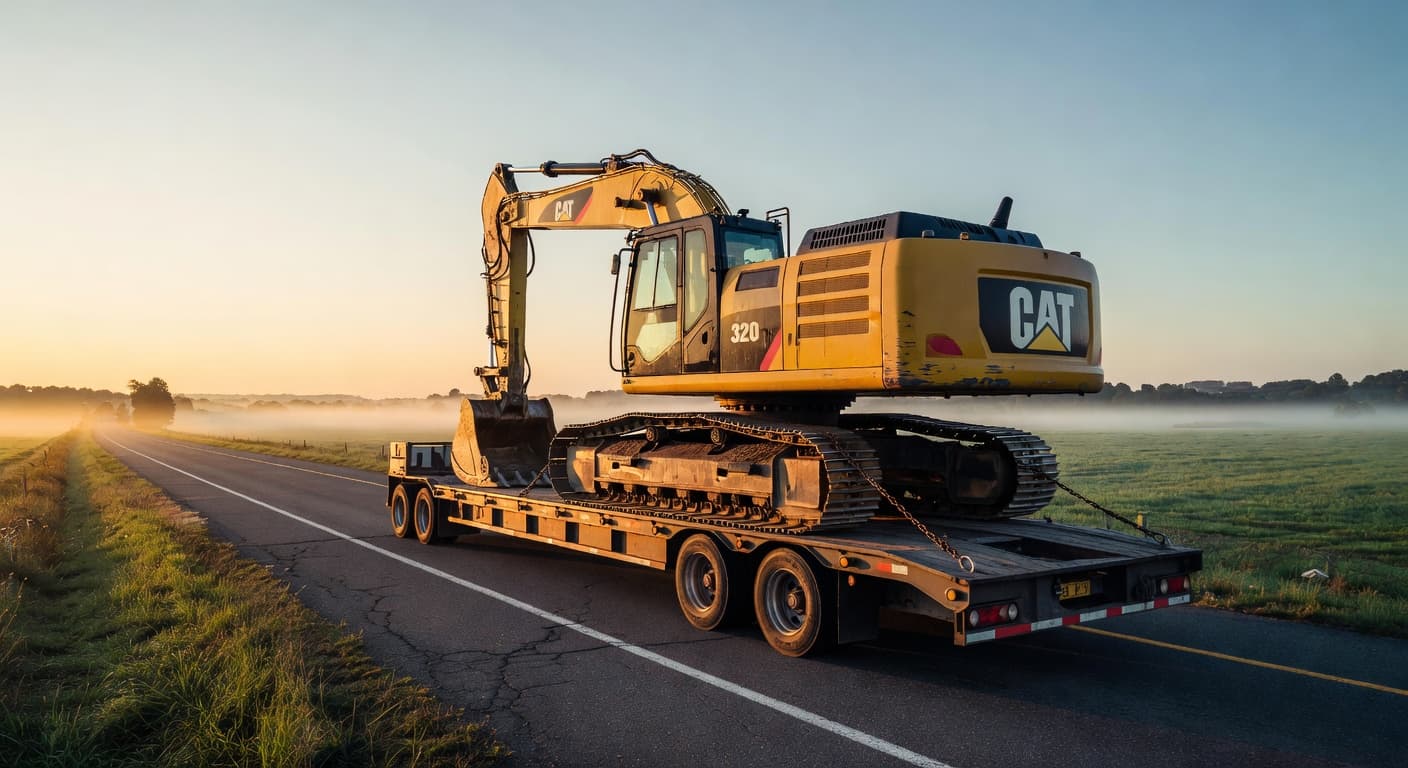
Contractors Equipment
Typically covers heavy machinery like excavators, loaders, and generators against theft or damage at job sites and between them.
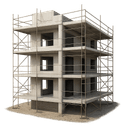
Installation Floater
Can help cover materials and fixtures from the moment you buy them until they are installed and accepted at a project.
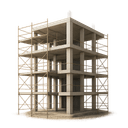
Builders Risk
May cover a structure under construction, along with materials on site, against damage from fire, wind, theft, and vandalism.
Inland Marine Insurance Cost in Pearl City
Average Cost in Hawaii
$25 - $130
per month
Businesses in Hawaii typically see inland marine insurance premiums of $25 - $130 per month, which tends to run 29% above the national range of $20 - $100 per month.
- Total insured value of the scheduled property
- Type and age of the equipment
- Where it is stored and how far it travels
- Jobsite security and theft prevention
- Per-item limits and deductibles
- Prior theft and in-transit losses
Contact CPK Insurance for a personalized quote.
Prices shown are general estimates, not guaranteed rates or quotes. Your actual premium will depend on the insurer, coverage selected, business details, location, claims history, and other underwriting factors. Learn about our pricing methodology.
Pricing for this coverage in Hawaii starts at roughly $25 to $130 per month, though actual rates vary by carrier, limits, and the property you insure. A business insuring basic hand tools may pay less than a contractor with higher-value machinery, because coverage limits and deductible choices are major pricing factors. Claims history, location, industry risk profile, and policy endorsements also affect price, and those factors can matter more in Hawaii because carriers are evaluating island geography, coastal exposure, and storage conditions. Because many active insurance companies compete for business in the state, shopping across several carriers gives you a real chance to find one that prices your specific risk more favorably. If you are requesting a quote, the most price-sensitive choices are usually the value of the property, how often it moves between islands or job sites, and whether you add endorsements for installation floater or builders risk coverage.
Industries & Insurance Needs in Pearl City
Honolulu County's establishment mix leans toward retail trade at 12.8%, accommodation and food services at 12.5%, and health care and social assistance at 12.2%, so inland marine demand here often comes from businesses moving stock, service equipment, and specialized devices rather than only heavy contracting tools. That changes the conversation. A retailer may need protection for inventory in transit to a pop-up or secondary storage area. A food service operator may need coverage reviewed for mobile equipment or property moving between locations. A health care related business may need tighter descriptions for diagnostic, treatment, or support equipment that travels off premises. If your operation fits one of those county patterns, do not ask only for a broad inland marine quote. Ask the agent to classify the property by use, mobility, and replacement basis, then confirm whether scheduled items, unscheduled tools, installation property, or customer goods are the better fit for how you actually work.
What Makes Pearl City Different
In a county with 20,964 establishments, your property is more likely to move through shared commercial space, leased units, customer premises, and frequent handoffs, so your policy needs cleaner definitions than it might in a less concentrated market. When a loss happens while equipment is being unloaded, staged for installation, or held temporarily away from your main location, the claim often turns on whether the property was described correctly and valued the right way at binding. That is why a thin, catchall equipment list can become expensive later. Before requesting quotes, trace your normal route of property movement and separate owned equipment, installation materials, and customer property into distinct categories. Specific categories give your quote real teeth instead of a vague bucket that leaves gaps at claim time.
Our Recommendation for Pearl City
Before you request quotes, build a property movement worksheet. List what travels weekly, what stays in a vehicle, what gets staged before installation, and what belongs to customers. From there, you can weigh whether scheduled equipment, installation coverage, or a broader transit form fits your actual movement patterns. Pearl City's median household income of $114,682 points to customers who expect fast, professional resolution when property is damaged. When clients pay premium prices, they expect premium service, which means replacement speed and settlement method matter as much as the coverage limit itself. Ask whether losses settle on replacement cost or another basis, and whether newly acquired items have enough temporary coverage while you update the schedule. If policy wording is unclear, use the quote process to pin down loading, unloading, temporary storage, and vehicle-related scenarios before you agree to terms.
Get Inland Marine Insurance in Pearl City
Enter your ZIP code to compare inland marine insurance rates from carriers in Pearl City, HI.
Business insurance starting at $25/mo
FAQ
Frequently Asked Questions
Pearl City businesses should start with the items that create the most downtime if lost: specialized tools, mobile equipment, installation materials, and customer property in your care. If property moves between vehicles, storage, and job sites, itemized scheduling is often worth reviewing.
Pearl City buyers should not assume that. In Honolulu County, retail trade holds 12.8% of establishments. That concentration means roughly one in eight local businesses faces inventory and equipment risks that a contractors-only policy may not address.
Pearl City health care related operations often move specialized devices off premises for service, setup, or patient support. In Honolulu County, health care and social assistance accounts for 12.2% of establishments. That share is large enough that mobile equipment protection deserves a close look for many local providers.
Pearl City food service and hospitality vendors often move equipment or supplies between sites and short-term storage. In Honolulu County, accommodation and food services makes up 12.5% of establishments. Temporary off-premises handling is a practical coverage question for these operations.
Pearl City policyholders can use the Hawaii Insurance Division for formal insurance questions and complaint information. That is most useful after you first pin down your policy wording, scheduled property list, and any disputed claim facts with your agent or carrier.
It can cover mobile business property such as tools, equipment, materials, and goods in transit when they are away from a fixed location, but the exact scope depends on the policy and carrier. In Hawaii, that matters for inter-island work, temporary storage, and job sites where property may not stay at one address.
If your tools and equipment are regularly mobile or stored away from your main location, contractors equipment coverage may be the right part of an inland marine policy to review. The key is whether the policy wording matches how often the property is in transit or at offsite locations.
Goods in transit coverage may help cover property that is being transported over land or moved between locations, which can be important when materials travel from a warehouse to a customer site or between islands. The carrier may usually want details about how the goods are packed, moved, and stored.
Sources
- 1.U.S. Census Bureau, County Business Patterns, Honolulu County(Honolulu County supports 20,964 business establishments.; Honolulu County's establishment mix leans toward retail trade at 12.8%, accommodation and food services at 12.5%, and health care and social assistance at 12.2%.)
- 2.U.S. Census Bureau, ACS 5-Year Estimates, table B19013(Pearl City's median household income is $114,682.)
- 3.Hawaii Insurance Division(Hawaii's insurance regulator is the Hawaii Insurance Division.)
Updated July 16, 2026





