Updated July 16, 2026

On-Hook Towing Insurance in Pearl City
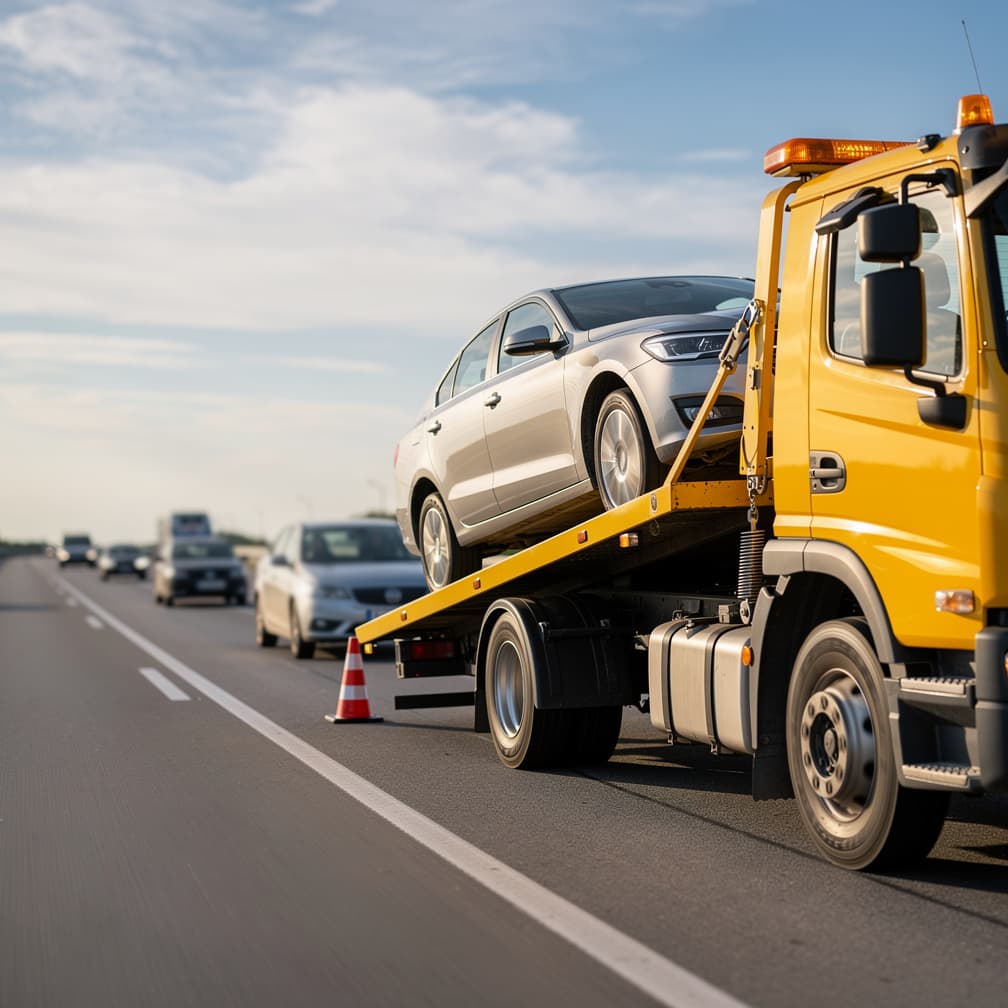
Pearl City's cost of living shows up in the vehicles you tow and the expectations owners bring to a damage claim. With a median household income of $114,682, on-hook towing insurance in Pearl City is less about chasing the lowest deductible and more about checking whether your per-vehicle limit, storage-related handoff procedures, and claims documentation fit the cars you actually move. A scraped wheel, bumper crack, or suspension complaint can turn into a larger dispute when the customer depends heavily on that vehicle and expects a fast, well-documented response. That matters if your work mixes roadside recoveries, apartment-complex tows, and short local relocations where hook-ups happen often and handoffs are quick. You should review how your policy treats damage during loading, transport, and unloading, then compare that against your dispatch pattern and the condition reports your drivers complete before leaving the scene. If your current setup was built around keeping premiums down, this is the place to test whether higher limits or a different deductible would leave less of a gap after a real claim.
On-Hook Towing Insurance Risk Factors in Pearl City
Pearl City's top risk factors include Flooding, Hurricane damage, Coastal storm surge, and Wind damage.
Hawaii has a high climate risk rating. Top hazards: Hurricane (Very High), Tsunami (High), Volcanic Activity (High), Flooding (High). The state's expected annual loss from natural hazards is $380M, which influences on-hook towing insurance premiums and may affect coverage availability in high-risk areas.
What On-Hook Towing Insurance Covers
In Hawaii, the most useful review starts with where damage allegations are most likely to arise in your actual workflow. A tow company working Waikiki garages, condo driveways, and narrow commercial access lanes can face a different claim pattern than an operator handling roadside breakdowns on open stretches or moving disabled vehicles from hotel and rental fleets. The policy review should focus on the moments where contact points, clearance, and vehicle condition are easiest to dispute after delivery.
Ask for wording to be reviewed against your loading method, your bed or wheel-lift setup, and the kinds of units you accept. If your drivers regularly handle low-clearance cars, all-wheel-drive vehicles, lifted pickups, motorcycles, or vehicles with pre-existing body damage, those details matter because claim investigations often turn on whether the tow method matched the vehicle and whether condition was documented before movement.
Hawaii conditions also make route and scene management important. Sudden rain, slick pavement, salt air exposure near the coast, and steep grades can change how a routine tow is performed and how a claim is argued later. If you do recovery work after storms or move vehicles from properties with tight turning radiuses, ask how those operations are treated and what exclusions or sublimits need attention.
A strong quote request includes your dispatch radius, storage relationships, impound activity, after-hours calls, and whether you subcontract overflow work. That gives you a better chance to compare policy terms on the exposures that actually create on-hook losses, meaning damage to a customer vehicle while it is attached to your truck, loaded on your bed, or in your custody during transport, instead of comparing only price.
Coverage Included

Collision on Hook
Covers damage to towed vehicles from collisions during transport.

Comprehensive on Hook
Covers theft, fire, and weather damage to vehicles being towed.
Loading & Unloading
Covers damage during the process of loading and unloading vehicles.
Winching Coverage
Covers damage to vehicles during winching and recovery operations.
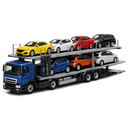
Multiple Vehicle
Covers all vehicles on multi-car carriers and rollback flatbeds.
Industries & Insurance Needs in Pearl City
Honolulu County's business mix changes what a local tow operator is likely to handle during a normal week. The county has 20,964 business establishments, and the largest establishment shares are retail trade at 12.8%, accommodation and food services at 12.5%, and health care and social assistance at 12.2%, so your on-hook exposure may come from frequent commercial calls tied to customer parking lots, restaurant centers, medical offices, and similar properties where vehicles are moved on short notice. Those jobs can create repetitive loading and unloading exposure rather than a few long transports. They also raise the odds of dealing with third-party property managers, time-sensitive pickups, and drivers who need clean photo records before a vehicle leaves the lot. If that sounds like your book of business, ask for a quote built around call type, tow frequency, and the kinds of vehicles you remove for commercial accounts, not just a generic towing class.
What Makes Pearl City Different
Short, frequent commercial tows are the main thing that changes the buying decision here. In a market tied closely to retail centers, restaurants, and service properties, many losses do not come from long-distance hauling. They come from repeated hook-ups, tight timing, and quick transfers of custody where a customer later questions when damage happened. That shifts the focus from broad state-level route differences to operational discipline on each call. You should think carefully about whether your on-hook limit matches the highest-value vehicles you are willing to tow, and whether your deductible still makes sense if several smaller claims in a year would be painful to absorb. It also makes documentation more valuable than many owners expect. Pre-tow photos, noted pre-existing damage, wheel and suspension observations, and signed release procedures can matter just as much as the policy form when a claim turns into a dispute over loading damage versus prior condition.
Our Recommendation for Pearl City
Start by sorting your last few months of jobs into roadside, private property, commercial account, and relocation tows. That simple review usually shows where your on-hook exposure really sits. If most calls are short commercial moves, ask whether your current limit is high enough for the most expensive vehicle you would accept on a routine dispatch, not the average one. Then review your deductible against cash flow, because a deductible that looks manageable on paper can feel very different if two or three damage complaints arrive close together. It is also worth asking how the policy responds during loading and unloading, and whether any exclusions or conditions could matter for apartment, retail, or medical-office calls. Keep your quote request practical by including vehicle types, tow radius, call volume, storage involvement, and your driver photo process. That gives you a cleaner comparison than shopping on price alone, and it helps you see where a small premium difference may buy meaningfully better claim handling.
Get On-Hook Towing Insurance in Pearl City
Enter your ZIP code to compare on-hook towing insurance rates from carriers in Pearl City, HI.
Business insurance starting at $25/mo
FAQ
Frequently Asked Questions
Pearl City operators often face more loading and unloading events on short calls, which can create more chances for a damage dispute. That is why many owners review per-vehicle limits and deductibles based on the highest-value cars they will actually accept.
Pearl City sits in Honolulu County, which has 20,964 business establishments, so many tow books include recurring commercial calls. More business-property pickups can mean more frequent custody transfers, making photos, condition notes, and loading-related coverage details worth reviewing.
Pearl City is in Honolulu County, where retail trade is 12.8% of establishments, accommodation and food services 12.5%, and health care and social assistance 12.2%. That mix can lead to steady parking-lot, customer-vehicle, and time-sensitive commercial towing work.
Pearl City has a median household income of $114,682, so you may be towing vehicles owned by customers with high expectations for condition and documentation. That can be a reason to test whether a very high deductible still fits your claim tolerance.
Pearl City policies are regulated at the state level, and the Hawaii Insurance Division is the regulator. If you are comparing forms or endorsements, use that as a reminder to confirm policy language and complaint procedures before you bind coverage.
Hotel and resort calls often mean tight access and vehicles owned by visitors who may not be present at pickup. If your trucks take custody of customer vehicles in those settings, review on-hook terms around loading, transport, and unloading before accepting those assignments.
Hawaii insurers usually look at your specific dispatch patterns and equipment. Honolulu work can mean frequent hook-ups in dense traffic and garages, while rural routes can mean longer tows, steeper grades, and fewer recovery resources nearby.
Hawaii insurance oversight sits with the Hawaii Insurance Division, which regulates insurers and handles consumer insurance matters in the state. If you are comparing policies, keep copies of forms and endorsements so you can review terms carefully before binding.
Sources
- 1.U.S. Census Bureau, ACS 5-Year Estimates, table B19013(Pearl City has a median household income of $114,682.)
- 2.U.S. Census Bureau, County Business Patterns, Honolulu County(Honolulu County has 20,964 business establishments.; In Honolulu County, the leading business sectors by establishment share are retail trade 12.8%, accommodation and food services 12.5%, and health care and social assistance 12.2%.)
- 3.Hawaii Insurance Division(Hawaii's insurance regulator is the Hawaii Insurance Division.)
Updated July 16, 2026