







































Updated July 5, 2026

Inland Marine Insurance in Boise
A trailer of finish carpentry tools disappears overnight from a subdivision build on the edge of town, or a survey kit is damaged after being moved between a downtown tenant improvement and a medical office remodel. That is the kind of moving-property loss inland marine insurance in Boise is meant to address. Here, the issue is not just whether equipment is valuable. It is whether your business keeps shifting tools, materials, or client property between active jobs, temporary storage, and vehicles during a normal week. In Ada County, local contractors, technical firms, and service businesses often work in a dense network of job sites, vendors, and customer locations rather than from one fixed address. That makes it worth reviewing how your policy schedules equipment, how it handles property in transit, and whether rented or borrowed items need to be listed differently. If your crews load out in the morning, stage property during the day, and leave part of it at a site overnight, ask for a quote built around that movement pattern, not just your office address.
Inland Marine Insurance Risk Factors in Boise
The local risk is **movement plus temporary staging**. Equipment rarely stays in one place for long if you handle installs, field service, testing, surveying, or construction support. Property may sit in a truck between calls, be unloaded at a customer location, then remain at a job site until the next phase starts. That creates a different exposure than property kept inside one insured building. State hazard patterns also matter here because weather and other natural events can interrupt transit, damage stored materials, or affect equipment left at temporary locations, depending on your policy terms. The practical review is simple: match coverage to how property actually travels, where it is left during the workday, and whether high-value items are individually scheduled. If you rely on mobile tools or instruments to keep jobs moving, ask specifically about transit, job-site storage, theft controls, and valuation for specialized equipment before renewal.
Idaho has a moderate climate risk rating. Top hazards: Wildfire (Very High), Earthquake (Moderate), Winter Storm (Moderate), Flooding (Moderate). The state's expected annual loss from natural hazards is $320M, which influences inland marine insurance premiums and may affect coverage availability in high-risk areas.
What Inland Marine Insurance Covers
In Idaho, the useful coverage conversation starts with movement and custody, not with a generic list of insured property. If your business loads tools into pickups before dawn, leaves equipment in enclosed trailers between jobs, stages materials in a customer garage, or sends specialty gear with a crew to a remote site, you need the policy language to follow those real handoffs. That often means reviewing whether you need item scheduling for higher-value equipment, blanket treatment for smaller tools, or a form built around installation exposure when materials are waiting to be put in place.
One practical issue for Idaho buyers is distance between stops. A business may leave a home base, drive to a supplier, continue to a rural project, and store property overnight before work resumes. Each transfer changes theft, damage, and documentation risk. Ask for clear wording on property in transit, property at temporary locations, and property in the care of employees. If you rent or borrow equipment, check whether your form handles that exposure or whether another policy should respond.
You should also match the form to the property itself. Contractors often need a different approach than a business carrying medical devices, photography gear, surveying equipment, or computer-controlled diagnostic tools. If your revenue depends on a few mobile items, schedule them with current values and serial numbers. If your operation moves many lower-value items, ask whether blanket coverage with sublimits creates gaps you would actually feel after a loss.
Idaho weather and terrain can also change how property is stored between stops. Ask how the policy treats equipment left in vehicles, trailers, fenced yards, or partially enclosed job sites. Your quote should track where your property actually spends the week, including overnight stops and custody handoffs.
Coverage Included
Tools & Equipment
Can help repair or replace hand tools, power tools, and gear that are stolen or damaged on the job or in transit.
Goods in Transit
May cover products, materials, and merchandise while they are being shipped or hauled between locations in your care.
Contractors Equipment
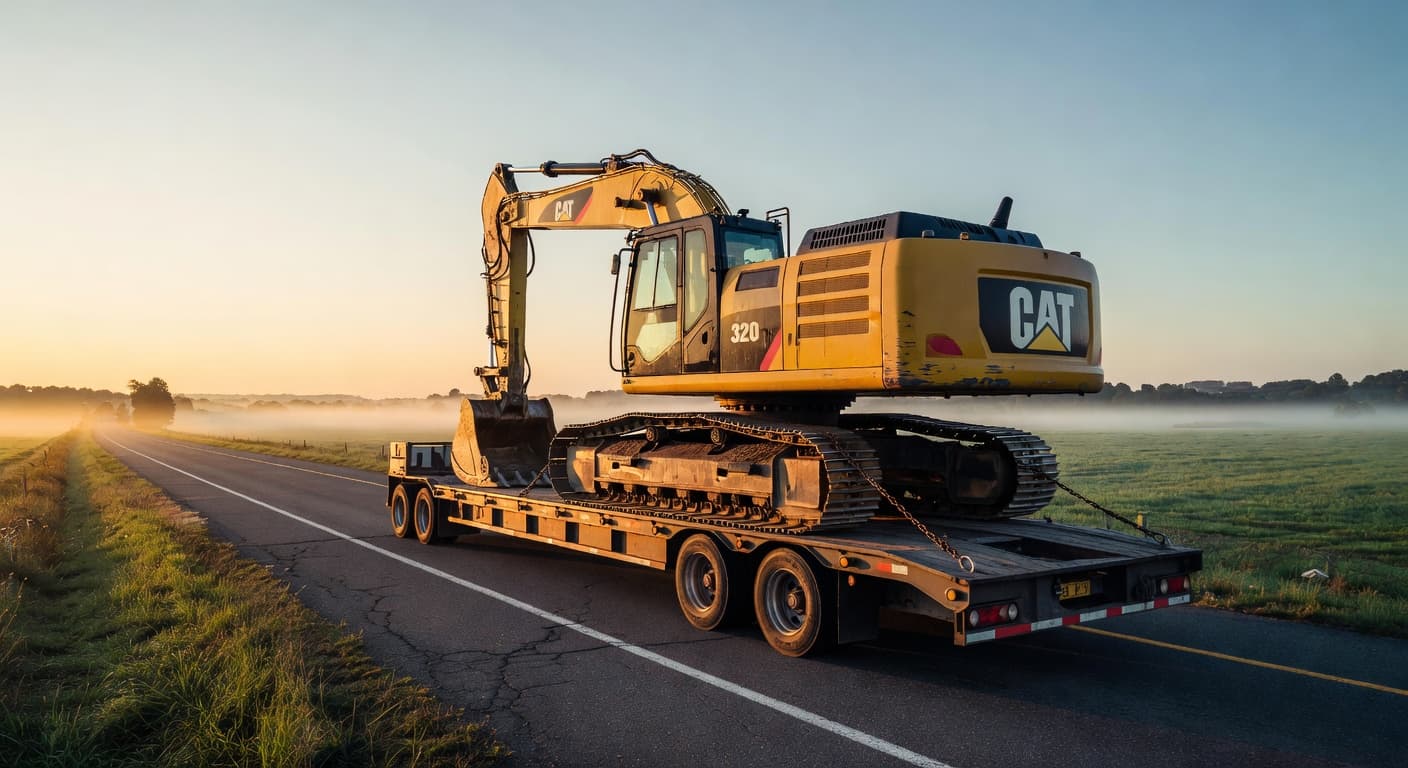
Typically covers heavy machinery like excavators, loaders, and generators against theft or damage at job sites and between them.

Installation Floater
Can help cover materials and fixtures from the moment you buy them until they are installed and accepted at a project.

Builders Risk
May cover a structure under construction, along with materials on site, against damage from fire, wind, theft, and vandalism.
Inland Marine Insurance Cost in Boise
Average Cost in Idaho
$20 - $90
per month
Businesses in Idaho typically see inland marine insurance premiums of $20 - $90 per month, which tends to run 8% below the national range of $20 - $100 per month.
- Total insured value of the scheduled property
- Type and age of the equipment
- Where it is stored and how far it travels
- Jobsite security and theft prevention
- Per-item limits and deductibles
- Prior theft and in-transit losses
Contact CPK Insurance for a personalized quote.
Prices shown are general estimates, not guaranteed rates or quotes. Your actual premium will depend on the insurer, coverage selected, business details, location, claims history, and other underwriting factors. Learn about our pricing methodology.
For Idaho businesses, inland marine pricing usually turns on what you move, how often it moves, where it is left, and how easy it is to document value after a loss. Many businesses see premiums from $20 to $90 per month, depending on the type of property, total insured value, deductible, territory, claims history, and whether items are individually scheduled or covered on a broader blanket basis. At the low end, that may cover a small scheduled tool list. At the higher end, you are typically looking at broader blanket coverage for multiple crews or higher-value specialized equipment.
A contractor with a few clearly scheduled high-value tools may rate differently than a service company carrying many smaller items that are hard to inventory after theft. The same is true for businesses that leave equipment in trailers overnight, store materials at temporary job sites, or move property across longer routes during the week. If your operation relies on specialized gear that is expensive to replace quickly, higher limits and tighter valuation language can matter more than shaving a small amount off the premium.
A higher deductible can reduce monthly cost, but it only makes sense if your business can absorb that out-of-pocket amount without delaying a replacement purchase. Review whether the deductible fits the kind of losses you are most likely to report, such as theft of several tools at once versus damage to one major piece of equipment.
To get a quote that is actually usable, prepare a current equipment schedule with descriptions, serial numbers, replacement values, where each item is usually kept, and whether it travels in employee vehicles or company units. That level of detail helps avoid a low quote built on assumptions you do not operate under.
Industries & Insurance Needs in Boise
The county business mix changes who should look closely at this coverage. In Ada County, the largest establishment shares are professional, scientific, and technical services at 13.5%, construction at 13.3%, and health care and social assistance at 11.7%. That matters because many firms in those sectors use mobile property that does not fit neatly into a standard building-and-contents approach. A contractor may move laser levels, saws, and materials. A technical firm may carry testing devices, survey equipment, or client property to field locations. Certain health-related operations may transport specialized equipment between offices or service sites. If your work depends on property leaving the premises to generate revenue, review whether items should be blanket covered or specifically scheduled, and whether employee-carried equipment needs separate attention. The right quote starts with an inventory that reflects what actually travels, not just what sits at your main address.
What Makes Boise Different
Mobility across a concentrated local business base is what changes the calculus here. This is not mainly a remote-rural transit question where property moves long distances between sparse stops. It is a frequent short-haul exposure, with equipment and materials loaded, unloaded, staged, and reloaded across a busy county business environment. Ada County has 16,806 establishments, which means many businesses operate through repeated handoffs between offices, job sites, vendors, and customer locations. That pattern increases the importance of details buyers sometimes skip: whether unnamed tools are subject to lower sublimits, whether installation materials are covered before they are put in place, and whether property left in a vehicle or temporary site is treated differently. If your operation touches several locations in a week, the key difference is operational tempo. Your coverage review should follow the route your property takes, who has custody at each stop, and where a loss is most likely to happen.
Our Recommendation for Boise
Start with a route-based inventory. List what travels, who carries it, where it is stored during the day, and what stays overnight at a site or in a vehicle. That usually reveals whether you need broader unscheduled tool protection, itemized limits for specialized equipment, or clearer treatment for materials awaiting installation. If your business serves higher-income households or commercial clients with expensive finishes, fixtures, or devices, valuation becomes more important. Boise median household income is $81,308, so some local jobs can involve property that is costly to replace if it is damaged in transit or while temporarily off premises. Ask your agent to separate owned equipment, rented equipment, customer property, and installation exposures instead of quoting them as one bucket. If you already carry property and general liability, request a gap review so you can see exactly what is covered at your premises, in transit, and at temporary locations before the next job starts.
Get Inland Marine Insurance in Boise
Enter your ZIP code to compare inland marine insurance rates from carriers in Boise, ID.
Business insurance starting at $25/mo
FAQ
Frequently Asked Questions
Boise businesses often do if tools, materials, or equipment regularly leave your main location. The issue is mobility, not just value, so daily loading, transit, and temporary job-site storage are good reasons to review inland marine coverage.
Ada County businesses often work through frequent site changes, vendor pickups, and customer visits. That makes it important to review transit, temporary storage, and scheduled equipment details instead of relying only on premises coverage.
Boise firms should usually look closely at high-value items that are hard to replace quickly, such as specialized tools, instruments, or diagnostic equipment. Separately scheduling those items can make limits and valuation clearer before a loss happens.
Ada County's establishment mix includes professional, scientific, and technical services at 13.5% and construction at 13.3%, so firms in those sectors often have mobile equipment exposures that warrant an inland marine review.
Boise accounts that transport or temporarily hold customer property should review inland marine because standard property coverage may not address every off-premises situation the same way. The answer depends on what travels, where it is kept, and your policy terms.
Idaho businesses with long rural service routes often need a closer review because property may spend more time in vehicles, trailers, and temporary locations than at the main address. If your equipment changes custody and location throughout the week, the policy should be built around those movements.
Idaho buyers usually get a better quote by listing replacement value, serial number, normal storage location, and how each item travels. That helps the agent decide what should be scheduled individually and what may fit under a blanket approach.
Idaho projects often involve materials arriving before crews are ready to install them. If your contract makes you responsible once delivery occurs, the policy should address staged materials and the temporary location where they are stored.
Sources
- 1.U.S. Census Bureau, County Business Patterns, Ada County(Ada County has 16,806 establishments, which means many businesses operate through repeated handoffs between offices, job sites, vendors, and customer locations.; In Ada County, the largest establishment shares are professional, scientific, and technical services at 13.5%, construction at 13.3%, and health care and social assistance at 11.7%.)
- 2.U.S. Census Bureau, ACS 5-Year Estimates, table B19013(Boise median household income is $81,308, so some local jobs can involve property that is costly to replace if it is damaged in transit or while temporarily off premises.)
Updated July 5, 2026





