Updated July 16, 2026

General Liability Insurance in Idaho
General liability insurance is often the first coverage an Idaho business is asked to prove it carries. A landlord may want it before handing over the keys, a client may write it into the contract, and a general contractor may not let a sub on the job site without a certificate. It is designed to respond when a third party is hurt or their property is damaged because of your work.
Idaho's economy runs on small businesses, and smaller operations feel a single injury claim the hardest, so getting the limits right is not just a paperwork exercise. Local risk shapes the picture too. Wildfire exposure is a serious factor across much of the state, and winter storms, flooding, and past earthquakes all add to how an insurer reads a given address.
Retail, healthcare, manufacturing, and food service sit near the front of the state economy. Each one meets the public in ways that create third-party claims. Understanding your specific exposure helps you weigh the cost of adequate protection against the price of a claim you cannot absorb.
What General Liability Insurance Covers
Think of general liability as the policy that answers to people outside your business. A customer slips on a wet floor at your Boise storefront. Your crew cracks a homeowner's tile while working in Coeur d'Alene. A competitor claims your ad crossed a line. In each case, it is designed to help with the third-party claim, and can help cover bodily injury, property damage, and personal and advertising injury, plus the legal defense and any settlement up to your policy limits.
Most policies may also include medical payments and products and completed operations. That matters if you sell goods or leave behind finished work that could cause harm later. Idaho does not set a minimum general liability requirement for most businesses, and the Idaho Department of Insurance oversees the carriers operating here. That absence of a legal mandate does not mean you can skip it.
Commercial landlords, clients, and government contracts routinely ask for a certificate before you sign a lease or start a job.
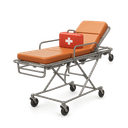
Bodily Injury Liability
Covers injuries to third parties on your premises or from your operations
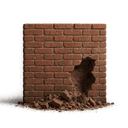
Property Damage Liability
Covers damage you cause to others' property

Personal & Advertising Injury
Covers libel, slander, and copyright claims

Products & Completed Operations
Covers claims from products sold or work completed

Medical Payments
Covers minor injuries regardless of fault

Defense Costs
Legal defense costs are covered in addition to policy limits
General Liability Insurance Requirements in Idaho
- Idaho sets no state-mandated minimum general liability requirement for most businesses, yet many contracts still demand proof before work begins.
- The Idaho Department of Insurance oversees the carriers operating here, so certificates and policy language should match exactly what your contract asks for.
- Owners are commonly advised to carry at least $1M per occurrence, particularly when a landlord or client sets a standard proof-of-coverage bar.
- A typical policy may respond to third-party bodily injury, property damage, personal and advertising injury, medical payments, and products and completed operations.
How Much Does General Liability Insurance Cost in Idaho?
Average Cost in Idaho
$35 - $110
per month
Businesses in Idaho typically see general liability insurance premiums of $35 - $110 per month, which tends to run 12% below the national range of $35 - $130 per month.
- Industry and risk classification
- Annual revenue
- Number of employees
- Claims history
- Coverage limits and deductibles
- Business location
Based on small business averages with $1M/$2M limits.
Most Idaho businesses land in an average premium range of about $35 to $110 per month. For a low-risk office, that might mean around $400 a year, while a busier retail or contracting operation could approach $1,500. Where you land inside that band comes down to a handful of factors. Industry and risk class carry the most weight, because a quiet accounting office and a busy retail floor invite very different claims. A low-risk office in Boise can price very differently from a retail shop in Idaho Falls, and a contractor working across wildfire-prone counties often sees a higher number again, even on identical limits. Annual revenue, employee count, and past claims fill in the rest, along with the limits and deductible you choose, so two owners in the same city can still land far apart.
Location matters more here than many owners expect. Wildfire exposure is a serious factor across much of the state, and winter storms, flooding, and past earthquakes all add to how an insurer reads a given address. The upside is competition. Idaho has a broad field of active insurance companies, and that crowded market tends to produce real quote-to-quote variation. To use it, compare quotes on identical terms, so the cheapest number is actually the cheapest deal and not just the thinnest policy.
| Coverage | What's Covered | What's NOT Covered |
|---|---|---|
| Bodily Injury | Customer/visitor injuries on premises or from operations | Employee injuries (use Workers Comp) |
| Property Damage | Damage to others' property from your work | Damage to your own property (use Commercial Property) |
| Personal Injury | Libel, slander, copyright infringement | Intentional criminal acts |
| Advertising Injury | False advertising claims, misappropriation of ideas | Knowing violations of law |
| Medical Payments | Minor injury medical bills regardless of fault | Major injury claims (handled as liability) |
| Products/Completed Ops | Claims from products sold or work completed | Product recalls (use Product Recall coverage) |
Bodily Injury
- What's Covered
- Customer/visitor injuries on premises or from operations
- What's NOT Covered
- Employee injuries (use Workers Comp)
Property Damage
- What's Covered
- Damage to others' property from your work
- What's NOT Covered
- Damage to your own property (use Commercial Property)
Personal Injury
- What's Covered
- Libel, slander, copyright infringement
- What's NOT Covered
- Intentional criminal acts
Advertising Injury
- What's Covered
- False advertising claims, misappropriation of ideas
- What's NOT Covered
- Knowing violations of law
Medical Payments
- What's Covered
- Minor injury medical bills regardless of fault
- What's NOT Covered
- Major injury claims (handled as liability)
Products/Completed Ops
- What's Covered
- Claims from products sold or work completed
- What's NOT Covered
- Product recalls (use Product Recall coverage)
Prices shown are general estimates, not guaranteed rates or quotes. Your actual premium will depend on the insurer, coverage selected, business details, location, claims history, and other underwriting factors. Learn about our pricing methodology.
Request a Quote Comparison
Enter your ZIP code to compare general liability insurance rates from top carriers.
Business insurance starting at $25/mo
Who Needs General Liability Insurance?
If your business meets customers, tenants, vendors, or the general public, general liability usually belongs on your shortlist, even though Idaho does not force most businesses to carry it. Retailers and food-service operators are among the most common buyers, because steady foot traffic and slip-and-fall risk come with the territory, and both sit near the top of Idaho's economy. Healthcare and social assistance providers often need it for premises claims, especially when they lease space or sign contracts that demand proof of insurance.
Manufacturers and agriculture-related operations lean on the property damage and completed-operations pieces, since their products and finished work can affect a customer long after the invoice is paid. The through-line is contracts. Across Idaho, landlords, clients, and government buyers frequently require general liability before you can occupy space, start work, or keep an account open. That makes it a practical necessity for small businesses statewide, mandate or not.
A shop in Boise, a builder in Meridian, a clinic in Idaho Falls, a restaurant in Coeur d'Alene, and a supplier in Twin Falls can each face their own contract demands and location risk.
General Liability Insurance by City in Idaho
General Liability Insurance rates and coverage options can vary across Idaho. Select your city below for localized information:
How to Buy General Liability Insurance
Start a quote with the details underwriters actually price on: your location, annual revenue, employee count, claims history, and the specific kind of third-party exposure your work creates. With a broad field of active insurers in the state, it pays to run more than one quote, each built on the same limits and deductible so the comparison holds. Ask every carrier to spell out what the policy includes. Those are the pieces most Idaho buyers care about, and leaving one out quietly is how a cheap quote turns into a gap.
If you need proof for a landlord, client, or contract, ask how fast a certificate of insurance can be issued after you bind. That timeline can decide whether you make a lease date or a job start. Decide, too, whether you want standalone coverage or a broader package. Some owners bundle it with property coverage, while others only need the liability piece. The Idaho Department of Insurance regulates the carriers you will be quoting, so keep your records clean and confirm the policy language matches what your contract requires before you sign anything.
How to Save on General Liability Insurance
The most reliable way to lower a general liability premium in Idaho is to walk in with a clean, well-documented risk profile and compare identical terms across carriers. Because price tracks your industry, revenue, claims history, and location, a business that can show stable operations and few losses usually earns a better number than one with a messy claims record. Operate from a single location with light customer traffic? Say so, because a lower-risk setting gives underwriters less to worry about. Raising your deductible can trim the premium, but only take that trade if your cash flow can absorb the larger out-of-pocket hit when a claim lands.
Bundling helps too. If you also need commercial property coverage, a Business Owners Policy often costs less than buying the two separately, though the right structure depends on what your business actually carries and does. Watch the limits when you compare. A quote looks cheaper the moment someone quietly drops below standard limits, so hold every carrier to the same numbers. Idaho's below-average pricing and its crowded carrier market give you room to shop, but the durable savings come from accurate classification, a clean claims history, and closing the coverage gaps that trigger expensive fixes later.
Our Recommendation for Idaho
For most Idaho businesses, the sensible starting point is a standard set of limits, adjusted upward only when a contract or heavy customer traffic calls for more. Idaho's market is contract-driven, so build the policy around what landlords, clients, and government buyers actually ask for rather than chasing the lowest monthly figure. If you run a retail, food-service, healthcare, manufacturing, or agriculture-related operation, confirm the quote clearly includes the core protections most buyers expect.
Hold the limits and deductible steady across quotes so the comparison means something. Wildfire exposure is a serious factor across much of the state, and winter storms, flooding, and past earthquakes all add to how an insurer reads a given address, which is why location details move the price more than owners expect.
FAQ
Frequently Asked Questions
It can help cover third-party bodily injury, property damage, and personal and advertising injury, plus medical payments and legal defense up to your limits. That matters when a customer is hurt on your premises or your work damages someone else's property.
Idaho sets no state-mandated minimum for most businesses. Even so, landlords, clients, and government contracts routinely require proof of coverage before you can lease space, start a job, or keep an account open, which makes it a practical necessity.
Most Idaho businesses pay an average of about $35 to $110 per month. Your actual price depends on industry, revenue, employee count, claims history, the limits and deductible you pick, and where the business operates.
Retail, healthcare, manufacturing, accommodation and food service, and agriculture-related operations are among the most frequent buyers. Each one has regular public contact or finished-work exposure, so customer injury and property-damage claims are a real, recurring risk.
Many small businesses carry $1M per occurrence and $2M aggregate. That level can help cover a serious injury claim and the legal costs that follow, which is why landlords and clients often set it as the minimum acceptable proof of coverage. Whether that fits you depends on your contract requirements, how much customer traffic you handle, and your overall risk, so let those factors drive the number rather than habit.
Often quickly, though the timeline varies by carrier and how complex your risk is. If a landlord or client needs the certificate by a set date, confirm the issuing timeline before you bind the policy.
Wildfire exposure is a serious factor across much of the state, and winter storms, flooding, and past earthquakes all add to how an insurer reads a given address. Insurers weigh those location factors when they price your policy, so your address can move the quote as much as your industry.
General liability insurance can help cover third-party bodily injury, property damage, personal and advertising injury, and medical payments. If a customer slips in your store, if your work damages a client's property, or if you're accused of libel or copyright infringement in your advertising, general liability responds.
Updated July 16, 2026