








































Updated July 16, 2026

Inland Marine Insurance in Meridian
If your property is always moving between your shop, a truck, and customer sites in Meridian, you probably need inland marine insurance. When revenue depends on tools, equipment, or materials that spend part of the week away from a fixed address, this coverage is worth reviewing with your schedule of property and transit patterns in mind. Work here often means short runs across a fast-growing service area, with equipment loaded before daylight, unloaded at a client location, then staged again for the next stop. In a household market with a median income of $98,686, customers expect contractors, installers, and specialty service firms to arrive with higher-value gear and cleaner setups. That expectation tends to push up what you spend on presentable, professional-grade equipment. A loss involving mobile property can interrupt both the job and the client relationship. Your quote should match what actually leaves the premises, where it is kept during the day, and whether customer property ever rides with your crew.
Inland Marine Insurance Risk Factors in Meridian
Meridian's top risk factors include Wildfire risk, Drought conditions, Power shutoffs, and Air quality events.
Idaho has a moderate climate risk rating. Top hazards: Wildfire (Very High), Earthquake (Moderate), Winter Storm (Moderate), Flooding (Moderate). The state's expected annual loss from natural hazards is $320M, which influences inland marine insurance premiums and may affect coverage availability in high-risk areas.
What Inland Marine Insurance Covers
In Idaho, the useful coverage conversation starts with movement and custody, not with a generic list of insured property. If your business loads tools into pickups before dawn, leaves equipment in enclosed trailers between jobs, stages materials in a customer garage, or sends specialty gear with a crew to a remote site, you need the policy language to follow those real handoffs. That often means reviewing whether you need item scheduling for higher-value equipment, blanket treatment for smaller tools, or a form built around installation exposure when materials are waiting to be put in place.
One practical issue for Idaho buyers is distance between stops. A business may leave a home base, drive to a supplier, continue to a rural project, and store property overnight before work resumes. Each transfer changes theft, damage, and documentation risk. Ask for clear wording on property in transit, property at temporary locations, and property in the care of employees. If you rent or borrow equipment, check whether your form handles that exposure or whether another policy should respond.
You should also match the form to the property itself. Contractors often need a different approach than a business carrying medical devices, photography gear, surveying equipment, or computer-controlled diagnostic tools. If your revenue depends on a few mobile items, schedule them with current values and serial numbers. If your operation moves many lower-value items, ask whether blanket coverage with sublimits creates gaps you would actually feel after a loss.
Idaho weather and terrain can also change how property is stored between stops. Ask how the policy treats equipment left in vehicles, trailers, fenced yards, or partially enclosed job sites. Your quote should track where your property actually spends the week, including overnight stops and custody handoffs.
Coverage Included
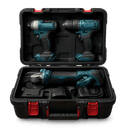
Tools & Equipment
Can help repair or replace hand tools, power tools, and gear that are stolen or damaged on the job or in transit.

Goods in Transit
May cover products, materials, and merchandise while they are being shipped or hauled between locations in your care.
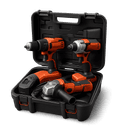
Contractors Equipment
Typically covers heavy machinery like excavators, loaders, and generators against theft or damage at job sites and between them.

Installation Floater
Can help cover materials and fixtures from the moment you buy them until they are installed and accepted at a project.

Builders Risk
May cover a structure under construction, along with materials on site, against damage from fire, wind, theft, and vandalism.
Inland Marine Insurance Cost in Meridian
Average Cost in Idaho
$20 - $90
per month
Businesses in Idaho typically see inland marine insurance premiums of $20 - $90 per month, which tends to run 8% below the national range of $20 - $100 per month.
- Total insured value of the scheduled property
- Type and age of the equipment
- Where it is stored and how far it travels
- Jobsite security and theft prevention
- Per-item limits and deductibles
- Prior theft and in-transit losses
Contact CPK Insurance for a personalized quote.
Prices shown are general estimates, not guaranteed rates or quotes. Your actual premium will depend on the insurer, coverage selected, business details, location, claims history, and other underwriting factors. Learn about our pricing methodology.
For Idaho businesses, inland marine pricing usually turns on what you move, how often it moves, where it is left, and how easy it is to document value after a loss. Many businesses see premiums from $20 to $90 per month, depending on the type of property, total insured value, deductible, territory, claims history, and whether items are individually scheduled or covered on a broader blanket basis. At the low end, that may cover a small scheduled tool list. At the higher end, you are typically looking at broader blanket coverage for multiple crews or higher-value specialized equipment.
A contractor with a few clearly scheduled high-value tools may rate differently than a service company carrying many smaller items that are hard to inventory after theft. The same is true for businesses that leave equipment in trailers overnight, store materials at temporary job sites, or move property across longer routes during the week. If your operation relies on specialized gear that is expensive to replace quickly, higher limits and tighter valuation language can matter more than shaving a small amount off the premium.
A higher deductible can reduce monthly cost, but it only makes sense if your business can absorb that out-of-pocket amount without delaying a replacement purchase. Review whether the deductible fits the kind of losses you are most likely to report, such as theft of several tools at once versus damage to one major piece of equipment.
To get a quote that is actually usable, prepare a current equipment schedule with descriptions, serial numbers, replacement values, where each item is usually kept, and whether it travels in employee vehicles or company units. That level of detail helps avoid a low quote built on assumptions you do not operate under.
Industries & Insurance Needs in Meridian
Ada County's business mix is the clearest reason demand for this coverage looks different around Meridian. The county has 16,806 business establishments, and the leading sectors by establishment share are professional, scientific, and technical services at 13.5%, construction at 13.3%, and health care and social assistance at 11.7%. That matters because each of those sectors can create mobile property exposures that do not fit neatly inside a fixed-location property policy.
For a buyer, the takeaway is practical. Construction firms often move tools, small equipment, and materials between active jobs. Professional service businesses may carry specialized instruments, testing gear, or client equipment off site. Health-related operations can have portable devices that travel between offices, facilities, or service locations. If your operation touches any of those patterns, ask for a quote built around what travels, who has custody of it, and whether property is ever left in a vehicle or temporary workspace.
What Makes Meridian Different
The real question is when and where your property sits between fixed locations, because those gaps are where most losses happen. If your business sends crews to homes, offices, clinics, or job sites, review whether your policy schedule reflects the items that travel most often, not just the items with the highest replacement cost. You should also flag any borrowed equipment, leased gear, or customer property in your care, because those exposures tend to surface during ordinary daily movement rather than a single major shipment.
Our Recommendation for Meridian
Take stock of what leaves your main location, who transports it, how long it stays in a vehicle, and which items are routinely kept at a temporary site between visits. That level of detail helps an agent separate property that belongs on an inland marine schedule from property better handled elsewhere. Review values based on what it actually costs to replace equipment today, not what it shows on an old bookkeeping list. If one missing diagnostic tool, laser, camera package, or trailer-mounted setup would delay work for several days, make sure that is reflected in your quote. Note how the policy treats customer property, rented equipment, and items used by subcontractors or multiple crews, since those specifics often determine whether a claim gets paid without friction. A side-by-side comparison of blanket treatment for lower-value items against a scheduled list of your highest-priority gear can show which approach fits your daily operations better.
Get Inland Marine Insurance in Meridian
Enter your ZIP code to compare inland marine insurance rates from carriers in Meridian, ID.
Business insurance starting at $25/mo
FAQ
Frequently Asked Questions
If your tools regularly leave a fixed address, the answer is usually yes. Daily movement between your location, vehicles, and customer sites creates off-premises property exposure, so review a schedule that matches what actually travels.
Start with the items that would stop work if lost, stolen, or damaged. Think about the gear that moves most often, costs the most to replace quickly, or stays at temporary job sites between visits.
Ada County has 16,806 business establishments, with professional services, construction, and health care among the largest sectors. That concentration means more contractors and service firms are moving gear between sites on any given day. More movement means more chances for something to go missing or get damaged, so your property schedule needs to keep pace with that reality.
It may help, depending on policy terms and how the property is described. If customer items travel with your crew or stay with you temporarily, make sure that exposure is reflected before binding coverage.
A quote that shows both approaches side by side can reveal whether blanket treatment or a tighter scheduled list fits your daily operations better. If you carry many smaller tools plus a few expensive pieces, comparing the two is usually worth the extra step.
Idaho businesses with long rural service routes often need a closer review because property may spend more time in vehicles, trailers, and temporary locations than at the main address. If your equipment changes custody and location throughout the week, the policy should be built around those movements.
Idaho buyers usually get a better quote by listing replacement value, serial number, normal storage location, and how each item travels. That helps the agent decide what should be scheduled individually and what may fit under a blanket approach.
Idaho projects often involve materials arriving before crews are ready to install them. If your contract makes you responsible once delivery occurs, the policy should address staged materials and the temporary location where they are stored.
Sources
- 1.U.S. Census Bureau, ACS 5-Year Estimates, table B19013(In a household market with a median income of $98,686, customers often expect contractors, installers, and specialty service firms to arrive with higher-value gear, cleaner setups, and fewer delays, so a loss involving mobile property can interrupt both the job and the client relationship.)
- 2.U.S. Census Bureau, County Business Patterns, Ada County(Ada County has 16,806 business establishments, and the leading sectors by establishment share are professional, scientific, and technical services at 13.5%, construction at 13.3%, and health care and social assistance at 11.7%.)
Updated July 16, 2026





