Updated July 5, 2026

On-Hook Towing Insurance in Meridian
Right when you add another truck, sign a yard lease near downtown, or start taking more dealer and apartment calls on the west side, your insurance review gets more specific. On-hook towing insurance in Meridian is usually less about a generic Idaho form and more about the kind of vehicles you are actually hauling, where you store them between calls, and which local clients expect clean certificates before they hand over keys. This market also skews toward households with newer, higher-value vehicles. A routine tow can involve cars, SUVs, and pickups that make valuation disputes more expensive if damage is alleged after hookup, transport, or unloading. That is the point where limits, valuation language, and documentation practices deserve a closer look. If your book includes private-property impounds, dealer transfers, breakdown tows, or overflow work from nearby commercial corridors, bring your client list, truck schedule, and any contract insurance requirements into the quote process so the policy can be reviewed against real jobs.
On-Hook Towing Insurance Risk Factors in Meridian
Vehicle value is the local risk factor that changes the conversation here. Meridian median household income is $98,686, so you are often not towing older low-value units only. You may be moving late-model daily drivers, financed pickups, or SUVs with expensive cameras, sensors, and trim that can turn a minor loading incident into a larger claim discussion. That does not automatically change every policy, but it should change how you review **on-hook limits, deductibles, and any valuation basis** tied to loss settlement. It also makes intake discipline more important. Before a vehicle leaves the scene or a property, document pre-existing damage, wheel condition, glass, and visible accessories, then keep time-stamped photos with the dispatch record. If you handle dealer, lender, or apartment work, ask whether any contract pushes higher limits or tighter certificate wording than your current setup was built for.
Idaho has a moderate climate risk rating. Top hazards: Wildfire (Very High), Earthquake (Moderate), Winter Storm (Moderate), Flooding (Moderate). The state's expected annual loss from natural hazards is $320M, which influences on-hook towing insurance premiums and may affect coverage availability in high-risk areas.
What On-Hook Towing Insurance Covers
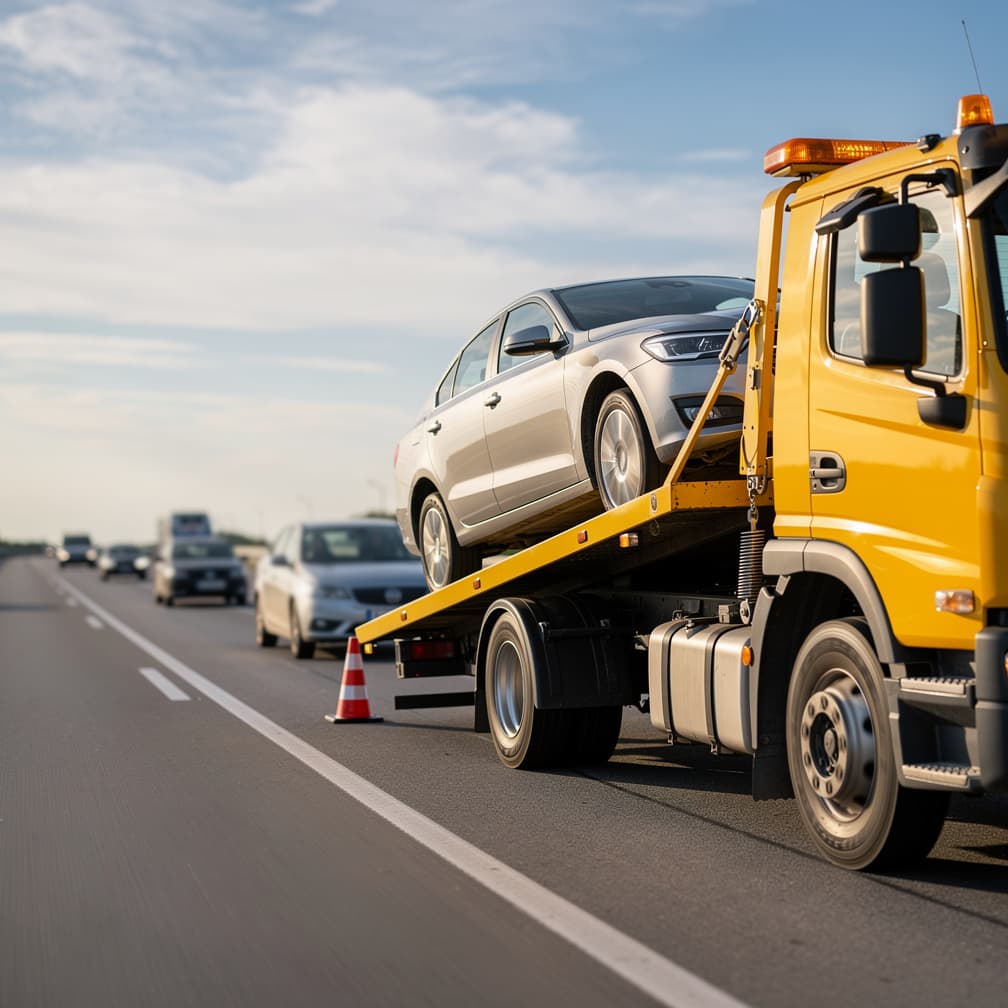
On-hook coverage can help pay for damage to a customer's vehicle while it is attached to, loaded on, carried by, or unloaded from your tow truck. A light-duty roadside tow on a clear urban route creates one kind of loss profile. A pickup pulled from a snowy shoulder, a low-clearance car loaded on uneven ground, or a disabled vehicle moved down a long rural stretch creates another. That is why you should ask the agent to separate how your operation handles routine towing, recovery-adjacent work, dealer or auction transfers, and any impound-related movement.
You also want to review how the policy responds to the handoff points where disputes often start, since loading and unloading procedures matter when damage allegations surface after the fact. A customer may point to bumper, fascia, wheel, undercarriage, glass, or drivetrain issues after delivery, especially if the vehicle already had prior damage. Your file should make clear which equipment you use, how vehicles are secured, whether you use flatbeds, wheel-lifts, dollies, or mixed methods, and who documents condition before transport.
For Idaho operators, territory deserves special attention during the coverage conversation. Steep grades, winter traction issues, narrow access roads, and long rural stretches can all change how a vehicle is attached, stabilized, and moved. If your work includes recoveries near embankments, off-pavement pulls, or long-distance transports between smaller communities, say so up front. The goal is not to make the account sound simple but to make it accurate enough that the policy terms, limits, and underwriting assumptions fit the jobs you actually accept.
Coverage Included

Collision on Hook
Covers damage to towed vehicles from collisions during transport.
Comprehensive on Hook
Covers theft, fire, and weather damage to vehicles being towed.
Loading & Unloading
Covers damage during the process of loading and unloading vehicles.
Winching Coverage
Covers damage to vehicles during winching and recovery operations.
Multiple Vehicle
Covers all vehicles on multi-car carriers and rollback flatbeds.
Industries & Insurance Needs in Meridian
Contract-driven commercial demand is the local business factor worth watching. Ada County has 16,806 business establishments, and its largest establishment shares are professional, scientific, and technical services at 13.5%, construction at 13.3%, and health care and social assistance at 11.7%. That mix matters because it creates a steady base of offices, job sites, clinics, and service properties where parking enforcement, disabled-vehicle removal, fleet assistance, and vendor compliance can all show up in towing assignments. For an operator, that means the insurance review should not stop at truck count. It should track who is sending the work and what each account requires after a loss. A property manager may care about certificate wording, a contractor fleet account may care about turnaround and documentation, and a medical office property may expect tighter handling around customer vehicles. Bring sample service agreements to your quote review so coverage terms can be checked against the accounts you want to keep.
What Makes Meridian Different
Vehicle mix is what changes the calculus here. In some markets, on-hook questions center on volume first. Here, the more important issue is often the value and complexity of the vehicles you take into your care for even a short tow. You should assume a meaningful share of calls involve newer vehicles with higher repair costs and more electronics vulnerable during loading, transport, and unloading. That pushes the buying decision away from a bare minimum approach and toward a closer review of limits, deductibles, and claims documentation. The county business base adds another layer. Towing work can come from apartments, offices, clinics, contractors, and commercial properties that each bring their own vendor paperwork and expectations. If your operation is growing, the practical move is to map your top account types, identify the highest-value vehicles you regularly handle, and request quotes that can be compared against those real exposures instead of a generic class description.
Our Recommendation for Meridian
Start with your last six to twelve months of tow tickets and sort them by source: dealer, apartment, roadside, fleet, private property, or commercial account. That simple exercise usually shows whether your biggest exposure is frequency, vehicle value, or contract complexity. If you regularly handle newer pickups, SUVs, or financed vehicles, ask for a side-by-side review of on-hook limits and deductibles so you can see where a single disputed damage claim could land on your balance sheet. If commercial properties or business clients feed your dispatch board, bring their insurance requirements into the conversation before renewal, not after a certificate is rejected. It is also worth reviewing how drivers photograph vehicles, note pre-existing damage, and document keys, accessories, and release conditions. Strong field documentation can matter as much as the policy wording when a customer challenges what happened during the tow. Before you bind, compare the quote to your actual dispatch mix and your highest-value routine loads.
Get On-Hook Towing Insurance in Meridian
Enter your ZIP code to compare on-hook towing insurance rates from carriers in Meridian, ID.
Business insurance starting at $25/mo
FAQ
Frequently Asked Questions
Meridian operators often handle newer, higher-value vehicles. That means a damage allegation after hookup or unloading can involve more expensive repair estimates, making limit and deductible review worth doing before renewal.
Meridian-area commercial work can change the review because Ada County has a broad business base. That creates more vendor-driven towing opportunities, so you should compare your policy terms against lease, property-management, fleet, or service-contract insurance requirements.
Ada County business mix can shape demand. Professional, scientific, and technical services are 13.5% of establishments, construction 13.3%, and health care and social assistance 11.7%, so towing assignments may come from offices, job sites, and care properties with different documentation expectations.
Meridian buyers should bring tow tickets, driver lists, truck details, storage information, and any client contract requirements. That lets the quote be reviewed against the vehicles you actually move and the accounts that can reject weak certificate wording.
Meridian policyholders can contact the Idaho Department of Insurance for insurance complaint and consumer information issues. Use that step for regulatory help, but handle coverage design first by matching limits and terms to your actual towing operations.
Most Idaho police rotation lists require proof of insurance before a tower is added or renewed, and on-hook coverage is commonly part of that requirement. Send the rotation paperwork with your quote request so the policy terms and certificates can be checked against the actual obligation.
Idaho operators get better quotes when they submit truck schedules, driver lists, loss history, and the insurance language from motor clubs, lenders, auctions, or municipal contracts together. That gives the underwriter a cleaner basis to match limits, deductibles, and covered operations.
Yes. Long distances and variable road conditions can affect loading, securement, and claim severity, which means rural work may be priced or reviewed differently than metro-area towing. Describe your territory honestly so the quote reflects how your trucks are actually dispatched.
Sources
- 1.U.S. Census Bureau, ACS 5-Year Estimates, table B19013(Meridian median household income is $98,686)
- 2.U.S. Census Bureau, County Business Patterns, Ada County(Ada County has 16,806 business establishments; Ada County's largest establishment shares are professional, scientific, and technical services at 13.5%, construction at 13.3%, and health care and social assistance at 11.7%)
- 3.Idaho Department of Insurance(Idaho's insurance regulator is the Idaho Department of Insurance)
Updated July 5, 2026