Updated July 16, 2026

Car Insurance in Nampa
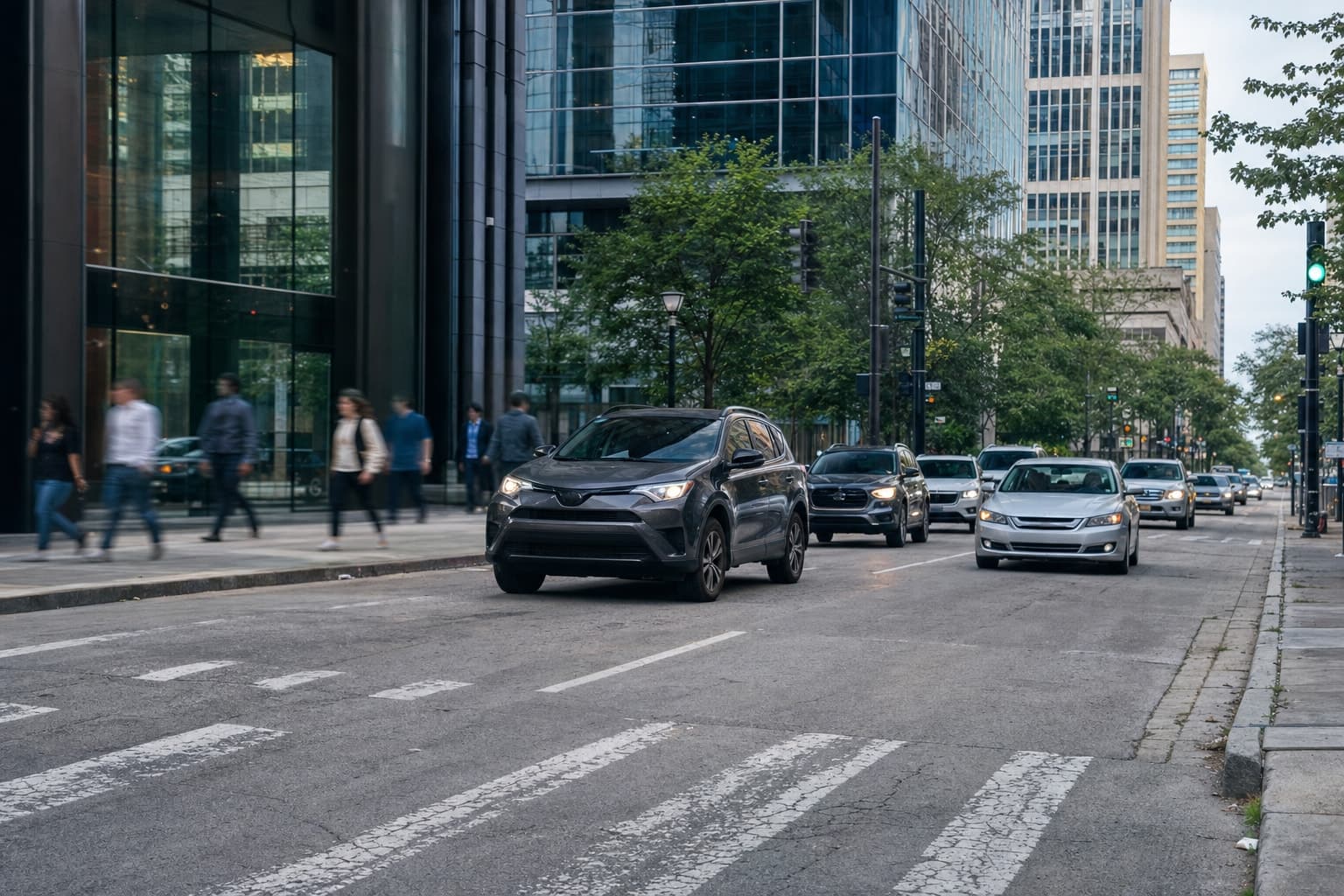
Your driving pattern in Nampa is rarely just a short neighborhood loop. A typical week can mean school drop offs, retail runs along major commercial corridors, commuting toward Boise, and regular trips across Canyon County for work, errands, or family. A review of car insurance in Nampa should start with how often you are on the road, where you park, and whether your vehicle is carrying kids, tools, or higher-value personal property during the day. Local households with a median income of $72,122 often face real tradeoffs between monthly budget and out of pocket risk, so even a modest deductible shift can free up cash for other priorities. It helps to compare deductibles, rental reimbursement, and uninsured motorist options before renewal instead of defaulting to the lowest premium. If your household relies on one vehicle to cover commuting, appointments, and weekend travel, a small coverage gap can turn into a bigger disruption than it looks on paper.
Idaho has a moderate climate risk rating. Top hazards: Wildfire (Very High), Earthquake (Moderate), Winter Storm (Moderate), Flooding (Moderate). The state's expected annual loss from natural hazards is $320M, which influences car insurance premiums and may affect coverage availability in high-risk areas.
What Car Insurance Covers
In Idaho, car insurance coverage is built around protection for injuries, vehicle damage, and losses tied to an auto accident or other covered event. Liability coverage is the starting point because Idaho businesses and drivers must meet state requirements that can vary by vehicle use and policy type. For personal auto coverage, the exact limits depend on the policy you choose. Collision coverage can help cover damage to your own vehicle after a crash, while comprehensive coverage is the part that may respond to non-collision losses such as theft, wildfire-related damage, winter storm impacts, or other covered perils.
That matters in a state where wildfire is the top hazard, recent seasons have brought significant wildfire, flooding, and winter storm impacts, and motor vehicle theft has been increasing. Uninsured motorist coverage is especially relevant because roughly one in eleven Idaho drivers lacks insurance. A policy can help protect you if the other driver lacks enough coverage. Medical payments coverage may cover eligible medical expenses after a crash, and rental reimbursement coverage can help you stay mobile while your vehicle is being repaired.
Deductibles and coverage limits directly affect what you pay out of pocket and how your premium is priced. Because the market is state-regulated, policy language, endorsements, and carrier underwriting still matter. A policy that fits a Boise commuter may not be the right fit for a driver in a rural county facing winter roads, wildfire smoke detours, or longer repair timelines.
Coverage Included

Liability
Can help pay for injuries and property damage you cause to others in an accident, coverage most states require drivers to carry.

Collision
Can help pay to repair or replace your car after a crash with another vehicle or object, regardless of fault.

Comprehensive
Typically covers damage to your car from events other than collisions, such as theft, hail, fire, flooding, or hitting an animal.

Uninsured Motorist
May pay for your injuries and, in some states, car damage when an at-fault driver has no insurance or too little.

Medical Payments
Can help cover medical bills for you and your passengers after an accident, no matter who was at fault.
Rental Reimbursement
May pay for a rental car while your vehicle is in the shop for repairs after a covered claim.
Car Insurance Cost in Nampa
Average Cost in Idaho
$60 - $160
per month
In Idaho, car insurance premiums typically run $60 - $160 per month, which tends to run 35% below the national range of $110 - $230 per month.
- Driving record and age
- Vehicle make, model, and year
- Location and commute distance
- Credit-based insurance score
- Coverage limits and deductibles
Contact CPK Insurance for a personalized quote.
Prices shown are general estimates, not guaranteed rates or quotes. Your actual premium will depend on the insurer, coverage selected, personal details, location, claims history, and other underwriting factors. Learn about our pricing methodology.
Idaho's car insurance cost profile is below the national average, but local pricing still varies by driver and coverage choices. Idaho's premium index is 87, meaning typical rates run about 13% below the national average. An index of 100 represents the U.S. baseline, so a score of 87 tells you Idaho tends to be more affordable than most states. That lower baseline can work in your favor when you request a quote.
Your premium may shift based on coverage limits, deductibles, claims history, location, and policy endorsements. Location can matter because urban driving around Boise may look different from rural mileage, mountain weather exposure, or parking conditions in areas with higher theft risk. Idaho recorded 32,000 crashes and 269 fatalities in 2023, with top causes including reckless driving, weather conditions, speeding, impaired driving, and running red lights or stop signs. Those crash numbers mean carriers price collision coverage with real frequency and severity in mind, which can push up premiums for drivers in higher-traffic corridors even if their own record is clean.
If you choose higher liability limits, lower deductibles, or add comprehensive coverage, your monthly cost can rise. If you keep a clean driving record, compare quotes from multiple carriers, and choose deductibles that fit your budget, you may be able to manage the premium more effectively. Idaho's market includes several major carriers among the top writers, so shopping widely is practical. The most accurate price is still a personalized quote based on your vehicle, driving history, and the coverages you select.
What Makes Nampa Different
In a city tied closely to the wider Treasure Valley, many drivers use one car for several jobs at once. Daily commuting, family transportation, shopping, and countywide errands all pile onto the same odometer. That makes it worth checking whether your policy assumptions still match reality, especially if your mileage climbed, a teen driver was added, or your vehicle now spends more time parked away from home. Canyon County also has 5,820 business establishments, which means local traffic is not just residential movement. Service vehicles, customer trips, delivery activity, and contractor travel share the same roads throughout the day. When you compare quotes, weigh how disruptive a claim would be to your week rather than simply buying the state minimum.
Our Recommendation for Nampa
If you commute out of town several days a week, ask for quotes at more than one deductible level so you can see whether lower monthly savings are worth the larger out of pocket hit after a claim. If your household shares vehicles, confirm every regular driver is listed and that garaging, mileage, and ownership details are current. Canyon County's business mix also matters around traffic patterns. Construction accounts for 28.9% of establishments, retail trade 9.9%, and health care and social assistance 8.8%, meaning a notable share of local traffic comes from work trucks, delivery vans, and customer visits rather than just residents running errands. More commercial vehicles on the road means a higher chance of an accident involving an underinsured or uninsured driver, so pay attention to how your policy handles those situations. The Idaho Department of Insurance can answer questions about policy forms and consumer complaints if you run into trouble. A practical starting point is comparing your current limits and deductibles side by side.
Get Car Insurance in Nampa
Enter your ZIP code to compare car insurance rates from carriers in Nampa, ID.
Car insurance starting at $59/mo
FAQ
Frequently Asked Questions
Start with annual mileage, regular drivers in the household, lienholder information, and deductibles. With many households balancing transportation needs against a median household income of $72,122, the better comparison is total out of pocket risk, not just premium.
Nampa commuting patterns can change how you shop because one vehicle often handles work trips, family errands, and regional travel. If that car is in the shop after a claim, rental reimbursement can help keep your week moving.
Canyon County business traffic matters because the county has 5,820 business establishments, which adds service vehicles, customer trips, and contractor travel to everyday driving. More time on the road with commercial traffic means your liability limits deserve a closer look.
Nampa households that rely on one main vehicle should focus on claim disruption. If a car is essential for commuting, school, and appointments, a covered loss does not have to interrupt the whole week when your policy includes rental coverage and roadside help.
Canyon County industry mix can shape local traffic conditions because construction represents 28.9% of establishments, retail trade 9.9%, and health care and social assistance 8.8%. More work trucks and delivery vans sharing your commute raises the odds of a collision, so check whether your uninsured motorist protection is adequate.
In Idaho, liability coverage can help cover injuries or damage you may cause to others, collision coverage can help cover damage to your own vehicle after a crash, and comprehensive coverage may respond to non-collision losses such as theft or wildfire-related damage. Medical payments coverage may cover eligible medical expenses after an accident, and rental reimbursement can help keep you on the road while repairs are being made.
The state's insurance market is state-regulated, and coverage requirements can vary by policy type and how the vehicle is used. For personal auto insurance, you should confirm the exact liability limits and any required provisions with your carrier, while commercial-auto minimums are listed separately by the state.
Monthly car insurance cost in Idaho depends on coverage limits, deductibles, claims history, location, vehicle type, and endorsements. Sample premiums starting at around $60 per month can give you a baseline for a basic policy, but the most useful number is a quote built around your actual vehicle and driving profile.
Sources
- 1.U.S. Census Bureau, ACS 5-Year Estimates, table B19013(Local households with a median income of $72,122 often have real tradeoffs to make between monthly budget and out of pocket risk.)
- 2.U.S. Census Bureau, County Business Patterns, Canyon County(Canyon County also has 5,820 business establishments, so local traffic is not just residential movement, it includes service vehicles, customer trips, delivery activity, and contractor travel throughout the day.; Canyon County's business mix also matters around traffic patterns: construction accounts for 28.9% of establishments, retail trade 9.9%, and health care and social assistance 8.8%.)
- 3.Idaho Department of Insurance(The Idaho Department of Insurance is the state regulator.)
Updated July 16, 2026