Updated July 5, 2026

Dealer Open Lot Insurance in Nampa
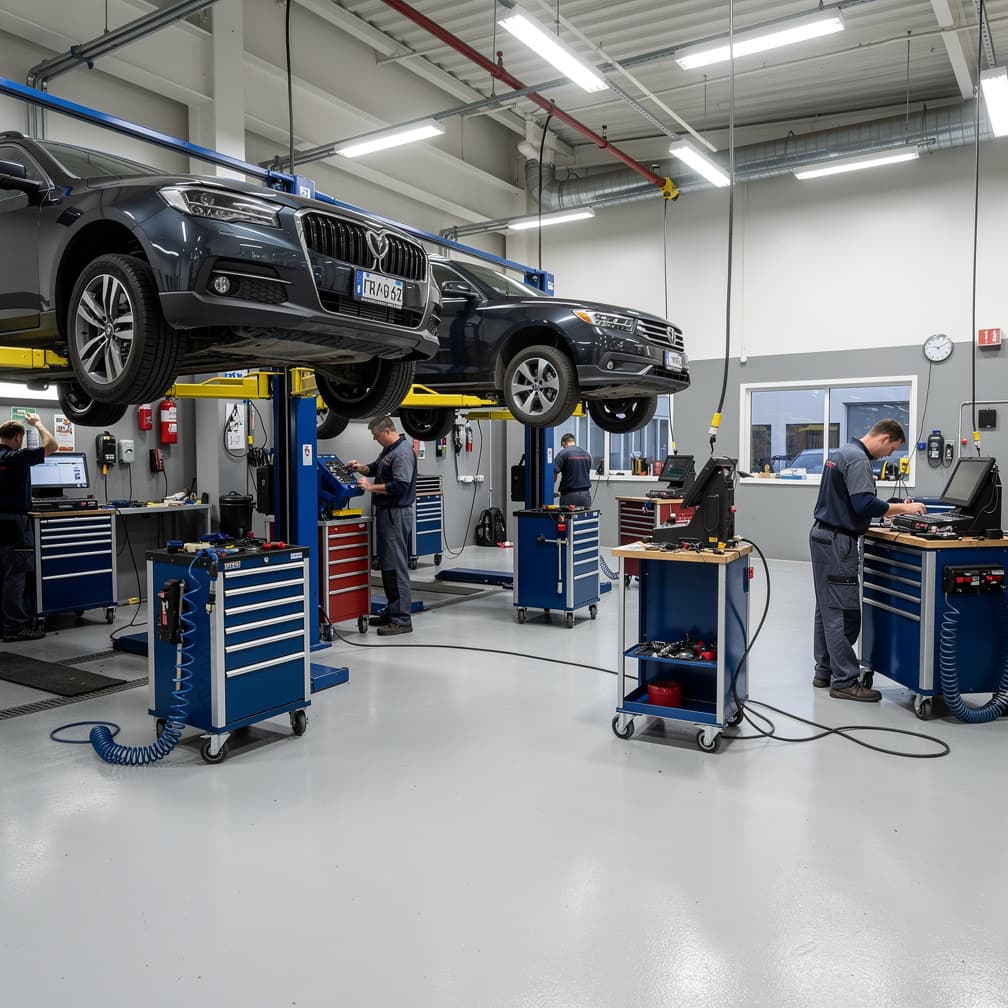
Independent dealers here often work out of compact frontage lots, shared commercial strips, or mixed retail corridors where inventory turns fast and space stays tight. A buyer may first see a unit online, stop by after work, then ask for a test drive that pulls onto busier local arterials or toward the interstate. That operating pattern is why dealer open lot insurance in Nampa deserves a location-specific review, especially if you shift vehicles between the display line, a back row, a service area, or a separate storage address during the week. Local household buying power also matters. With Nampa median household income at $72,122, many shoppers are payment-sensitive but still expect clean, ready-to-drive inventory, so dealers often carry a broad mix of older used units and a few higher-value vehicles at the same time. That mix can change your concentration of value from one month to the next. Before you request terms, line up your current inventory values, every place vehicles sit overnight, and how often units move off the main lot for detailing, repair, or overflow storage.
Dealer Open Lot Insurance Risk Factors in Nampa
Nampa's top risk factors include Wildfire risk, Drought conditions, Power shutoffs, and Air quality events.
Idaho has a moderate climate risk rating. Top hazards: Wildfire (Very High), Earthquake (Moderate), Winter Storm (Moderate), Flooding (Moderate). The state's expected annual loss from natural hazards is $320M, which influences dealer open lot insurance premiums and may affect coverage availability in high-risk areas.
What Dealer Open Lot Insurance Covers
Location scheduling, valuation, and storage conditions drive how well your policy fits your actual lot exposure. A rural highway-front lot with wide spacing, gravel surfaces, and occasional overflow parking creates a different claims picture than a denser urban site with more customer traffic, neighboring businesses, and frequent vehicle movement between display, service, and storage areas. Your review should focus on those operational details.
Start with location scheduling. If you keep sale units at more than one address, or use temporary overflow space during buying swings, ask whether each location needs to be specifically shown and how limits apply by site. That matters if a loss hits one concentration of vehicles rather than being spread across your whole inventory. If you send units to a body shop, detail vendor, auction, or offsite storage yard, review how the policy treats those situations before assuming the same protection follows automatically.
Next, look at valuation and reporting discipline. A policy works better when your inventory records are current, VIN-based, and tied to where each unit is physically stored. If you carry older trucks, side-by-sides, trailers, or mixed inventory, make sure the quote reflects the actual mix rather than treating every unit the same. The more variation you have in value and storage conditions, the more important it is to confirm sublimits, exclusions, and any location-specific conditions.
If you want to verify licensing, complaint resources, or consumer guidance while comparing options, the Idaho Department of Insurance offers those resources. Then ask for specimen forms or a clear proposal summary that shows covered causes of loss, location treatment, and any conditions tied to fencing, keys, or offsite storage.
Coverage Included

Weather Damage
Covers hail, wind, flood, and storm damage to lot inventory.
Theft Protection
Covers vehicles stolen from your lot.
Fire Damage
Covers fire and explosion damage to inventory vehicles.

Vandalism
Covers intentional damage to vehicles on your lot.
Test Drive Coverage
Covers vehicles during customer and employee test drives.
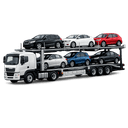
Transit Coverage
Covers vehicles being moved between lot locations.
Industries & Insurance Needs in Nampa
County business mix is the local pressure point. Canyon County reports 5,820 business establishments, and construction leads establishment share at 28.9%, followed by retail trade at 9.9% and health care and social assistance at 8.8%. For a dealer, that matters because demand often follows work patterns: pickups and work vans for contractors, commuter vehicles for retail and care staff, and practical used inventory that moves on monthly payment discipline rather than impulse. That can leave you carrying several vehicle types with very different values and theft appeal on the same lot. It also means trade-ins may arrive with uneven condition, accessory changes, or commercial-use wear that affects how you document value. If your inventory mix shifts with local buyer demand, ask for a review that tracks peak total lot value, not just your average month.
What Makes Nampa Different
Inventory mix is the main difference here. In a market where household budgets and work-use vehicle demand both shape buying decisions, many dealers are not stocking one clean, uniform class of units. They are balancing affordable commuter cars, older SUVs, light-duty trucks, and occasional higher-value pieces that can change the lot's total exposure quickly. That matters for dealer open lot because underwriters are looking at concentration of value, storage pattern, and how clearly your schedule matches reality. A lot that looks modest from the street can still hold a meaningful swing in exposure if several trucks arrive at once, if trade-ins stack up before reconditioning, or if overflow units sit at a second address. The practical takeaway is simple: review your highest-value weeks, not just your normal lineup, and make sure every location and temporary holding pattern is disclosed before binding coverage.
Our Recommendation for Nampa
Start with a current inventory schedule and separate vehicles by where they are actually kept: front line, back lot, service area, detail space, and any offsite storage. That gives the underwriter a cleaner picture than one combined count. Next, flag units that create outsized value concentration, especially trucks, specialty trims, or recently acquired trade-ins waiting for recon. If your lineup changes around tax refund season, contractor demand, or weekend promotions, say so directly instead of relying on an annual average. You should also confirm who moves vehicles, where keys are stored, and whether any units are routinely parked away from the primary sales address after hours. If a local buyer asks for a quote, test drive, or hold while the vehicle is off the display line, your records should still show where that unit sits. Before renewal, compare your declared maximum lot value against your busiest recent month and update addresses, counts, and storage practices if they have drifted.
Get Dealer Open Lot Insurance in Nampa
Enter your ZIP code to compare dealer open lot insurance rates from carriers in Nampa, ID.
Business insurance starting at $25/mo
FAQ
Frequently Asked Questions
Nampa dealers should think about inventory mix, not just sales volume. With median household income at $72,122, many buyers shop by payment, so you may carry a wider spread of vehicle ages and values. Review whether your limit still fits your highest-value mix.
Canyon County matters because 5,820 business establishments create steady demand for practical work and commuter vehicles. If your lot serves contractors, retail workers, and care staff, your inventory can shift quickly. Ask for terms that match peak concentration, not a slow month.
Canyon County's leading sectors are construction at 28.9%, retail trade at 9.9%, and health care and social assistance at 8.8%. That mix can push dealers toward trucks, commuter cars, and mixed-value trade-ins, so document changing values carefully before quoting.
Nampa dealers should disclose every place inventory is stored or staged, including back rows, service areas, and separate storage addresses. A compact lot can make those moves routine, but your coverage review still works better when each location and use pattern is listed clearly.
Nampa dealers usually get a cleaner quote when the inventory schedule is current before submission. List recent acquisitions, higher-value units, and any offsite storage so the underwriter can review the exposure you actually carry today, not last quarter's lineup.
Idaho dealers often should review every location with the quoting source, especially if inventory moves between the main lot, overflow space, and vendors. Ask whether each site needs to be scheduled and how limits apply if one holds a heavier concentration of vehicles.
Idaho weather can make lot concentration and site conditions more important than a dealer expects. If your inventory sits outdoors or shifts between locations by season, ask the underwriter to review each address, your peak values, and any offsite storage before binding.
Idaho used car dealers can often address overflow storage, but the key question is whether that location is disclosed and treated correctly in the quote. Do not assume a secondary parcel or temporary storage area is handled the same as your main dealership address.
Sources
- 1.U.S. Census Bureau, ACS 5-Year Estimates, table B19013(Nampa median household income is $72,122.)
- 2.U.S. Census Bureau, County Business Patterns, Canyon County(Canyon County has 5,820 business establishments.; Canyon County's leading business sectors by establishment share are construction 28.9%, retail trade 9.9%, and health care and social assistance 8.8%.)
Updated July 5, 2026