Updated July 16, 2026

On-Hook Towing Insurance in Nampa
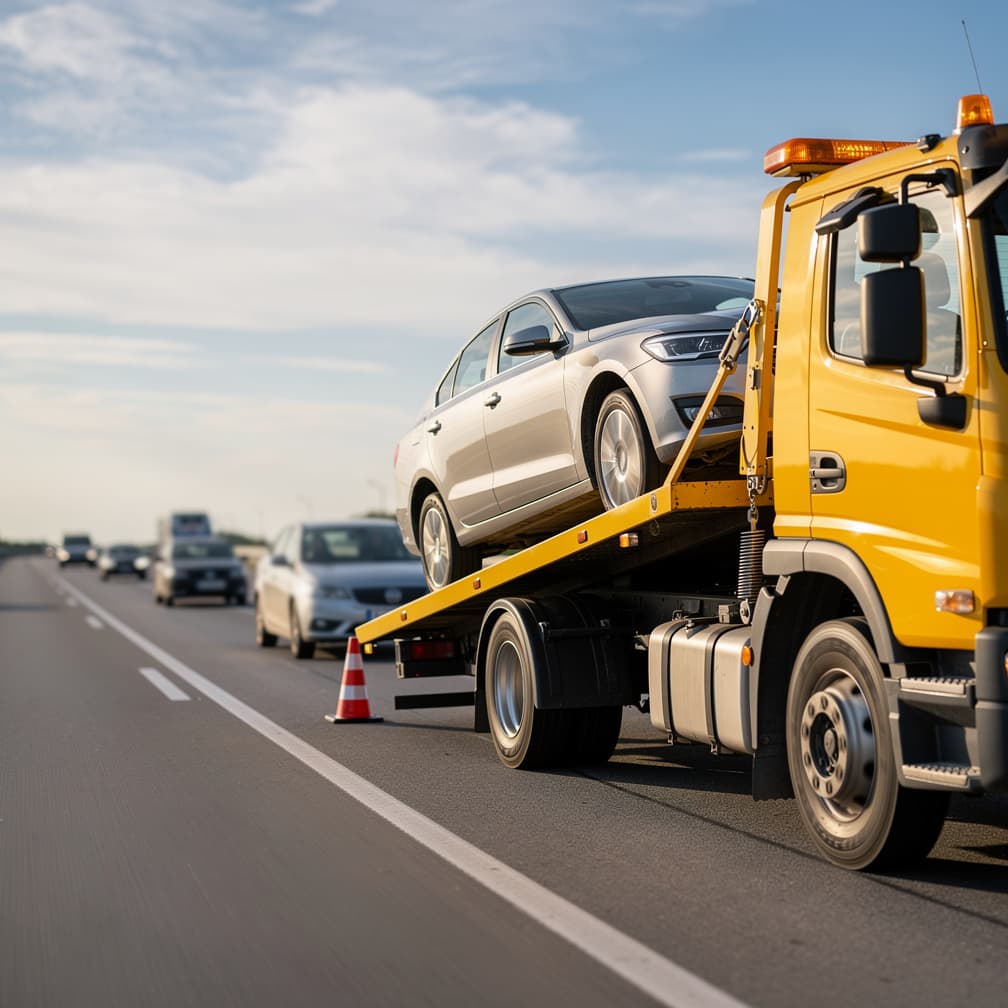
A disabled pickup gets loaded after a crash on I-84, then shifts on the deck while your driver works through traffic toward Garrity Boulevard. That is the moment on-hook towing insurance in Nampa stops being a line item and becomes a claim question about the customer's vehicle in your care. The issue is not just whether you tow, but how often you move between freeway recoveries, retail parking calls, and contractor fleet work in the same service area.
Canyon County has 5,820 business establishments, which means local towers often handle a steady mix of vendor vehicles, employee cars, and service units tied to commercial accounts that expect clean certificates and clear limits before assigning work. The county's establishment mix also leans heavily toward construction at 28.9% and retail trade at 9.9%, so contractor rigs and delivery vans are likely a regular part of your rotation rather than an occasional surprise. Your on-hook review should match the kinds of pickups, vans, and customer vehicles you actually haul, not a generic towing description.
On-Hook Towing Insurance Risk Factors in Nampa
Local towing risk here is shaped by how quickly one day can shift between roadway recovery and private-property work. A truck that starts with an interstate disablement can end the shift clearing a retail lot or moving a contractor pickup, and each handoff changes the condition, loading, and documentation issues around the vehicle on your hook. Idaho’s broader natural hazard profile matters as background, but the practical buying question is simpler: how often do weather, road conditions, and after-hours calls force your drivers to load damaged vehicles under less-than-ideal conditions. That is worth spelling out in your application. If your operation handles more crash recoveries than routine transports, or regularly tows heavier work trucks and vans, ask for **limits and deductibles** that fit those assignments. It also helps to review whether your policy terms line up with winching, roadside recovery, storage transitions, and the point at which responsibility for the vehicle begins and ends.
Idaho has a moderate climate risk rating. Top hazards: Wildfire (Very High), Earthquake (Moderate), Winter Storm (Moderate), Flooding (Moderate). The state's expected annual loss from natural hazards is $320M, which influences on-hook towing insurance premiums and may affect coverage availability in high-risk areas.
What On-Hook Towing Insurance Covers
On-hook coverage can help pay for damage to a customer's vehicle while it is attached to, loaded on, carried by, or unloaded from your tow truck. A light-duty roadside tow on a clear urban route creates one kind of loss profile. A pickup pulled from a snowy shoulder, a low-clearance car loaded on uneven ground, or a disabled vehicle moved down a long rural stretch creates another. That is why you should ask the agent to separate how your operation handles routine towing, recovery-adjacent work, dealer or auction transfers, and any impound-related movement.
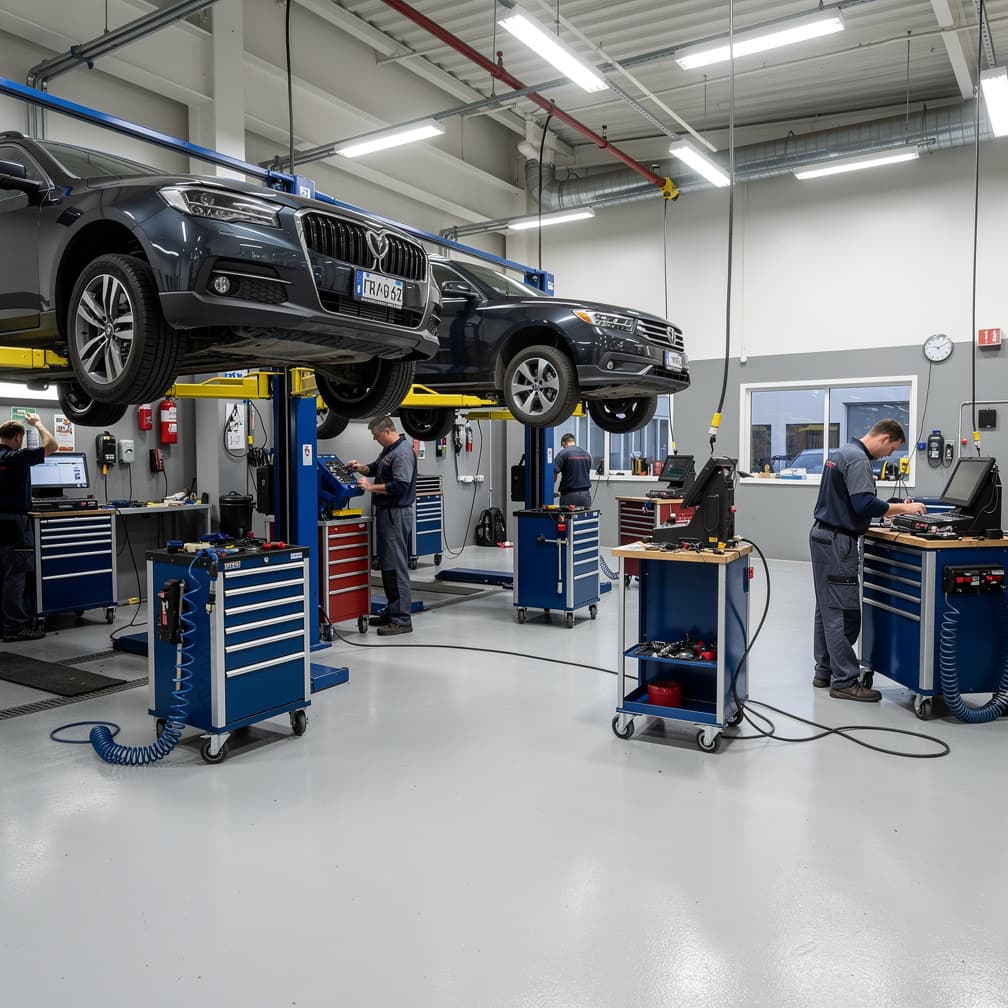
You also want to review how the policy responds to the handoff points where disputes often start, since loading and unloading procedures matter when damage allegations surface after the fact. A customer may point to bumper, fascia, wheel, undercarriage, glass, or drivetrain issues after delivery, especially if the vehicle already had prior damage. Your file should make clear which equipment you use, how vehicles are secured, whether you use flatbeds, wheel-lifts, dollies, or mixed methods, and who documents condition before transport.
For Idaho operators, territory deserves special attention during the coverage conversation. Steep grades, winter traction issues, narrow access roads, and long rural stretches can all change how a vehicle is attached, stabilized, and moved. If your work includes recoveries near embankments, off-pavement pulls, or long-distance transports between smaller communities, say so up front. The goal is not to make the account sound simple but to make it accurate enough that the policy terms, limits, and underwriting assumptions fit the jobs you actually accept.
Coverage Included
Collision on Hook
Covers damage to towed vehicles from collisions during transport.
Comprehensive on Hook
Covers theft, fire, and weather damage to vehicles being towed.
Loading & Unloading
Covers damage during the process of loading and unloading vehicles.
Winching Coverage
Covers damage to vehicles during winching and recovery operations.
Multiple Vehicle
Covers all vehicles on multi-car carriers and rollback flatbeds.
What Makes Nampa Different
The business base here directly shapes what ends up on your truck. With 5,820 establishments in the county, and with construction representing 28.9% of establishments, retail trade 9.9%, and health care and social assistance 8.8%, your calls can involve contractor pickups, delivery vehicles, employee cars, and service fleets instead of only private passenger autos. Construction alone accounts for nearly three in ten county businesses, which means equipped work trucks with higher repair values are probably showing up on your deck more often than a residential market would suggest.
If you are regularly moving work vehicles with added equipment or time-sensitive commercial use, on-hook limits that feel adequate for routine light-duty personal tows may deserve a second look. The practical move is to separate your book of business by call type, grouping private-party, commercial account, impound-related, and recovery work, then asking for a quote built around the vehicles you actually take into custody.
Our Recommendation for Nampa
If one truck mostly handles private-party breakdowns and another sees more account work tied to contractors, retail properties, or fleet vehicles, say that clearly during the quote process so the policy review can stay closer to your actual on-hook exposure. List the largest and most expensive vehicles you have towed in the past year, including pickups with tool bodies, cargo vans, and any units with attached equipment, to give yourself a better basis for reviewing limits. If you store vehicles even briefly before release, ask how the policy treats the handoff from tow to lot and whether any exclusions or conditions apply. Nampa households report a median household income of $72,122, meaning a damaged everyday sedan can still be a serious financial setback for its owner even when it is not a luxury unit.
Get On-Hook Towing Insurance in Nampa
Enter your ZIP code to compare on-hook towing insurance rates from carriers in Nampa, ID.
Business insurance starting at $25/mo
FAQ
Frequently Asked Questions
Nampa operators should use the most expensive vehicles they actually tow, not an average passenger car. In Canyon County, construction makes up 28.9% of establishments, so contractor pickups, vans, and equipped work vehicles may justify a closer limit review.
Nampa towing operations often move between freeway recoveries and lot clears in the same day, and that changes loading and documentation exposure. Your quote should reflect call type, vehicle condition, and whether you handle damaged units, not just that you own a tow truck.
Canyon County has 5,820 business establishments, so local towers may see more commercial-account work than a purely residential book would suggest. That is a reason to review certificates, contract requirements, and the value of vehicles you take into custody.
Nampa households report a median household income of $72,122, and even an everyday vehicle can represent a major financial loss for its owner. That makes careful limit selection, condition photos, and documented handoffs worth reviewing before renewal.
Most Idaho police rotation lists require proof of insurance before a tower is added or renewed, and on-hook coverage is commonly part of that requirement. Send the rotation paperwork with your quote request so the policy terms and certificates can be checked against the actual obligation.
Idaho operators get better quotes when they submit truck schedules, driver lists, loss history, and the insurance language from motor clubs, lenders, auctions, or municipal contracts together. That gives the underwriter a cleaner basis to match limits, deductibles, and covered operations.
Yes. Long distances and variable road conditions can affect loading, securement, and claim severity, which means rural work may be priced or reviewed differently than metro-area towing. Describe your territory honestly so the quote reflects how your trucks are actually dispatched.
Idaho insurance questions are overseen by the Idaho Department of Insurance. If you are comparing policies, use that as the regulatory reference point, then focus your buying decision on whether the quote matches your trucks, services, and contract obligations.
Sources
- 1.U.S. Census Bureau, County Business Patterns, Canyon County(Canyon County has 5,820 business establishments, so local towers often handle a steady mix of vendor vehicles, employee cars, and service units tied to commercial accounts.; The county’s establishment mix leans heavily toward construction at 28.9% and retail trade at 9.9%, with health care and social assistance at 8.8%, which affects the kinds of vehicles local towers may move.)
- 2.U.S. Census Bureau, ACS 5-Year Estimates, table B19013(Nampa households report a median household income of $72,122, so damage to a personal vehicle can still be a meaningful customer-loss issue.)
Updated July 16, 2026