







































Updated July 5, 2026

Inland Marine Insurance in Aurora
The decision usually shows up here at a practical moment: you sign a downtown lease, line up a remodel, book a crew for a multi-day install, or start moving higher-value tools and materials between a shop, a van, and a customer site. That is when inland marine insurance in Aurora becomes less of a technical add-on and more of a coverage review about where your property actually spends the workday. A fixed-location property policy may not follow equipment once it is loaded out for a service call, staged at a temporary site, or left in transit between jobs. That gap matters locally because work often moves between older commercial corridors, newer retail areas, and residential neighborhoods in the same week. If you are a contractor, installer, service firm, or retailer with mobile inventory, the useful question is not whether you own property, but how often it leaves the address shown on your declarations page. Start by listing what travels, where it is stored overnight, who has custody, and whether customer property ever rides with your own equipment before you request a quote.
Inland Marine Insurance Risk Factors in Aurora
Aurora's top risk factors include Tornado damage, Hail damage, Severe storm damage, and Wind damage.
Illinois has a high climate risk rating. Top hazards: Tornado (Very High), Severe Storm (High), Flooding (High), Winter Storm (High). The state's expected annual loss from natural hazards is $3.2B, which influences inland marine insurance premiums and may affect coverage availability in high-risk areas.
What Inland Marine Insurance Covers
Inland marine insurance is designed for business property that is mobile, in transit over land, or kept away from your main premises. That includes tools and equipment used on job sites, goods in transit between locations, contractors equipment, installation floater exposures for materials being installed, and builders risk coverage for certain construction-related property. The coverage follows the property to temporary storage, customer locations, and active work sites, which is important in a state where severe storms, tornadoes, flooding, and winter weather can interrupt work and damage portable property.
Illinois does not impose a special statewide mandate for inland marine itself, but coverage requirements may vary by industry and business size. Policy terms, endorsements, and covered perils can differ by carrier, so businesses should read the schedule of property carefully instead of assuming every tool or material is automatically included. A standard policy may respond to theft, damage, vandalism, or other covered perils while the property is away from your fixed location, but the exact terms depend on the policy. If equipment is left at a Springfield job site or materials are staged in temporary storage near Chicago, the policy language and limits determine whether the loss is within scope. Buyers should also watch for exclusions tied to how the item is stored, how it is transported, and whether the carrier requires specific valuation or security details.
Coverage Included
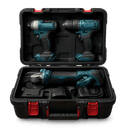
Tools & Equipment
Can help repair or replace hand tools, power tools, and gear that are stolen or damaged on the job or in transit.

Goods in Transit
May cover products, materials, and merchandise while they are being shipped or hauled between locations in your care.
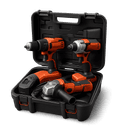
Contractors Equipment
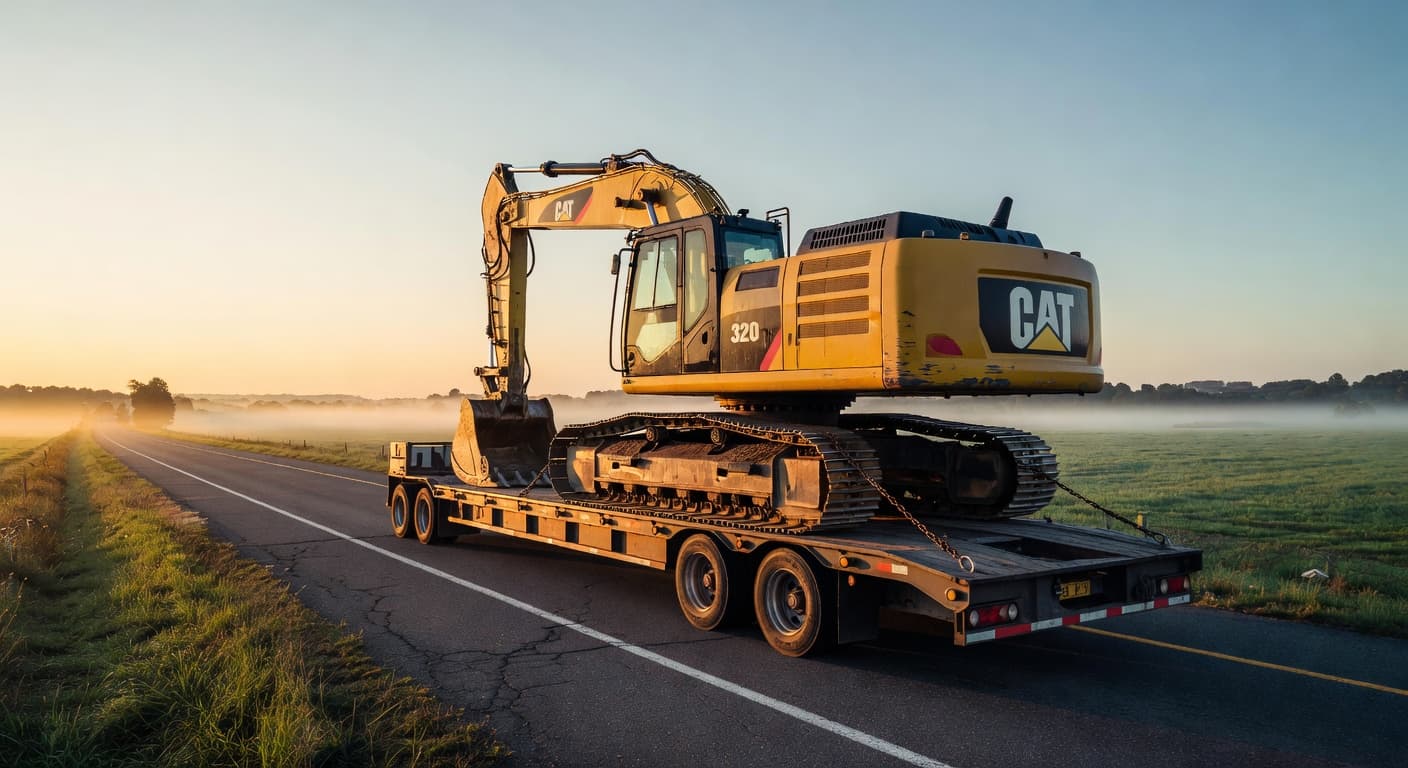
Typically covers heavy machinery like excavators, loaders, and generators against theft or damage at job sites and between them.

Installation Floater
Can help cover materials and fixtures from the moment you buy them until they are installed and accepted at a project.
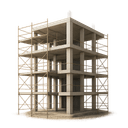
Builders Risk
May cover a structure under construction, along with materials on site, against damage from fire, wind, theft, and vandalism.
Inland Marine Insurance Cost in Aurora
Average Cost in Illinois
$20 - $95
per month
Businesses in Illinois typically see inland marine insurance premiums of $20 - $95 per month, which tends to run 4% below the national range of $20 - $100 per month.
- Total insured value of the scheduled property
- Type and age of the equipment
- Where it is stored and how far it travels
- Jobsite security and theft prevention
- Per-item limits and deductibles
- Prior theft and in-transit losses
Contact CPK Insurance for a personalized quote.
Prices shown are general estimates, not guaranteed rates or quotes. Your actual premium will depend on the insurer, coverage selected, business details, location, claims history, and other underwriting factors. Learn about our pricing methodology.
For Illinois buyers, inland marine insurance cost is shaped by real market conditions rather than a one-size-fits-all national average. Premiums vary by carrier, class of business, and the amount of mobile property insured.
Illinois weather is a major pricing consideration because the state has very high tornado risk and high severe storm, flooding, and winter storm hazards. Recent severe weather events can influence how carriers view mobile property exposure. In addition, Illinois has a broad carrier market, which means you have room to shop around and participating providers may price the same risk differently.
Your final price will also depend on the specific property you move. A contractor moving expensive equipment across multiple counties may see a different premium than a business that only occasionally transports smaller items. To evaluate cost, compare quotes side by side.
Industries & Insurance Needs in Aurora
Kane County's business mix changes the conversation because so much local work involves property that moves. The county has 13,441 business establishments, so landlords, general contractors, and commercial customers often expect clean certificates and clear schedules before work starts or property is handed over. The establishment mix also points to the exposures that show up most often: construction accounts for 12.3%, professional, scientific, and technical services 11.2%, and retail trade 10.6%. So the buyers who should review inland marine first are not just builders. It also includes firms carrying diagnostic equipment, installation tools, display property, or customer items between offices, vehicles, and temporary locations. If your operation touches any of those patterns, ask for a quote built around the property class itself, how it travels, and whether you need scheduled equipment, installation coverage, or protection for property in transit rather than relying on a broad assumption that your main property form follows everything everywhere.
What Makes Aurora Different
Mobility is the local difference. Here, many businesses do not keep tools, materials, and customer property in one place long enough for a fixed-address insurance approach to match real operations. A single week can involve pickup from a supplier, temporary staging at a shop or garage, transport to a customer location, and overnight storage in a vehicle or trailer before the job is finished. That pattern changes the buying calculus because the main issue is not building value, it is movement, custody, and temporary location. Aurora's median household income is $90,109, so many residential and small commercial jobs involve higher-value finishes, electronics, appliances, and specialty equipment that can raise the stakes if property is damaged, stolen, or misplaced while off premises. That is why a useful review focuses on item values, transit habits, unattended vehicle practices, and whether you ever hold property that belongs to a customer. If those details are vague, the quote usually is too.
Our Recommendation for Aurora
Start with a property map, not a generic application. List each category that leaves your main address, including tools, mobile equipment, installation materials, rented items, and any customer property in your care. Then note where each category is most exposed: in transit, at a temporary job site, in a trailer, or stored overnight in a vehicle. If values spike during certain projects, ask whether blanket limits are enough or whether key items should be scheduled individually. If you install products before final acceptance, review whether installation exposure should be separated from contractors equipment. If you use subcontractors, clarify whose policy responds when property is in their custody. Keep serial numbers, photos, and purchase records current so a claim file is easier to document. If your operation has grown from a single van to multiple crews or locations, request a fresh quote before renewal rather than assuming last year's inland marine setup still matches how property moves now.
Get Inland Marine Insurance in Aurora
Enter your ZIP code to compare inland marine insurance rates from carriers in Aurora, IL.
Business insurance starting at $25/mo
FAQ
Frequently Asked Questions
Aurora businesses that move tools, materials, display items, or customer property between locations should review it first. Kane County has 13,441 business establishments, which points to a dense local market where mobile property and job-to-job operations are common.
Aurora contractors often need a separate review because a fixed-location property policy may not respond the same way once equipment leaves the insured address. That matters if tools are staged at temporary sites, carried in vehicles, or left with a crew overnight.
Aurora retail and service firms often use inland marine for property that regularly travels between a shop, vehicle, and customer location. It is especially worth reviewing if you deliver merchandise, carry specialized equipment, or transport items that belong to clients.
Kane County's mix matters because construction is 12.3%, professional, scientific, and technical services 11.2%, and retail trade 10.6%. Those sectors often rely on mobile tools, equipment, and inventory, so your quote should match how property moves and where it is kept.
Aurora households may want to ask when valuables travel, are used away from home, or need item-specific treatment. The city's median household income is $90,109, so it is sensible to review whether higher-value personal property needs more precise off-premises protection.
It may help cover mobile business property such as tools, equipment, and other items while they are away from your fixed location, including at job sites, in transit, or in temporary storage, depending on the policy schedule and covered perils.
Goods in transit coverage is designed for property that is being moved over land between places, so the policy may list the items, their values, and the way they travel before you rely on it for a delivery or transfer.
If your equipment moves from site to site, contractors equipment insurance may fit better than a fixed-location property policy because it is meant for mobile property used across active work locations.
Sources
- 1.U.S. Census Bureau, County Business Patterns, Kane County(Kane County has 13,441 business establishments, so landlords, general contractors, and commercial customers often expect clean certificates and clear schedules before work starts or property is handed over.; The establishment mix also points to the exposures that show up most often: construction accounts for 12.3%, professional, scientific, and technical services 11.2%, and retail trade 10.6%.)
- 2.U.S. Census Bureau, ACS 5-Year Estimates, table B19013(Aurora's median household income is $90,109, so many residential and small commercial jobs involve higher-value finishes, electronics, appliances, and specialty equipment that can raise the stakes if property is damaged, stolen, or misplaced while off premises.)
Updated July 5, 2026





