







































Updated July 16, 2026

Workers Compensation Insurance in Aurora
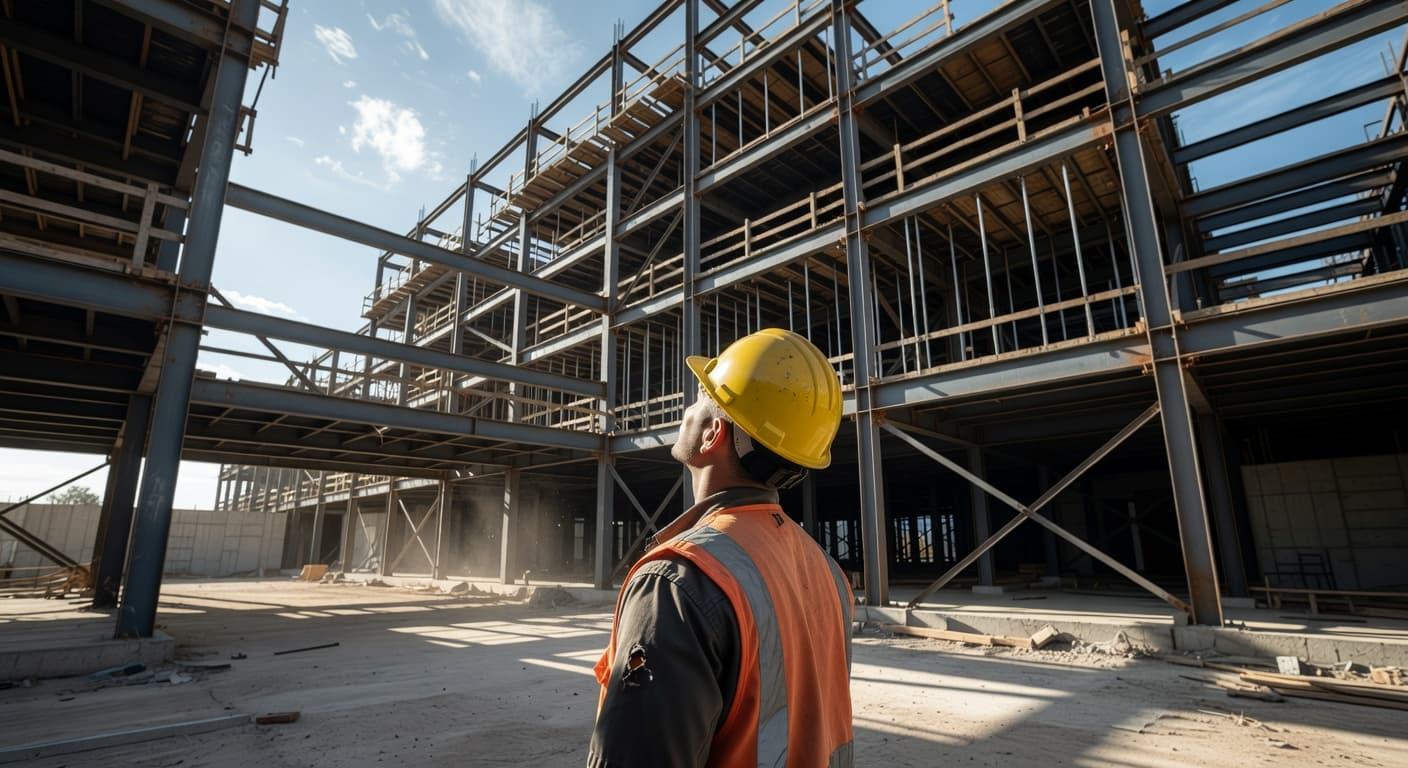
Construction drives much of the insurance conversation in Aurora. In Kane County, construction represents the largest share of business establishments, ahead of professional services at 11.2% and retail trade at 10.6%, so you are more likely than owners elsewhere to run field crews, supply jobsites, or support contractors with office and delivery staff. That mix matters because payroll carries different risks depending on who earns it. You may have estimators, project managers, warehouse hands, drivers, and clerical employees under one roof, and each role needs to be classified accurately before you bind coverage. Local businesses also move through certificates, subcontractor relationships, and hiring pressure quickly when work opens up. If your operation adds seasonal labor, uses leased workers, or shifts employees between shop, office, and field duties, ask for a quote built around those actual job functions, not a generic class code assumption.
Workers Compensation Insurance Risk Factors in Aurora
Aurora's top risk factors include Tornado damage, Hail damage, Severe storm damage, and Wind damage.
Illinois has a high climate risk rating. Top hazards: Tornado (Very High), Severe Storm (High), Flooding (High), Winter Storm (High). The state's expected annual loss from natural hazards is $3.2B, which influences workers compensation insurance premiums and may affect coverage availability in high-risk areas.
What Workers Compensation Insurance Covers
Your policy may help pay benefits when an employee has a work-related injury or illness, and the state framework centers on filing claims through the Illinois Department of Insurance. The core benefits included are medical expenses, lost wages, disability benefits, vocational rehabilitation, and death benefits. That means a covered employee can receive treatment, wage replacement, and rehab support without the claim turning on fault, which is especially important for employers managing active job sites, healthcare settings, or production floors. Employer liability coverage may also apply if a covered employee pursues a lawsuit tied to the workplace injury. Employers with one or more employees generally need coverage, while sole proprietors, partners, and corporate officers owning all stock are listed exemptions. Because Illinois has high tornado and severe storm exposure, safety planning and return-to-work coordination can affect how often claims interrupt operations, even though those weather risks are not separate covered losses under the policy.
Coverage Included

Medical Expenses
Helps cover approved medical treatment for work-related injuries

Lost Wages
Replaces approximately two-thirds of lost income

Disability Benefits
Temporary and permanent disability payments

Vocational Rehabilitation
Training to help injured employees return to work

Death Benefits
Financial support for dependents of deceased workers

Employers Liability
Helps protect against lawsuits from injured employees where workers comp benefits may not apply
Workers Compensation Insurance Cost in Aurora
Workers compensation insurance has no flat monthly sticker price. Insurers rate it per $100 of payroll, so the premium scales with what you actually pay your team.
Annual payroll
$100,000
example figure
Typical rate
$0.75 - $2.74
per $100 of payroll
Estimated premium
$750 - $2,740
per year
A business with $100,000 in annual payroll at a rate of $0.75 - $2.74 per $100 of payroll would see premiums of $750 - $2,740 per year. Construction and other manual classes rate toward the top of that range, while clerical work sits near the bottom. In North Dakota, Ohio, Washington, and Wyoming, employers buy this coverage from the state fund rather than from private carriers.
Prices shown are general estimates, not guaranteed rates or quotes. Your actual premium will depend on the insurer, coverage selected, business details, location, claims history, and other underwriting factors. Learn about our pricing methodology.
Your premium is influenced by payroll, employee classification codes, experience modification rate, claims history, state regulations, and industry risk level. Illinois sits above the national average on pricing pressure, which means your policy may react to how your staff is classified and how much payroll is assigned to each class. Office work generally prices lower than trades, while more hazardous job functions can move the quote upward quickly. The state's large healthcare and social assistance sector, along with manufacturing and retail, means carriers are used to evaluating mixed-risk payrolls, but they still price each class separately. Tornado, severe storm, flooding, and winter storm exposure can also affect operations and staffing continuity, which may indirectly influence claims patterns and premiums over time. If you are requesting a quote, the most useful inputs are accurate payroll, class codes, and a current view of your claims experience so the quote reflects your real risk instead of a rough estimate.
What Makes Aurora Different
That concentration of trade work shapes how employers approach coverage. Many local firms either perform trade work directly or operate alongside contractors, suppliers, and property service firms that expect clean proof of coverage before work starts. That matters for workers comp because the exposure is often mixed. A business may look like an office operation from the outside, but still have employees visiting jobsites, loading materials, making deliveries, or supervising subcontracted work. If your quote treats those duties too broadly or too narrowly, you can end up with avoidable audit friction later. Map each employee's real workday, separate clerical from field activity where appropriate, and review whether owner duties, part-time help, and subcontractor relationships are being described clearly before you purchase.
Our Recommendation for Aurora
Start with your payroll map, not your renewal date. If you have crews, drivers, warehouse staff, or office employees working across different duties during the year, ask your agent to walk through each role line by line and explain how those duties are being classified. Hiring and subcontracting can change quickly in a busy local market, so your policy should be ready for new certificates, added payroll, and midterm staffing shifts without guesswork. Aurora's median household income is $90,109, so a lost-time injury can strain a family faster here than in lower-wage markets where a replacement wage stretches further. That is one reason to review reporting procedures, return-to-work expectations, and who is responsible for documenting job changes before a claim happens. If anything in your operation has changed since last term, request a fresh quote and compare it against your current classifications and payroll assumptions.
Get Workers Compensation Insurance in Aurora
Enter your ZIP code to compare workers compensation insurance rates from carriers in Aurora, IL.
Business insurance starting at $25/mo
FAQ
Frequently Asked Questions
Mixed-duty firms need quotes built from actual job functions, not broad labels. Many local employers blend clerical, delivery, warehouse, and field work that each carry different exposure levels, so a single class code rarely tells the whole story.
Contractors should review employee duties, subcontractor relationships, and certificate requirements before binding. Local job opportunities and vendor demands can move quickly, so gather certificates of insurance from every subcontractor and confirm each worker's duties in writing rather than relying on job titles alone.
Employers should assume the local business mix affects how underwriters look at operations. In Kane County, the leading sectors are construction, professional services at 11.2%, and retail trade at 10.6%, so underwriters expect to see a range of duties within a single policy and may price accordingly.
Role changes often happen gradually, and a worker who now delivers materials, visits jobsites, or supervises crews may need different treatment than someone who remains strictly clerical. Catching those shifts before renewal can prevent audit surprises and premium adjustments that would otherwise arrive after the fact.
Employers should get a fresh quote after hiring, adding services, opening a warehouse function, or changing subcontractor use. If your operation looks different from last year, your classifications and payroll assumptions need a closer look before renewal.
If you have 1+ employees, workers compensation insurance is mandatory in Illinois. Sole proprietors, partners, and corporate officers owning all stock are listed exemptions, so the answer depends on your business structure and whether you have employees.
It can help cover medical expenses, lost wages, disability benefits, vocational rehabilitation, and death benefits for a covered workplace injury or occupational illness. Employer liability coverage may also apply if a claim turns into a lawsuit from an injured employee.
The average premium range starts at $55 to $270 per month, but the final cost depends on payroll, classification codes, EMR, claims history, and industry risk level. Your actual quote may fall above or below that range based on those factors.
Sources
- 1.U.S. Census Bureau, County Business Patterns, Kane County(In Kane County, construction accounts for 12.3% of business establishments, ahead of professional, scientific, and technical services at 11.2% and retail trade at 10.6%.)
- 2.U.S. Census Bureau, ACS 5-Year Estimates, table B19013(Aurora's median household income is $90,109.)
Updated July 16, 2026





