Updated July 16, 2026

Builders Risk Insurance in Chicago
Professional, scientific, and technical services lead the business mix in Cook County at 14.2%, ahead of health care and social assistance at 11.9% and retail trade at 10.1%. Those three sectors alone account for over a third of county establishments, which translates into steady renovation demand from clinics, offices, and storefronts that cannot absorb long delays or disputed change orders. Builders risk insurance in Chicago often gets reviewed through a tighter operational lens because of those constraints. Tenant improvement schedules, occupied-building logistics, lender draw timing, and material staging on constrained urban sites all shape the coverage conversation. In a county with 134,846 business establishments, owners, landlords, and commercial tenants expect documentation that matches the contract structure and the actual build sequence, not a generic form pulled together after work starts. If your project touches an occupied property, a street-facing retail buildout, or a professional office renovation, line up the named insureds and valuation method before the first major delivery. A precise quote request up front keeps lenders, owners, and upstream contractors from stalling your draw or access over documentation gaps.
Builders Risk Insurance Risk Factors in Chicago
Chicago's top risk factors include Tornado damage, Hail damage, Severe storm damage, and Wind damage.
Illinois has a high climate risk rating. Top hazards: Tornado (Very High), Severe Storm (High), Flooding (High), Winter Storm (High). The state's expected annual loss from natural hazards is $3.2B, which influences builders risk insurance premiums and may affect coverage availability in high-risk areas.
What Builders Risk Insurance Covers
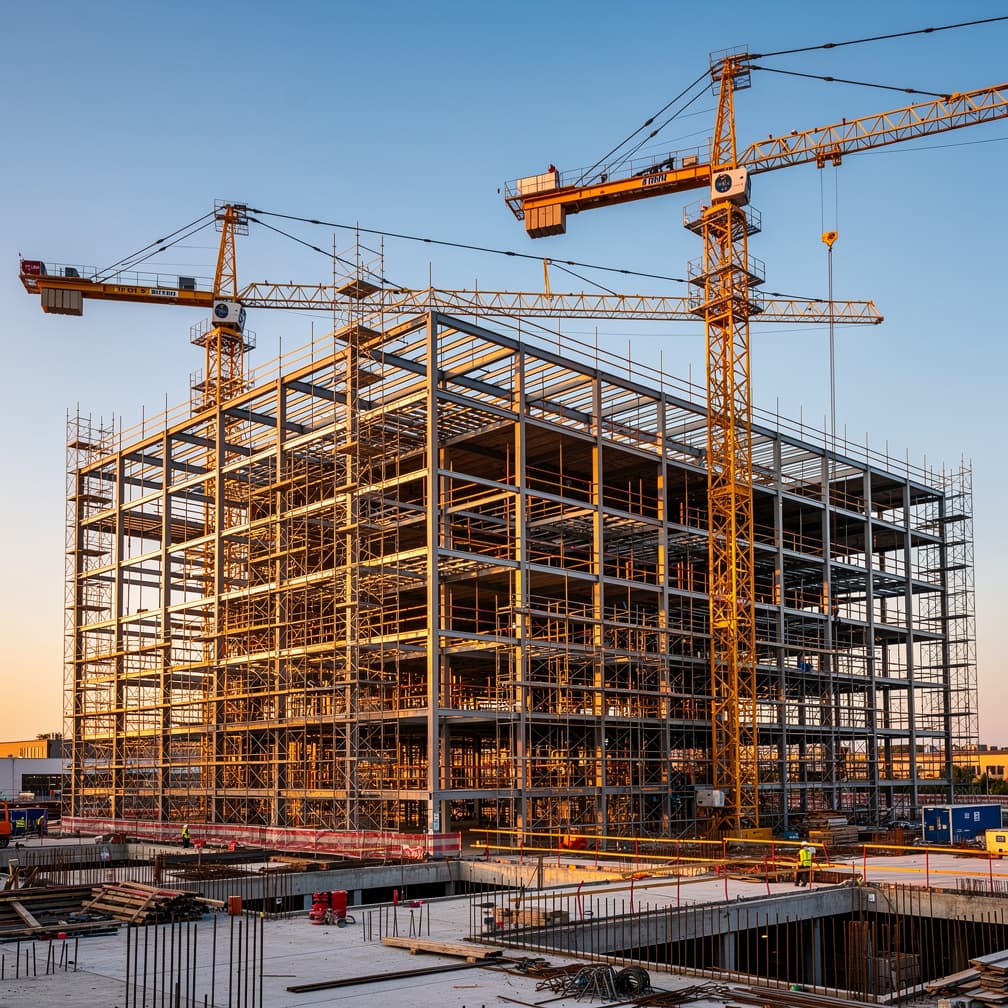
The useful review is not the basic definition of builders risk, it is the property schedule and the loss scenarios most likely to interrupt your job. Start with the structure being built, then work outward to the materials, fixtures, and equipment that are part of the project and may be stored on site, staged temporarily, or in transit if your form allows it. That distinction matters because phased deliveries often sit on site before installation, and how your policy treats that gap can affect a claim.
For a renovation, you should separate existing structure exposure from new work exposure before binding coverage. If the project ties new construction into an occupied building, ask how the policy treats damage to the work itself versus damage involving the pre-existing structure. That is often where owners and contractors assume the contract answers everything, even though the policy language still controls the claim.
You should also review whether delay-related expenses, debris removal, temporary protection, scaffolding, fencing, and theft-sensitive materials need to be scheduled or endorsed. On an Illinois project with a tight lender draw schedule, a covered loss can create more than repair cost, it can stall inspections, push subcontractor sequencing, and leave materials exposed longer than planned. If your job includes custom components, long-lead items, or owner-supplied materials, identify them early so the quote addresses how they are valued and where they are located before installation.
The practical step is to mark up your budget line by line and ask which items are intended to be insured under the builders risk form, which are handled elsewhere, and which need special attention before the first certificate request goes out.
Coverage Included

Structure Coverage
Covers the building or structure under construction.

Materials on Site
Covers building materials stored at the construction site.

Materials in Transit
Covers materials being transported to the job site.
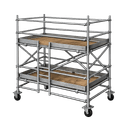
Temporary Structures
Covers scaffolding, fencing, and temporary buildings.

Soft Costs
Covers additional expenses from construction delays due to covered losses.

Equipment Coverage
Covers permanently installed fixtures and equipment.
What Makes Chicago Different
Occupied commercial renovation is the main thing that changes the calculus here. In many markets, this coverage is mostly about a ground-up schedule and a clean site perimeter. Around Chicago, a large share of projects involve buildouts, rehabs, and phased work tied to office users, health care spaces, and storefront operations. The county's business profile leans heavily toward professional services, health care, and retail, which means most local work happens inside buildings that are already open and operating. So your policy review should focus on what is already in the building, what materials are stored where, and whether delays would affect lease commencement, reopening dates, or financed improvements. If the job sits inside an active property, ask whether the form and endorsements fit partial occupancy and existing structure concerns. Interior buildout logistics carry more weight here than the assumptions you would make about a simple vacant job site.
Our Recommendation for Chicago
Start with the contract stack, not just the application. On a local project, compare the construction agreement, lease, lender requirements, and scope of work to see who is supposed to insure the project, who carries the deductible, and whether soft costs need to be scheduled. Chicago's median home value of $315,200 means a mid-range kitchen or bath project can carry enough installed value and owner-supplied materials to strain a generic limit. If you are improving a higher-income household property, the city's median household income is $75,134. Households in that bracket typically expect premium finishes and tight schedules with little patience for substitute materials. Ask for a quote review that tests valuation, covered property, and temporary storage against the actual draw schedule. Then confirm the certificate and policy wording match the parties that will be checking proof before funds or access are released.
Get Builders Risk Insurance in Chicago
Enter your ZIP code to compare builders risk insurance rates from carriers in Chicago, IL.
Business insurance starting at $25/mo
FAQ
Frequently Asked Questions
Chicago tenant buildouts hinge on contract responsibility. Work through who must insure improvements, whether the project sits in an occupied building, and whether reopening delays would create extra expense, then match the quote to that scope before materials arrive.
Chicago residential renovations can justify a closer look at completed value. With a median home value of $315,200, underestimating the project total can leave owner-supplied materials, installed work, or financed improvements short if a covered loss interrupts the job.
Cook County has 134,846 business establishments. A typical project here touches multiple parties who each want their own proof of insurance before releasing funds or granting access, which makes named insureds, project address details, and valuation method critical to confirm early.
Cook County's leading sectors are professional services, health care, and retail. That mix points to interior renovations and occupied-space work where storage, phased construction, and delay-sensitive schedules drive the coverage conversation.
Projects are often insured by the party the contract makes responsible, commonly the owner or general contractor. Before buying, match the named insured to the construction agreement and lender requirements so the entity with money at risk is reflected correctly.
Yes, because the risk is split between new work and the existing structure. If the building stays occupied during construction, ask how the policy treats that setup before materials arrive or demolition starts.
Lender-financed projects often require proof of coverage before funds are released. Review the loan documents early so insured value, policy term, and mortgagee wording are handled before closing instead of delaying the start of work.
Buyers should compare more than premium. Check the covered property categories, valuation approach, exclusions, policy term, extension process, and whether the quote matches the contract parties and lender wording required for the project.
Sources
- 1.U.S. Census Bureau, County Business Patterns, Cook County(Professional, scientific, and technical services lead the business mix in Cook County at 14.2%, ahead of health care and social assistance at 11.9% and retail trade at 10.1%.; In a county with 134,846 business establishments, owners, landlords, and commercial tenants often expect documentation that matches the contract structure and the actual build sequence.)
- 2.U.S. Census Bureau, ACS 5-Year Estimates, table B25077(Chicago's median home value is $315,200, so underinsuring completed value or major owner-supplied materials can leave a meaningful gap if a covered loss hits mid-project.)
- 3.U.S. Census Bureau, ACS 5-Year Estimates, table B19013(The city's median household income is $75,134, which can signal tighter finish expectations and less tolerance for reopening delays or substitute materials.)
Updated July 16, 2026