







































Updated July 16, 2026

Car Insurance in Chicago
Shopping for car insurance in Chicago is different from checking a state minimum box and moving on. You are usually comparing how carriers handle dense neighborhood driving, street parking, and daily use patterns specific to the city. A useful quote should reflect your overnight parking situation, your commute frequency, and a deductible you could genuinely afford after a loss. If you drive between North Side neighborhoods, downtown garages, and expressway traffic during the week, small rating details can move your quote more than many buyers expect.
Illinois has a high climate risk rating. Top hazards: Tornado (Very High), Severe Storm (High), Flooding (High), Winter Storm (High). The state's expected annual loss from natural hazards is $3.2B, which influences car insurance premiums and may affect coverage availability in high-risk areas.
What Car Insurance Covers
In Illinois, car insurance is shaped by regulatory oversight through the Illinois Department of Insurance and by the realities of local driving. Liability coverage is the foundation because Illinois drivers must carry at least the state-required auto minimums, and those minimums are the starting point for any quote review. If you are in an accident, collision can help pay for repairs to your vehicle. For non-collision losses such as tornado-related damage, severe storm events, flooding, or winter storm impacts that are common in the state's risk profile, comprehensive may help. Uninsured motorist coverage is especially relevant here because of the number of drivers without insurance, which can change how much protection you want. Medical payments can help with medical expenses after a crash. Rental reimbursement can matter if your car needs repairs after a claim and you still need transportation in cities like Chicago, Springfield, Rockford, or Champaign. A policy that works for a suburban commuter may not fit a high-mileage driver or someone parking in a higher-theft area. Illinois buyers should also remember that policy endorsements and coverage limits influence what is included, so reading the declarations page matters as much as the price.
Coverage Included

Liability
Can help pay for injuries and property damage you cause to others in an accident, coverage most states require drivers to carry.

Collision
Can help pay to repair or replace your car after a crash with another vehicle or object, regardless of fault.

Comprehensive
Typically covers damage to your car from events other than collisions, such as theft, hail, fire, flooding, or hitting an animal.

Uninsured Motorist
May pay for your injuries and, in some states, car damage when an at-fault driver has no insurance or too little.

Medical Payments
Can help cover medical bills for you and your passengers after an accident, no matter who was at fault.

Rental Reimbursement
May pay for a rental car while your vehicle is in the shop for repairs after a covered claim.
Car Insurance Cost in Chicago
Average Cost in Illinois
$85 - $210
per month
In Illinois, car insurance premiums typically run $85 - $210 per month, which tends to run 13% below the national range of $110 - $230 per month.
- Driving record and age
- Vehicle make, model, and year
- Location and commute distance
- Credit-based insurance score
- Coverage limits and deductibles
Contact CPK Insurance for a personalized quote.
Prices shown are general estimates, not guaranteed rates or quotes. Your actual premium will depend on the insurer, coverage selected, personal details, location, claims history, and other underwriting factors. Learn about our pricing methodology.
Illinois pricing is above the national average, with costs varying based on coverage limits, deductibles, claims history, location, and policy endorsements. Several factors can move cost up or down. Your coverage limits, deductible choices, claims history, location, and policy endorsements are all part of the price calculation. That matters in a state where accident frequency and the chance of having to respond to a costly claim are part of how carriers price policies. Winter storms, tornado exposure, flooding, and severe storms also affect comprehensive coverage pricing in many parts of the state, especially where weather-related losses are more common. Urban and suburban drivers around Chicago, Aurora, Joliet, Naperville, and Evanston may see different rates than drivers in smaller downstate communities because location is a pricing factor. Illinois also has a wide market of insurers competing for business, so a quote can vary widely from one carrier to another.
What Affects Car Insurance Rates in Chicago
Chicago buyers often need a more practical budget conversation than a statewide average can give you. The city's median household income is $75,134, so a workable policy review should look at total cost of risk, not just the monthly bill. If a higher deductible lowers premium but would be hard to fund after a crash, vandalism claim, or windshield loss, that tradeoff may not help you when you actually need the policy. This is also where payment plan structure, rental reimbursement, roadside assistance, and physical damage deductibles deserve a closer look. For some households, the better move is keeping stronger liability limits while adjusting optional features on an older car. For others, a financed vehicle means collision and comprehensive stay in place, so the decision shifts to deductible level and usage accuracy. Ask for side by side quotes with at least two deductible options and the same liability limits so you can compare the real difference clearly.
What Makes Chicago Different
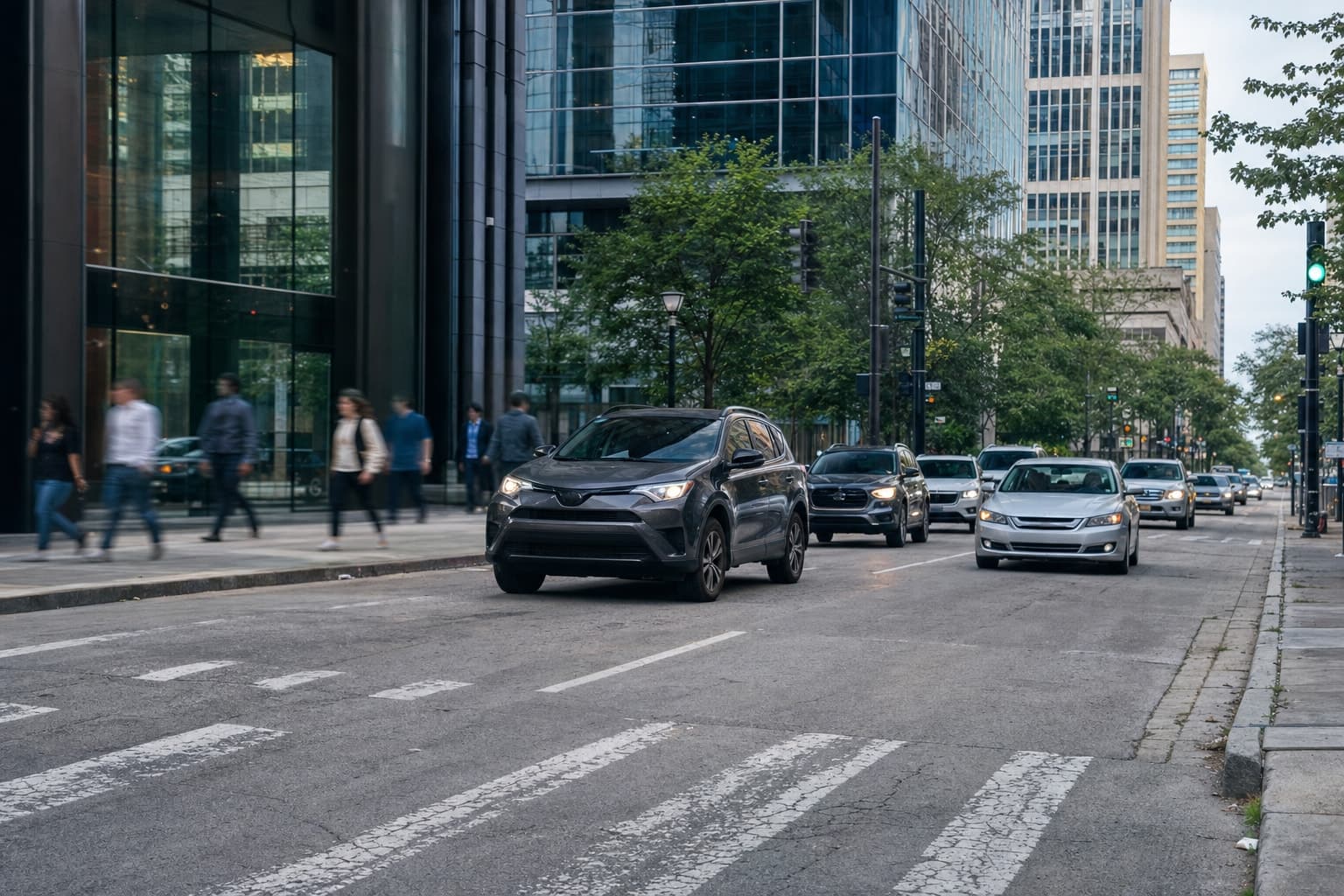
What changes the calculus here is the sheer volume of cars competing for the same pavement. Your quote depends heavily on how the vehicle is actually used and stored, whether that means curb parking on a busy street, a private garage, or short trips through heavy congestion. Two drivers with similar cars can see meaningfully different options once the key rating factors are entered correctly.
The local economy reinforces that need for accuracy. Cook County contains 134,846 business establishments across professional services, health care, and retail trade. That concentration means your daily route probably puts you in heavier, more consistent traffic than a suburban driver faces. Regular work related driving can push a policy into a different rating tier than occasional errands, which makes usage classification worth a careful review before you bind coverage. A policy built for last year's driving pattern can leave you paying for the wrong rating basis or missing options that fit better.
Our Recommendation for Chicago
Start with the details that most often change a local auto quote. Your garaging address and overnight parking arrangement come first, followed by annual mileage, your regular commute, and every licensed driver in the household. Review liability limits next, then focus on extras.
In a dense urban setting, low limits can become the weak point of your policy faster than many drivers expect. This is especially true if you carry assets, have a newer vehicle, or drive daily. If your car is paid off, compare the cost of keeping full coverage against the car's current value and your ability to replace it after a total loss. If you finance or lease, confirm lender requirements first. Ask for the same quote with more than one deductible so you can see whether the premium savings are worth the larger out of pocket exposure. If you have questions about complaint handling or policy rights, the Illinois Department of Insurance oversees carrier conduct in the state, and a quote review built around your actual driving habits is the right place to start.
Get Car Insurance in Chicago
Enter your ZIP code to compare car insurance rates from carriers in Chicago, IL.
Car insurance starting at $59/mo
FAQ
Frequently Asked Questions
Having your garaging address, annual mileage, driver list, current limits, VIN, and lienholder details ready makes Chicago quotes far more accurate. Precise information about storage and use patterns can change the quote enough that rough estimates often lead to poor comparisons.
Compare the premium change against what you could comfortably pay after a claim. The better deductible is the one you can actually fund without disrupting other bills or forcing you to delay needed repairs.
Cook County's 134,846 business establishments mean many residents drive regularly for commuting, shift work, and client visits, which can place a policy in a different rating category than purely personal use. Reviewing your annual mileage and use classification before you buy or renew helps the carrier see your true risk profile.
Update a policy whenever your work location, mileage, parking, or household drivers change. A quote built on an old commute or old garaging setup may distort the premium, which makes it harder to judge whether you are getting a fair deal.
Compare the car's current value, any loan or lease requirement, and the premium difference for collision and comprehensive. If the vehicle is older and paid off, the decision often comes down to replacement ability and deductible tolerance.
The right mix depends on how and where you drive. A commuter in heavy traffic may want stronger liability and uninsured motorist protection, while someone parking outdoors in a storm-prone area may prioritize comprehensive. The key is matching coverage to your actual daily risk rather than buying from a generic template.
Illinois drivers must carry auto insurance that meets the state's requirements, and those minimums should be verified with the Illinois Department of Insurance or your agent before you buy. The exact protection you choose can go beyond the minimums, especially if you want stronger liability coverage or added protection for a newer vehicle.
Car insurance costs in Illinois depend on coverage limits, deductibles, claims history, location, and endorsements. A driver in Chicago may see a different quote than a driver in Peoria or Springfield because location is part of the rating formula.
Sources
- 1.U.S. Census Bureau, ACS 5-Year Estimates, table B19013(Chicago median household income is $75,134.)
- 2.U.S. Census Bureau, County Business Patterns, Cook County(Cook County, which contains Chicago, has 134,846 business establishments, with leading sectors of professional, scientific, and technical services at 14.2%, health care and social assistance at 11.9%, and retail trade at 10.1%.)
- 3.Illinois Department of Insurance(Illinois Department of Insurance is Illinois's insurance regulator.)
Updated July 16, 2026





