








































Updated July 16, 2026

Commercial Truck Insurance in Chicago
Asking whether your policy in Chicago needs anything different from the rest of Illinois? It usually does, because local underwriting turns on dense delivery patterns, tight loading access, and the kind of customers you serve day after day. A box truck or straight truck here may spend more time backing into alleys, waiting at docks, and making short-stop runs through industrial corridors and neighborhood retail strips than covering long highway miles. That changes how you should present your operation to an underwriter. If your routes mix downtown deliveries, medical stops near major hospital campuses, and retail replenishment across the North, West, or South Side, your quote should capture the full picture: what you run, where it parks, how far it goes, what it carries, and who handles freight at either end. In Cook County, proof of liability, cargo terms, and hired or non-owned auto questions often come up before a vendor agreement or delivery contract is signed. Bring a current driver list, MVR review process, loss runs, and a clear description of where trucks park overnight, then compare terms before you renew or add units.
Commercial Truck Insurance Risk Factors in Chicago
Chicago's top risk factors include Tornado damage, Hail damage, Severe storm damage, and Wind damage.
Illinois has a high climate risk rating. Top hazards: Tornado (Very High), Severe Storm (High), Flooding (High), Winter Storm (High). The state's expected annual loss from natural hazards is $3.2B, which influences commercial truck insurance premiums and may affect coverage availability in high-risk areas.
What Commercial Truck Insurance Covers
Commercial truck insurance in Illinois is built around how your trucks actually move freight. The core pieces in this market usually include motor carrier liability, physical damage, cargo coverage, trailer interchange, bobtail coverage, and non-trucking liability insurance. That mix is important because a policy may need to support interstate hauling, local delivery, or a mixed fleet with various truck and trailer configurations.
Physical damage is especially relevant if your unit is exposed to hail, wind, winter road conditions, or flooding. Cargo insurance is usually a separate section of the policy and is shaped by the freight you move, the route, and the value of the load. Bobtail coverage and non-trucking liability may apply when the tractor is being driven outside dispatch or without a trailer, but the exact trigger depends on your policy wording.
Coverage Included

Motor Carrier Liability
Can help cover injuries and property damage your truck causes to others, a coverage federal regulators require most for-hire carriers to maintain.
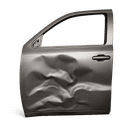
Physical Damage
Can help pay to repair or replace your own truck after an accident, fire, theft, or vandalism.
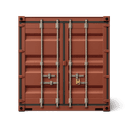
Cargo Coverage
May pay for damage to or theft of the freight you are hauling while it is in your care.
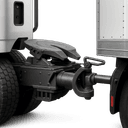
Trailer Interchange
Can help cover damage to trailers you haul under an interchange agreement but do not own.

Bobtail Coverage
May provide liability protection when you drive your tractor without a trailer attached, such as after dropping off a load.

Non-Trucking Liability
Can help cover accidents that happen when you use your truck for personal errands rather than dispatched work.
Commercial Truck Insurance Cost in Chicago
Average Cost in Illinois
$470 - $1,325
per month
Businesses in Illinois typically see commercial truck insurance premiums of $470 - $1,325 per month, which tends to run 18% above the national range of $400 - $1,125 per month.
- Radius of operation
- Commodities hauled and cargo value
- Number and value of power units
- Driver motor vehicle records and CDL experience
- DOT safety record, inspections, and FMCSA scores
- Liability limits and physical damage deductibles
Contact CPK Insurance for a personalized quote.
Prices shown are general estimates, not guaranteed rates or quotes. Your actual premium will depend on the insurer, coverage selected, business details, location, claims history, and other underwriting factors. Learn about our pricing methodology.
Premiums often move up when a truck runs through higher-risk corridors, hauls more valuable freight, or needs broader endorsements such as cargo insurance, trailer interchange, or motor carrier liability coverage. They can also rise with poor claims history, lower deductibles, or higher limits.
Illinois weather is a real pricing factor because tornado risk is rated very high, severe storm and flooding risk are high, and winter storm risk is high. The state also had 165 disaster declarations and 53 major disaster declarations on record. That history means a truck garaged in a repeated storm corridor will likely draw tighter underwriting and higher physical damage premiums than one parked in a lower-risk county. Your quote will usually reflect your truck type, operating radius, annual mileage, cargo class, deductible, endorsements, and claims history rather than just the vehicle itself.
What Makes Chicago Different
Density is what changes the calculus here. In a market built around frequent stops, shared loading zones, and customer-specific delivery requirements, the exposure is not just miles traveled. It is how often your drivers maneuver, idle, unload, and interact with third-party premises. That matters if you run dry van, refrigerated, box truck, contractor pickup, or last-mile equipment. The county containing Chicago includes 134,846 business establishments, and its largest shares are professional, scientific, and technical services at 14.2%, health care and social assistance at 11.9%, and retail trade at 10.1%. Roughly one in nine local businesses is a health care or social assistance site, and about one in ten is retail, so a large share of your stops likely involve customer premises where unloading exposure is highest. Ask for a quote built around stop frequency, delivery windows, cargo type, and whether drivers enter customer sites. Those details can affect liability, cargo, and physical damage terms more than a generic local radius label.
Our Recommendation for Chicago
Start with your schedule of vehicles and make it operational, not generic. When you list each unit, give the underwriter enough to see your actual work pattern: body type, stated value, garaging address, usual radius, commodities, and the delivery conditions each truck handles. If you use employee cars for errands or dispatch supervisors to customer locations, ask whether hired and non-owned auto should be reviewed alongside your truck policy. If your contracts require certificates quickly, confirm how COIs are issued and whether additional insured or waiver wording is available when needed. Chicago median household income is $75,134, and a single theft or physical damage claim can exceed what many households earn in a year. That makes deductible choice a real cash-flow decision, not just a premium lever. Review deductibles against monthly cash flow, check trailer interchange or cargo wording if you handle third-party property, and bring recent loss runs so underwriters price the account on actual controls rather than assumptions.
Get Commercial Truck Insurance in Chicago
Enter your ZIP code to compare commercial truck insurance rates from carriers in Chicago, IL.
Business insurance starting at $25/mo
FAQ
Frequently Asked Questions
The strongest submissions give the underwriter a clear operational picture: vehicle schedules, driver lists, garaging addresses, operating radius, commodities, and recent loss runs. Local underwriters usually want to know how often you make stops, where trucks park overnight, and whether drivers load, unload, or enter customer premises.
Underwriting focus often shifts toward maneuvering, backing, loading zones, and third-party premises exposure. If your trucks make frequent retail, office, or medical stops, ask the agent to describe the operation that way instead of using a broad radius label alone.
Local business contracts often require proof of coverage before work starts. Before you commit to a route or account, confirm certificate turnaround, required wording, and whether your policy can accommodate contract-driven requests so a paperwork gap does not cost you the job.
Routes serving medical offices, health care sites, and retail locations often involve repeated stops and customer property concerns. With health care and social assistance representing about one in nine county establishments and retail about one in ten, much of this freight involves customer-site unloading where cargo and liability exposure peaks. State cargo descriptions and unloading exposure clearly to underwriters so the quote reflects that reality.
Choose a deductible that fits cash flow, not just the lowest premium. With the city's median household income at $75,134, a high deductible can eat most of a month's take-home pay after a single theft or glass claim. Pick a number you can absorb without parking the truck.
It commonly includes motor carrier liability, physical damage, cargo coverage, trailer interchange, bobtail coverage, and non-trucking liability insurance.
The Illinois Department of Insurance regulates the market, and state commercial auto minimums are $25,000/$50,000/$20,000. Trucking liability needs can be higher depending on federal freight rules and shipper or broker requirements.
Cost per truck varies by limits, deductibles, claims history, location, endorsements, cargo type, route exposure, and the vehicles you insure.
Sources
- 1.U.S. Census Bureau, County Business Patterns, Cook County(The county containing Chicago includes 134,846 business establishments, and its largest establishment shares are professional, scientific, and technical services at 14.2%, health care and social assistance at 11.9%, and retail trade at 10.1%, so many trucking accounts here are tied to recurring service, supply, medical, and store delivery work rather than one simple lane.)
- 2.U.S. Census Bureau, ACS 5-Year Estimates, table B19013(Chicago median household income is $75,134, so theft-sensitive cargo, tools, and equipment left in vehicles can create a larger out-of-pocket problem for both your business and your drivers if deductibles are set too high.)
Updated July 16, 2026





