Updated July 16, 2026

Key Takeaways
- Compare liquor liability quotes using the same limits and the same description of your alcohol operations, then read exclusions and defense wording before you choose a policy.
- Ask whether assault and battery is included, limited, or excluded, especially if you operate late hours, use security, host events, or manage crowded service areas.
- Document ID checks, server training, incident logs, and cut-off procedures so your application and your claim file both support how you actually operate.
- Review contracts from landlords, venues, and event partners early so you can match liquor liability limits and certificate requirements before binding coverage.
- Separate host liquor questions from true liquor liability needs if alcohol is only furnished occasionally and not part of your regular business revenue.
Liquor Liability Insurance in Illinois
You are at the lease table for a new bar, restaurant, banquet hall, or package store, and the landlord slides over an insurance requirement before keys change hands. Liquor liability insurance in Illinois needs to line up with how alcohol is actually sold, served, monitored, and documented at your location. One claim can pull in your serving practices, incident logs, staff training, and contract language at the same time. If you run late hours, host private events, use security, or rely on third party promoters, your quote should be built around those details from the start. You also need to confirm who must be listed on certificates, whether your lease asks for primary and noncontributory wording, and how your policy works alongside general liability and any umbrella limits. Before you buy, gather your liquor operations details, your busiest service windows, and any venue or landlord insurance requirements so the coverage can be reviewed against the way you actually do business.
What Liquor Liability Insurance Covers
In Illinois, the useful question is not whether you sell alcohol, but where a claim is most likely to start in your operation. A neighborhood tavern with late night service, a restaurant with a busy bar program, a wedding venue pouring at private events, and a retailer selling sealed bottles all create different claim paths. Your review should focus on the points where alcohol service meets crowd control, age verification, security response, and transportation decisions after service ends.
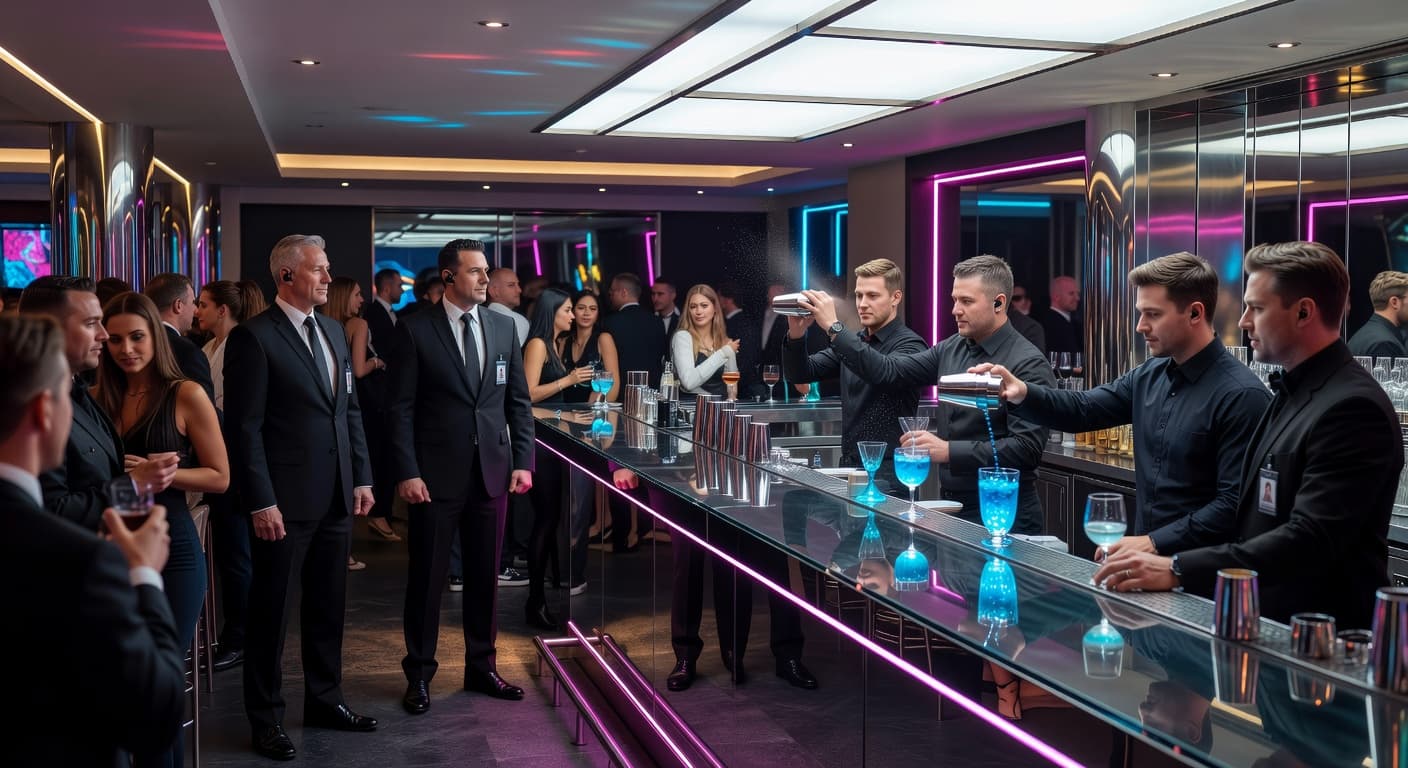
For many Illinois businesses, that means checking whether the policy is written for on premises service, off premises sales, catered events, temporary event activity, or some combination. If you host private parties, allow outside promoters, or use subcontracted bartenders, ask how those arrangements are treated and whether additional insured requests can be handled cleanly. If your operation has dance floors, live entertainment, bottle service, or security staff, those details should be disclosed up front because they can change underwriting appetite and the endorsements you need to request.
You should also review how the policy coordinates with your general liability, assault and battery wording if offered, and any umbrella or excess liability you carry. A claim can involve allegations about overservice, negligent supervision, premises conditions, or event management at the same time. That is why your application needs to match your real operations, your contracts, and your busiest service patterns before you purchase.
Bodily Injury Liability
Can help cover injuries an intoxicated patron causes to others after your business served or sold them alcohol.

Property Damage Liability
May pay for property damage caused by an intoxicated customer your establishment served, such as a car crash after leaving.

Assault & Battery
Can help cover claims arising from fights or physical altercations involving intoxicated patrons at your bar or restaurant.

Defense Costs
May pay for attorneys, court fees, and related legal expenses when your business is sued over an alcohol-related incident.

Host Liquor Liability
Can help cover alcohol-related claims from events where you host or serve drinks without selling them, like company parties.
Liquor Liability Insurance Requirements in Illinois
- Illinois liquor operations with private events, promoters, or outside bartenders should be described in detail so underwriting matches who actually controls service.
- If your lease asks for certificate wording beyond standard proof of coverage, confirm that request before purchase rather than after binding.
- A restaurant that shifts into a bar heavy operation on weekends should be quoted on that fuller exposure, not weekday traffic alone.
- Retail alcohol sales, tastings, and catered service create different underwriting questions, so separate each activity clearly on the application.
How Much Does Liquor Liability Insurance Cost in Illinois?
Average Cost in Illinois
$50 - $240
per month
Businesses in Illinois typically see liquor liability insurance premiums of $50 - $240 per month, which tends to run close to the national range of $50 - $240 per month.
- Share of sales that comes from alcohol
- Type of venue and how late you serve
- Server training and service procedures
- State dram shop law
- Liquor liability limits selected
- Prior over-service or assault claims
Contact CPK Insurance for a personalized quote.
For Illinois buyers, liquor liability pricing usually moves with exposure, not with a simple one size fits all rate. Underwriters look closely at what percentage of your receipts come from alcohol, how late you serve, whether you have entertainment, how often you host special events, and whether your business is primarily a restaurant, bar, venue, retailer, or caterer. A package store with sealed sales only is evaluated differently from a nightclub with security at the door and a crowded weekend floor plan.
Many businesses see premiums from $50 to $240 per month, depending on alcohol sales volume, hours of service, claims history, limits, deductibles, event exposure, and the controls you use to manage service. In practical terms, that means a smaller restaurant with limited bar sales might budget toward the low end, while a late night venue with frequent private events should expect the higher end. Your actual quote can shift if your lease requires higher limits, if you need certificates issued quickly for multiple events, or if your operation includes promoters, DJs, security vendors, or temporary service locations.
To get a usable Illinois quote, prepare the details underwriters actually rate. Include annual alcohol receipts, closing time, occupancy, security procedures, ID checking process, staff training approach, prior claims, and whether you need liquor liability written with general liability or as a separate placement. If you guess on those items, the price you see first may not be the price you can bind. A cleaner submission usually produces faster, more reliable options to compare.
Prices shown are general estimates, not guaranteed rates or quotes. Your actual premium will depend on the insurer, coverage selected, business details, location, claims history, and other underwriting factors. Learn about our pricing methodology.
Request a Quote Comparison
Enter your ZIP code to compare liquor liability insurance rates from top carriers.
Business insurance starting at $25/mo
Who Needs Liquor Liability Insurance?
In Illinois, this coverage matters most for businesses whose revenue or event model depends on alcohol being available to customers or guests. That includes bars, restaurants with meaningful bar sales, taverns, nightclubs, breweries with taprooms, wineries, banquet halls, wedding venues, caterers, mobile bartending operations, and retailers whose business plan includes alcohol sales. When a landlord, venue contract, distributor agreement, or event organizer asks for proof of coverage, the timeline gets tight fast.
You should also look closely at your exposure if alcohol is not your main product but still changes the risk of the event. A music venue, private club, golf facility, bowling center, or entertainment space can create a very different liability profile once service extends into evenings, crowds grow, and third parties are involved in promotion or security. In those settings, the practical issue is whether your policy setup matches the way alcohol is offered and who controls service decisions.
Illinois buyers should not assume every alcohol related exposure is handled the same way across business models. A caterer serving at changing locations, a venue allowing outside bartenders, and a retailer adding tastings all need their operations described accurately before coverage is placed. If alcohol is part of how you attract customers, close bookings, or satisfy lease terms, it is worth reviewing your setup before the next renewal, event contract, or opening date.
Liquor Liability Insurance by City in Illinois
Liquor Liability Insurance rates and coverage options can vary across Illinois. Select your city below for localized information:
How to Buy Liquor Liability Insurance
Start with the documents that create your insurance obligations in Illinois, because your lease, event contracts, vendor agreements, and any certificate wording a landlord or venue manager has already requested often tell you more about the limits and endorsements you need than a generic application does. If a contract asks for additional insured status or specific certificate language, raise that before quoting so you can confirm whether the request is realistic and how it affects placement.
Next, build a clean operating summary. Include your business type, alcohol sales mix, hours of service, occupancy, entertainment schedule, security arrangements, ID checking procedures, and whether you host private events or use third party bartenders. If you have multiple revenue streams, separate them clearly. Underwriters want to know the role alcohol plays in your business model, not just that it exists.
Then request quotes with enough detail to compare terms, not just price. Ask whether the policy is being written for your exact service model, whether event activity is included, how certificates are handled, and whether any exclusions or restrictive wording could conflict with your lease or booking contracts. If you need general liability, property, or umbrella coverage as well, review the package together so there are fewer gaps between policies. If you are replacing existing coverage, line up the effective date, current certificates, and any upcoming events before canceling the old policy. That helps you avoid a paperwork gap right when a landlord, client, or venue asks for proof of insurance.
How to Save on Liquor Liability Insurance
The most reliable way to control liquor liability cost in Illinois is to make your operation easier for an underwriter to understand. Break out alcohol receipts, describe your service model accurately, and explain whether you are a restaurant with incidental bar sales, a dedicated bar, a venue with private events, or a retailer with sealed sales only. Clear submissions reduce the chance that a carrier prices for a riskier class than the one you actually run.
You can also save by tightening the parts of the operation that drive claim concern. Document your ID checking process, incident reporting, staff supervision, security procedures, and event controls. If you use door staff, promoters, or outside bartenders, show how responsibilities are assigned in writing. If you host private events, keep contracts consistent and require vendors to provide their own certificates where appropriate. Those steps do not guarantee a lower premium, but they can improve how your account is viewed.
Another practical move is to review limits and policy structure before renewal instead of accepting last year's setup automatically. A landlord may ask for higher limits than you carried before, or your business may have added entertainment, later hours, or off site events that change the exposure. Shopping early gives you time to compare terms, correct application details, and decide whether combining liquor liability with other business policies makes sense. If you want a sharper quote, send current loss information, your lease requirements, and a short narrative of operations together. That usually produces cleaner comparisons than asking for a fast estimate with missing details.
Our Recommendation for Illinois
For Illinois buyers, the strongest purchase decision usually comes from matching the policy to the way alcohol moves through your business, not from chasing the lowest number first. If your operation changes by day of week, say so. A restaurant that becomes a crowded bar on weekends should be presented that way. A venue that hosts weddings, corporate events, and public ticketed nights should separate those exposures clearly.
Landlords and event partners often ask for certificates on short notice, and some requests go beyond standard wording. It is easier to solve that before purchase than after a policy is issued. If you use third party security, promoters, or bartending vendors, make sure your agreements assign responsibilities clearly and that your insurance review reflects those relationships.
You should also ask how the policy fits with your general liability and any umbrella coverage. Claims involving alcohol service can overlap with premises allegations, security issues, and event operations. A coordinated review helps you spot gaps before a renewal deadline or opening date. Keep your application consistent with your real hours, entertainment, and event activity, then request a quote based on those facts rather than a rough estimate.
FAQ
Frequently Asked Questions
Landlords and venues often drive the buying process because they may ask for certificates, additional insured status, or specific wording before granting access. Review those documents first so your quote matches the contract you actually have to satisfy.
Underwriters usually look at the role alcohol plays in your business model, not just the business label. A restaurant with incidental bar sales is often reviewed differently from a tavern with late service, entertainment, and heavier alcohol driven traffic.
Disclose weddings, private parties, ticketed events, and any use of outside bartenders or promoters. Those details can change underwriting, endorsements, and certificate handling, so leaving them out can create problems at binding or claim time.
Retailers with sealed bottle sales are usually evaluated differently from businesses serving drinks on site. The quote should reflect whether alcohol is consumed elsewhere, whether tastings occur, and how much of your revenue comes from alcohol sales.
The Illinois Department of Insurance regulates carrier licensing and handles consumer complaints about policy disputes. If you run into issues with a carrier or need to verify a license, that is where you can turn for help.
Quotes move faster when you provide alcohol receipts, hours of service, occupancy, event activity, security procedures, prior claims, and any lease insurance requirements together. A complete submission gives underwriters fewer reasons to pause or reclassify the risk.
Venues often benefit from reviewing both policies together because alcohol related claims can overlap with premises, security, and event management allegations. Looking at the policies side by side helps you catch gaps before a contract or renewal deadline.
U.S. businesses that sell, serve, or distribute alcohol should review liquor liability insurance. That usually includes bars, restaurants, breweries, wineries, liquor stores, caterers, hotels, and event venues, especially when alcohol service is part of normal operations rather than an occasional event.
Sources
- 1.Illinois Department of Insurance(Illinois insurance questions are overseen by the Illinois Department of Insurance.)
Updated July 16, 2026