







































Updated July 16, 2026

Commercial Truck Insurance in Joliet
Intermodal freight density is the sharpest difference here. A truck policy for this market is often judged less by simple mileage and more by how often your units move between warehouses, yards, and customer docks in the same day. If you are shopping for commercial truck insurance in Joliet, that operating pattern matters because underwriters will want a clearer picture of radius, trailer interchange, cargo handling, and where vehicles sit between loads. Will County has 16,904 business establishments, and transportation and warehousing accounts for 11.7% of them, which means roughly one in nine local businesses is a potential shipper or receiver your trucks may be backing into. In practical terms, your trucks are cycling through the same congested facilities day after day, and each visit adds backing, loading-area, and trailer handling exposure that a mileage number alone will not capture. That is a fundamentally different buying problem than a truck that runs one predictable lane all week, because the risk compounds with every dock appointment rather than with every mile. You will usually get a more usable quote if you bring your garaging address, typical lanes, unit list, driver roster, and any shipper or broker insurance requirements to the application instead of treating this like a standard business auto renewal.
Commercial Truck Insurance Risk Factors in Joliet
Local risk here is shaped by stop frequency and yard exposure more than by a single weather story. Trucks that spend the day backing into loading areas, waiting at distribution sites, or dropping and hooking trailers create a different claims pattern than equipment that stays on long highway runs. That usually affects how you should review physical damage deductibles, hired and non-owned auto if dispatchers or staff move vehicles, and trailer interchange if you pull non-owned trailers. The practical issue is **downtime**: a minor yard loss can still interrupt contracted pickups, delay a route, and create pressure from customers expecting tight delivery windows. Ask for the quote to separate liability, physical damage, cargo, and any trailer-related coverage so you can see where the real exposure sits. If your operation mixes local delivery with regional hauling, say that clearly, because the split can change how an underwriter views use, storage, and driver routines.
Illinois has a high climate risk rating. Top hazards: Tornado (Very High), Severe Storm (High), Flooding (High), Winter Storm (High). The state's expected annual loss from natural hazards is $3.2B, which influences commercial truck insurance premiums and may affect coverage availability in high-risk areas.
What Commercial Truck Insurance Covers
Commercial truck insurance in Illinois is built around how your trucks actually move freight. The core pieces in this market usually include motor carrier liability, physical damage, cargo coverage, trailer interchange, bobtail coverage, and non-trucking liability insurance. That mix is important because a policy may need to support interstate hauling, local delivery, or a mixed fleet with various truck and trailer configurations.
Physical damage is especially relevant if your unit is exposed to hail, wind, winter road conditions, or flooding. Cargo insurance is usually a separate section of the policy and is shaped by the freight you move, the route, and the value of the load. Bobtail coverage and non-trucking liability may apply when the tractor is being driven outside dispatch or without a trailer, but the exact trigger depends on your policy wording.
Coverage Included

Motor Carrier Liability
Can help cover injuries and property damage your truck causes to others, a coverage federal regulators require most for-hire carriers to maintain.
Physical Damage
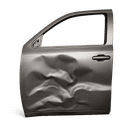
Can help pay to repair or replace your own truck after an accident, fire, theft, or vandalism.
Cargo Coverage
May pay for damage to or theft of the freight you are hauling while it is in your care.
Trailer Interchange
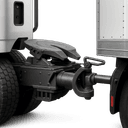
Can help cover damage to trailers you haul under an interchange agreement but do not own.

Bobtail Coverage
May provide liability protection when you drive your tractor without a trailer attached, such as after dropping off a load.

Non-Trucking Liability
Can help cover accidents that happen when you use your truck for personal errands rather than dispatched work.
Commercial Truck Insurance Cost in Joliet
Average Cost in Illinois
$470 - $1,325
per month
Businesses in Illinois typically see commercial truck insurance premiums of $470 - $1,325 per month, which tends to run 18% above the national range of $400 - $1,125 per month.
- Radius of operation
- Commodities hauled and cargo value
- Number and value of power units
- Driver motor vehicle records and CDL experience
- DOT safety record, inspections, and FMCSA scores
- Liability limits and physical damage deductibles
Contact CPK Insurance for a personalized quote.
Prices shown are general estimates, not guaranteed rates or quotes. Your actual premium will depend on the insurer, coverage selected, business details, location, claims history, and other underwriting factors. Learn about our pricing methodology.
Premiums often move up when a truck runs through higher-risk corridors, hauls more valuable freight, or needs broader endorsements such as cargo insurance, trailer interchange, or motor carrier liability coverage. They can also rise with poor claims history, lower deductibles, or higher limits.
Illinois weather is a real pricing factor because tornado risk is rated very high, severe storm and flooding risk are high, and winter storm risk is high. The state also had 165 disaster declarations and 53 major disaster declarations on record. That history means a truck garaged in a repeated storm corridor will likely draw tighter underwriting and higher physical damage premiums than one parked in a lower-risk county. Your quote will usually reflect your truck type, operating radius, annual mileage, cargo class, deductible, endorsements, and claims history rather than just the vehicle itself.
Industries & Insurance Needs in Joliet
County business mix changes the insurance conversation because it points to who your counterparties are and how they transfer risk. In Will County, the leading sectors by establishment share are health care and social assistance at 11.8%, transportation and warehousing at 11.7%, and construction at 11.2%. That mix matters if you haul medical supplies, building materials, equipment, or time-sensitive freight between warehouses and jobsites, because each customer type may ask for different certificates, limits, or contract wording before a truck is dispatched. It also means your policy should be reviewed against the actual freight you move, not just the vehicle class on the declarations page. If you serve several of those sectors, ask for the quote to reflect your main commodities, loading practices, and whether drivers cross docks, jobsites, or care-related facilities during deliveries.
What Makes Joliet Different
How your trucks cycle through local facilities, how often they enter customer-controlled premises, and whether your contracts push liability requirements beyond a basic filing are what shape the underwriting decision. In many places, a trucking account can be underwritten around long runs and a stable operating radius. Here, the harder question is whether a fleet with short, repeated trips is picking up more backing and loading-area exposure than its mileage suggests. A clean submission usually starts with unit details and garaging, then layers in driver information, commodities, radius, and copies of any broker, shipper, or terminal insurance requirements so the underwriter sees the full picture rather than a partial one. If your current policy was built around a simpler route pattern, review whether it still matches drop-and-hook work, non-owned trailers, and the amount of idle time equipment spends at yards or docks.
Our Recommendation for Joliet
If one unit stays on regional lanes and another spends most of its time on short warehouse turns, ask for those uses to be discussed separately instead of assuming one rating approach fits the whole schedule. Review whether you need coverage for non-owned trailers, cargo terms that fit the freight you accept, and physical damage deductibles you can absorb without sidelining a truck. If customers send insurance requirements with load tenders or service agreements, provide those before quoting so you can catch limit or wording issues early. Joliet buyers should also check where vehicles are parked overnight, who has permission to move them, and whether any owner-operators or leased drivers create a gap between contract language and policy structure. The point is to match the policy to your actual routes, contracts, and downtime tolerance before the next certificate request or claim tests it.
Get Commercial Truck Insurance in Joliet
Enter your ZIP code to compare commercial truck insurance rates from carriers in Joliet, IL.
Business insurance starting at $25/mo
FAQ
Frequently Asked Questions
Joliet trucking companies usually get a cleaner quote by gathering unit details, driver lists, garaging addresses, typical lanes, commodities, and any broker or shipper insurance requirements. That gives the underwriter enough to price dock work, trailer use, and customer contract demands rather than defaulting to a generic business auto setup.
Joliet owner-operators often need a closer review if loads involve frequent warehouse pickups, drop-and-hook work, or non-owned trailers. Those details can affect whether coverage for non-owned trailers, cargo terms, and physical damage deductibles fit the way you actually operate.
Will County matters because it has 16,904 business establishments, creating a broad base of shippers, vendors, and delivery points. More shippers tend to mean more certificate requests and more varied contract terms, so bring customer insurance requirements into the quote process early.
Health care and social assistance is 11.8% of Will County establishments, transportation and warehousing 11.7%, and construction 11.2%, so your freight is likely touching at least one of those three sectors on a regular basis. Each sector brings different delivery sites, commodities, and contract language that can push your limits or endorsements in directions a standard policy may not anticipate.
Joliet businesses should ask about it whenever drivers pull trailers they do not own or leave equipment at customer sites. That is especially important for operations built around short turns, yard moves, and repeated dock appointments during the week.
It commonly includes motor carrier liability, physical damage, cargo coverage, trailer interchange, bobtail coverage, and non-trucking liability insurance.
The Illinois Department of Insurance regulates the market, and state commercial auto minimums are $25,000/$50,000/$20,000. Trucking liability needs can be higher depending on federal freight rules and shipper or broker requirements.
Cost per truck varies by limits, deductibles, claims history, location, endorsements, cargo type, route exposure, and the vehicles you insure.
Sources
- 1.U.S. Census Bureau, County Business Patterns, Will County(Will County has 16,904 business establishments.; Transportation and warehousing accounts for 11.7% of county establishments.; In Will County, the leading sectors by establishment share are health care and social assistance at 11.8%, transportation and warehousing at 11.7%, and construction at 11.2%.)
Updated July 16, 2026





