Updated July 16, 2026

Dealer Open Lot Insurance in Joliet
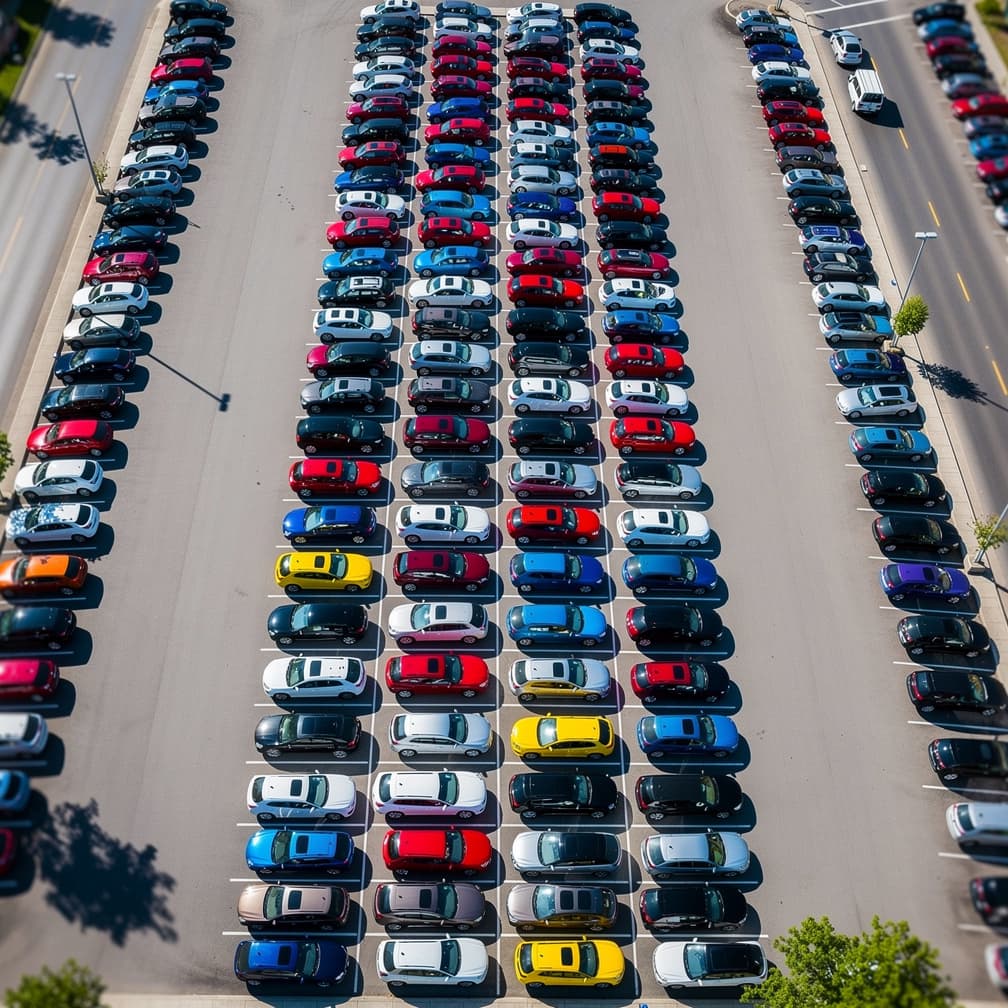
Your lots likely range from compact frontage displays to secondary storage yards across mixed retail-industrial parcels. Inventory turns with commuter traffic and weekend shoppers, so your exposure is not just how many units you own but where they sit overnight and how often they are repositioned. Test drives, vehicle staging, and after-hours lot security all become practical factors in any quote review when buyers come from nearby neighborhoods, the wider Will County trade area, and major regional routes.
Dealer Open Lot Insurance Risk Factors in Joliet
Here, the local issue is how inventory is physically spread across visible sales frontage and secondary parking or storage space. A dealership with vehicles packed tightly along a main corridor faces a different loss scenario than one using a deeper fenced parcel behind the office, even if the unit count is similar. Review whether your quote distinguishes **front-line display vehicles** from overflow units, and whether lighting, fencing, gate control, and key procedures are described the way you actually use them. Illinois hazard patterns are part of the background, but the city-specific question is operational: where are vehicles parked, who has access after hours, and how quickly can you identify which units were at each address on a given date. If you move inventory between lots during the week, keep current location schedules and dated inventory reports ready before you request terms.
Illinois has a high climate risk rating. Top hazards: Tornado (Very High), Severe Storm (High), Flooding (High), Winter Storm (High). The state's expected annual loss from natural hazards is $3.2B, which influences dealer open lot insurance premiums and may affect coverage availability in high-risk areas.
What Dealer Open Lot Insurance Covers
A dealer open lot policy may help cover vehicles you hold for sale against physical damage from theft, weather, fire, and vandalism. What matters is how your inventory is actually arranged and moved. A dealership with one fenced lot presents a different exposure than an operation using a back lot, a service-area holding row, and temporary overflow storage during buying spikes. That is why your coverage review should map each place where sale units sit, who has access, and when vehicles leave the main premises.
You should also look closely at how the policy treats ordinary dealership handling. That includes employee movement around the lot, transfers between scheduled locations, and any short-term storage arrangement that is easy to overlook during the application. If your operation mixes front-line inventory with units waiting on reconditioning, ask for clear treatment of those vehicles so there is less ambiguity if a claim happens before the car is retail-ready.
Weather patterns also make claim documentation important. If multiple units are damaged in one event, you want a process for proving which vehicles were on hand, where they were parked, and what their values were at the time of loss. Good photos, timestamped inventory reports, and consistent key control can matter as much as the policy form itself when a claim is adjusted.
If you are comparing forms or claim handling language, keep your questions specific and tied to the wording you are being offered. Ask for a line-by-line review of location schedules, valuation method, deductibles, and any exclusions tied to unattended vehicles, offsite storage, or employee use before you bind coverage.
Coverage Included

Weather Damage
Covers hail, wind, flood, and storm damage to lot inventory.
Theft Protection
Covers vehicles stolen from your lot.

Fire Damage
Covers fire and explosion damage to inventory vehicles.

Vandalism
Covers intentional damage to vehicles on your lot.
Test Drive Coverage
Covers vehicles during customer and employee test drives.
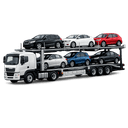
Transit Coverage
Covers vehicles being moved between lot locations.
Industries & Insurance Needs in Joliet
Will County business density changes how a local dealer should think about customer mix and vehicle movement. The county has 16,904 business establishments, so commercial buyers, contractors, and service firms can be part of the market alongside household shoppers, and that can shift inventory toward pickups, vans, and work-ready units that carry different values and storage priorities. The county's leading sectors are health care and social assistance at 11.8%, transportation and warehousing at 11.7%, and construction at 11.2%, so ask whether your reporting and valuation process is strong enough for work vehicles that may be equipped, upfitted, or priced differently from standard passenger inventory. If your lot regularly carries units aimed at those trades, organize values by vehicle type and storage location before quoting, rather than sending one undifferentiated inventory total.
What Makes Joliet Different
Joliet's customer base runs toward working vehicles as much as family sedans, and that shapes what sits on your lot. You may have a mix of commuter cars, cargo vans, and pickups, with some units staged for visibility and others parked where space is cheaper or more secure. Joliet median household income is $88,026, so a typical shopper here may be financing a late-model SUV rather than shopping the bargain row. When replacement values run higher, accurate unit-level reporting matters more at every valuation change. The useful question is not whether you have this coverage at all. It is whether the schedule, valuation method, and location details match the way your inventory is actually merchandised and stored across the local market.
Our Recommendation for Joliet
Build your inventory review address by address rather than rolling everything into one total. Match each location, whether it is your main display lot, an overflow yard, or service-area parking that temporarily holds sale units, to current counts and values. Flag trucks, vans, and other higher-value trade units separately so the quote reflects the mix you actually sell. Review your after-hours controls in practical terms, including lighting, fencing, camera coverage, key storage, and who is authorized to move vehicles. If your records are updated only at month-end, tighten that process before shopping quotes.
Get Dealer Open Lot Insurance in Joliet
Enter your ZIP code to compare dealer open lot insurance rates from carriers in Joliet, IL.
Business insurance starting at $25/mo
FAQ
Frequently Asked Questions
Bring a current inventory list organized by address, with values tied to each location and notes on how often units move. That gives the quote a real footprint to work from instead of treating separate storage areas like one undifferentiated lot.
Pickups, vans, and other work-oriented units can carry different values and storage priorities than standard passenger cars. If those vehicles are part of your regular stock, break them out clearly before you request a quote.
Will County has 16,904 business establishments, so a Joliet dealer's customer base may tilt toward commercial and trade buyers rather than purely retail shoppers. That is a reason to review whether your policy setup matches the kinds of vehicles you actually keep for sale.
Will County's leading sectors are health care and social assistance at 11.8%, transportation and warehousing at 11.7%, and construction at 11.2%. In plain terms, roughly one in three county jobs sits in fields that rely on trucks and vans, so documenting unit values and locations carefully helps keep your schedule honest.
With median household income at $88,026, many buyers can be shopping vehicles with higher replacement values than a basic budget lot carries. Updating your inventory valuations before renewal or a new quote is worth the effort because stale numbers can leave a gap between what a unit costs to replace and what your policy actually schedules.
Buyers get better quote results when they prepare a current inventory schedule, confirm every storage address, and document key control and after-hours access. Keep your review focused on policy wording, disclosures, and how each location is scheduled before you bind.
Dealerships should list each location where sale inventory is stored, including overflow or secondary space. If a quote assumes one address but vehicles regularly sit elsewhere, you can create avoidable claim questions later.
Dealers should not assume an older setup still fits after adding overflow storage. A new address, different security controls, or regular vehicle transfers can change how the risk is underwritten and how a claim is reviewed.
Sources
- 1.U.S. Census Bureau, County Business Patterns, Will County(Will County has 16,904 business establishments, so commercial buyers, contractors, and service firms can be part of the market alongside household shoppers.; The county's leading sectors are health care and social assistance at 11.8%, transportation and warehousing at 11.7%, and construction at 11.2%, so dealers should organize values by vehicle type and storage location before quoting.)
- 2.U.S. Census Bureau, ACS 5-Year Estimates, table B19013(Joliet median household income is $88,026, so accurate unit-level reporting matters when many buyers are shopping practical late-model vehicles with meaningful replacement values.)
Updated July 16, 2026