







































Updated July 16, 2026

Inland Marine Insurance in Joliet
Inland marine insurance in Joliet often comes up when property leaves a main address and starts moving through yards, vans, trailers, and temporary job sites. Transportation and warehousing ranks among the largest business sectors in Will County, right alongside health care and construction. A contractor staging equipment for a short project, a medical supplier moving diagnostic devices between facilities, or a distributor carrying customer goods for delivery all face property exposures that shift by stop, handoff, and storage point. Health care and social assistance accounts for 11.8% of establishments in the county, transportation and warehousing 11.7%, and construction 11.2%, which means roughly one in nine local businesses works in a sector where property regularly travels. Those three sectors share a common thread: property regularly sits somewhere other than a permanent address, which means a local quote should be built around what travels, who has custody, and how often items sit off premises before installation or return. If your operation touches any of those workflows, review your equipment schedule, transit values, and temporary storage habits before you ask for terms.
Inland Marine Insurance Risk Factors in Joliet
Joliet's top risk factors include Tornado damage, Hail damage, Severe storm damage, and Wind damage.
Illinois has a high climate risk rating. Top hazards: Tornado (Very High), Severe Storm (High), Flooding (High), Winter Storm (High). The state's expected annual loss from natural hazards is $3.2B, which influences inland marine insurance premiums and may affect coverage availability in high-risk areas.
What Inland Marine Insurance Covers
Inland marine insurance is designed for business property that is mobile, in transit over land, or kept away from your main premises. That includes tools and equipment used on job sites, goods in transit between locations, contractors equipment, installation floater exposures for materials being installed, and builders risk coverage for certain construction-related property. The coverage follows the property to temporary storage, customer locations, and active work sites, which is important in a state where severe storms, tornadoes, flooding, and winter weather can interrupt work and damage portable property.
Illinois does not impose a special statewide mandate for inland marine itself, but coverage requirements may vary by industry and business size. Policy terms, endorsements, and covered perils can differ by carrier, so businesses should read the schedule of property carefully instead of assuming every tool or material is automatically included. A standard policy may respond to theft, damage, vandalism, or other covered perils while the property is away from your fixed location, but the exact terms depend on the policy. If equipment is left at a Springfield job site or materials are staged in temporary storage near Chicago, the policy language and limits determine whether the loss is within scope. Buyers should also watch for exclusions tied to how the item is stored, how it is transported, and whether the carrier requires specific valuation or security details.
Coverage Included
Tools & Equipment
Can help repair or replace hand tools, power tools, and gear that are stolen or damaged on the job or in transit.

Goods in Transit
May cover products, materials, and merchandise while they are being shipped or hauled between locations in your care.
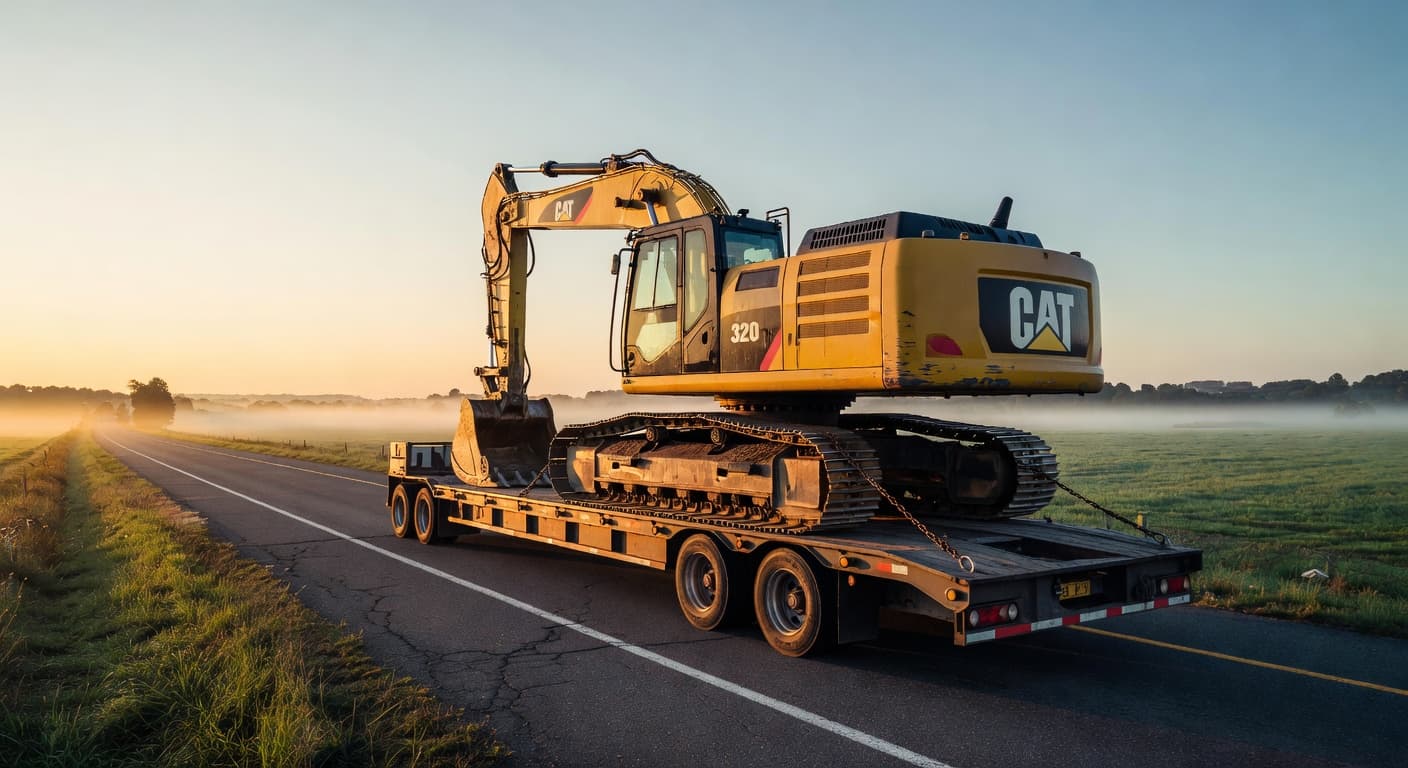
Contractors Equipment
Typically covers heavy machinery like excavators, loaders, and generators against theft or damage at job sites and between them.

Installation Floater
Can help cover materials and fixtures from the moment you buy them until they are installed and accepted at a project.

Builders Risk
May cover a structure under construction, along with materials on site, against damage from fire, wind, theft, and vandalism.
Inland Marine Insurance Cost in Joliet
Average Cost in Illinois
$20 - $95
per month
Businesses in Illinois typically see inland marine insurance premiums of $20 - $95 per month, which tends to run 4% below the national range of $20 - $100 per month.
- Total insured value of the scheduled property
- Type and age of the equipment
- Where it is stored and how far it travels
- Jobsite security and theft prevention
- Per-item limits and deductibles
- Prior theft and in-transit losses
Contact CPK Insurance for a personalized quote.
Prices shown are general estimates, not guaranteed rates or quotes. Your actual premium will depend on the insurer, coverage selected, business details, location, claims history, and other underwriting factors. Learn about our pricing methodology.
For Illinois buyers, inland marine insurance cost is shaped by real market conditions rather than a one-size-fits-all national average. Premiums vary by carrier, class of business, and the amount of mobile property insured.
Illinois weather is a major pricing consideration because the state has very high tornado risk and high severe storm, flooding, and winter storm hazards. Recent severe weather events can influence how carriers view mobile property exposure. In addition, Illinois has a broad carrier market, which means you have room to shop around and participating providers may price the same risk differently.
Your final price will also depend on the specific property you move. A contractor moving expensive equipment across multiple counties may see a different premium than a business that only occasionally transports smaller items. To evaluate cost, compare quotes side by side.
What Makes Joliet Different
Will County holds 16,904 business establishments, and transportation and warehousing sits near the top of the local mix, so your property is more likely to pass through third-party hands here than in a market built around fixed-location retail. You may need to separate owned equipment from customer property, identify whether tools stay in vehicles overnight, and decide if installation exposure starts before final signoff. Construction firms, health care suppliers, and distributors all need to ask where property is most vulnerable: in transit, at a temporary location, or while waiting for the next handoff. Build your quote around that exact chain of custody.
Our Recommendation for Joliet
Start with a property map, not a generic application. Write down what leaves your premises, the highest value in any one vehicle or trailer, the biggest amount stored at a temporary site, and any customer property you pick up, repair, install, or deliver. An underwriter learns more from a specific inventory of what moves and where it stops than from a broad revenue figure. If you use subcontractors, rented equipment, or borrowed devices, ask how those items are treated before a loss forces the question. Service firms handling customer property should review valuation, documentation, and any limits that apply away from your main location, because replacement expectations can be less forgiving when specialized items are delayed or damaged. Before binding, compare the schedule against your busiest week, not your average one.
Get Inland Marine Insurance in Joliet
Enter your ZIP code to compare inland marine insurance rates from carriers in Joliet, IL.
Business insurance starting at $25/mo
FAQ
Frequently Asked Questions
List the property that actually travels: tools, mobile equipment, materials, and any customer items in your care. Items sitting in a vehicle or at a staging site face different risks than property locked inside your building, so transit and handoff details belong in your application.
Your quote should reflect where materials and equipment sit between use, not just where they are owned. Temporary storage and job-to-job movement are common exposures to review, since a standard property policy may not follow gear to a second site.
Shared loading areas and third-party handling are part of daily operations for many firms here. Mapping custody at each stop helps separate your own property from customer property and avoids relying on a fixed-location assumption.
When devices, supplies, or loaned equipment move between locations, that movement should be described clearly. A gap between locations can leave expensive equipment unprotected during the minutes or hours it spends in transit, so the policy needs to follow it door to door.
It may help cover mobile business property such as tools, equipment, and other items while they are away from your fixed location, including at job sites, in transit, or in temporary storage, depending on the policy schedule and covered perils.
Goods in transit coverage is designed for property that is being moved over land between places, so the policy may list the items, their values, and the way they travel before you rely on it for a delivery or transfer.
If your equipment moves from site to site, contractors equipment insurance may fit better than a fixed-location property policy because it is meant for mobile property used across active work locations.
Premiums are influenced by coverage limits, deductibles, claims history, location, industry risk, and endorsements, and Illinois pricing is also shaped by the state's above-average premium index and severe weather exposure.
Sources
- 1.U.S. Census Bureau, County Business Patterns, Will County(In the county containing Joliet, health care and social assistance accounts for 11.8% of establishments, transportation and warehousing 11.7%, and construction 11.2%.; In the county containing Joliet, there are 16,904 business establishments.)
- 2.U.S. Census Bureau, ACS 5-Year Estimates, table B19013(Joliet's median household income is $88,026.)
Updated July 16, 2026





