Updated July 16, 2026

On-Hook Towing Insurance in Joliet
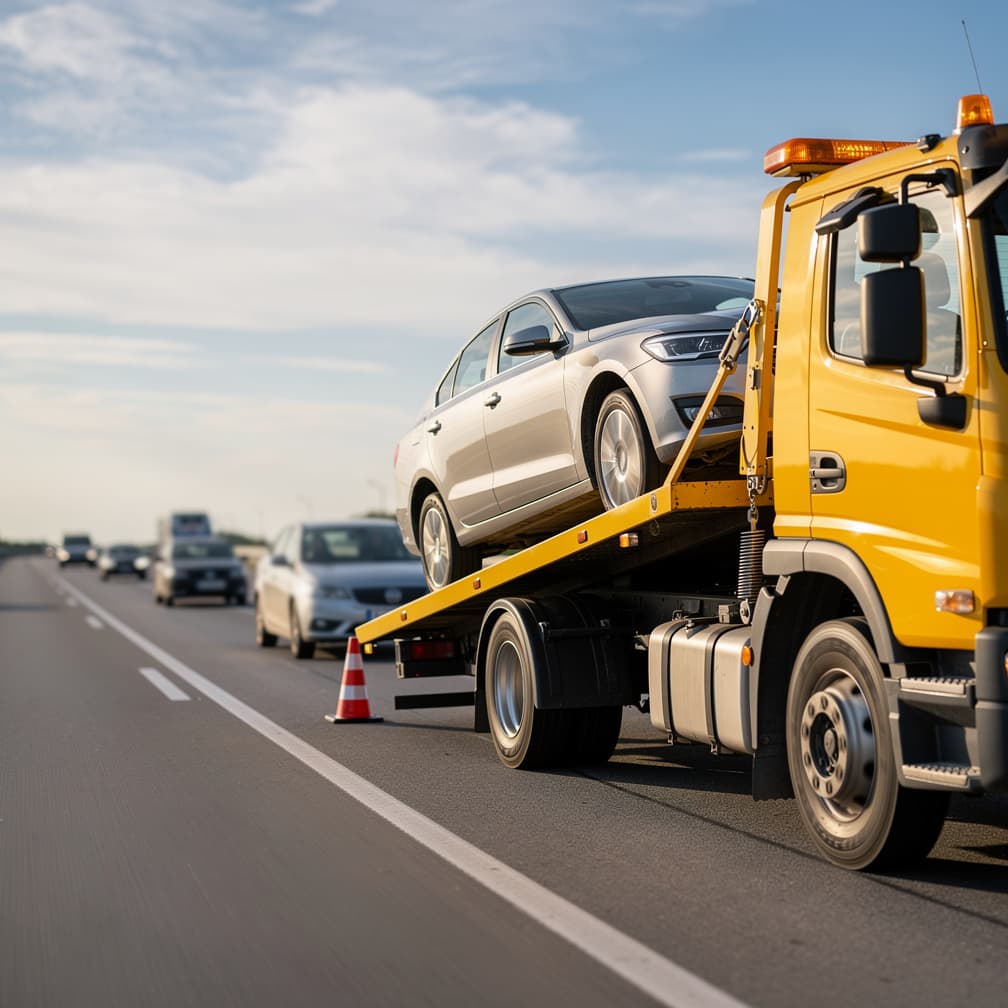
On-hook towing insurance matters the moment your driver is loading a disabled sedan near the courthouse or pulling a wrecked pickup off a busy arterial. The details that determine whether a claim gets paid or denied live in loading, unloading, winching, storage transitions, and documentation after a handoff.
On-Hook Towing Insurance Risk Factors in Joliet
Joliet's top risk factors include Tornado damage, Hail damage, Severe storm damage, and Wind damage.
Illinois has a high climate risk rating. Top hazards: Tornado (Very High), Severe Storm (High), Flooding (High), Winter Storm (High). The state's expected annual loss from natural hazards is $3.2B, which influences on-hook towing insurance premiums and may affect coverage availability in high-risk areas.
What On-Hook Towing Insurance Covers
Illinois buyers usually get the most value from this review by focusing on situations like winter recoveries, tight urban pickups, and disputed handoffs where damage allegations are hardest to defend. The practical question is whether your policy terms line up with how your drivers secure vehicles, where they pick them up, and what condition those vehicles are already in before the tow starts.
That matters here because a claim often turns on the handoff details. A vehicle pulled from a tight city alley, a disabled SUV loaded during freezing rain, or a low-clearance car moved from a parking structure can all produce different damage allegations even though each job is still a tow. You want to review how the policy addresses loading and unloading steps, wheel-lift versus flatbed work, and whether any vehicle types or job types are limited, excluded, or subject to special conditions.
You should also look closely at the evidence your insurer will expect after a loss. Pre-tow photos, dispatch notes, signed condition reports, hookup procedures, and destination receipts can all matter if a customer says the damage happened while the vehicle was in your care. If your operation handles police work, private property impounds, dealer moves, or after-hours roadside calls, ask for those workflows to be reflected in the underwriting submission so the quote matches the exposure. Confirm the covered towing methods, the claim reporting steps, the deductible you can absorb without straining cash flow, and any endorsements needed for the mix of work you actually accept each week.
Coverage Included

Collision on Hook
Covers damage to towed vehicles from collisions during transport.
Comprehensive on Hook
Covers theft, fire, and weather damage to vehicles being towed.
Loading & Unloading
Covers damage during the process of loading and unloading vehicles.
Winching Coverage
Covers damage to vehicles during winching and recovery operations.
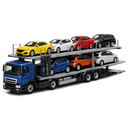
Multiple Vehicle
Covers all vehicles on multi-car carriers and rollback flatbeds.
Industries & Insurance Needs in Joliet
County industry mix is the practical difference here. In Will County, health care and social assistance account for 11.8% of establishments, transportation and warehousing 11.7%, and construction 11.2%. That mix means local towing work often involves time-sensitive employee vehicles, service trucks, vans, and work pickups rather than only private passenger cars. For an insurance buyer, that changes the review. You may need to think harder about the value of vehicles you tow, whether equipment is modified, how often you recover units from job sites or commercial lots, and whether after-hours dispatch is routine. It also affects paperwork. Commercial customers usually expect cleaner certificates, clearer incident reporting, and faster claim notice when a vehicle is damaged while hooked or being winched. Bring a current vehicle list, your common tow types, and any contracts that shift responsibility at pickup, transport, or storage.
What Makes Joliet Different
The commercial vehicle mix here changes the calculus. Will County has 16,904 business establishments. Picture your driver hooking a contractor's F-250 at 4:45 on a Friday while the site supervisor watches the clock and the truck's owner starts filming on his phone. A hooked vehicle may belong to a contractor, delivery operation, medical office staff member, or warehouse-linked business where downtime carries a direct cost. Valuation disputes, exclusions tied to certain vehicle types or uses, and whether your policy language lines up with flatbed work, wheel-lift work, recovery, and yard transfers deserve a close read. If your book includes commercial accounts, ask your agent to walk through your highest-value routine tow before you bind or renew.
Our Recommendation for Joliet
Start with your real dispatch map rather than a generic application, noting where your calls actually cluster. Downtown routes, industrial corridors, medical offices, apartment complexes, and contractor yards each create different risk profiles, and a recovery job in a tight apartment lot carries different exposure than a straightforward highway shoulder pickup. Once a loss involves a customer unit in tow, pickup conditions and vehicle use become the facts that decide the claim. From there, separate your routine work by vehicle class, including personal autos, work pickups, vans, and any heavier commercial units you agree to move. That exercise helps you test whether your limit still makes sense for the vehicles you actually hook. Households in the area report a median income of $88,026. A scratched wheel on a late-model SUV can cost more to resolve than three months of your towing premium. Ask for sample claim scenarios and confirm what records, photos, and driver notes you should keep on every tow.
Get On-Hook Towing Insurance in Joliet
Enter your ZIP code to compare on-hook towing insurance rates from carriers in Joliet, IL.
Business insurance starting at $25/mo
FAQ
Frequently Asked Questions
Area towing often intersects with county business traffic. A broad local employer base means you may be towing more work vehicles, vendor units, and employee cars, which makes limit selection and claim documentation worth a closer review.
Repair shops should review how coverage applies during pickup, transport, unloading, and movement into storage or service areas. If towing supports your repair operation, the exposure starts before the vehicle reaches your bay and can continue through handoff.
List the vehicles you actually tow most often, including personal autos, contractor pickups, vans, and fleet units. County sectors include transportation and warehousing at 11.7% and construction at 11.2%. Roughly one in nine local jobs sits in each of those two sectors, so expect more loaded work trucks and contractor vans on your hook than a typical suburban route would produce.
Vehicle owners and tow operators both feel the effect of higher-value claims. When a customer's daily driver is a $50,000 SUV, a tow bill dispute can turn into a four-figure damage claim before anyone picks up the phone.
Police rotation work often brings stricter contract review and more claim scrutiny once a vehicle is in your care. You should review whether your limits, towing methods, and documentation process may need to match the assignments you accept before joining or renewing a rotation agreement.
Weather can complicate loading, winching, and unloading, especially when visibility and road conditions are poor. That makes pre-tow photos, driver notes, and clear dispatch records more important if a customer later disputes when damage occurred.
Insurance complaints are handled through the Illinois Department of Insurance, the state's insurance regulator. If you are comparing policies or reviewing a claim issue, confirm producer licensing, policy documents, and complaint options through that department.
Repair shops can need this review if they tow customer vehicles as part of daily operations. The key issue is not your company label. It is whether a customer's vehicle is attached to your truck or carried by it during transport.
Sources
- 1.U.S. Census Bureau, County Business Patterns, Will County(Will County has 16,904 business establishments, so your truck is often handling vehicles tied to vendors, fleets, employees, and customer appointments where delays and damage disputes can escalate quickly.; In Will County, health care and social assistance account for 11.8% of establishments, transportation and warehousing 11.7%, and construction 11.2%.)
- 2.U.S. Census Bureau, ACS 5-Year Estimates, table B19013(Joliet households report a median household income of $88,026, so many customer vehicles may carry enough value that even a modest damage dispute becomes expensive to handle casually.)
Updated July 16, 2026