







































Updated July 16, 2026

Builders Risk Insurance in Naperville
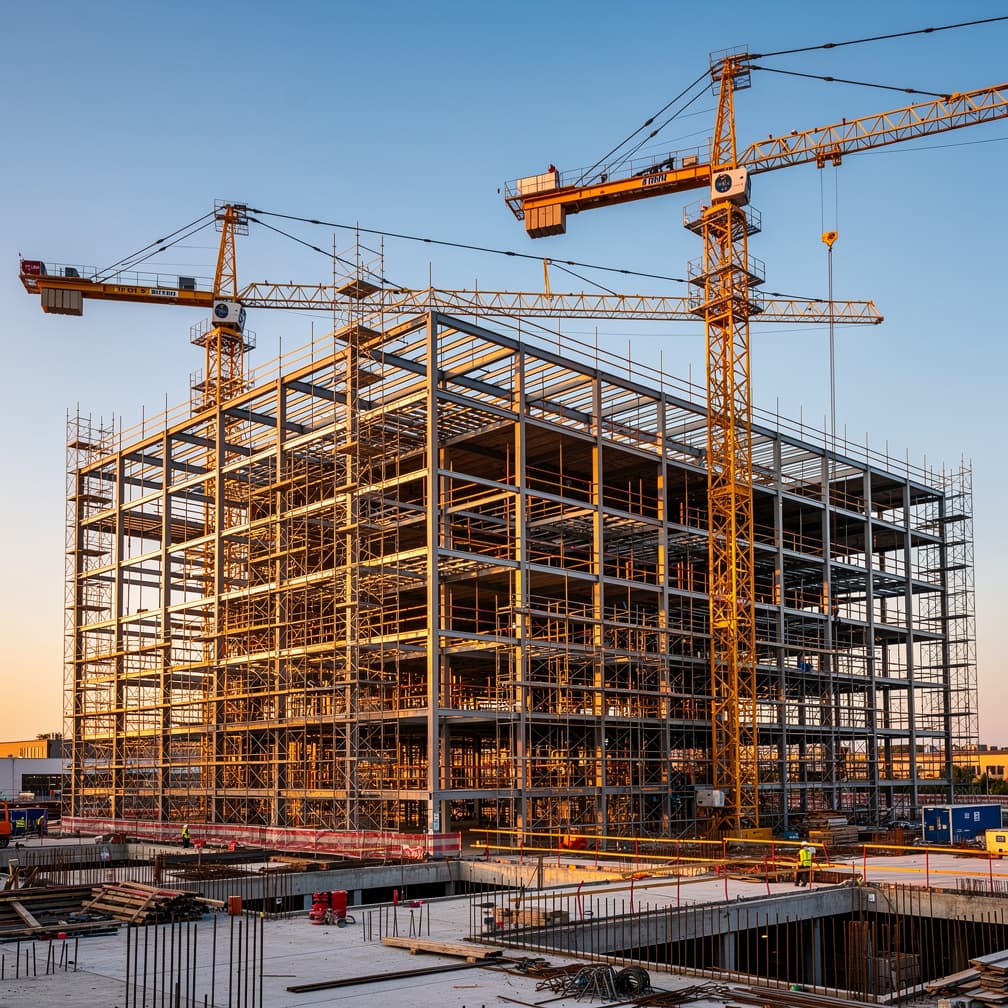
In a tighter local market, placement often turns on how clearly you present the project before materials arrive. Fewer carriers may want certain renovation or custom residential risks, and lenders, owners, and general contractors often expect clean proof of coverage that matches the contract value and build schedule. Builders risk insurance in Naperville usually goes more smoothly when your submission is specific about the address, scope, security, and who is responsible for materials before installation. Local projects also tend to involve higher property values and closer scrutiny of finish selections, change orders, and draw timing.
Builders Risk Insurance Risk Factors in Naperville
Naperville's top risk factors include Tornado damage, Hail damage, Severe storm damage, and Wind damage.
Illinois has a high climate risk rating. Top hazards: Tornado (Very High), Severe Storm (High), Flooding (High), Winter Storm (High). The state's expected annual loss from natural hazards is $3.2B, which influences builders risk insurance premiums and may affect coverage availability in high-risk areas.
What Builders Risk Insurance Covers
The useful review is not the basic definition of builders risk, it is the property schedule and the loss scenarios most likely to interrupt your job. Start with the structure being built, then work outward to the materials, fixtures, and equipment that are part of the project and may be stored on site, staged temporarily, or in transit if your form allows it. That distinction matters because phased deliveries often sit on site before installation, and how your policy treats that gap can affect a claim.
For a renovation, you should separate existing structure exposure from new work exposure before binding coverage. If the project ties new construction into an occupied building, ask how the policy treats damage to the work itself versus damage involving the pre-existing structure. That is often where owners and contractors assume the contract answers everything, even though the policy language still controls the claim.
You should also review whether delay-related expenses, debris removal, temporary protection, scaffolding, fencing, and theft-sensitive materials need to be scheduled or endorsed. On an Illinois project with a tight lender draw schedule, a covered loss can create more than repair cost, it can stall inspections, push subcontractor sequencing, and leave materials exposed longer than planned. If your job includes custom components, long-lead items, or owner-supplied materials, identify them early so the quote addresses how they are valued and where they are located before installation.
The practical step is to mark up your budget line by line and ask which items are intended to be insured under the builders risk form, which are handled elsewhere, and which need special attention before the first certificate request goes out.
Coverage Included

Structure Coverage
Covers the building or structure under construction.
Materials on Site
Covers building materials stored at the construction site.

Materials in Transit
Covers materials being transported to the job site.
Temporary Structures
Covers scaffolding, fencing, and temporary buildings.

Soft Costs
Covers additional expenses from construction delays due to covered losses.

Equipment Coverage
Covers permanently installed fixtures and equipment.
What Makes Naperville Different
With a median home value of $509,900, even a single custom kitchen or whole-home remodel can put a meaningful amount of property in transit, in storage, or on site. That means a kitchen alone could involve six figures of cabinetry and appliances before a single cabinet is hung. Take time to pin down real replacement costs rather than working from a ballpark figure. The median household income of $150,937 also means owners may choose upgraded materials and longer punch lists. In practical terms, your material budget could run two or three times what a standard finish package costs, and the insured amount needs to reflect that gap. Ask whether soft costs, temporary storage, and ordinance-related delays belong in the policy before work starts.
Higher residential property values shift the conversation toward bigger material budgets and tighter scrutiny from lenders. A project does not need to be a ground-up custom home for the insured value to climb quickly. Renovation budgets, finish packages, and owner expectations can push the amount at risk well beyond a basic remodel estimate. If the insured value falls short of what is actually staged on site, a single fire or theft could leave you tens of thousands short on replacement materials and weeks behind schedule.
Ask what is already part of the existing structure, what new materials are being staged, and which costs would continue if the job pauses. If your contract includes allowances, owner-supplied materials, or phased work, ask for those details to be reflected in the submission so the quote is built around the real project rather than a simplified placeholder number.
Our Recommendation for Naperville
Start with the schedule of values and the contract, then work outward. For a local remodel or custom build, ask your agent to review whether the insured amount tracks current material selections. When cabinetry, windows, millwork, or mechanical upgrades change after planning, the original bid may no longer reflect what is actually being purchased and installed. If the owner is financing the job, confirm early what proof wording the lender wants so you are not revising documents right before a draw.
Clarify who is responsible for materials at each stage, including items stored off site or delivered before installation. DuPage County's 34,252 business establishments mean projects here often bring together multiple vendors, specialty trades, and property managers who want certificates and contract alignment before work proceeds. With that many companies operating in one county, your job site could have three or four separate crews handling framing, mechanicals, and finishes, each with their own insurance expectations. Bring the construction timeline, site security details, and any change-order history to the quote request. When your submission reflects the actual scope, materials, and parties involved, you give underwriters what they need to match terms to your project rather than defaulting to a generic estimate.
Get Builders Risk Insurance in Naperville
Enter your ZIP code to compare builders risk insurance rates from carriers in Naperville, IL.
Business insurance starting at $25/mo
FAQ
Frequently Asked Questions
Renovation work here can include higher-end finishes and larger material budgets that push well beyond standard construction costs. Reviewing the insured value carefully before the first major delivery can help you avoid a gap between what is on site and what the policy would pay to replace.
Submissions tend to move faster when you include the signed contract, project address, construction timeline, total completed value, security details, and any lender requirements. When finishes changed after the original bid, including those updates helps ensure the valuation reflects current material selections rather than stale pricing.
With thousands of active trades and vendors in the area, local projects often involve several parties who each need certificates and contract alignment before mobilizing. Clean documentation and clear responsibility for stored and installed materials become more important when multiple crews are counting on your paperwork to start work.
Owner-selected fixtures, appliances, and specialty finishes are common on remodels in this market. When those items are part of the project budget or stored for installation, raising them during quoting allows the policy structure to be reviewed against the actual exposure rather than discovered after a loss.
Professional, scientific, and technical services make up 14.5% of local establishments, with health care and social assistance at 11.1% and construction at 9%. Roughly a quarter of local businesses operate in fields where contract standards run higher, which means owners and property managers here often expect documentation that goes beyond what a typical residential build requires.
Projects are often insured by the party the contract makes responsible, commonly the owner or general contractor. Before buying, match the named insured to the construction agreement and lender requirements so the entity with money at risk is reflected correctly.
Yes, because the risk is split between new work and the existing structure. If the building stays occupied during construction, ask how the policy treats that setup before materials arrive or demolition starts.
Lender-financed projects often require proof of coverage before funds are released. Review the loan documents early so insured value, policy term, and mortgagee wording are handled before closing instead of delaying the start of work.
Sources
- 1.U.S. Census Bureau, ACS 5-Year Estimates, table B25077(With a median home value of $509,900, even a single custom kitchen, addition, or whole-home remodel can put a meaningful amount of property in transit, in storage, or on site.)
- 2.U.S. Census Bureau, ACS 5-Year Estimates, table B19013(In a market with a median household income of $150,937, owners may also choose upgraded materials and longer punch lists.)
- 3.U.S. Census Bureau, County Business Patterns, DuPage County(DuPage County has 34,252 business establishments, so projects here often involve multiple vendors, specialty trades, and property managers who want certificates and contract alignment before work proceeds.; DuPage County's establishment mix includes professional, scientific, and technical services at 14.5%, health care and social assistance at 11.1%, and construction at 9%.)
Updated July 16, 2026





