







































Updated July 16, 2026

Commercial Truck Insurance in Naperville
A tighter local market changes how you shop. Fewer carriers actively like every truck class, radius, and commodity mix here, so your commercial truck insurance in Naperville often comes down to how clearly your operation is documented before an underwriter even talks price. If you run service trucks for scheduled jobs, make medical or office deliveries, or move tools and materials between suburban stops and the wider metro, your customers will likely ask for a certificate of insurance before your first visit. You will face certificate requests for customers, hired and non-owned auto questions for employee driving, and unit schedules that match how each vehicle is actually used. DuPage County has 34,252 business establishments. That many active vendors means someone is always screening someone before approving contracts or site access. A useful quote request here usually includes your garaging address, driver lists, radius, vehicle values, and trailer details if any. It also needs a plain description of what each truck does on a normal week. When your submission reflects your real routes and job flow, you spend less time chasing revisions and more time comparing actual terms.
Commercial Truck Insurance Risk Factors in Naperville
Naperville's top risk factors include Tornado damage, Hail damage, Severe storm damage, and Wind damage.
Illinois has a high climate risk rating. Top hazards: Tornado (Very High), Severe Storm (High), Flooding (High), Winter Storm (High). The state's expected annual loss from natural hazards is $3.2B, which influences commercial truck insurance premiums and may affect coverage availability in high-risk areas.
What Commercial Truck Insurance Covers
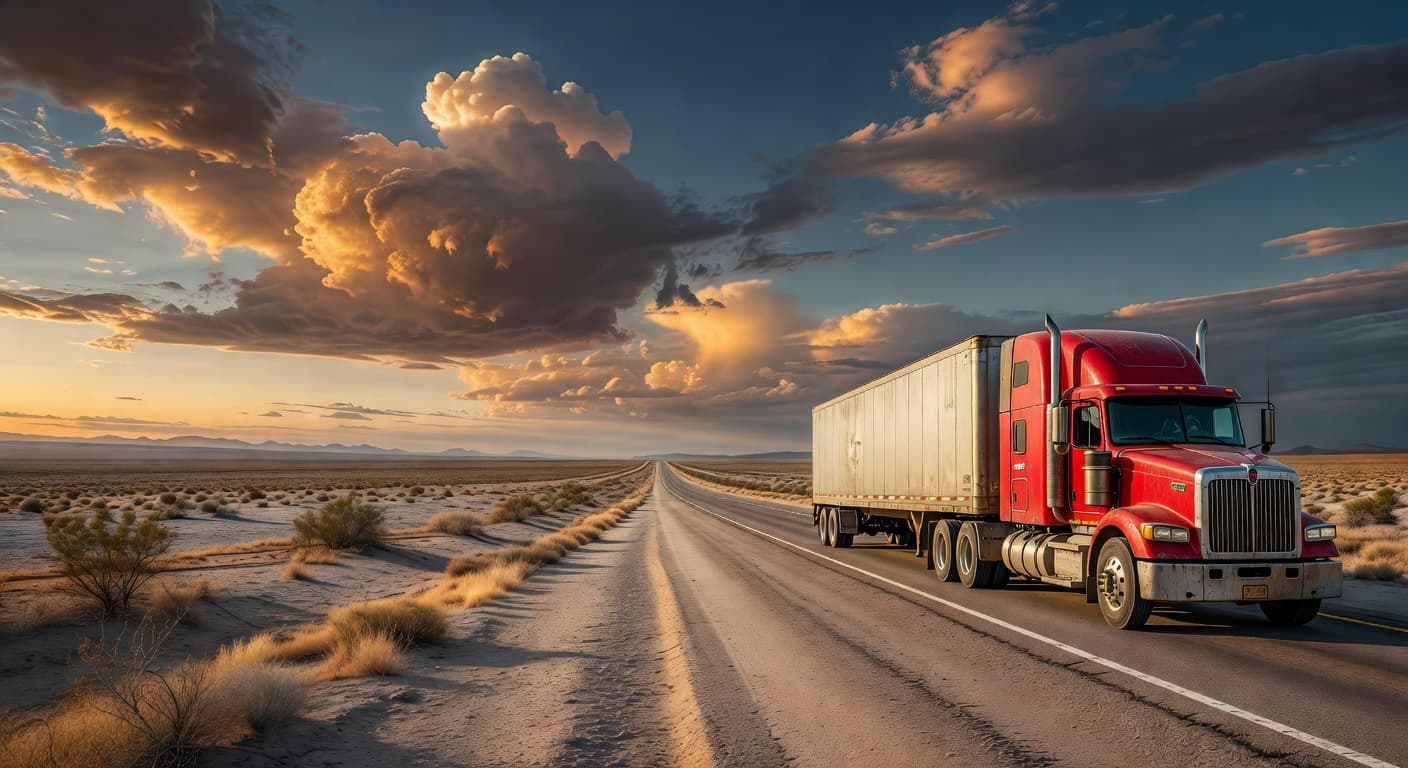
Commercial truck insurance in Illinois is built around how your trucks actually move freight. The core pieces in this market usually include motor carrier liability, physical damage, cargo coverage, trailer interchange, bobtail coverage, and non-trucking liability insurance. That mix is important because a policy may need to support interstate hauling, local delivery, or a mixed fleet with various truck and trailer configurations.
Physical damage is especially relevant if your unit is exposed to hail, wind, winter road conditions, or flooding. Cargo insurance is usually a separate section of the policy and is shaped by the freight you move, the route, and the value of the load. Bobtail coverage and non-trucking liability may apply when the tractor is being driven outside dispatch or without a trailer, but the exact trigger depends on your policy wording.
Coverage Included

Motor Carrier Liability
Can help cover injuries and property damage your truck causes to others, a coverage federal regulators require most for-hire carriers to maintain.
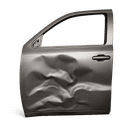
Physical Damage
Can help pay to repair or replace your own truck after an accident, fire, theft, or vandalism.
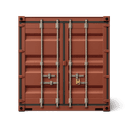
Cargo Coverage
May pay for damage to or theft of the freight you are hauling while it is in your care.
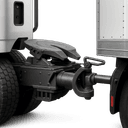
Trailer Interchange
Can help cover damage to trailers you haul under an interchange agreement but do not own.

Bobtail Coverage
May provide liability protection when you drive your tractor without a trailer attached, such as after dropping off a load.

Non-Trucking Liability
Can help cover accidents that happen when you use your truck for personal errands rather than dispatched work.
Commercial Truck Insurance Cost in Naperville
Average Cost in Illinois
$470 - $1,325
per month
Businesses in Illinois typically see commercial truck insurance premiums of $470 - $1,325 per month, which tends to run 18% above the national range of $400 - $1,125 per month.
- Radius of operation
- Commodities hauled and cargo value
- Number and value of power units
- Driver motor vehicle records and CDL experience
- DOT safety record, inspections, and FMCSA scores
- Liability limits and physical damage deductibles
Contact CPK Insurance for a personalized quote.
Prices shown are general estimates, not guaranteed rates or quotes. Your actual premium will depend on the insurer, coverage selected, business details, location, claims history, and other underwriting factors. Learn about our pricing methodology.
Premiums often move up when a truck runs through higher-risk corridors, hauls more valuable freight, or needs broader endorsements such as cargo insurance, trailer interchange, or motor carrier liability coverage. They can also rise with poor claims history, lower deductibles, or higher limits.
Illinois weather is a real pricing factor because tornado risk is rated very high, severe storm and flooding risk are high, and winter storm risk is high. The state also had 165 disaster declarations and 53 major disaster declarations on record. That history means a truck garaged in a repeated storm corridor will likely draw tighter underwriting and higher physical damage premiums than one parked in a lower-risk county. Your quote will usually reflect your truck type, operating radius, annual mileage, cargo class, deductible, endorsements, and claims history rather than just the vehicle itself.
Industries & Insurance Needs in Naperville
County business mix is the practical difference. In DuPage County, professional, scientific, and technical services account for 14.5% of establishments, health care and social assistance 11.1%, and construction 9%, so a lot of local truck use is tied to service calls, scheduled deliveries, mobile equipment, and contractor fleets rather than long-haul freight alone. That changes what you should review. If your trucks support technicians, clinicians, or project crews, ask whether the policy setup matches tools, attached equipment, jobsite materials, and any employee use of personal vehicles for errands or client visits. It also affects certificates and additional insured requests, because service contracts and site access rules can be more important than dock appointments. Before you buy, line up your vehicle list with the contracts you actually perform, then check whether your limits, endorsements, and driver classifications fit that service-heavy operating pattern.
What Makes Naperville Different
Prepared operators win in this market because their documentation answers underwriter questions before they get asked. In a market shaped by business clients, office campuses, medical users, and contractors, the buying decision is often less about finding a generic policy and more about getting underwriting details aligned with contract requirements from the start. Naperville's median household income is $150,937. Buyers with that kind of budget tend to hire contractors who show up organized and meet higher service expectations on the spot. That expectation becomes real when your truck arrives at a home, clinic, or managed site and the manager asks for proof before you unload. Your application should read like a day in the life of your operation, not a sales pitch. Underwriters want to know who drives and where units are kept. They also ask whether tools stay in the vehicle overnight, how often trailers are attached, and whether jobs cross county or state lines. Thin details produce quotes that look competitive until a certificate request, claim, or vehicle change forces a midterm revision.
Our Recommendation for Naperville
Start by writing down what each vehicle actually does on a typical day. Separate service bodies, pickups hauling equipment, vans making deliveries, and any heavier units, because underwriters usually react to use class before they react to price. Then pull together the paperwork your customers ask for most often: certificates, additional insured wording if contracts require it, and a current driver list with license details and hiring dates. If your trucks support construction or field service, review whether tools, permanently attached equipment, and trailers need to be scheduled or addressed elsewhere instead of assumed. If employees sometimes use their own cars for bank runs, parts pickup, or site visits, ask to review hired and non-owned auto exposure so that gap does not surprise you after a loss. You should also compare deductibles against vehicle values and downtime tolerance. A lower premium can cost more if one out-of-service truck disrupts a full week of scheduled work. A recent loss run and sample contract language ready before you request quotes gives underwriters what they need to respond with real terms.
Get Commercial Truck Insurance in Naperville
Enter your ZIP code to compare commercial truck insurance rates from carriers in Naperville, IL.
Business insurance starting at $25/mo
FAQ
Frequently Asked Questions
Naperville buyers often run into proof requests early because DuPage County has 34,252 business establishments. With that many vendors competing for contracts, screening insurance status before work begins is standard practice. Bring certificate requirements into the quote process, not after binding.
Naperville submissions work better when you describe actual use: service calls, material hauling, attached equipment, trailer use, garaging, and driver assignments. That helps the quote match how each unit operates instead of forcing later corrections.
DuPage County does affect the review. With professional services at 14.5%, health care and social assistance at 11.1%, and construction at 9%, many fleets support scheduled service work. That mix means certificates, tools, and employee driving exposures deserve closer attention.
Naperville home service operators should focus on clean documentation, driver screening, and vehicle use details. The city's median household income is $150,937. Customers at that income level expect organized vendors and prompt proof of coverage before access is granted.
It commonly includes motor carrier liability, physical damage, cargo coverage, trailer interchange, bobtail coverage, and non-trucking liability insurance.
The Illinois Department of Insurance regulates the market, and state commercial auto minimums are $25,000/$50,000/$20,000. Trucking liability needs can be higher depending on federal freight rules and shipper or broker requirements.
Cost per truck varies by limits, deductibles, claims history, location, endorsements, cargo type, route exposure, and the vehicles you insure.
Many Illinois trucking buyers need all three. Cargo and physical damage are separate parts of the policy.
Sources
- 1.U.S. Census Bureau, County Business Patterns, DuPage County(DuPage County has 34,252 business establishments, so vendors, property managers, and commercial clients often want clean evidence of coverage before access, contracts, or recurring work are approved.; In DuPage County, professional, scientific, and technical services account for 14.5% of establishments, health care and social assistance 11.1%, and construction 9%, so a lot of local truck use is tied to service calls, scheduled deliveries, mobile equipment, and contractor fleets rather than long-haul freight alone.)
- 2.U.S. Census Bureau, ACS 5-Year Estimates, table B19013(Naperville's median household income is $150,937, which usually points to customers and commercial properties that expect organized vendors, higher-value service standards, and prompt proof of insurance before work begins, especially when your truck is arriving at homes, clinics, or managed sites.)
Updated July 16, 2026





