Updated July 16, 2026

Homeowners Insurance in Naperville
Homeowners insurance in Naperville reflects how people actually use their houses here. You may have a larger owner occupied home, a finished basement that doubles as work or school space, and higher value interiors that are expensive to replace after a loss. The real question is whether your coverage still matches the house you live in now. Naperville has a median household income of $150,937, which generally translates to more electronics, furnishings, jewelry, and home office equipment under one roof. In practical terms, that means your contents and liability limits may need more attention than they would in a lower value market. A routine coverage review can uncover gaps between an older policy and current rebuilding expectations, so it is worth checking replacement cost language, ordinance or law coverage, and deductible choices before renewal papers arrive.
Illinois has a high climate risk rating. Top hazards: Tornado (Very High), Severe Storm (High), Flooding (High), Winter Storm (High). The state's expected annual loss from natural hazards is $3.2B, which influences homeowners insurance premiums and may affect coverage availability in high-risk areas.
What Homeowners Insurance Covers
In Illinois, the useful review is not the basic policy outline. It is how the form responds to the losses local homeowners actually worry about. Start with wind and hail language, because roof claims often turn on age, condition, prior repairs, and whether the carrier settles losses on a replacement cost basis or applies actual cash value to some materials. If your roof is older, ask that question now, not after a storm.
Water is another place where buyers need precision. Standard policies often treat sudden accidental discharge differently from long-term seepage, groundwater, or flood. If your home has a finished basement, lower-level storage, or mechanicals below grade, ask specifically about water backup options, sump overflow language, and sublimits for cleanup and damaged contents.
Cold-weather losses deserve the same attention. Frozen pipe claims can depend on whether the home was heated and reasonably maintained during a vacancy or winter trip. If you leave the property unattended for stretches, confirm what the policy expects you to do. Liability and loss-of-use terms also need close attention if you host often, have a dog, rent out part of the home occasionally, or keep detached structures with tools and equipment. Match the policy language to how you actually live in the house, then request revisions before you purchase.
Coverage Included

Dwelling
Repairs or rebuilds your home itself, the walls, roof, floors, built-in appliances, and attached structures like a garage, after a covered loss. Set this limit to the full cost of rebuilding, not market value.
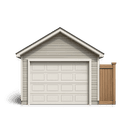
Other Structures
Detached structures on your property, such as a fence, shed, detached garage, or gazebo. Usually set at about 10 percent of your dwelling limit [2].

Personal Property
Your belongings, furniture, clothing, electronics, and appliances, generally written at 50 to 70 percent of your dwelling limit [2]. High-value items like jewelry and art carry special limits.

Additional Living Expenses
Also called loss of use. Pays your added living costs, hotel stays, meals, and a temporary rental, while a covered loss makes your home uninhabitable. Usually set at about 20 percent of your dwelling limit.

Liability
Covers you if someone is injured on your property, or you damage someone else's property, and you are found responsible. The standard $100,000 limit [2] is often raised to $300,000 or $500,000.

Medical Payments
Pays small medical bills, commonly $1,000 to $5,000, if a guest is hurt at your home regardless of fault, without a formal liability claim.
Homeowners Insurance Cost in Naperville
Average Cost in Illinois
$95 - $230
per month
In Illinois, homeowners insurance premiums typically run $95 - $230 per month, which tends to run 10% below the national range of $110 - $250 per month.
- Home replacement cost, age, and construction type
- Roof age, material, and condition
- ZIP code and local weather risk (wind, hail, wildfire, hurricane)
- Coverage limits and endorsements
- All-peril and percentage wind/hail deductibles
- Claims history and insurance score where allowed
Typical range for many standard homeowners profiles; lower-risk homes fall below it and coastal, wildfire, or older-roof homes can run well above. Final pricing depends on property details, location, underwriting, and selected coverage.
Prices shown are general estimates, not guaranteed rates or quotes. Your actual premium will depend on the insurer, coverage selected, personal details, location, claims history, and other underwriting factors. Learn about our pricing methodology.
Homeowners premiums in Illinois vary widely because the quote is built from property-specific risk, not a flat statewide template. Many homeowners see premiums from $95 to $230 per month, depending on the home's rebuild profile, roof condition, claim history, deductible choice, and how the carrier evaluates weather and water exposure at the address. A home with a newer roof, recent plumbing updates, and a clean claim history tends to land near the lower end. Older construction, a history of claims, or a finished basement with backup exposure can push the premium toward the higher end. To put that range in perspective, Illinois premiums generally track below coastal states with hurricane exposure but above states with milder weather and lower rebuild costs, so where you fall in that band often comes down to your roof age and water risk.
Construction type, age, updates to plumbing and electrical systems, roof material, and the cost to rebuild after a major loss all affect the premium. A house with an aging roof or unfinished maintenance items can price very differently from a similar-sized home with documented updates. Basement finish level, attached garages, detached structures, and special features can also move the quote.
Your deductible structure matters too. A higher deductible can lower the premium, but only if you can comfortably fund that amount after a loss. In Illinois, that question is especially important for storm-related claims, where homeowners sometimes focus on the monthly cost and overlook what they would need to pay out of pocket before repairs begin. The cleanest way to compare price is to hold the quote inputs steady. Then ask why one premium is lower, because sometimes it is a better fit and sometimes it is narrower settlement language or a roof-loss provision you would rather catch now than during a claim.
What Affects Homeowners Insurance Rates in Naperville
Higher property values change the cost conversation here because the insured value of the structure and contents often rises with the home itself. Naperville’s median home value is $509,900, so a quote review should start with whether your dwelling limit is based on current replacement assumptions rather than an outdated purchase era estimate. The city’s median household income is $150,937, which can also point to more valuable contents inside the home, from upgraded appliances and furniture to jewelry, bicycles, and home office equipment. That does not automatically mean you need more of every coverage line, but it does mean sublimits and endorsements matter more. Ask for a line by line review of dwelling, personal property, loss of use, water backup, and personal liability so you can see where premium is being driven by limits, deductibles, and optional protections instead of guessing from the total alone.
What Makes Naperville Different
Higher household and property values are what shift the buying calculus here. In this market, the risk is often less about whether you have a policy and more about whether it still matches the quality and quantity of what you own. That shows up in practical ways, because kitchens and baths have costlier finishes, there is more finished square footage to rebuild, and personal property can run past standard category sublimits after a theft, fire, or water loss. For many local households, the smarter review is not a generic price check but a limit and endorsement check. Pull your declarations page and walk through any remodeling, roof work, detached structure changes, or major purchases from the last few years. If the numbers on the policy still look like an earlier version of the house, ask for revised replacement cost figures and a fresh quote.
Our Recommendation for Naperville
If you have remodeled a kitchen, finished a basement, replaced roofing, added a fence, or upgraded flooring and built ins, it is worth confirming that your dwelling limit and ordinance or law coverage still fit the property. If your household keeps higher value jewelry, collectibles, bikes, musical instruments, or work equipment at home, review category sublimits and ask which items should be specifically scheduled instead of left inside standard personal property coverage. Liability deserves the same practical review. Homes that host guests, teen drivers, service providers, or regular deliveries may justify a higher limit than the one you selected years ago. Keep the conversation concrete by asking about replacement cost figures, deductible choices, water backup endorsements, and loss of use. Then compare quotes on matching terms so you are evaluating real coverage differences, not just a lower headline premium.
Get Homeowners Insurance in Naperville
Enter your ZIP code to compare homeowners insurance rates from carriers in Naperville, IL.
Home insurance starting at $50/mo
FAQ
Frequently Asked Questions
Naperville homeowners often need a closer limit review because local property values are high. An older policy can lag behind current rebuilding assumptions, which is why dwelling limits, endorsements, and deductibles deserve attention before renewal.
Naperville households may need more detailed contents planning because the city's median household income is $150,937. That can mean more valuables, electronics, and upgraded furnishings at home, so reviewing sublimits and scheduling higher value items is worth the effort.
Buyers here should usually focus on dwelling limits, other structures, personal property, liability, and loss of use. Larger or more upgraded homes can make replacement assumptions and category sublimits more important than a simple premium comparison.
Remodeling projects can change the amount it would take to repair or rebuild after a loss. If you have updated kitchens, baths, basements, roofing, or detached structures, ask for a fresh replacement cost review before your next renewal.
DuPage County has 34,252 business establishments, which means many local households regularly have contractors, cleaners, tutors, or other service providers at the property. With foot traffic like that, a liability claim from a visitor injury becomes more likely, so reviewing your liability limit after work is completed makes sense.
Illinois policies often separate sudden accidental water losses from backup, seepage, groundwater, and flood. If your home has a basement, ask whether backup coverage is optional, what below-grade property limits apply, and how cleanup is handled before you bind.
Illinois quotes can differ because carriers may use different roof settlement terms, water limitations, deductibles, and underwriting assumptions for the same address. Keep the coverage structure identical on each quote, then ask what changed if one premium looks much lower.
Homeowners sometimes lower premium by choosing a higher deductible, but that only works if you can fund the out-of-pocket repair cost after a covered loss. Test the deductible against your emergency savings before you use it as a savings strategy.
Sources
- 1.U.S. Census Bureau, ACS 5-Year Estimates, table B25077(Naperville has a median home value of $509,900.)
- 2.U.S. Census Bureau, ACS 5-Year Estimates, table B19013(Naperville has a median household income of $150,937.)
- 3.U.S. Census Bureau, County Business Patterns, DuPage County(DuPage County has 34,252 business establishments.)
Updated July 16, 2026