Updated July 5, 2026

Homeowners Insurance in Rockford
A wind driven storm tears shingles loose, pushes water past flashing, and turns a small attic leak into stained ceilings and damaged insulation before you even finish the cleanup. That is the kind of claim homeowners insurance in Rockford is really being asked to answer: not an abstract policy discussion, but whether your dwelling limit, roof settlement terms, and water damage exclusions line up with how your house would actually be repaired here. Local housing values sharpen that decision. Many owners focus on market price and miss the rebuild question, so it is worth checking whether your Coverage A limit is based on replacement cost rather than what you paid or what a listing site shows. Budget pressure matters too. Rockford median household income is $53,328, so deductible choices, ordinance or law coverage, and scheduled personal property limits need to be practical enough to keep after renewal, not just acceptable on quote day. Before you compare options, pull your current declarations page and verify roof age, updates, and any detached structures.
Illinois has a high climate risk rating. Top hazards: Tornado (Very High), Severe Storm (High), Flooding (High), Winter Storm (High). The state's expected annual loss from natural hazards is $3.2B, which influences homeowners insurance premiums and may affect coverage availability in high-risk areas.
What Homeowners Insurance Covers
In Illinois, the useful review is not the basic policy outline. It is how the form responds to the losses local homeowners actually worry about. Start with wind and hail language, because roof claims often turn on age, condition, prior repairs, and whether the carrier settles losses on a replacement cost basis or applies actual cash value to some materials. If your roof is older, ask that question now, not after a storm.
Water is another place where buyers need precision. Standard policies often treat sudden accidental discharge differently from long-term seepage, groundwater, or flood. If your home has a finished basement, lower-level storage, or mechanicals below grade, ask specifically about water backup options, sump overflow language, and sublimits for cleanup and damaged contents.
Cold-weather losses deserve the same attention. Frozen pipe claims can depend on whether the home was heated and reasonably maintained during a vacancy or winter trip. If you leave the property unattended for stretches, confirm what the policy expects you to do. Liability and loss-of-use terms also need close attention if you host often, have a dog, rent out part of the home occasionally, or keep detached structures with tools and equipment. Match the policy language to how you actually live in the house, then request revisions before you purchase.
Coverage Included

Dwelling
Repairs or rebuilds your home itself, the walls, roof, floors, built-in appliances, and attached structures like a garage, after a covered loss. Set this limit to the full cost of rebuilding, not market value.
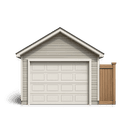
Other Structures
Detached structures on your property, such as a fence, shed, detached garage, or gazebo. Usually set at about 10 percent of your dwelling limit [2].

Personal Property
Your belongings, furniture, clothing, electronics, and appliances, generally written at 50 to 70 percent of your dwelling limit [2]. High-value items like jewelry and art carry special limits.

Additional Living Expenses
Also called loss of use. Pays your added living costs, hotel stays, meals, and a temporary rental, while a covered loss makes your home uninhabitable. Usually set at about 20 percent of your dwelling limit.

Liability
Covers you if someone is injured on your property, or you damage someone else's property, and you are found responsible. The standard $100,000 limit [2] is often raised to $300,000 or $500,000.

Medical Payments
Pays small medical bills, commonly $1,000 to $5,000, if a guest is hurt at your home regardless of fault, without a formal liability claim.
Homeowners Insurance Cost in Rockford
Average Cost in Illinois
$95 - $230
per month
In Illinois, homeowners insurance premiums typically run $95 - $230 per month, which tends to run 10% below the national range of $110 - $250 per month.
- Home replacement cost, age, and construction type
- Roof age, material, and condition
- ZIP code and local weather risk (wind, hail, wildfire, hurricane)
- Coverage limits and endorsements
- All-peril and percentage wind/hail deductibles
- Claims history and insurance score where allowed
Typical range for many standard homeowners profiles; lower-risk homes fall below it and coastal, wildfire, or older-roof homes can run well above. Final pricing depends on property details, location, underwriting, and selected coverage.
Prices shown are general estimates, not guaranteed rates or quotes. Your actual premium will depend on the insurer, coverage selected, personal details, location, claims history, and other underwriting factors. Learn about our pricing methodology.
Homeowners premiums in Illinois vary widely because the quote is built from property-specific risk, not a flat statewide template. Many homeowners see premiums from $95 to $230 per month, depending on the home's rebuild profile, roof condition, claim history, deductible choice, and how the carrier evaluates weather and water exposure at the address. A home with a newer roof, recent plumbing updates, and a clean claim history tends to land near the lower end. Older construction, a history of claims, or a finished basement with backup exposure can push the premium toward the higher end. To put that range in perspective, Illinois premiums generally track below coastal states with hurricane exposure but above states with milder weather and lower rebuild costs, so where you fall in that band often comes down to your roof age and water risk.
Construction type, age, updates to plumbing and electrical systems, roof material, and the cost to rebuild after a major loss all affect the premium. A house with an aging roof or unfinished maintenance items can price very differently from a similar-sized home with documented updates. Basement finish level, attached garages, detached structures, and special features can also move the quote.
Your deductible structure matters too. A higher deductible can lower the premium, but only if you can comfortably fund that amount after a loss. In Illinois, that question is especially important for storm-related claims, where homeowners sometimes focus on the monthly cost and overlook what they would need to pay out of pocket before repairs begin. The cleanest way to compare price is to hold the quote inputs steady. Then ask why one premium is lower, because sometimes it is a better fit and sometimes it is narrower settlement language or a roof-loss provision you would rather catch now than during a claim.
What Affects Homeowners Insurance Rates in Rockford
Rockford affordability changes the buying conversation because the local median household income is $53,328 and many homes trade at modest values. So the pressure to keep premiums manageable is real, but trimming the wrong line item can leave you paying much more out of pocket after a claim. A higher deductible may be reasonable if you can absorb it from savings. Cutting replacement cost terms, water backup limits, or personal property valuation often creates a harder problem later. The practical move is to quote the same home with two or three deductible options and then compare what changes in the policy language, not just the monthly bill. Also ask whether recent roof, electrical, plumbing, or heating updates improve eligibility or pricing. In a market where many homes are not high-value properties, the better quote is often the one that preserves core claim protection without forcing you into limits you are unlikely to maintain at renewal.
What Makes Rockford Different
Affordability is what changes the calculus here. In many markets, homeowners start with broad coverage and then decide how much they can spend. Here, many owners start with a payment target and risk backing into weaker terms without realizing it. With median home value at $120,900, it is easy to anchor on the home's market value or on the lowest premium instead of the cost to repair a storm-damaged structure to current standards. That can show up in underbuilt dwelling limits, minimal water backup protection, or deductibles that look fine until a roof claim or basement loss happens. The better approach is to separate affordability from adequacy. First, confirm the dwelling basis, roof loss settlement, and key endorsements. Then adjust deductible and optional limits to fit your budget. If you own an older home or have postponed updates, ask specifically how age of roof, wiring, plumbing, and heating equipment affect both eligibility and claim settlement.
Our Recommendation for Rockford
Start your review with the declarations page, not the invoice. Check whether the dwelling limit appears tied to replacement cost, whether the roof is settled at replacement cost or actual cash value, and whether detached structures and personal property limits still match what is on the property today. If you have a basement, ask for a specific review of water backup or sump overflow limits rather than assuming the base policy handles it. If your home has older systems, disclose roof age, electrical updates, plumbing material, and heating type up front so the quote reflects real underwriting questions instead of surprises later. It is also smart to compare at least two deductible levels and ask what changes besides price. If you are balancing coverage against a tight household budget, protect the claim features that are hardest to self-fund and trim optional extras only after that review. A free quote works best when you send the current policy, recent update dates, and any prior claims before the comparison starts.
Get Homeowners Insurance in Rockford
Enter your ZIP code to compare homeowners insurance rates from carriers in Rockford, IL.
Home insurance starting at $50/mo
FAQ
Frequently Asked Questions
Rockford buyers should not assume market value is the right benchmark. The key question is whether your dwelling limit reflects replacement cost, because claim settlement depends on repair and rebuild terms, not resale price alone.
Rockford older homes often need closer review because roof settlement terms, ordinance or law coverage, and water backup limits can matter more than the headline premium. Ask how roof age, wiring, plumbing, and heating updates affect both eligibility and claim payment.
Rockford households often get a better balance by testing deductible options first. With median household income at $53,328, raising a deductible may be easier to manage than cutting replacement cost terms or reducing water backup protection that could matter after a storm.
Rockford properties with detached garages, sheds, or fences should be reviewed carefully because other structures limits are not always enough by default. If you have added a shed, expanded a garage, or upgraded outbuildings, ask for those details to be reflected in the quote.
Rockford homeowners get more usable quotes when they provide the current declarations page, roof age, update dates for electrical and plumbing, heating type, and any prior claims. That lets you compare policy terms side by side instead of comparing incomplete estimates.
Illinois policies often separate sudden accidental water losses from backup, seepage, groundwater, and flood. If your home has a basement, ask whether backup coverage is optional, what below-grade property limits apply, and how cleanup is handled before you bind.
Illinois quotes can differ because carriers may use different roof settlement terms, water limitations, deductibles, and underwriting assumptions for the same address. Keep the coverage structure identical on each quote, then ask what changed if one premium looks much lower.
Homeowners sometimes lower premium by choosing a higher deductible, but that only works if you can fund the out-of-pocket repair cost after a covered loss. Test the deductible against your emergency savings before you use it as a savings strategy.
Sources
- 1.U.S. Census Bureau, ACS 5-Year Estimates, table B19013(Rockford median household income is $53,328.)
- 2.U.S. Census Bureau, ACS 5-Year Estimates, table B25077(Rockford median home value is $120,900.)
Updated July 5, 2026