







































Updated July 16, 2026

Inland Marine Insurance in Rockford
You sign a downtown lease, line up a remodel, book a run of deliveries, or start moving tools between a shop, a van, and a customer site. The exposure is not tied to one address, which is why your policy should follow the property rather than the building.
In Winnebago County, there are 6,297 business establishments, so landlords and contractors here see enough volume to make proof of coverage a routine requirement before signing agreements. If your operation touches retail fixtures, service equipment, medical devices, or customer items being picked up and returned, a useful quote request includes where items travel, who has custody at each step, whether anything is rented or borrowed, and how often property sits overnight in a vehicle or temporary location.
Inland Marine Insurance Risk Factors in Rockford
Rockford's top risk factors include Tornado damage, Hail damage, Severe storm damage, and Wind damage.
Illinois has a high climate risk rating. Top hazards: Tornado (Very High), Severe Storm (High), Flooding (High), Winter Storm (High). The state's expected annual loss from natural hazards is $3.2B, which influences inland marine insurance premiums and may affect coverage availability in high-risk areas.
What Inland Marine Insurance Covers
Inland marine insurance is designed for business property that is mobile, in transit over land, or kept away from your main premises. That includes tools and equipment used on job sites, goods in transit between locations, contractors equipment, installation floater exposures for materials being installed, and builders risk coverage for certain construction-related property. The coverage follows the property to temporary storage, customer locations, and active work sites, which is important in a state where severe storms, tornadoes, flooding, and winter weather can interrupt work and damage portable property.
Illinois does not impose a special statewide mandate for inland marine itself, but coverage requirements may vary by industry and business size. Policy terms, endorsements, and covered perils can differ by carrier, so businesses should read the schedule of property carefully instead of assuming every tool or material is automatically included. A standard policy may respond to theft, damage, vandalism, or other covered perils while the property is away from your fixed location, but the exact terms depend on the policy. If equipment is left at a Springfield job site or materials are staged in temporary storage near Chicago, the policy language and limits determine whether the loss is within scope. Buyers should also watch for exclusions tied to how the item is stored, how it is transported, and whether the carrier requires specific valuation or security details.
Coverage Included
Tools & Equipment
Can help repair or replace hand tools, power tools, and gear that are stolen or damaged on the job or in transit.

Goods in Transit
May cover products, materials, and merchandise while they are being shipped or hauled between locations in your care.
Contractors Equipment
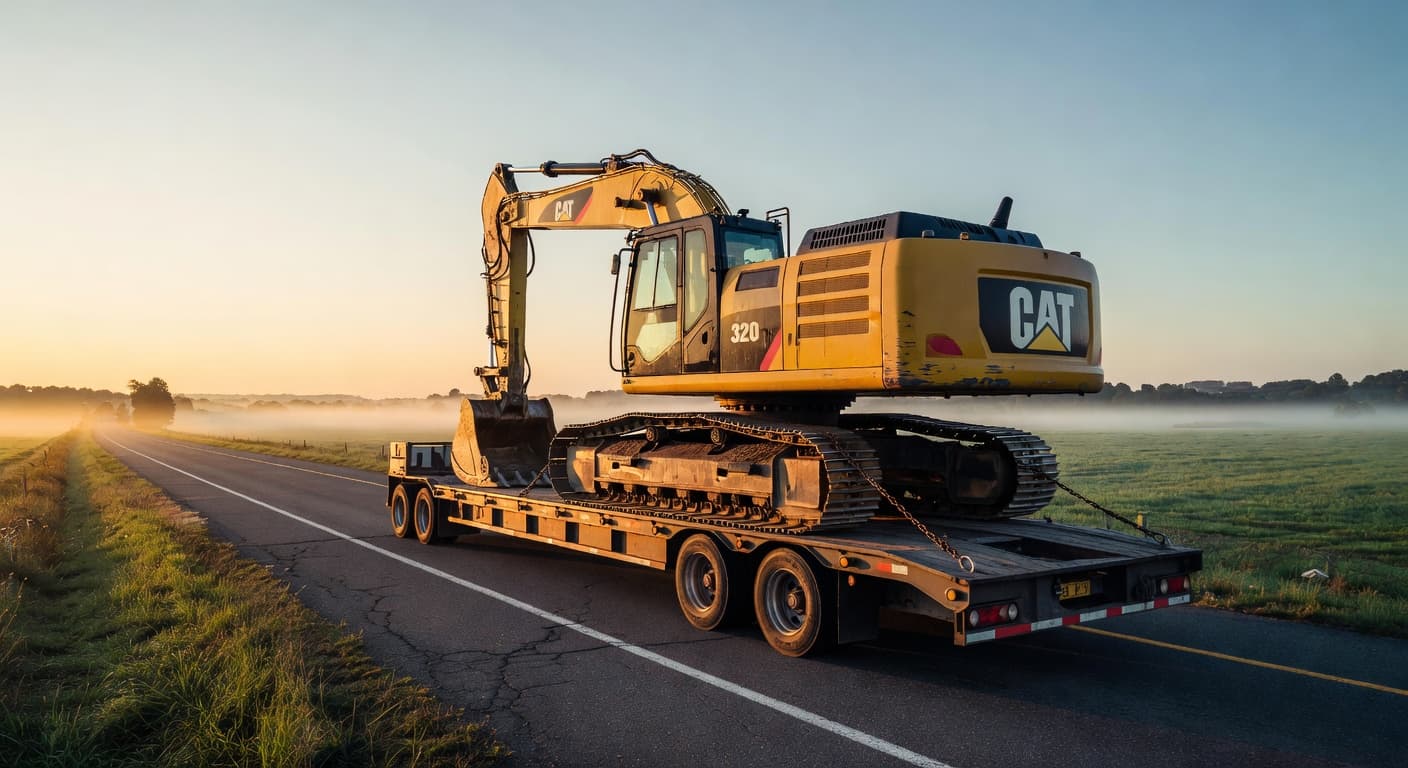
Typically covers heavy machinery like excavators, loaders, and generators against theft or damage at job sites and between them.

Installation Floater
Can help cover materials and fixtures from the moment you buy them until they are installed and accepted at a project.

Builders Risk
May cover a structure under construction, along with materials on site, against damage from fire, wind, theft, and vandalism.
Inland Marine Insurance Cost in Rockford
Average Cost in Illinois
$20 - $95
per month
Businesses in Illinois typically see inland marine insurance premiums of $20 - $95 per month, which tends to run 4% below the national range of $20 - $100 per month.
- Total insured value of the scheduled property
- Type and age of the equipment
- Where it is stored and how far it travels
- Jobsite security and theft prevention
- Per-item limits and deductibles
- Prior theft and in-transit losses
Contact CPK Insurance for a personalized quote.
Prices shown are general estimates, not guaranteed rates or quotes. Your actual premium will depend on the insurer, coverage selected, business details, location, claims history, and other underwriting factors. Learn about our pricing methodology.
For Illinois buyers, inland marine insurance cost is shaped by real market conditions rather than a one-size-fits-all national average. Premiums vary by carrier, class of business, and the amount of mobile property insured.
Illinois weather is a major pricing consideration because the state has very high tornado risk and high severe storm, flooding, and winter storm hazards. Recent severe weather events can influence how carriers view mobile property exposure. In addition, Illinois has a broad carrier market, which means you have room to shop around and participating providers may price the same risk differently.
Your final price will also depend on the specific property you move. A contractor moving expensive equipment across multiple counties may see a different premium than a business that only occasionally transports smaller items. To evaluate cost, compare quotes side by side.
Industries & Insurance Needs in Rockford
The county business mix is the part that changes the conversation most. In Winnebago County, leading sectors by establishment share are retail trade at 14.4%, health care and social assistance at 10.6%, and other services, except public administration, at 10.5%, so a lot of local property exposure involves items that leave the main premises to be installed, serviced, demonstrated, cleaned, repaired, or returned. That matters for inland marine because the coverage review should follow the property, not just the building. A retailer may move display units or point of sale equipment between locations. A health care related business may transport diagnostic or treatment equipment to another site. A service business may carry customer property, specialized tools, or mobile equipment in a van every day. If that sounds like your operation, ask for a schedule that matches the classes of property you move, the highest value in transit at one time, and any customer property in your care, custody, or control.
What Makes Rockford Different
Many local firms work in short, repeat trips rather than one fixed site. This is less about long haul cargo and more about property that circulates constantly between a base location, vehicles, temporary work areas, and customer addresses. That constant circulation puts your gear on the same job sites as other contractors, which raises the odds of mix ups, accidental damage, and theft. Small but frequent handoffs create openings where property can be damaged, misplaced, or left overnight away from the insured premises.
A standard property policy review is often not enough by itself because it typically protects what sits inside your walls. If you install, repair, clean, deliver, or stage property off site, tell your provider the property classes, who transports them, and where temporary storage happens so the form matches your real exposure.
Our Recommendation for Rockford
Break your inventory into owned equipment, rented items, installation materials, and customer property, since each category may need different treatment on the quote. Rockford median household income is $53,328, so a single stolen tool load can erase weeks of operating margin for a typical household. An uncovered loss on mobile tools, devices, or materials can interrupt cash flow faster than many owners expect.
Think through three numbers before you request a quote: the highest value you carry in one vehicle, the largest amount left at a job site overnight, and the replacement cost of any item that would be hard to source quickly. If you pick up customer property for repair or service, say that plainly instead of assuming it fits under your main property policy.
Get Inland Marine Insurance in Rockford
Enter your ZIP code to compare inland marine insurance rates from carriers in Rockford, IL.
Business insurance starting at $25/mo
FAQ
Frequently Asked Questions
Buyers usually add it when property starts leaving the main premises regularly, whether that means tools in a van, materials at a temporary site, or customer items picked up for service. What matters is whether your property moves or sits in someone else's custody, not how large your business is.
Retail and service operations often need the same review if equipment, displays, or customer property travel between locations. In Winnebago County, retail trade holds 14.4% of establishments and other services hold 10.5%, which translates to roughly one in four local businesses dealing with some form of mobile property exposure.
Area health care related operations often have equipment that moves between offices, treatment settings, or service locations. In Winnebago County, health care and social assistance accounts for 10.6% of establishments, so ask whether your mobile devices are specifically scheduled rather than relying on a general property limit.
You get a better quote when you bring an equipment list, serial numbers if available, the highest value carried in one vehicle, and where property sits overnight. Note any rented equipment or customer property in your custody as well.
Households running a side business should look into it if business property regularly travels off premises or sits in a vehicle. With local median household income at $53,328, replacing specialized gear out of pocket could consume most of a month's take home pay. **Request a quote** built around your actual equipment movements.
It may help cover mobile business property such as tools, equipment, and other items while they are away from your fixed location, including at job sites, in transit, or in temporary storage, depending on the policy schedule and covered perils.
Goods in transit coverage is designed for property that is being moved over land between places, so the policy may list the items, their values, and the way they travel before you rely on it for a delivery or transfer.
If your equipment moves from site to site, contractors equipment insurance may fit better than a fixed-location property policy because it is meant for mobile property used across active work locations.
Sources
- 1.U.S. Census Bureau, County Business Patterns, Winnebago County(In Winnebago County, there are 6,297 business establishments, so landlords, customers, and upstream contractors often expect organized proof of coverage before work starts or property changes hands.; In Winnebago County, leading sectors by establishment share are retail trade at 14.4%, health care and social assistance at 10.6%, and other services, except public administration, at 10.5%, so a lot of local property exposure involves items that leave the main premises to be installed, serviced, demonstrated, cleaned, repaired, or returned.)
- 2.U.S. Census Bureau, ACS 5-Year Estimates, table B19013(Rockford median household income is $53,328, so an uncovered loss on mobile tools, devices, or materials can interrupt cash flow faster than many owners expect.)
- 3.Illinois Department of Insurance(The Illinois Department of Insurance is the state regulator.)
Updated July 16, 2026





