







































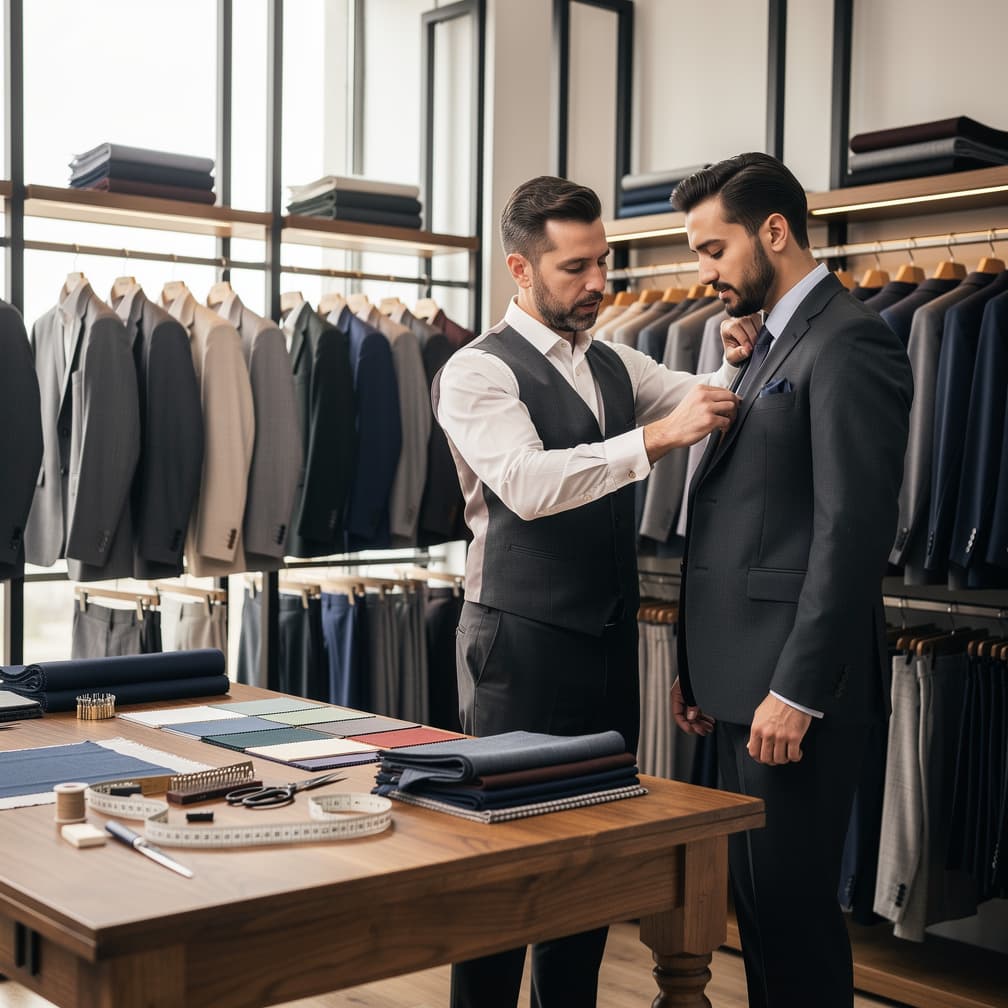

Price is the first question and the smallest part of this decision: general liability for a small shop often starts around $35 a month, which is less than one ruined jacket. Tailor insurance in Carmel gets expensive only when the policy is wrong, when the limit is too low for a formalwear order or the property list forgot the pressing equipment. Premium moves on payroll, revenue, the value of the garments you hold, and how long you have gone without a claim. Nothing on that list is mysterious, and all of it is negotiable at the quoting stage if you have the numbers ready. Participating carriers in Indiana weigh those inputs differently, which is why two quotes for one shop rarely land in the same place. Gather the numbers, then compare.
What Makes Carmel Different
A storm week does two things to a shop, and only one of them is obvious. The obvious one is the damage: water finding a way in, a power cut in the middle of a press run, a storefront that cannot open. The quieter one is the schedule, because garments promised for an event do not care that the shop was dark for two days. Customers who miss a fitting reschedule into a week that was already full, and rushed work is where mistakes live. That is how weather turns into a workmanship dispute rather than a property claim. Ask what a policy does about the income lost while the doors are shut, since that is a separate question from repairing the roof. A shop in Carmel with a tight calendar should get that answer before the season turns. Participating carriers in Indiana handle it differently, so asking costs less than finding out.
Local Risk Factors in Carmel
Before severe weather season, walk the shop with one question in mind: what happens to the racks if the roof opens. Photographs of the inventory, ticket records kept off site, and a plan for moving tagged garments away from windows all cost an hour and settle arguments later. Anything you cannot prove belonged to a customer becomes the hardest part of the claim. Commercial Property may respond when a storm damages the building and what is inside it, subject to limits, and the sublimit for property of others is the number worth knowing in advance. The Indiana Department of Insurance publishes consumer guidance on commercial storm coverage in Indiana. Read it once, then ask a carrier what your own form says about the rack rather than the roof.
What Coverage Does a Tailors in Carmel Need?
General Liability
A customer catches a heel on the fitting platform and goes down: that is the claim this line exists for, along with the defense costs that follow it. Landlords and corporate clients demand it by name before keys or contracts move. It generally does not answer for the garment in your hands, since property you took custody of is treated separately.
Example: Pins scatter near the mirror and a customer in Carmel falls while stepping down from the platform; General Liability can respond to the injury claim and the defense behind it.
Commercial Property
Machines, presses, fixtures, and the fabric and trim you own sit behind this line when fire, storm damage, theft, or vandalism reaches them. The gap worth knowing: garments belonging to customers are handled under a separate provision with its own limit, and water rising from outside the building is typically excluded and priced on its own.
Example: A break-in overnight clears the bench of sewing machines and the shop cannot take work in the morning; Commercial Property could pick up the replacement cost, subject to the deductible.
Business Owners Policy
Buying the property and liability pieces as one package is what a Business Owners Policy does, and for a small shop it often prices below the same parts bought apart. It can also bundle income protection while the doors are shut. The limits inside the bundle are the catch, because a package sized for a generic retailer may not fit a rack of formalwear.
Example: A fire in the pressing area closes the shop for three weeks; a Business Owners Policy might address the equipment, the interior, and the income lost while the doors stay locked.
Workers Compensation
Staff who lift loaded garment racks, haul inventory, and work over hot presses get hurt in predictable ways: backs, hands, and burns. This line is meant to handle the medical bills and lost wages that follow, and it is rated per $100 of payroll against what people physically do. Requirements for small employers vary by state and are not something to assume.
Example: A presser reaches across a hot plate and burns a forearm badly enough to miss two weeks of work; Workers Compensation is intended to take on the medical costs and the lost wages.
How Much Does Tailors Insurance Cost in Carmel?
Tailors Insurance is a bundle of separate policies, priced separately. The ranges below are typical figures for Carmel for each line, except workers compensation, which is rated per $100 of payroll; a quote prices each one against your own operations.
| Coverage | Typical range | What moves your price |
|---|---|---|
| General Liability Insurance | $40 - $95 per month | Industry and risk classification, annual revenue, number of employees |
| Commercial Property Insurance | $60 - $170 per month | Building value and construction type, roof age and condition, fire protection class |
| Business Owners Policy Insurance | $60 - $170 per month | Annual revenue and industry class, building and contents values, square footage and building age |
| Workers Compensation Insurance | $0.75 - $2.74 per $100 of payroll | Employee classification codes, total annual payroll, experience modification rate |
Prices shown are general estimates, not guaranteed rates or quotes. Your actual premium will depend on the insurer, coverage selected, business details, location, claims history, and other underwriting factors. Learn about our pricing methodology.
What Are the Insurance Requirements for a Tailors in Carmel?
Workers' comp is generally required once you have your first employee. Indiana generally requires employers to carry workers' compensation at that point. Common exemptions include sole proprietors, partners, and farmworkers. Confirm current thresholds with your state's workers' compensation agency before you hire.
Flood damage is typically excluded from standard policies. Standard commercial property and builders-risk-type policies typically exclude flood damage. Flood exposure varies address by address, so check your premises in FEMA's Flood Map Service Center before deciding; if you sit in a mapped flood zone, a separate policy through the National Flood Insurance Program is the usual starting point.
Where to verify licensing and coverage rules. The Indiana Department of Insurance publishes consumer guidance and current insurance requirements for Indiana businesses. When a contract or lease demands specific wording, the Indiana Department of Insurance's guidance is the authoritative place to check.
Get Your Tailors Quote in Carmel
Compare rates from multiple carriers. Free quotes, no obligation.
Operating in Carmel
- The fitting area is the busiest hazard in the room: pins on the floor, a raised platform, mirrors, and a customer moving in a garment they cannot fully see out of.
- Uniform and formalwear runs stack your racks to their peak at exactly the moment a single loss would touch the most customers, and a flat property limit does not know the season changed.
- A corporate client in Carmel can demand a certificate before the first box of garments leaves its dock, and the deadline is usually shorter than the time it takes to buy the limit it wants.
- Machines are the whole capacity of the shop. When a press dies, work does not slow down, it stops, and the orders on the rack keep the dates they were promised.
How to Buy: Advice for Carmel Owners
Two shops with identical machines can pay very different premiums, and the reason usually comes down to the information they submitted. Vague applications get priced defensively. Detailed ones get priced on facts. So write down the values, the payroll, the square footage, the alarm and sprinkler situation, and what you actually do with customers' property overnight. A Business Owners Policy rates all of that as a package, and General Liability rates a slice of it. Check the Indiana Department of Insurance's guidance before deciding how much detail to include. Then let participating carriers price the same detailed packet through CPK, because in Hamilton County the only fair comparison is one where every quote saw the same shop.
FAQ
Tailors Insurance in Carmel: FAQ
Less than the difference in rent, and far less than the difference owners expect. Rating leans on payroll, revenue, the value you hold, and your claims record, and those follow the shop rather than the postcode. Location does move a few things: property rates track local repair costs and loss patterns, and thinner markets mean fewer carriers competing for the account. That last part shows up as a narrower spread between quotes rather than as a higher base price.
A client can demand almost anything in a contract, and being named on your policy is one of the more common asks. It is a real endorsement, which means your carrier has to agree to it and may charge for it. Some carriers add named parties easily and some decline depending on the work involved. Sort that out before you sign, because agreeing to naming language you cannot deliver leaves you in breach of a contract you already signed in Carmel.
Document what belonged to customers before you touch anything else. Photographs of the racks, your ticket records, and a written list of whose garments were where turn a chaotic loss into a claim somebody can adjust. Your own machines are easy to prove with receipts; other people's clothing is not, and that is where these claims stall. Report the loss promptly, because notice deadlines are written into the policy and a late report can complicate an otherwise straightforward claim.
It is the classic tailoring claim and it usually starts with paperwork, not fabric. A ticket gets misfiled, a suit goes to the wrong rack, and the customer wants its value rather than an apology. How a policy responds depends on how it treats property of others in your care, which is a specific question and not something a standard property form handles automatically. Ask any carrier in Indiana where customers' goods sit in the policy and what limit applies to them.
Often not, and this is the gap that surprises shops most. General Liability is generally built around injuries to other people and damage to property you do not control, while a garment in your hands for alteration is property you took custody of on purpose. That custody usually falls under a different part of the policy structure, if it is addressed at all. Ask specifically about care, custody, and control before assuming a liability limit answers for a ruined gown.
Four things do most of the work: payroll, revenue, the value you hold, and your claims history. Payroll matters because workplace coverage is rated against it and the rate follows what people physically do, so lifting loaded racks prices differently than hand finishing. The value on your racks and the replacement cost of your machines drive the property side. A quote for a shop in Carmel rises or falls on those inputs, and the deductible you pick moves the number more than the address does.
Sources
- 1.Indiana Department of Insurance(Indiana Department of Insurance publishes consumer guidance for insurance buyers.)
- 2.FEMA / FloodSmart(Flood coverage is typically purchased separately; FEMA administers the National Flood Insurance Program.)


