







































Updated July 5, 2026

Garage Keepers Insurance in Evansville
A tighter market changes how you shop for this coverage. In a place like this, fewer carriers may have a clear appetite for small repair operations, towing-related exposures, or lots that hold customer vehicles after hours, so your submission has to be clean the first time. For garage keepers insurance in Evansville, that usually means showing exactly where vehicles are parked, who has custody at each stage, and how keys, gates, and after-hours access are controlled. Local buyers also run into relationship-driven proof expectations. A landlord, lender, dealer partner, or fleet account may want to see evidence of coverage before they hand over space, referral work, or higher-value units. That matters more in a market where word travels quickly and one delayed certificate can slow down a job stream. You are usually better served by requesting terms that match your real storage pattern, indoor versus outdoor, overnight counts, and any employee movement of customer autos, then comparing quote options before renewal or before you sign a new lease.
Garage Keepers Insurance Risk Factors in Evansville
Local risk here is less about a unique city-only peril and more about how customer vehicles are concentrated on smaller lots and held through normal operating interruptions. If your shop stacks pickups around a fence line, keeps completed vehicles waiting on parts, or leaves units outside over a weekend, one weather event or lot incident can turn into **several customer claims at once**. That is the part to pressure-test. Ask your agent to review your maximum number of customer vehicles on premises, where they sit after closing, whether any are stored off-site, and who can move them. If your operation mixes repair, detailing, body work, or towing handoffs, map the custody chain clearly so there is less room for dispute after a loss. The practical step is simple: build your quote around **peak overnight count** and actual storage layout, not an average day that understates your exposure.
Indiana has a moderate climate risk rating. Top hazards: Tornado (High), Severe Storm (High), Flooding (Moderate), Winter Storm (Moderate). The state's expected annual loss from natural hazards is $1.1B, which influences garage keepers insurance premiums and may affect coverage availability in high-risk areas.
What Garage Keepers Insurance Covers
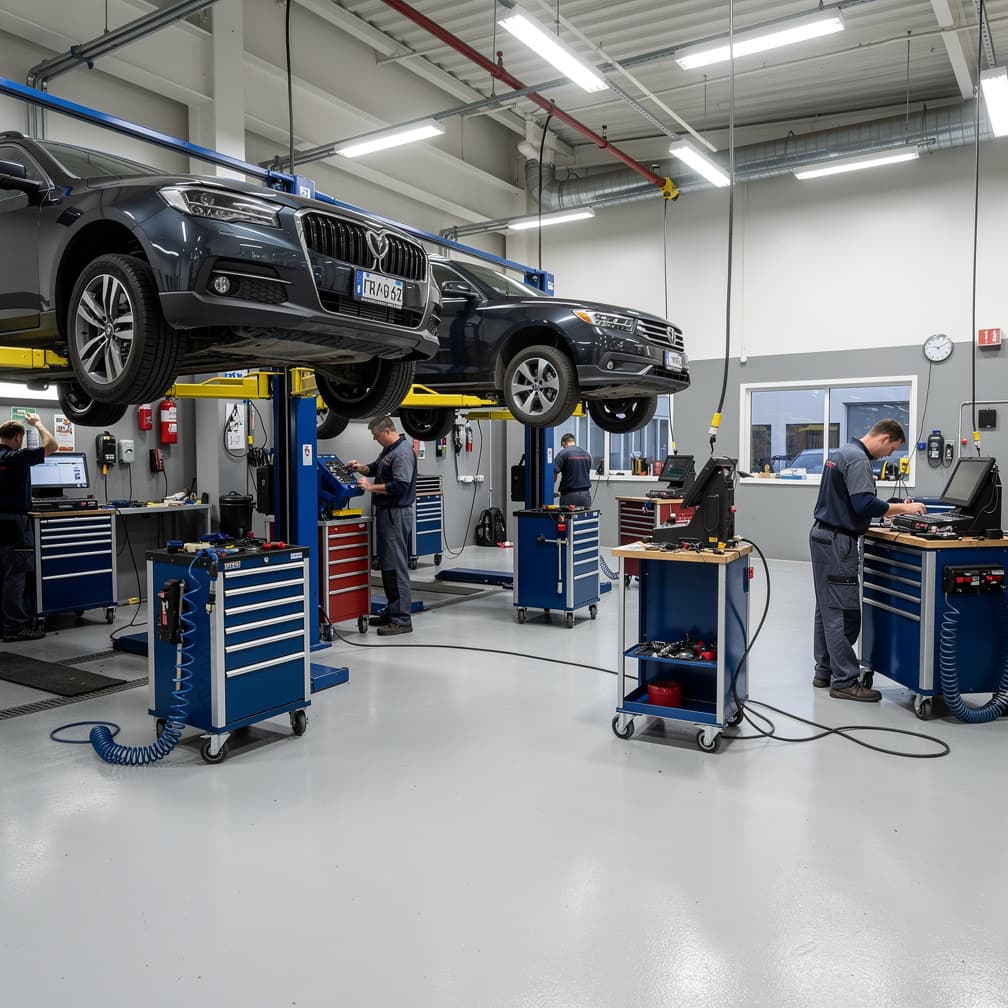
Indiana buyers usually need this coverage to address what happens when a vehicle is sitting, staged, or waiting rather than actively being repaired. If vehicles are left on your premises overnight, staged for parts delays, parked in a fenced yard, or waiting for pickup after payment, your exposure changes with each handoff point. That is where you should read the policy form closely and ask how physical damage claims are handled for vehicles stored outdoors, vehicles awaiting service, and vehicles that stay on site longer than expected.
For many Indiana operations, the practical review starts with your lot layout and key control. A carrier will want to understand whether vehicles are parked bumper to bumper, whether high-value units are separated, whether keys are tagged and locked, and whether employees move vehicles before or after business hours. If your operation includes towing, impound, dealership service, or seasonal storage, ask for those facts to be reflected clearly in the application so the quote matches your actual custody pattern.
You should also review how your garage keepers coverage interacts with the rest of your account. A claim involving a customer's vehicle can overlap with premises issues, employee procedures, subcontracted work, or test-drive practices. In Indiana, that makes it worth checking whether your deductibles, reporting steps, and documentation process line up across policies. Before you renew, walk your agent through where vehicles are received, where they wait, who moves them, and where they are most exposed if a storm, theft event, or lot accident hits several units at once.
Coverage Included
Collision Coverage
Covers damage to customers' vehicles from collisions while in your care.

Comprehensive Coverage
Covers theft, vandalism, fire, and weather damage to customers' vehicles.

Specified Perils
Covers only specifically named perils at a lower premium.

Legal Liability
Covers damage you or your employees directly cause to a customer's vehicle.

Direct Primary
Pays regardless of fault, the broadest garage keepers coverage available.
Industries & Insurance Needs in Evansville
County business mix is the useful signal here. Vanderburgh County has 5,078 business establishments, and the leading sectors by establishment share are retail trade at 14.7%, health care and social assistance at 13.9%, and other services, except public administration, at 10.7%, so local shops often serve a steady stream of employee commuters, service fleets, and customer vehicles tied to appointment-driven businesses rather than only walk-in retail traffic. That changes the insurance conversation because delayed pickup, overnight holding, and key control become routine, not occasional. If your accounts include medical offices, retail operators, or service businesses, tell the underwriter how many vehicles you may hold after business hours and whether any belong to commercial clients. A quote is more useful when it reflects the kinds of customers you actually serve and the turnover pattern on your lot.
What Makes Evansville Different
The main difference here is market tightness. In a larger metro, you may have more room for a vague application or a loosely described operation. Here, a garage keepers submission usually works better when it is specific from the start, because underwriters want to understand exactly how your shop handles custody, storage, and release of customer vehicles. That affects both eligibility and the quality of the terms you are offered. It also affects business relationships. With Vanderburgh County reporting 5,078 business establishments, local commercial relationships are dense enough that landlords, referral partners, and neighboring businesses often expect prompt proof of coverage before they commit space, work, or vehicle flow. The practical takeaway is to treat this as an operations review, not just a price check. Document where cars sit, who can move them, when they stay overnight, and what happens when pickup is delayed, then request quotes built around those facts.
Our Recommendation for Evansville
Start with your lot, not your declarations page. Walk the property and note how many customer vehicles can be on site at the busiest point, which spaces are inside versus outside, and whether any units are left waiting for parts, payment, or pickup. Then review who has authority to move customer autos, where keys are stored, and whether any employee takes a vehicle off the premises for testing, parking, or repositioning. If you lease your building, ask what proof the landlord wants before renewal so you are not scrambling for certificates later. If you work with dealer referrals or commercial accounts, ask whether they expect specific limits or additional insured wording. Evansville buyers should also compare quotes against their real customer base. The city's median household income is $52,251, so some shops see pressure to hold down out-of-pocket costs, but cutting limits too far can leave you exposed when several customer vehicles are on the lot at once. Review terms before your busiest season or before adding storage space.
Get Garage Keepers Insurance in Evansville
Enter your ZIP code to compare garage keepers insurance rates from carriers in Evansville, IN.
Business insurance starting at $25/mo
FAQ
Frequently Asked Questions
Evansville repair shops should be ready with peak overnight vehicle count, indoor versus outdoor storage, key control procedures, employee vehicle movement, and any off-site parking. In a tighter local market, those operating details often matter more than a quick estimate built from broad assumptions.
Evansville business relationships often move on documentation. Vanderburgh County has 5,078 business establishments, so landlords and referral partners may want proof of coverage before they commit space, send work, or allow customer vehicles to be stored on your premises.
Vanderburgh County business mix can change the review. Retail trade is 14.7%, health care and social assistance is 13.9%, and other services is 10.7%, so many shops handle commuter and service-related vehicles that may stay overnight after appointments or workday delays.
Evansville shops with outdoor parking should review maximum vehicles on the lot, fence and gate controls, lighting, key storage, and where completed vehicles wait for pickup. The goal is to quote the real concentration of customer autos, especially after hours and on weekends.
Evansville buyers with a policy complaint or regulatory question can look to the Indiana Department of Insurance. For shopping purposes, it is still smarter to resolve storage, custody, and proof-of-coverage questions before binding so the policy setup matches your operation.
Even occasional overnight storage creates exposure, because the risk often appears during pickup delays or after-hours handoff rather than during active repair work. Your quote should reflect how often vehicles remain on site beyond the workday.
Indiana regulates insurance through the Indiana Department of Insurance. If you are comparing policy forms, endorsements, or complaint procedures, use that state regulator as your reference point.
Shops usually get a better quote by showing exactly how vehicles move through the business, including intake, key control, road testing, overnight storage, and release. Clear lot details and written procedures help the carrier price the real exposure.
Sources
- 1.U.S. Census Bureau, County Business Patterns, Vanderburgh County(Vanderburgh County has 5,078 business establishments.; The leading sectors in Vanderburgh County by establishment share are retail trade at 14.7%, health care and social assistance at 13.9%, and other services, except public administration, at 10.7%.)
- 2.U.S. Census Bureau, ACS 5-Year Estimates, table B19013(Evansville's median household income is $52,251.)
- 3.Indiana Department of Insurance(Indiana's insurance regulator is the Indiana Department of Insurance.)
Updated July 5, 2026





