Updated July 16, 2026

Homeowners Insurance in Evansville
Evansville sits in a county where health care, retail, and social assistance lead the local economy. Many households here juggle shift work, weekend schedules, and constant in-and-out traffic around the home. For homeowners insurance in Evansville, that changes what you should review first. Instead of focusing on broad state basics, check whether your dwelling limit, personal property schedule, and liability setup still fit how your household actually uses the property.
If your home doubles as the place where packages pile up after late shifts, tools stay in the garage, or family members come and go on uneven schedules, small coverage gaps can show up at claim time. Many buyers focus on purchase price and miss the more important question of whether the policy limit is built around repair and rebuild costs rather than what the home sold for. Start by matching your quote to the house itself, your daily occupancy pattern, and any higher-value items that would be hard to replace quickly after a loss.
Indiana has a moderate climate risk rating. Top hazards: Tornado (High), Severe Storm (High), Flooding (Moderate), Winter Storm (Moderate). The state's expected annual loss from natural hazards is $1.1B, which influences homeowners insurance premiums and may affect coverage availability in high-risk areas.
What Homeowners Insurance Covers
Indiana buyers usually get the most value by reviewing the parts of the policy that change how a loss is adjusted, not by rereading the basic coverage labels. Start with the dwelling section and ask how the carrier values roof damage, what happens if local rebuilding rules add cost after a covered loss, and whether matching issues for siding or roofing create an out of pocket problem if only part of the home is damaged.
Then move to water-related gaps. A standard quote may handle some sudden and accidental interior water damage, but that does not mean every source of water is treated the same way. If your home has a basement, sump, below-grade finish, or a history of seepage concerns, ask specifically about backup, overflow, and excluded water scenarios before you compare only on price. The same review applies to detached garages, sheds, fences, and screened structures, because the default other structures limit may not match what is actually on the lot.
Inventory higher-value items, check whether special limits apply, and see how temporary living expenses are handled if repairs take longer than expected. Liability deserves the same treatment. If you host often, have a dog, a pool, a trampoline, or frequent delivery traffic on the property, ask for the exact liability limit and any underwriting restrictions in writing before you bind.
Coverage Included

Dwelling
Repairs or rebuilds your home itself, the walls, roof, floors, built-in appliances, and attached structures like a garage, after a covered loss. Set this limit to the full cost of rebuilding, not market value.
Other Structures
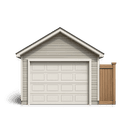
Detached structures on your property, such as a fence, shed, detached garage, or gazebo. Usually set at about 10 percent of your dwelling limit [2].

Personal Property
Your belongings, furniture, clothing, electronics, and appliances, generally written at 50 to 70 percent of your dwelling limit [2]. High-value items like jewelry and art carry special limits.

Additional Living Expenses
Also called loss of use. Pays your added living costs, hotel stays, meals, and a temporary rental, while a covered loss makes your home uninhabitable. Usually set at about 20 percent of your dwelling limit.

Liability
Covers you if someone is injured on your property, or you damage someone else's property, and you are found responsible. The standard $100,000 limit [2] is often raised to $300,000 or $500,000.

Medical Payments
Pays small medical bills, commonly $1,000 to $5,000, if a guest is hurt at your home regardless of fault, without a formal liability claim.
Homeowners Insurance Cost in Evansville
Average Cost in Indiana
$85 - $220
per month
In Indiana, homeowners insurance premiums typically run $85 - $220 per month, which tends to run 15% below the national range of $110 - $250 per month.
- Home replacement cost, age, and construction type
- Roof age, material, and condition
- ZIP code and local weather risk (wind, hail, wildfire, hurricane)
- Coverage limits and endorsements
- All-peril and percentage wind/hail deductibles
- Claims history and insurance score where allowed
Typical range for many standard homeowners profiles; lower-risk homes fall below it and coastal, wildfire, or older-roof homes can run well above. Final pricing depends on property details, location, underwriting, and selected coverage.
Prices shown are general estimates, not guaranteed rates or quotes. Your actual premium will depend on the insurer, coverage selected, personal details, location, claims history, and other underwriting factors. Learn about our pricing methodology.
Homeowners pricing in Indiana moves most on property-specific underwriting details, so the useful way to shop is by controlling the inputs. Roof age and material, prior claims, the home's age, construction type, square footage, protection class, deductible choice, and any basement or water-backup exposure can all change the quote materially. So can the dwelling limit itself, because a low estimate may make a quote look attractive while leaving you short if a major loss happens. A home in a protection class 3 with a new architectural shingle roof will price differently than a protection class 9 with a 20-year-old roof, and the difference can be hundreds per year.
Request matched quotes with the same dwelling limit basis, deductible, and optional coverages. If one quote includes water backup, replacement cost on contents, and higher ordinance or law protection while another does not, the cheaper option is not truly cheaper. Ask each quote to show the roof age assumption, any protective device credits, and whether settlement terms change for older materials. That gives you a usable comparison instead of a number that only looks lower because key protections were stripped out.
What Makes Evansville Different
Evansville's median household income is $52,251 and the median home value is $129,100. Those numbers mean a modest premium increase can strain a household budget, so getting the dwelling limit right the first time matters more than chasing the cheapest quote. The risk is that a lower home value can make underinsurance look harmless when it is not. Your policy review should weigh rebuild costs against what you actually own and what you could afford to absorb out of pocket. Market value on a listing or appraisal tells you something different than what it costs to rebuild.
That matters even more if you bought an older property or have upgraded finishes, appliances, or systems without updating your policy. When you request a quote, ask the provider to separate dwelling, other structures, personal property, loss of use, and liability so you can see where your money is going. A line-by-line breakdown makes it easier to spot a limit that is too low before a loss happens.
Begin your review with the parts of the property that are easiest to overlook, such as a detached garage, shed, finished basement area, or recently updated kitchen or bath. Ask how each feature is being reflected in the quote instead of assuming the default limits are enough. Vanderburgh County has 5,078 business establishments. With that many businesses operating nearby, expect more delivery drivers, contractors, and clients walking up to your front door than on a typical residential street.
Our Recommendation for Evansville
That is a good reason to review personal liability, guest injury scenarios, and whether any home-based work creates a need for added endorsement language. Confirm replacement assumptions, walk through your deductible options, and ask what documentation would help if you had to prove the condition and value of belongings after a loss. Before you renew, compare your current declarations page against a fresh quote and look for silent gaps, not just a lower premium.
Get Homeowners Insurance in Evansville
Enter your ZIP code to compare homeowners insurance rates from carriers in Evansville, IN.
Home insurance starting at $50/mo
FAQ
Frequently Asked Questions
Evansville buyers should not assume market value is the right limit. Ask your agent to show how the dwelling amount was calculated for repair and rebuild needs, not just what the property might sell for.
Evansville households with shift work should review personal property, liability, and loss of use carefully. Uneven occupancy patterns, deliveries, and family members coming and going can affect how a claim unfolds, so your quote should match how the home is actually used.
Vanderburgh County has 5,078 business establishments. With that many businesses operating nearby, many homes see frequent service calls, deliveries, or side-work activity. The extra foot traffic from that activity raises the odds of a guest injury on your property, making it worth reviewing liability limits and asking whether any home-based work needs an endorsement.
Evansville households often feel budget pressure, especially when a home looks affordable on paper. Even so, lower purchase prices do not automatically mean lower rebuild needs, especially after updates or with detached structures.
When you request a quote in Evansville, bring the age of the home, any recent renovations, and a rough inventory of higher-value belongings. Those details help the provider build a limit that reflects your actual property instead of relying on public records alone.
A standard policy may cover some sudden interior water damage, but sump backup and basement-related losses often need separate review or optional protection. If your home has a sump pump or finished basement, ask whether the quote includes water backup coverage, what the limit is, and whether overflow and seepage are handled differently. Get the answer in writing before you bind.
Claim payment can depend on roof age, material, and settlement wording, not just whether wind or hail caused damage. Ask whether losses are settled on replacement cost terms or with depreciation applied.
Properties with detached garages, sheds, workshops, or fencing should compare the policy's other structures limit against what is actually on the lot. Default percentages can be too low after additions, upgrades, or years of gradual property improvements.
Sources
- 1.U.S. Census Bureau, County Business Patterns, Vanderburgh County(Health care and social assistance is one of the leading business sectors in the county containing Evansville, alongside retail trade and other services.; Vanderburgh County has 5,078 business establishments.)
- 2.U.S. Census Bureau, ACS 5-Year Estimates, table B25077(The city's median home value is $129,100.)
- 3.U.S. Census Bureau, ACS 5-Year Estimates, table B19013(Evansville's median household income is $52,251.)
Updated July 16, 2026