Updated July 16, 2026

Dealer Open Lot Insurance in Fort Wayne
Property costs and household budgets shape how you set dealer open lot limits here. With Fort Wayne median household income at $60,293, many independent dealers are selling into a value-conscious market, so your policy often works best when it tracks actual unit values instead of a padded blanket number. If your lot leans toward older used inventory, a deductible that looks manageable on paper can still pinch cash flow after a weather loss or vandalism claim. That means your daily reporting habits matter more than any round-number guess.
Pull together current counts, realistic per-unit values, and a clear plan for any vehicles parked off the main frontage, behind the building, or at a secondary storage spot. Local buyers tend to compare price closely, which can push dealers to carry mixed-value inventory longer than planned. Review whether your peak lot value changes around tax refund season, promotional weekends, or trade-in surges. Then ask for limits and deductibles that match those swings rather than your slowest month.
Dealer Open Lot Insurance Risk Factors in Fort Wayne
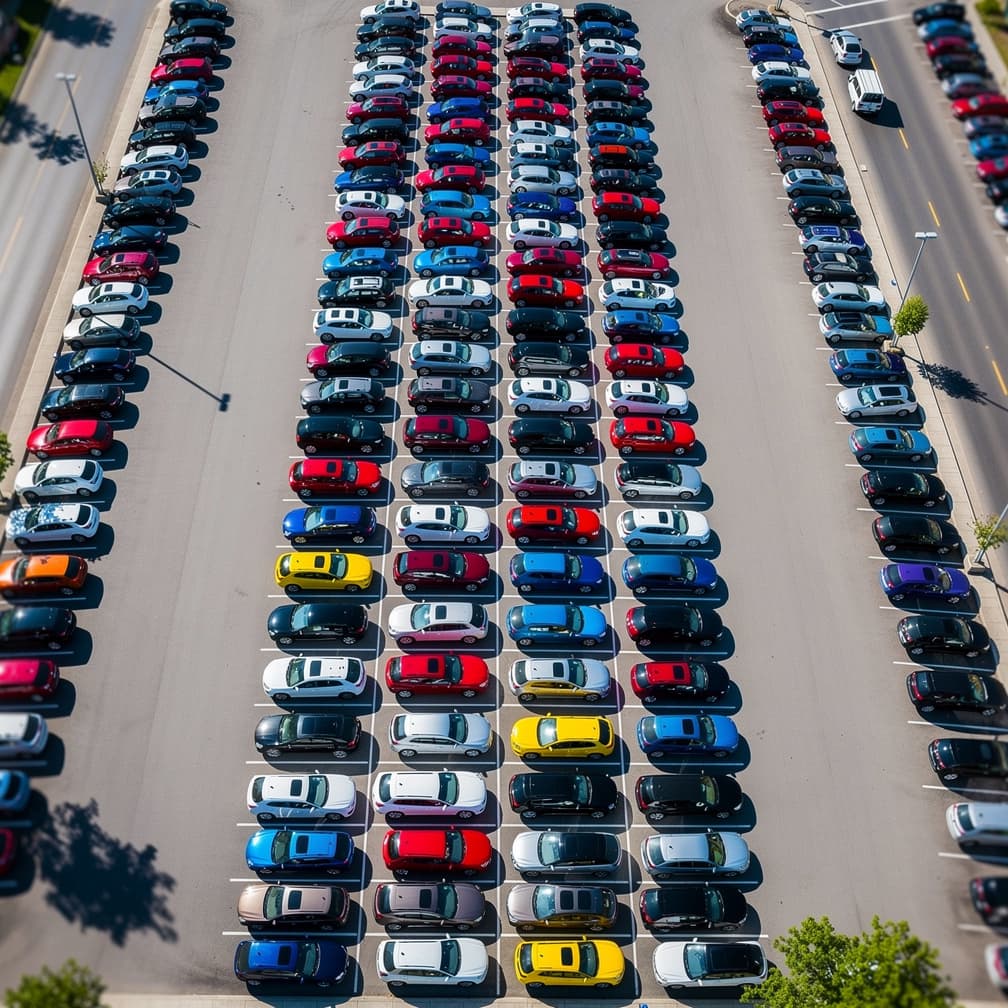
Fort Wayne dealers should pay attention to concentration risk on the lot. State-level hazard patterns in Indiana can affect multiple vehicles in one event, which matters more for [dealer open lot coverage](/insurance/dealer-open-lot-insurance) than for a single owned auto policy because one storm can damage a row of units at the same time. The practical issue is layout. If vehicles are packed tightly, stored near fencing or light poles, or split between the front line and an overflow area, your loss severity can change quickly. That is worth reviewing before renewal, especially if you have added trucks, SUVs, or higher-value trade-ins that raise your total exposed value without changing your address. Ask how the policy treats temporary storage areas, newly acquired units, and reporting expectations after inventory turns. A lot map, current inventory list, and photos of any secondary parking area can make the quote more accurate.
Indiana has a moderate climate risk rating. Top hazards: Tornado (High), Severe Storm (High), Flooding (Moderate), Winter Storm (Moderate). The state's expected annual loss from natural hazards is $1.1B, which influences dealer open lot insurance premiums and may affect coverage availability in high-risk areas.
What Dealer Open Lot Insurance Covers
The useful coverage discussion usually starts with where your inventory spends time during the week, not with a broad definition you already know. A dealer with one fenced lot and no overflow storage presents a different underwriting file than one that stages units behind the main building, keeps some vehicles at a secondary address, or moves inventory after auction purchases. Those operating details affect how a carrier reviews location schedules, reporting accuracy, and whether your limits still fit the highest concentration of vehicles on hand.
Indiana weather also changes what you should ask about in the form and endorsements. If your lot is exposed to wind, hail, heavy rain, or winter conditions, review how the policy handles weather-driven damage, where exclusions may apply, and whether any storage or movement scenario creates a gap you did not expect. If units are parked tightly to maximize frontage, ask how a single event could affect multiple vehicles at once and whether your limit is high enough for that concentration.
You should also review how the policy treats ordinary dealership handling in your operation. That includes vehicles being repositioned on the lot, sent to a nearby service area, staged for photos, or moved to temporary overflow space. If your sales process includes frequent test drives or transfers between addresses, make the underwriter confirm how those situations are treated under your policy terms. The goal is simple: match covered causes of loss, locations, and handling practices to the way your dealership actually operates before a claim forces the issue.
Coverage Included

Weather Damage
Covers hail, wind, flood, and storm damage to lot inventory.
Theft Protection
Covers vehicles stolen from your lot.
Fire Damage
Covers fire and explosion damage to inventory vehicles.

Vandalism
Covers intentional damage to vehicles on your lot.
Test Drive Coverage
Covers vehicles during customer and employee test drives.
Transit Coverage
Covers vehicles being moved between lot locations.
Industries & Insurance Needs in Fort Wayne
Allen County has 9,586 business establishments, and its leading sectors by establishment share are retail trade at 12.9%, health care and social assistance at 12.1%, and other services at 10.7%, so local dealers often serve a broad commuter and service-work customer base rather than one narrow buyer segment. That matters for dealer open lot planning because inventory mix can shift toward practical daily drivers, work vehicles, and trade-ins that arrive unevenly. If your lot buys from auctions, takes frequent service-related trade-ins, or carries units that appeal to hospital, retail, and personal-service workers, your total exposed value may move faster than your monthly bookkeeping shows. Review how often you update inventory values, whether older units stay on the lot longer, and whether any vehicles sit at a reconditioning shop or overflow location before sale. Those operating details usually matter more than a generic dealership label.
What Makes Fort Wayne Different
Inventory value discipline is the main difference here. In a market where many buyers shop carefully and compare monthly affordability, dealers often carry a wider spread of vehicle ages, conditions, and price points on the same lot. A blanket number based on average unit value may miss the real exposure if a few late-model pickups or SUVs sit beside older commuter cars, or if trade-ins stack up before they are front-lined.
The real risk is underinsuring the whole lot while also overlooking how quickly your total value changes during busy buying periods, after auction purchases, or while units wait for detail and repair. Look at your peak inventory, not just your typical inventory, when deciding on limits. Separate your main lot, back lot, and any temporary storage in the quote request so the policy is built around how vehicles are actually stored.
Our Recommendation for Fort Wayne
Start with a current inventory schedule and test it against your highest-value week, not your average week. If you have mixed used inventory, ask for a quote review that compares at least two deductible options so you can see whether lower premium savings are worth the out-of-pocket hit after a multi-unit loss. If any vehicles are kept behind the dealership, at a nearby overflow area, or at a repair location before sale, list those addresses and storage practices up front.
You should also flag units that stay longer because slower-turn inventory can distort your true exposed value over time. If your lot regularly takes in higher-value trade-ins, ask how newly acquired vehicles are handled and how quickly reporting should be updated. A short call backed by an inventory list, lot map, and recent peak counts usually gives you a cleaner quote than estimating from memory.
Get Dealer Open Lot Insurance in Fort Wayne
Enter your ZIP code to compare dealer open lot insurance rates from carriers in Fort Wayne, IN.
Business insurance starting at $25/mo
FAQ
Frequently Asked Questions
Fort Wayne dealers usually get the clearest answer by pricing coverage around peak lot value, not an average month. With median household income at $60,293, many lots carry mixed price points, which makes unit-by-unit value tracking more reliable than a rough blanket estimate.
Fort Wayne storage arrangements should be disclosed before binding coverage. If vehicles sit behind the building, at a secondary parking area, or offsite for reconditioning, ask for those locations to be reviewed so claims are not delayed by disputes over where a vehicle belonged.
Allen County has 9,586 business establishments, which means a steady flow of working customers who often trade in vehicles they can no longer rely on for a commute. That trade-in variety can shift your inventory mix and total exposed value quickly, making it worth revisiting limits whenever your stock composition changes.
You will get a sharper quote when you send a current inventory list, peak unit count, highest-value vehicles, deductible preference, and every place vehicles are stored. Photos or a simple lot map can also help clarify how inventory is arranged.
Allen County is led by retail trade at 12.9%, health care and social assistance at 12.1%, and other services at 10.7%, which points to a workforce that mostly needs dependable daily drivers rather than luxury or specialty vehicles. That demand pattern can tempt you to keep slower-turn, higher-value units on the lot longer than planned, quietly inflating your exposed value if you do not check.
A compact lot can still hold a high concentration of value, so the same careful inventory review applies regardless of size. If you store units offsite or buy frequently at auction, ask for those details to be reflected in the quote.
Dealerships should not assume overflow storage is automatically treated the same as the main lot. If you use a second address, temporary storage area, or rear lot, have each location reviewed and confirmed in writing before binding coverage.
Outdoor inventory can be hit by wind, hail, heavy rain, or winter conditions, so review your concentration by location, deductible structure, and whether your limit still fits your highest on-hand inventory value before storm season.
Sources
- 1.U.S. Census Bureau, ACS 5-Year Estimates, table B19013(Fort Wayne median household income is $60,293.)
- 2.U.S. Census Bureau, County Business Patterns, Allen County(Allen County has 9,586 business establishments.; Allen County's leading sectors by establishment share are retail trade 12.9%, health care and social assistance 12.1%, and other services (except public administration) 10.7%.)
Updated July 16, 2026