







































Updated July 16, 2026

Inland Marine Insurance in Fort Wayne
Inland marine insurance in Fort Wayne often needs tighter scheduling, storage, and handoff details because a lot of local work happens inside one county economy with many small, service-oriented businesses interacting every day. Allen County has 9,586 business establishments, and with that many firms packed into one area, your equipment and customer property may pass through several hands in a single afternoon without ever leaving the county. Build your policy schedule around that reality. Review whether it also needs to address frequent short-haul transit, property at unnamed job sites, and tools left in enclosed vehicles or temporary spaces, depending on policy terms. Before you request quotes, map where property changes hands, where it sits overnight, and which items would delay revenue if they were stolen or damaged.
Inland Marine Insurance Risk Factors in Fort Wayne
Fort Wayne's top risk factors include Tornado damage, Hail damage, Severe storm damage, and Wind damage.
Indiana has a moderate climate risk rating. Top hazards: Tornado (High), Severe Storm (High), Flooding (Moderate), Winter Storm (Moderate). The state's expected annual loss from natural hazards is $1.1B, which influences inland marine insurance premiums and may affect coverage availability in high-risk areas.
What Inland Marine Insurance Covers
In Indiana, inland marine insurance is used to protect business property that is mobile, in transit, or kept away from a fixed location, which is different from standard commercial property coverage. The core coverages in this product include tools and equipment, goods in transit, contractors equipment, installation floater, and builders risk. Those options matter because Indiana businesses often move property between warehouses, shops, job sites, temporary storage areas, and customer locations.
Coverage is typically written to respond to theft, damage, vandalism, and other covered perils while the property is away from the primary business address, but the exact terms depend on the policy and endorsements you choose. Indiana does not add a special statewide inland marine mandate, but policies are regulated by the Indiana Department of Insurance, so forms and terms should be reviewed carefully. Your specific needs depend on your trade and how large your operation is, which is especially relevant for contractors working around Indianapolis and smaller markets across the state.
If you need installation floater coverage or builders risk coverage, the policy should be matched to the project phase, the job-site exposure, and whether materials are in temporary storage. The most important distinction is that this coverage follows the property rather than staying tied to one building.
Coverage Included
Tools & Equipment
Can help repair or replace hand tools, power tools, and gear that are stolen or damaged on the job or in transit.

Goods in Transit
May cover products, materials, and merchandise while they are being shipped or hauled between locations in your care.
Contractors Equipment
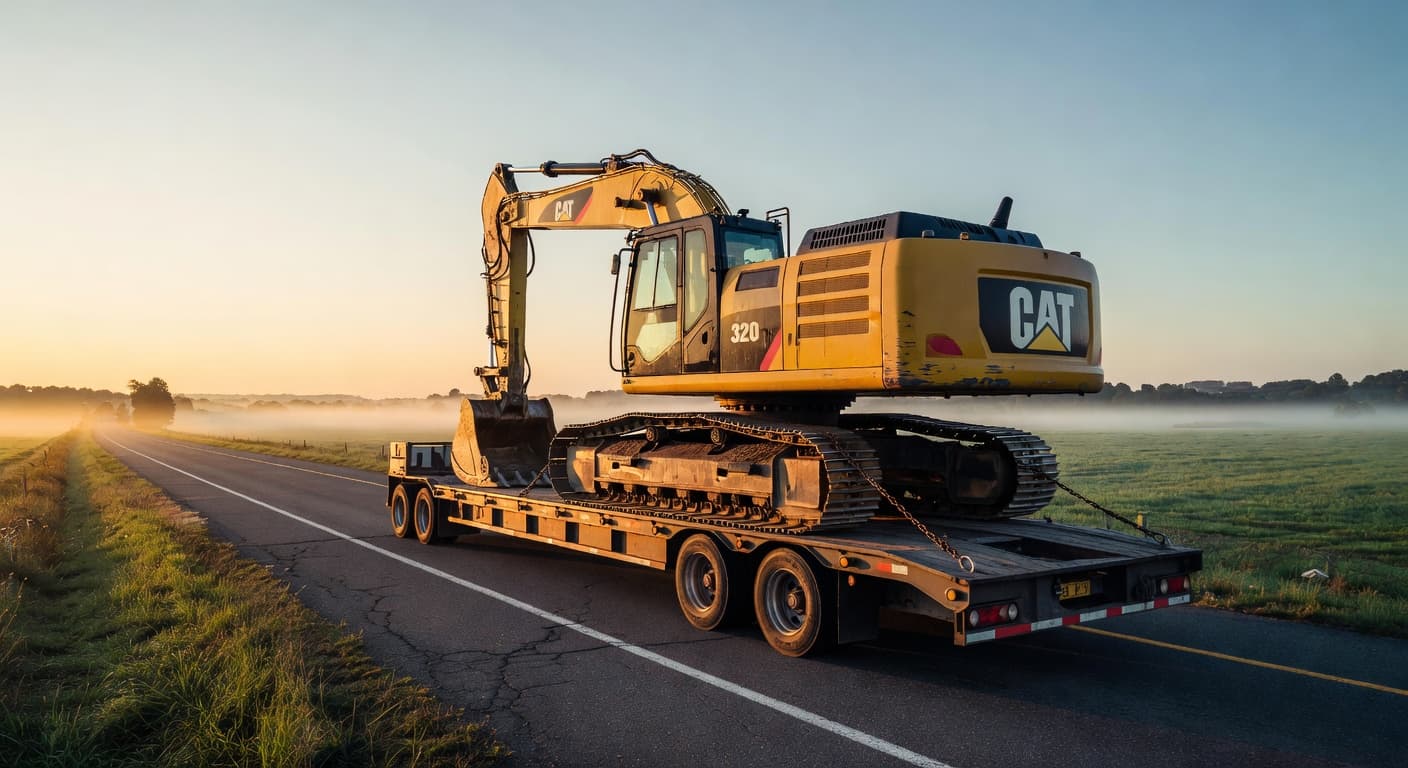
Typically covers heavy machinery like excavators, loaders, and generators against theft or damage at job sites and between them.

Installation Floater
Can help cover materials and fixtures from the moment you buy them until they are installed and accepted at a project.

Builders Risk
May cover a structure under construction, along with materials on site, against damage from fire, wind, theft, and vandalism.
Inland Marine Insurance Cost in Fort Wayne
Average Cost in Indiana
$20 - $85
per month
Businesses in Indiana typically see inland marine insurance premiums of $20 - $85 per month, which tends to run 12% below the national range of $20 - $100 per month.
- Total insured value of the scheduled property
- Type and age of the equipment
- Where it is stored and how far it travels
- Jobsite security and theft prevention
- Per-item limits and deductibles
- Prior theft and in-transit losses
Contact CPK Insurance for a personalized quote.
Prices shown are general estimates, not guaranteed rates or quotes. Your actual premium will depend on the insurer, coverage selected, business details, location, claims history, and other underwriting factors. Learn about our pricing methodology.
The cost picture for inland marine insurance in Indiana is shaped by a state market that is below the national average on premiums, with a premium index of 89. That index means Indiana generally prices about 11 percent below the national average, which gives you a useful starting point. Your final quote can vary depending on the class of business and the coverage structure. Indiana's competitive market gives businesses options, but pricing still depends on coverage limits and deductibles, claims history, location, industry or risk profile, and policy endorsements.
A contractor storing tools at multiple job sites around Indianapolis may see different pricing than a retailer shipping goods out of a warehouse in the state's transportation corridors, because the exposure is not the same. Indiana's storm profile also matters. High tornado risk, high severe storm risk, moderate flooding, and moderate winter storm risk can influence how insurers view mobile property, offsite storage, and project materials.
The state's property crime rate of 2,180 per 100,000 residents sits slightly above the national average, which is relevant when property is left at job sites or in temporary storage. That difference is small enough that it may not move your premium much on its own, but it does mean carriers will look closely at where and how you store gear overnight. If you are comparing quote options, ask how the carrier prices tools and equipment insurance versus contractors equipment insurance, because the class of property can change the premium structure.
Industries & Insurance Needs in Fort Wayne
Allen County's business mix changes the buying conversation because the leading sectors point to frequent movement of smaller, higher-use property rather than only large contractor equipment. Retail trade accounts for 12.9% of establishments, health care and social assistance 12.1%, and other services except public administration 10.7%. So if you support stores, clinics, personal service businesses, or similar operations, your inland marine review should focus on what travels between locations, what is checked in and out by staff, and what sits temporarily before installation or service. That can include display equipment, diagnostic tools, specialized electronics, repair gear, or customer items in your care, depending on policy terms. A useful quote request here usually separates owned equipment from customer property, notes any recurring temporary locations, and flags items that are easy to carry, easy to resell, or expensive to recalibrate after a loss.
What Makes Fort Wayne Different
In some markets, coverage decisions center on long-distance transit or large project corridors. Here, many businesses operate close together, so losses can happen during ordinary movement between nearby stops, while loading at a supplier, or while property is staged briefly before the next appointment. If your team makes several short runs in a day, a form designed around occasional transport may leave practical gaps in how a claim is evaluated. Review your real chain of custody instead. Note who loads each item, who signs for it, where it is stored between calls, and whether it is yours or a customer's. That is where a generic equipment list becomes a workable local policy structure.
Our Recommendation for Fort Wayne
Start with a property map, not a limit. List the items that leave your main address, who uses them, and the three most common places they sit during the workday, then separate property into categories that underwriters can evaluate clearly. These typically include owned tools and equipment, installation materials, leased items, and customer property in your care if that exposure applies. If you serve households, Fort Wayne's median household income is $60,293, which means a damaged customer item or a delayed home project can turn into a payment dispute before you expect it. That makes documentation and valuation methods worth reviewing before a loss. Ask specifically how the quote treats unnamed locations, transit between short local stops, theft from vehicles, and items that are borrowed or shared across crews. If any part of your operation is unclear, the Indiana Department of Insurance can confirm complaint and licensing information before you bind coverage.
Get Inland Marine Insurance in Fort Wayne
Enter your ZIP code to compare inland marine insurance rates from carriers in Fort Wayne, IN.
Business insurance starting at $25/mo
FAQ
Frequently Asked Questions
Start with property that regularly leaves your main address: tools, portable equipment, installation materials, and any customer items you transport or hold temporarily. The schedule should reflect how those items actually move during a normal workday, not just their purchase price.
Allen County has 9,586 business establishments, so losses here tend to happen during routine local handoffs rather than long-haul transit. Your quote should address short trips, temporary staging, and who has custody of property at each stop.
Operations with frequent nearby deliveries or service calls still have mobile property exposure. Short trips can create repeated loading, unloading, and temporary storage points, so ask how the policy treats unnamed locations and property left between appointments.
Allen County's leading sectors are retail trade at 12.9%, health care and social assistance at 12.1%, and other services at 10.7%. Because those sectors rely heavily on portable equipment and direct customer interaction, many buyers need to focus on service tools and customer property exposures rather than only heavy machinery.
Fort Wayne's median household income is $60,293, and at that level a repair delay or disputed replacement can become a financial strain for the customer quickly. If you install, pick up, or service customer property, review valuation, documentation, and chain-of-custody procedures with the quote.
In Indiana, it can cover business property that moves between job sites, temporary storage, customer locations, or transit routes, including tools, equipment, materials, and shipped goods, subject to the policy terms and listed perils.
It is designed to follow covered property away from your fixed business location, so offsite storage in places like Indianapolis and other Indiana cities can be included if the policy language and endorsements support that exposure.
Contractors, installers, manufacturers, transportation and warehousing businesses, and any company that regularly moves valuable property between locations in Indiana are common candidates for this coverage.
Sources
- 1.U.S. Census Bureau, County Business Patterns, Allen County(Allen County has 9,586 business establishments, so your equipment, installation materials, diagnostic devices, or customer property may move between vendors, clinics, retail locations, repair shops, and temporary work areas without ever leaving the broader local market.; Retail trade accounts for 12.9% of establishments, health care and social assistance 12.1%, and other services except public administration 10.7%.)
- 2.U.S. Census Bureau, ACS 5-Year Estimates, table B19013(Fort Wayne's median household income is $60,293, so replacing a damaged customer item or delaying a home project can create a payment dispute quickly.)
- 3.Indiana Department of Insurance(You can also confirm complaint and licensing information through the Indiana Department of Insurance before binding coverage.)
Updated July 16, 2026





