
Updated July 5, 2026

Builders Risk Insurance in Indianapolis
Projects here often move from infill lots near downtown to renovations in older neighborhoods and then out to small commercial build-outs along major commuter corridors, all while lenders, owners, and contractors trade certificates, draw schedules, and delivery dates on tight timelines. That is why builders risk insurance in Indianapolis usually deserves a closer review around project value, temporary storage, and who needs to be named before materials start landing on site. Local housing economics matter to that review. With a median home value of $207,000, many residential jobs are not luxury custom builds, so an understated completed value or a stripped-down form can create a real gap if a loss hits mid-project. Household budgets matter too. Renovation clients may phase work, change scope, or supply some materials themselves, which can complicate valuation and responsibility for items not yet installed. Before binding coverage, line up the construction budget, owner-supplied materials, soft cost needs, and the expected completion date so the policy tracks the way the job will actually unfold.
Builders Risk Insurance Risk Factors in Indianapolis
Local weather is not unique enough to change the whole buying approach by itself, but project logistics here still deserve attention. Many jobs involve staged deliveries, partial renovations, and materials sitting briefly at a residence or small commercial site before installation. That makes it worth reviewing how the policy treats theft-sensitive items, **temporary storage**, fencing, and the point at which materials become your responsibility. On residential work, local home values can push buyers toward tighter budgets, so value engineering sometimes reaches the insurance line item first. If the insured value is set too low to keep costs down, a mid-build loss can turn into a funding problem with the owner or lender. On remodels, ask your agent to walk through existing structure versus new work, debris removal, and whether owner-purchased fixtures are included. The practical goal is simple: match the form to how materials move and where they sit before they are installed.
Indiana has a moderate climate risk rating. Top hazards: Tornado (High), Severe Storm (High), Flooding (Moderate), Winter Storm (Moderate). The state's expected annual loss from natural hazards is $1.1B, which influences builders risk insurance premiums and may affect coverage availability in high-risk areas.
What Builders Risk Insurance Covers
Indiana builders risk decisions usually turn on the parts of the job that create the most confusion after a loss, not the basic idea of insuring work in progress. Start by matching the policy to the way the project is actually being built. A ground-up commercial project, a tenant improvement inside an occupied building, and a residential addition each create different questions about temporary storage, materials in transit, scaffolding, fencing, and whether existing structures need separate treatment.
For Indiana renovations, one of the first issues to review is the line between new work and the pre-existing building. If the project touches only part of a structure, ask the agent to show you exactly how the form treats damage to the old portion, debris removal, and any resulting delay in reopening or reoccupying the space. If the owner assumes the whole property is addressed under one builders risk form, that misunderstanding can surface only after a claim.
You should also review where property is located before installation. Materials may sit at the job site, in a temporary storage location, or move between suppliers and the project. If your schedule includes long-lead items, custom components, or owner-furnished materials, make sure those exposures are specifically discussed during quoting instead of assumed.
Indiana weather patterns can also affect what you ask to see in the form. Rather than relying on a broad verbal summary, request the actual causes of loss wording, any sublimits that apply to water-related damage like pipe freezes or foundation seepage, and the conditions for theft or vandalism claims at an unattended site. Those specifics are where quotes with similar premiums can differ in ways that matter at claim time.
Coverage Included

Structure Coverage
Covers the building or structure under construction.

Materials on Site
Covers building materials stored at the construction site.

Materials in Transit
Covers materials being transported to the job site.
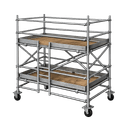
Temporary Structures
Covers scaffolding, fencing, and temporary buildings.

Soft Costs
Covers additional expenses from construction delays due to covered losses.

Equipment Coverage
Covers permanently installed fixtures and equipment.
Industries & Insurance Needs in Indianapolis
County business mix changes the kinds of projects that show up for this coverage. Marion County has 23,994 business establishments, and its largest establishment shares are health care and social assistance at 12.4%, retail trade at 11.9%, and professional, scientific, and technical services at 11.1%. So local builders risk demand is not limited to ground-up housing. You also see tenant improvements, clinic build-outs, office renovations, storefront work, and phased interior projects where occupancy, access, and delivery timing matter as much as the structure itself. That matters at quote time because a small medical office remodel or retail interior job can need a different conversation than a detached home build. Ask for the project description to be written with the actual occupancy and scope, including whether work is interior only, whether the space stays partially occupied, and whether materials are stored on site between trades. Those details help the policy fit the job instead of forcing the job into a generic template.
What Makes Indianapolis Different
Project mix is what changes the calculus here. In a market where residential jobs sit alongside clinic suites, storefront renovations, and office build-outs, the key issue is often not whether you need builders risk, but how precisely the policy matches the work in place. Contractors and owners are often moving between very different job types under similar deadline pressure. That creates more room for avoidable mistakes, especially if one policy request treats a tenant improvement, a residential remodel, and a small ground-up project as if they carry the same valuation and material-handling assumptions. The local housing picture reinforces that point. Many residential projects are budget-sensitive, and scope changes during the build are common enough to affect insured value. The practical takeaway is to review each job on its own facts: completed value, occupancy, renovation versus new construction, owner-supplied materials, and whether the site will be active between phases.
Our Recommendation for Indianapolis
Start with the construction contract and draw schedule, then build the insurance request from those documents instead of from a prior job's application. If the project is a remodel, separate existing structure questions from the value of new work so you do not assume the form handles both the same way. If the owner is supplying cabinets, fixtures, or finish materials, list that early and ask how those items are treated before installation. For small commercial jobs, describe the occupancy plainly, such as retail, medical, or office, because interior build-outs can be underwritten differently from ground-up work. If the budget is tight, resist the urge to trim insured value first. Owners may already be stretching to complete the project, so a loss during construction can stall funding fast if values were understated. Before you request a quote, gather the contract amount, change order process, site address, target completion date, and a clear list of stored or owner-furnished materials.
Get Builders Risk Insurance in Indianapolis
Enter your ZIP code to compare builders risk insurance rates from carriers in Indianapolis, IN.
Business insurance starting at $25/mo
FAQ
Frequently Asked Questions
Indianapolis renovation jobs often turn on valuation and material responsibility. Many projects are budget-sensitive, so you should review completed value, owner-supplied items, and whether the policy addresses materials before installation.
Indianapolis commercial projects should be described by actual occupancy and scope. Marion County's establishment mix includes health care, retail, and professional services, so a clinic suite, storefront, and office remodel can present different underwriting questions.
Marion County has 23,994 business establishments, so local contractors often move across many small commercial project types. That makes it important to match the policy to the specific job, not rely on a generic description copied from another build.
Indianapolis households can phase work or change finishes mid-project when budgets tighten. If scope shifts, you should revisit insured value and any owner-purchased materials before the gap shows up in a claim.
Indiana renovation projects often need closer review of how the policy separates new work from the existing building, especially if the property stays occupied. Ask for the exact form language on existing structures, temporary storage, and water-related loss conditions before binding.
Indiana projects usually place that responsibility on the party named in the construction contract or financing documents. Review the insurance clause first, then confirm which interests need to appear on the policy, certificates, or lender paperwork before work begins.
Indiana lender requirements vary by project, but many buyers run into builders risk questions during closing or draw setup. Having your contract, budget, completed value, and required policy parties ready early can help prevent evidence of coverage from holding up your funding.
Indiana builders risk forms may address off-site or temporary storage differently, so you should not assume all stored materials receive the same treatment. If custom or long-lead items will sit away from the project, disclose that during quoting and review the wording.
Sources
- 1.U.S. Census Bureau, ACS 5-Year Estimates, table B25077(Indianapolis median home value is $207,000.)
- 2.U.S. Census Bureau, ACS 5-Year Estimates, table B19013(Indianapolis median household income is $62,995.)
- 3.U.S. Census Bureau, County Business Patterns, Marion County(Marion County has 23,994 business establishments.; Marion County's leading establishment shares are health care and social assistance 12.4%, retail trade 11.9%, and professional, scientific, and technical services 11.1%.)
Updated July 5, 2026