Updated July 16, 2026

Car Insurance in Indianapolis
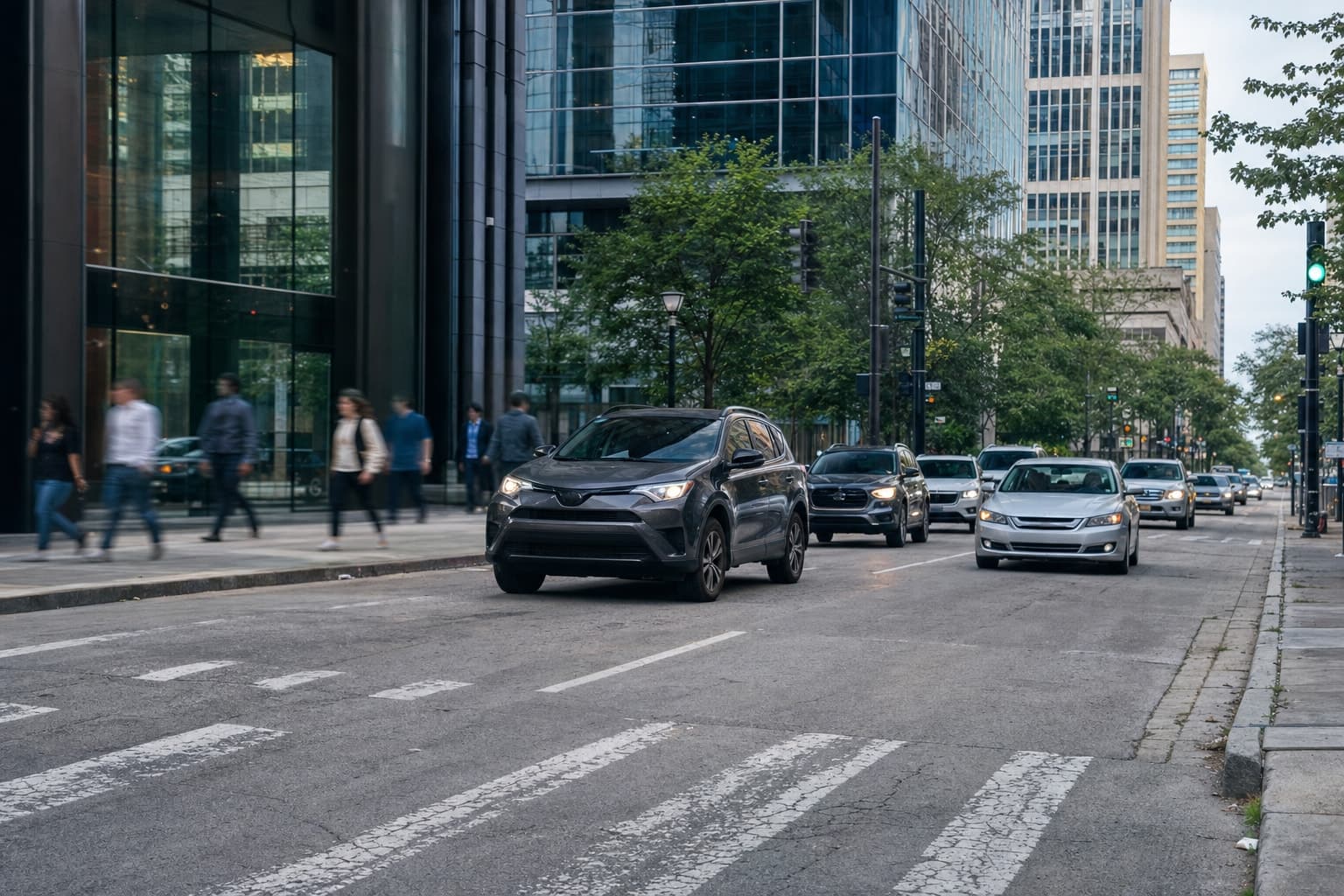
Your daily driving here is rarely just a straight commute. You might park downtown during the workday, hit neighborhood shops after hours, and bounce between the north side, south side, and suburbs on weekends. That pattern is why your local policy deserves a closer review than a generic state quote. Stop and go traffic, frequent parking transitions, and regular trips through commercial districts can change how you think about your coverage choices. Local household budgets also shape the decision. Comparing higher and lower deductible options side by side before you renew can help you keep monthly costs workable without leaving a gap that becomes expensive after a claim. If your car is financed, used for rides to multiple job sites, or shared across drivers in the household, ask for a quote that matches that real use instead of assuming a standard setup will fit.
Indiana has a moderate climate risk rating. Top hazards: Tornado (High), Severe Storm (High), Flooding (Moderate), Winter Storm (Moderate). The state's expected annual loss from natural hazards is $1.1B, which influences car insurance premiums and may affect coverage availability in high-risk areas.
What Car Insurance Covers
In Indiana, car insurance is built around the same core protections as other states, but the way you choose them should reflect local driving conditions and oversight from the Indiana Department of Insurance. Liability coverage is the foundation because it can help cover injuries and damage you cause to others in an auto accident. Collision coverage can help repair or replace your vehicle after a crash, while comprehensive coverage is especially relevant here because severe storms, tornadoes, flooding, and winter weather can damage a car even when no collision occurs. Uninsured motorist coverage is worth close attention because many drivers may not have enough protection if they cause a loss. Medical payments coverage can help with medical expenses after a crash, and rental reimbursement coverage can help keep you mobile while your car is being repaired.
Indiana does not force every driver into the same feature set, so your policy can be customized by limits and deductibles. Higher deductibles usually reduce the premium but shift more cost to you after a claim, while stronger liability limits can better fit a higher-exposure driver. Coverage can vary by vehicle, commute, and county, so a policy that works for a short local drive in Fort Wayne may not fit a daily Indianapolis commute or travel through storm-affected areas.
Coverage Included

Liability
Can help pay for injuries and property damage you cause to others in an accident, coverage most states require drivers to carry.

Collision
Can help pay to repair or replace your car after a crash with another vehicle or object, regardless of fault.

Comprehensive
Typically covers damage to your car from events other than collisions, such as theft, hail, fire, flooding, or hitting an animal.

Uninsured Motorist
May pay for your injuries and, in some states, car damage when an at-fault driver has no insurance or too little.

Medical Payments
Can help cover medical bills for you and your passengers after an accident, no matter who was at fault.

Rental Reimbursement
May pay for a rental car while your vehicle is in the shop for repairs after a covered claim.
Car Insurance Cost in Indianapolis
Average Cost in Indiana
$75 - $170
per month
In Indiana, car insurance premiums typically run $75 - $170 per month, which tends to run 28% below the national range of $110 - $230 per month.
- Driving record and age
- Vehicle make, model, and year
- Location and commute distance
- Credit-based insurance score
- Coverage limits and deductibles
Contact CPK Insurance for a personalized quote.
Prices shown are general estimates, not guaranteed rates or quotes. Your actual premium will depend on the insurer, coverage selected, personal details, location, claims history, and other underwriting factors. Learn about our pricing methodology.
The average premium range in Indiana is $75 to $170 per month, and the state's premium index shows prices are below the national average. That said, your final quote is still shaped by how you set liability, collision, comprehensive, and optional add-ons such as medical payments or rental reimbursement. A lower deductible can raise the premium, while a higher deductible often lowers it, so the quote changes quickly depending on how much risk you keep.
Local pricing also reflects Indiana's real exposure profile. Severe storm and tornado risk is high, and recent disasters included a 2024 tornado outbreak with 10 declared counties, which means comprehensive coverage can be a practical choice for many drivers. Indiana also logged 210,000 crashes in 2023 and 892 fatalities, which helps explain why insurers price carefully around driving history and vehicle use. Speeding, reckless driving, drowsy driving, impaired driving, and running red lights or stop signs are major crash causes in the state, so a clean record can matter. The market is competitive, with several major carriers operating in the state. That competition can influence your quote, but coverage limits, deductibles, claims history, location, and policy endorsements still drive the final number more than any single factor.
Industries & Insurance Needs in Indianapolis
Marion County has 23,994 business establishments, with health care and social assistance at 12.4% of establishments, retail trade at 11.9%, and professional, scientific, and technical services at 11.1%. That mix matters because a lot of local driving is tied to shift work, customer-facing errands, office commutes, and trips between worksites, so your personal auto policy should match how your car is actually used during the week.
If you drive to hospitals or clinics on irregular hours, make frequent retail trips with heavy parking-lot exposure, or move between offices and client locations, review whether your annual mileage estimate is still accurate and whether any business-use exposure needs to be disclosed. County business density also means more parking, more short trips, and more time around other vehicles, which is a practical reason to revisit collision deductibles and uninsured motorist limits before your next renewal.
What Affects Car Insurance Rates in Indianapolis
Budget pressure is part of the buying decision here, and that changes how you should review a policy. Indianapolis has a median household income of $62,995, so many households need coverage that stays affordable month to month while still leaving enough protection to handle a repair bill, a total loss, or a liability claim without draining savings. That usually makes deductible strategy more important than chasing the lowest premium alone.
A useful quote comparison here is not just one price. Ask to see the difference between several deductible levels, whether rental reimbursement is worth keeping based on how dependent you are on your car, and whether older vehicles still justify collision and comprehensive coverage. If your household has more than one driver or more than one car, review how each vehicle is used instead of carrying the same structure across all of them.
What Makes Indianapolis Different
In a city where many trips combine downtown parking, neighborhood errands, and cross-county travel in the same week, the coverage decision is less about state minimums and more about how often your car is exposed to other drivers, parking damage, and short-trip frequency. That is where a local quote can separate itself from a broad Indiana template. A large concentration of commercial destinations reinforces that point. Even personal-use vehicles can spend a lot of time in busy lots and on crowded surface streets when your routine driving includes offices, stores, clinics, and service locations. If your week includes commuting, school drop-offs, shopping runs, and occasional work-related stops, it pays to look at your full coverage picture at once. Build your policy around how your car actually moves through the city, not just around the minimum needed to stay legal.
Our Recommendation for Indianapolis
If one car handles downtown parking and daily commuting while another stays closer to home, it often makes sense to quote them with different deductibles and coverage choices rather than mirroring the same setup on both. That approach can help you control premium without stripping useful protection from the car that sees the most exposure. If you regularly drive to multiple work locations, carry passengers from your household, or rely on your vehicle to keep your schedule intact, ask whether your mileage and use classification are still accurate. If you are comparing policies and a coverage change is unclear, the Indiana Department of Insurance is the state regulator, but your immediate next step is simpler: request a quote review using your real commute, parking routine, and vehicle financing status so the policy is built around how you actually drive.
Get Car Insurance in Indianapolis
Enter your ZIP code to compare car insurance rates from carriers in Indianapolis, IN.
Car insurance starting at $59/mo
FAQ
Frequently Asked Questions
Indianapolis drivers should look past minimum liability and review collision, comprehensive, rental reimbursement, and deductible levels based on how often they park downtown, run short errands, and rely on the car for daily scheduling.
Indianapolis households often balance protection against monthly budget pressure. Local budget conditions make it sensible to compare deductible options and remove or keep coverages based on the car's value and daily dependence.
Marion County has 23,994 business establishments, which means your daily routes likely put you near more traffic, tighter parking, and busier intersections than a rural driver faces. **That density translates to more fender benders and parked-car dings, so reviewing your collision deductible and liability limits with your quote can help you avoid overpaying for the wrong setup.**
Indianapolis commuters should disclose regular trips to multiple work locations because use patterns affect rating and coverage fit. If your week includes client visits or rotating sites, ask whether your current policy classification still matches.
Marion County's leading sectors are health care and social assistance at 12.4%, retail trade at 11.9%, and professional, scientific, and technical services at 11.1%. In practical terms, that mix means more shift workers, more customer traffic during business hours, and more cars coming and going from the same commercial corridors you drive every day. **When the roads stay busy at odd hours, a rental reimbursement add-on can keep your schedule intact if your car is in the shop after a claim.**
Indiana car insurance typically combines liability, collision, comprehensive, uninsured motorist, medical payments, and rental reimbursement options, and you can tailor the limits and deductible to your vehicle and commute. Drivers in storm-prone counties or busy Indianapolis traffic often compare more than one coverage mix because local risk is not the same statewide.
Indiana is regulated by the Indiana Department of Insurance, and the state-specific minimums provided here for commercial auto are $25,000/$50,000/$25,000. For personal car insurance, it is important to review the policy details with a licensed agent because coverage choices, limits, and endorsements can vary.
The average premium range in Indiana is $75 to $170 per month, but your final price depends on coverage limits, deductibles, claims history, location, and endorsements. Drivers with longer commutes, prior claims, or higher-risk driving patterns may see different quotes.
Sources
- 1.U.S. Census Bureau, ACS 5-Year Estimates, table B19013(Indianapolis has a median household income of $62,995.)
- 2.U.S. Census Bureau, County Business Patterns, Marion County(Marion County has 23,994 business establishments.; Marion County's leading sectors by establishment share are health care and social assistance 12.4%, retail trade 11.9%, and professional, scientific, and technical services 11.1%.)
- 3.Indiana Department of Insurance(The state regulator is the Indiana Department of Insurance.)
Updated July 16, 2026