








































Updated July 16, 2026

Commercial Truck Insurance in Indianapolis
Buying commercial truck insurance in Indianapolis usually means underwriting a route map built around frequent stops, tighter delivery windows, and more interaction with loading docks, retail sites, medical campuses, and service locations than you see on longer rural runs elsewhere in the state. That density changes what you should review first: liability limits, physical damage deductibles, hired and non-owned auto if dispatch relies on borrowed vehicles, and cargo terms that match short-haul, multi-stop work. Marion County has 23,994 business establishments, which means a single trucking account here can touch dozens of customers, properties, and contract requirements in a compact area. The county mix also matters. Health care and social assistance accounts for 12.4% of establishments, retail trade 11.9%, and professional, scientific, and technical services 11.1%. That freight tends to be scheduled, customer-facing, and less forgiving of delays or damaged goods, so you may be hauling time-sensitive supplies, store deliveries, or equipment to clients that expect clean certificates and clear loss-control practices before work starts. Build your quote around your actual stop count, parking setup, trailer interchange needs, and whether your trucks stay inside the metro most weeks or rotate onto longer lanes.
Commercial Truck Insurance Risk Factors in Indianapolis
Indianapolis's top risk factors include Tornado damage, Hail damage, Severe storm damage, and Wind damage.
Indiana has a moderate climate risk rating. Top hazards: Tornado (High), Severe Storm (High), Flooding (Moderate), Winter Storm (Moderate). The state's expected annual loss from natural hazards is $1.1B, which influences commercial truck insurance premiums and may affect coverage availability in high-risk areas.
What Commercial Truck Insurance Covers
Indiana truck policies are usually built around how your operation creates loss exposure, not around a generic template. If you run interstate loads, your review often centers on liability limits, cargo terms, trailer interchange if you pull someone else's trailer, and physical damage for financed equipment. If you stay local with box trucks, dump trucks, or service trucks, the bigger issue may be whether the policy classifies the vehicle use, operating radius, and driver duties accurately enough to avoid surprises after a claim.
For Indiana buyers, that means looking closely at where a truck is parked, how often it crosses county or state lines, whether drivers take units home, and whether the truck is attached to a trailer you own, lease, or borrow. A straight truck making frequent stops in town can create a different claim pattern than a tractor running longer highway miles, even if both are insured under the same business name. Your quote should separate those exposures clearly.
You should also review what is not automatically solved by carrying only the state's minimum road liability. A commercial buyer should ask whether higher liability limits, cargo protection, downtime planning, and lender-required physical damage terms make more sense for the value at risk. If a broker, shipper, or contract asks for specific limits or endorsements, bring that paperwork into the quote process before binding anything.
Coverage Included

Motor Carrier Liability
Can help cover injuries and property damage your truck causes to others, a coverage federal regulators require most for-hire carriers to maintain.

Physical Damage
Can help pay to repair or replace your own truck after an accident, fire, theft, or vandalism.
Cargo Coverage
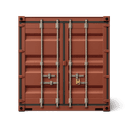
May pay for damage to or theft of the freight you are hauling while it is in your care.
Trailer Interchange
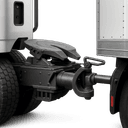
Can help cover damage to trailers you haul under an interchange agreement but do not own.

Bobtail Coverage
May provide liability protection when you drive your tractor without a trailer attached, such as after dropping off a load.

Non-Trucking Liability
Can help cover accidents that happen when you use your truck for personal errands rather than dispatched work.
Commercial Truck Insurance Cost in Indianapolis
Average Cost in Indiana
$360 - $925
per month
Businesses in Indiana typically see commercial truck insurance premiums of $360 - $925 per month, which tends to run 16% below the national range of $400 - $1,125 per month.
- Radius of operation
- Commodities hauled and cargo value
- Number and value of power units
- Driver motor vehicle records and CDL experience
- DOT safety record, inspections, and FMCSA scores
- Liability limits and physical damage deductibles
Contact CPK Insurance for a personalized quote.
Prices shown are general estimates, not guaranteed rates or quotes. Your actual premium will depend on the insurer, coverage selected, business details, location, claims history, and other underwriting factors. Learn about our pricing methodology.
In Indiana, commercial truck pricing is driven by vehicle type, gross weight, operating radius, cargo, driver records, years of experience, garaging location, prior claims, requested limits, deductibles, and whether you insure one unit or a fleet. A local contractor with a single dump truck can rate very differently from an owner-operator hauling brokered freight across several states, even if both ask for the same liability limit.
Many Indiana businesses see premiums from $360 to $925 per month, depending on those factors and the policy structure. For a small business, that means budgeting somewhere in that range for a single truck, though your actual cost depends on what you haul, how far you drive, and what coverages you include. A $360 premium typically reflects a lighter local truck with modest limits and no physical damage coverage. A $925 premium often points to a heavier unit, broader cargo terms, higher liability limits, or interstate filings. That range is only a starting frame for budgeting. It does not tell you whether your quote includes physical damage, cargo, trailer interchange, or filings tied to your work. A lower premium can simply mean narrower terms, higher deductibles, lower limits, or a vehicle use classification that does not match the truck's actual work pattern.
If you want a quote you can trust, prepare a clean submission. Include VINs, unit values, driver license details, years of commercial driving experience, loss runs if you have prior coverage, and the exact commodities or job types involved. If a truck is financed, leased on, or used under contract, say so up front. Indiana buyers usually get a more useful comparison when they ask each market to quote the same limits, deductibles, and optional coverages, then review what changes the premium most. That lets you decide whether to retain more risk through a deductible or pay more for broader terms.
What Makes Indianapolis Different
In this market, the issue is often not a single long interstate haul but repeated exposure across a concentrated customer base, with more backing, unloading, curbside positioning, and driver decision points packed into each day. That can make a policy that looks adequate on paper feel thin once you compare it to how your trucks actually operate. A dense business base means more vendor relationships, more certificates of insurance requests, and more chances for contract language to push you toward higher limits or added coverages. The county's leading sectors point to freight patterns that are often scheduled, customer-facing, and less forgiving of delays or damaged goods. If your book includes clinics, stores, offices, or specialized service accounts, ask for a quote that separates local delivery exposure from any longer-radius work instead of blending everything into one broad assumption.
Our Recommendation for Indianapolis
Start with your dispatch reality, not a generic truck class. If your drivers make frequent stops around warehouses, clinics, stores, and office properties, ask your agent to review whether your liability limit still fits the contracts you sign and the places where your trucks unload. If you use leased trailers, swap equipment, or occasionally send employees in non-owned vehicles to move parts or paperwork, bring that into the quote early. You should also map where units park after hours, who has custody of cargo during loading and unloading, and whether any customer requires primary and noncontributory wording or additional insured status. If your customer base includes household-facing deliveries, it is also worth checking whether your insurer needs a clearer description of driver screening, telematics, or radius changes before renewal. Bring a recent vehicle schedule, driver list, and sample contracts so the quote reflects how you operate now.
Get Commercial Truck Insurance in Indianapolis
Enter your ZIP code to compare commercial truck insurance rates from carriers in Indianapolis, IN.
Business insurance starting at $25/mo
FAQ
Frequently Asked Questions
Indianapolis stands out because local trucking here often means a denser mix of stops, contracts, and certificate requests. You should quote for actual stop frequency, unloading activity, and customer requirements, not just vehicle type and radius.
Marion County's business mix leans heavily toward health care, retail, and professional services. Those accounts often bring tighter delivery schedules, site rules, and contract language worth reviewing before binding.
Indianapolis fleets often should separate them if the exposure is materially different. Dense local routes usually involve more stops, backing, and loading activity, while longer lanes change mileage and territory assumptions.
Marion County often means vendor setups, dock rules, and insurance certificate requests for trucking operators serving multiple business customers. Keep your COIs current and review endorsements early if a shipper or property manager sets contract-specific requirements.
For truck coverage, route density, contracts, cargo, and vehicle use drive the buying decision more directly than household income, especially if your work shifts between local delivery and longer lanes.
Indiana trucking businesses should treat the legal minimum as a starting point, then compare higher limits against contracts, vehicle size, routes, and the financial impact of a serious third-party loss.
Indiana uses a minimum auto liability baseline for road compliance. That helps you confirm the legal floor, but your quote should still be built around truck type, operating radius, cargo, driver history, and any broker, shipper, or lender requirements.
Indiana startups can usually request coverage for a single truck, but the quote depends heavily on driver experience, vehicle value, planned radius, and the kind of loads or jobsite work involved. Bring complete driver and unit details so the first quote is usable.
Sources
- 1.U.S. Census Bureau, County Business Patterns, Marion County(Marion County has 23,994 business establishments.; The county's leading sectors are health care and social assistance at 12.4%, retail trade at 11.9%, and professional, scientific, and technical services at 11.1%.)
Updated July 16, 2026





