Updated July 16, 2026

Key Takeaways
- Compare liquor liability quotes using the same limits and the same description of your alcohol operations, then read exclusions and defense wording before you choose a policy.
- Ask whether assault and battery is included, limited, or excluded, especially if you operate late hours, use security, host events, or manage crowded service areas.
- Document ID checks, server training, incident logs, and cut-off procedures so your application and your claim file both support how you actually operate.
- Review contracts from landlords, venues, and event partners early so you can match liquor liability limits and certificate requirements before binding coverage.
- Separate host liquor questions from true liquor liability needs if alcohol is only furnished occasionally and not part of your regular business revenue.
Liquor Liability Insurance in Indiana
Before you open a tab, sign an event contract, or hand a certificate to a landlord, you usually need a policy that matches how alcohol is actually sold and served at your Indiana location. For many buyers, that means deciding whether your operation needs standalone coverage or a tighter package built around your existing liability program. The practical issue is not just having a policy on file but making sure the named insured, service model, hours, off-site activity, and requested limits line up with what your lease, vendor agreement, or event paperwork asks for.
What Liquor Liability Insurance Covers
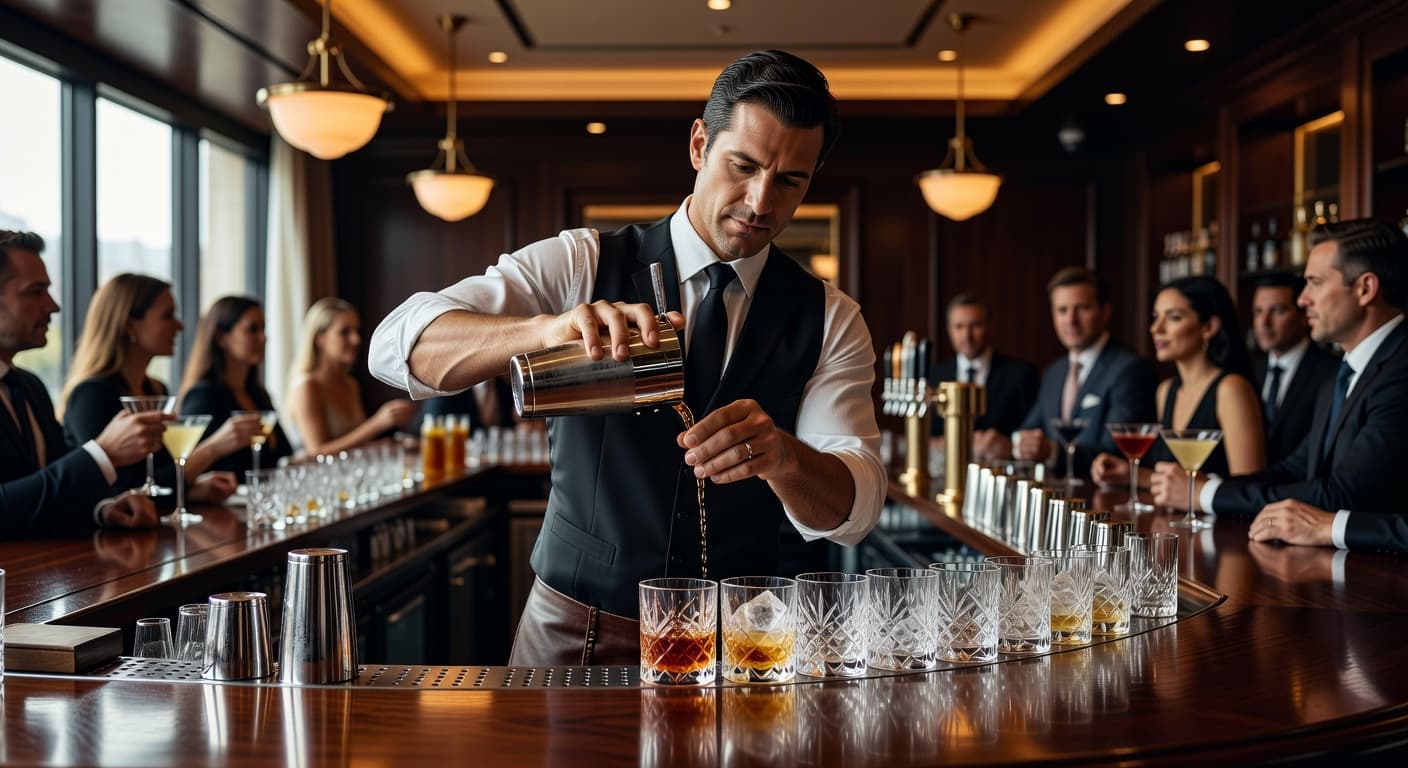
In Indiana, the useful review starts with your actual alcohol operations, not a generic class code. A neighborhood restaurant with table service, a tavern with late-night receipts, a wedding venue that requires approved bartenders, and a retailer selling sealed bottles all create different claim paths. Your policy review should focus on where alcohol changes hands, who serves it, whether service is on premises or off site, and whether third-party vendors ever pour under your name.
For many Indiana businesses, the key coverage question is how the policy responds after an allegation that service to an intoxicated person or a minor contributed to bodily injury. From there, look at defense cost handling, assault and battery limitations or exclusions, how employees and temporary staff are treated, and whether special events need separate scheduling. If you host tastings, festivals, or catered functions, ask whether those dates and locations fit the policy territory and operations description.
Certificate requests matter too. Indiana landlords, lenders, distributors, and event organizers often want proof of liquor liability before they release space or finalize a contract. That means your policy should be reviewed for the exact business name, additional insured wording if requested, and any venue-specific insurance requirements. If your operation changes seasonally, add that to the application instead of assuming the original setup still fits.

Bodily Injury Liability
Can help cover injuries an intoxicated patron causes to others after your business served or sold them alcohol.

Property Damage Liability
May pay for property damage caused by an intoxicated customer your establishment served, such as a car crash after leaving.

Assault & Battery
Can help cover claims arising from fights or physical altercations involving intoxicated patrons at your bar or restaurant.

Defense Costs
May pay for attorneys, court fees, and related legal expenses when your business is sued over an alcohol-related incident.

Host Liquor Liability
Can help cover alcohol-related claims from events where you host or serve drinks without selling them, like company parties.
Liquor Liability Insurance Requirements in Indiana
- Indiana venues that host weddings, fundraisers, and private receptions should confirm whether outside bartenders trigger separate insurance requirements or need their own certificates before service begins.
- If your business operates under an LLC but advertises under a different DBA, make sure both the policy naming and certificate requests match the contracting entity.
- Restaurants and bars with patios, live entertainment, or rotating event spaces should disclose each service area clearly so underwriting reflects the full alcohol exposure.
- Indiana retailers offering tastings or promotional pours should ask whether those activities fit the described operations or require separate underwriting review.
How Much Does Liquor Liability Insurance Cost in Indiana?
Average Cost in Indiana
$45 - $180
per month
Businesses in Indiana typically see liquor liability insurance premiums of $45 - $180 per month, which tends to run 22% below the national range of $50 - $240 per month.
- Share of sales that comes from alcohol
- Type of venue and how late you serve
- Server training and service procedures
- State dram shop law
- Liquor liability limits selected
- Prior over-service or assault claims
Contact CPK Insurance for a personalized quote.
For Indiana buyers, liquor liability pricing usually moves with exposure details that underwriters can verify quickly. Many businesses see monthly premiums vary based on alcohol receipts, hours of sale, entertainment, security practices, prior claims, requested limits, deductible structure, and whether you run one location or several. The reason is straightforward: each factor changes how an underwriter measures the chance and severity of a claim, so more detail usually means a tighter quote.
A restaurant that serves alcohol as part of food sales may present differently from a bar where alcohol drives most receipts. A banquet hall with occasional hosted events is rated differently from a venue with frequent public functions. Package stores, breweries, wineries, and caterers also get reviewed through their own operating details, especially if they offer tastings, delivery, or off-site service. If your business uses door staff, ID scanning, written incident logs, or formal server training, include that early because underwriters often price more confidently when controls are documented.
Indiana quotes also change when the paperwork is incomplete. If your application leaves out live entertainment, dance floors, patio service, security vendors, or temporary events, the first quote may not match the risk the carrier eventually sees. That can lead to revised pricing or coverage restrictions later. To get a quote you can actually use, prepare current alcohol sales figures, a description of service hours, your loss history, and copies of any lease or event insurance requirements before you shop.
Prices shown are general estimates, not guaranteed rates or quotes. Your actual premium will depend on the insurer, coverage selected, business details, location, claims history, and other underwriting factors. Learn about our pricing methodology.
Request a Quote Comparison
Enter your ZIP code to compare liquor liability insurance rates from top carriers.
Business insurance starting at $25/mo
Who Needs Liquor Liability Insurance?
In Indiana, the buyers who most often need this review are businesses whose revenue or contracts depend on alcohol service being handled correctly on paper and in practice. That includes a wide range of operations, from bars and restaurants to breweries, wineries, distilleries, liquor stores, caterers, banquet halls, and event spaces that allow alcohol sales or service. If customers, guests, or third-party bartenders are consuming alcohol in connection with your business, you should assume the exposure deserves a specific coverage review.
Some Indiana businesses need it because a lease, event agreement, or vendor contract requires proof before operations begin. Others need it because their general liability policy may not be designed to pick up liquor-related allegations. That distinction matters for venues that rent space for receptions, nonprofits that run fundraising events with alcohol, and restaurants that add pop-up bars, tasting nights, or catered service outside their main premises.
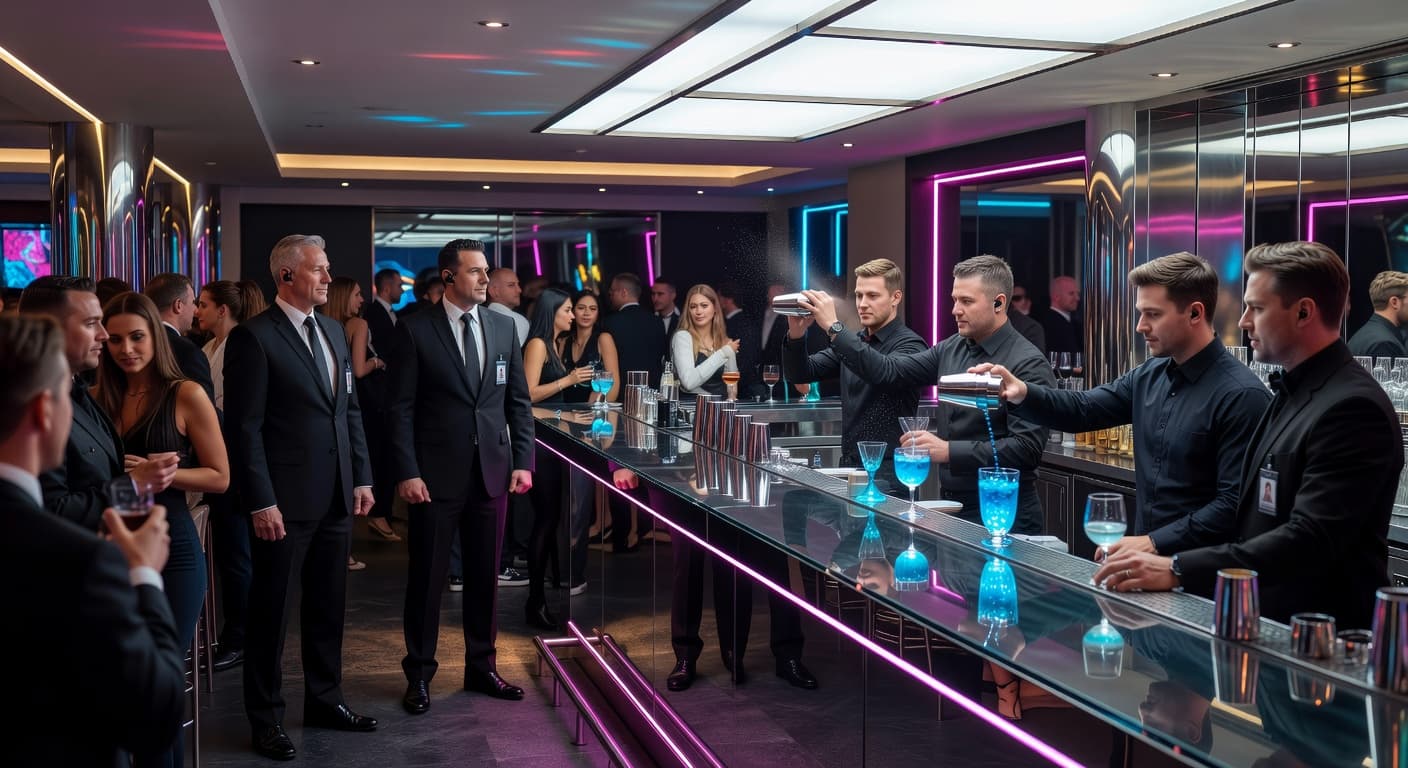
You should also look closely if your operation has any of these traits: late closing hours, entertainment, security staff, a high share of alcohol receipts, frequent special events, multiple service areas, or off-site bartending. Each one can change how an underwriter views your exposure. Even if alcohol is not your main product, the need can still be real if contracts require certificates or if a single incident could put your lease, event calendar, or operating cash flow under pressure. The practical test is simple: if alcohol service is part of how you earn revenue or keep bookings, get the exposure reviewed before renewal or before the next contract is signed.
Liquor Liability Insurance by City in Indiana
Liquor Liability Insurance rates and coverage options can vary across Indiana. Select your city below for localized information:
How to Buy Liquor Liability Insurance
Start your Indiana purchase process by gathering the documents that actually drive underwriting. That usually means your current policy, loss runs if available, and estimated annual alcohol sales. You should also collect total sales figures, business entity details, hours of operation, and a short description of how alcohol is sold or served. If you have a lease, event contract, or venue packet asking for specific limits or additional insured wording, include that up front so the quote can be built around the requirement instead of corrected later.
Next, map your operations clearly. Underwriters need to know whether you serve on premises, sell sealed containers, host private events, cater off site, use subcontracted bartenders, or operate from more than one location. They also need to know about entertainment, security, age-verification procedures, and any written alcohol service training. A clean submission helps avoid the common Indiana problem of getting a quote that looks workable until the carrier learns about a patio bar, dance floor, festival booth, or separate event space.
Then compare policy terms, not just price. Review who is insured, how defense is handled, whether exclusions affect assault and battery or employee conduct, and whether special events or temporary locations need separate treatment. If a certificate is required, confirm the named insured and any requested endorsements before binding. Request a quote through CPK Insurance to compare your options with participating licensed providers.
How to Save on Liquor Liability Insurance
The cleanest way to control Indiana liquor liability costs is to make your risk easier to underwrite. Carriers price uncertainty. When your submission clearly documents alcohol receipts, service hours, staff training, ID-check procedures, incident logs, and security controls, you give the underwriter fewer reasons to load the premium or narrow terms.
You can also save by matching the policy to the operation you really run. If your business only hosts a limited number of alcohol-related events, say so and document it. If off-site service is occasional rather than routine, make that clear. If entertainment is seasonal, explain the schedule. Indiana buyers often overpay when an underwriter assumes broader exposure than the business actually has. The goal is not to minimize the risk on paper. It is to describe it accurately enough that the quote fits.
Loss control matters. Written serving procedures, documented staff training, ID verification steps, incident logs, and a plan for cutting off service can all support a better underwriting conversation. Security arrangements, manager oversight, and vendor transfer procedures also help if your venue uses outside bartenders or hosts private events. Finally, shop before the deadline. Last-minute Indiana renewals leave little time to correct classifications, negotiate terms, or satisfy a landlord's certificate request. Start early, compare more than one option, and bring your contracts into the review. That gives you room to adjust limits, endorsements, and operational details before you bind, instead of paying for a rushed decision.
Our Recommendation for Indiana
For Indiana buyers, the smartest move is to treat liquor liability as an operations review, not just an insurance purchase. Start with the contracts that can stop revenue fastest: your lease, event agreements, distributor requirements, and venue packets. Then compare those demands against how alcohol is actually sold, poured, monitored, and documented at your business.
Ask direct questions during quoting. Are private events covered the way you run them now? Do off-site catered jobs need separate scheduling? If a third-party bartender serves under your roof, where does your responsibility begin and end? If your business name, LLC structure, or DBA changed, does the policy match the entity that signs contracts and receives certificates? Those details often matter more than a small premium difference.
You should also verify where to turn if a policy servicing issue arises. In Indiana, the state regulator is the Indiana Department of Insurance, so that is the oversight point to keep in mind while you review policy documents and complaint procedures. Use that as a reminder to read the forms carefully before binding. Before you request a quote, prepare one concise summary of your alcohol operations, event activity, controls, and prior incidents. That single step usually leads to a more accurate proposal and fewer surprises after the application goes to underwriting.
FAQ
Frequently Asked Questions
Yes, and many do. If your contract asks for specific limits, additional insured wording, or vendor certificates, bring that paperwork into the quote process so the policy can be matched correctly.
Indiana policyholders can contact the Indiana Department of Insurance for help with policy servicing or complaint issues. The department's website offers complaint forms, consumer guides, and contact information for direct assistance.
Indiana caterers often need a policy review that specifically addresses off-site alcohol service, temporary venues, and subcontracted bartenders. A standard setup for your main location may not automatically fit every banquet hall, wedding, or corporate event you serve.
Indiana package stores and bars usually present different alcohol exposures, so the same policy structure may not fit both. Retail sealed-bottle sales, on-premises service, tastings, and late-night operations should all be described separately during underwriting.
Indiana bars usually get a better quote when they provide alcohol sales, total sales, hours of operation, entertainment details, security procedures, prior incidents, and any lease or event insurance requirements. That helps the underwriter price the actual exposure instead of making assumptions.
Indiana nonprofit events can still need liquor liability review if alcohol is sold or served in connection with the event. The key questions are who is serving, whether a venue contract requires coverage, and whether a third-party vendor is providing its own certificate.
Indiana quotes often change when the underwriter discovers exposures missing from the first submission. Common examples include patios, live music, dance floors, private events, or off-site service. A fuller application usually leads to a more stable quote and fewer last-minute revisions.
U.S. businesses that sell, serve, or distribute alcohol should review liquor liability insurance. That usually includes bars, restaurants, breweries, wineries, liquor stores, caterers, hotels, and event venues, especially when alcohol service is part of normal operations rather than an occasional event.
Sources
- 1.Indiana Department of Insurance(In Indiana, the state regulator is the Indiana Department of Insurance, so that is the oversight point to keep in mind while you review policy documents and complaint procedures.)
Updated July 16, 2026