
How rental property ownership changes your homeowners insurance decision
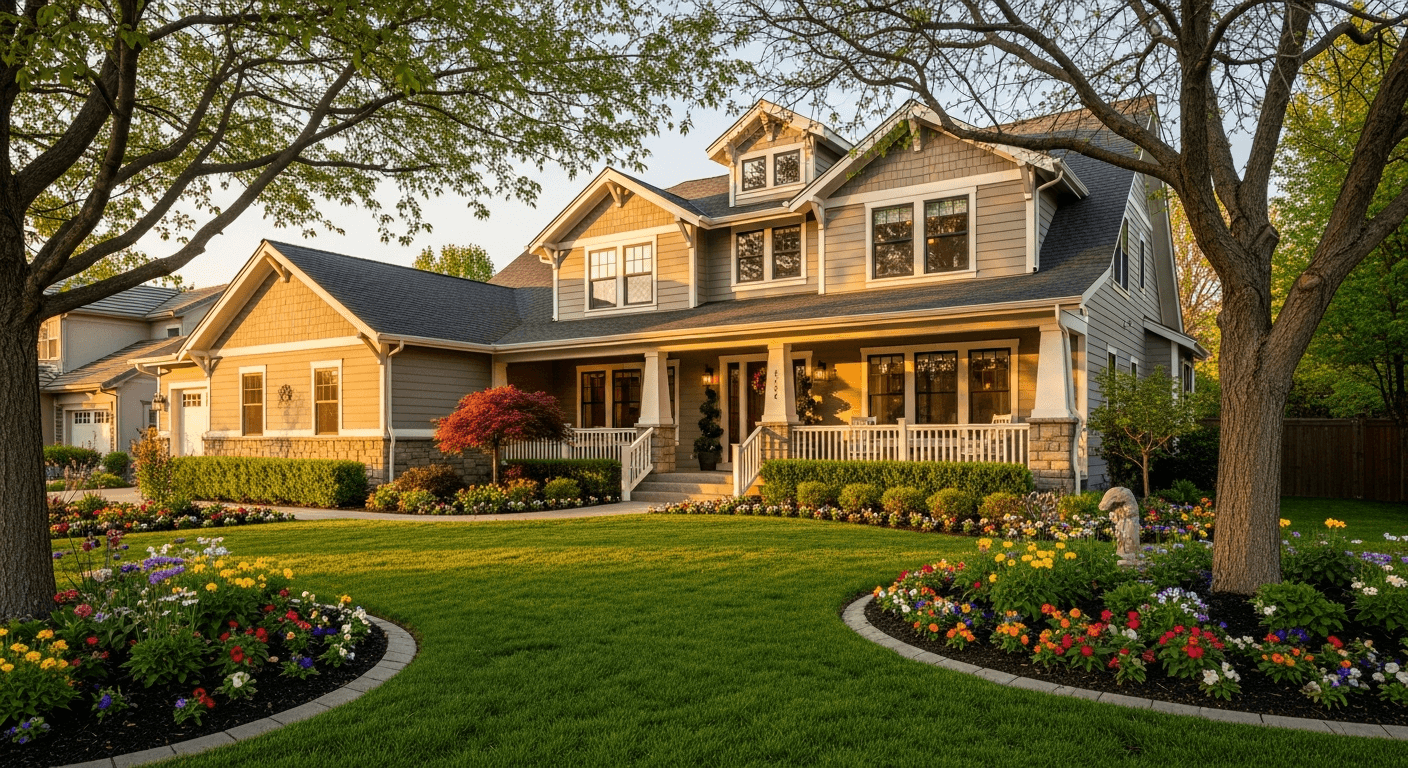
Homeowners insurance for a rental property works differently because you are insuring a house you do not occupy every day, while still carrying the financial risk if a fire, water loss, storm claim, or liability allegation hits the property. Your decision starts with how the home is actually used: a single long term tenant, a recently renovated house waiting for lease-up, or a property that turns over between occupants and sits vacant for short stretches. Each pattern changes what an insurer will want to review.
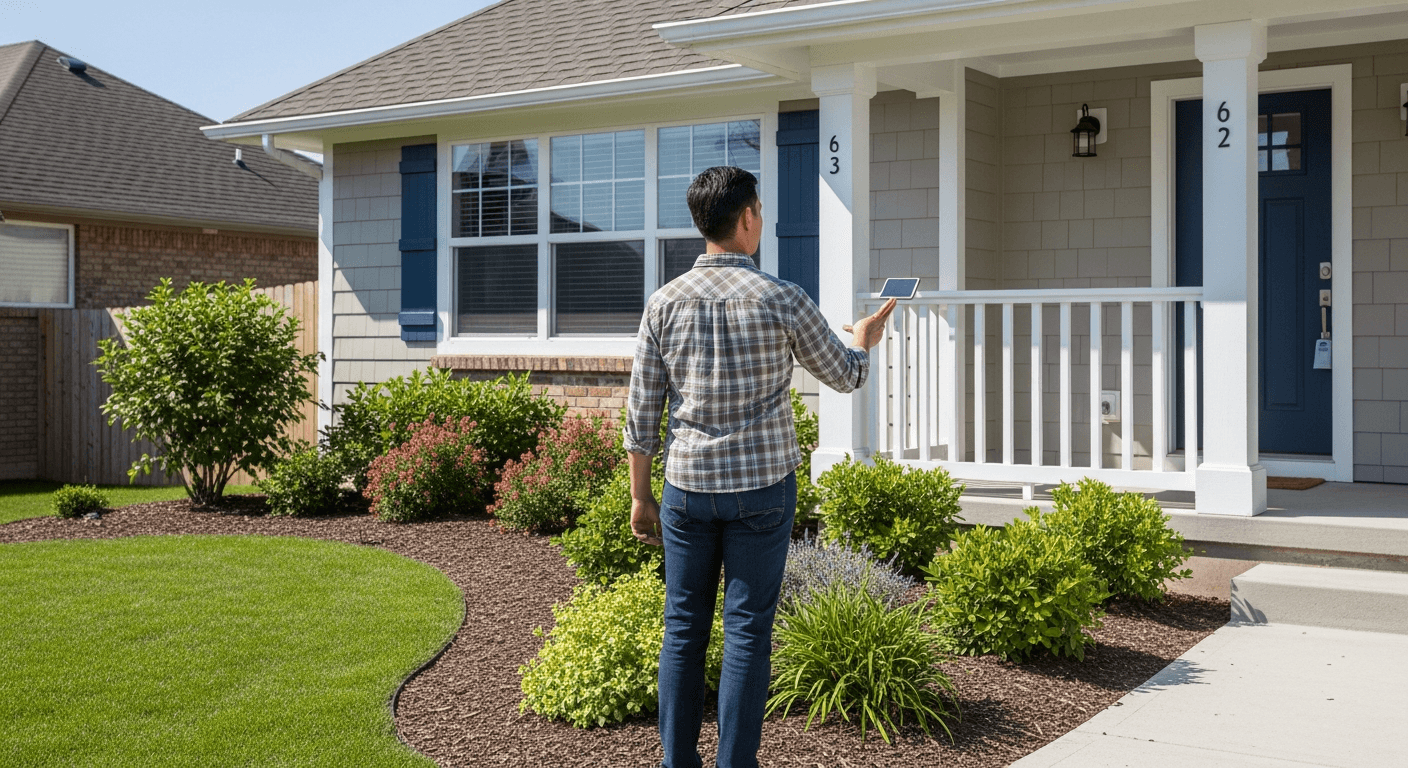
The practical issue is control. A tenant may be the first person to notice a leak under a sink, a loose handrail, or a branch rubbing the roof after a storm. If reporting is delayed, a small maintenance issue can become a larger property claim or a habitability dispute. That is why your quote should be built around inspection routines, lease language, repair response time, and whether you use a property manager or handle maintenance yourself.
You also need to separate the structure you own from the tenant's belongings and liability. Many rental owners assume a standard owner occupied setup will translate cleanly, but the occupancy difference can affect eligibility, claim handling expectations, and what endorsements make sense. Before you buy or renew, gather the property address, year of major updates, roof details, prior claims, current occupancy status, and your lease requirements. Then review homeowners insurance options for rental property owners with the occupancy and maintenance picture spelled out clearly, so the quote reflects the way the house is really operated.
What coverage to review for a leased home
For a rental house, the core policy decision is not finding a label that sounds broad. It is making sure the policy is written for landlord use and that the dwelling limit, liability limit, deductible, and loss settlement terms fit the property you are renting out. Start with the structure itself. You want the dwelling side reviewed against the home's size, construction features, attached structures, and any detached garage, fence, or shed that matters to the rental operation.
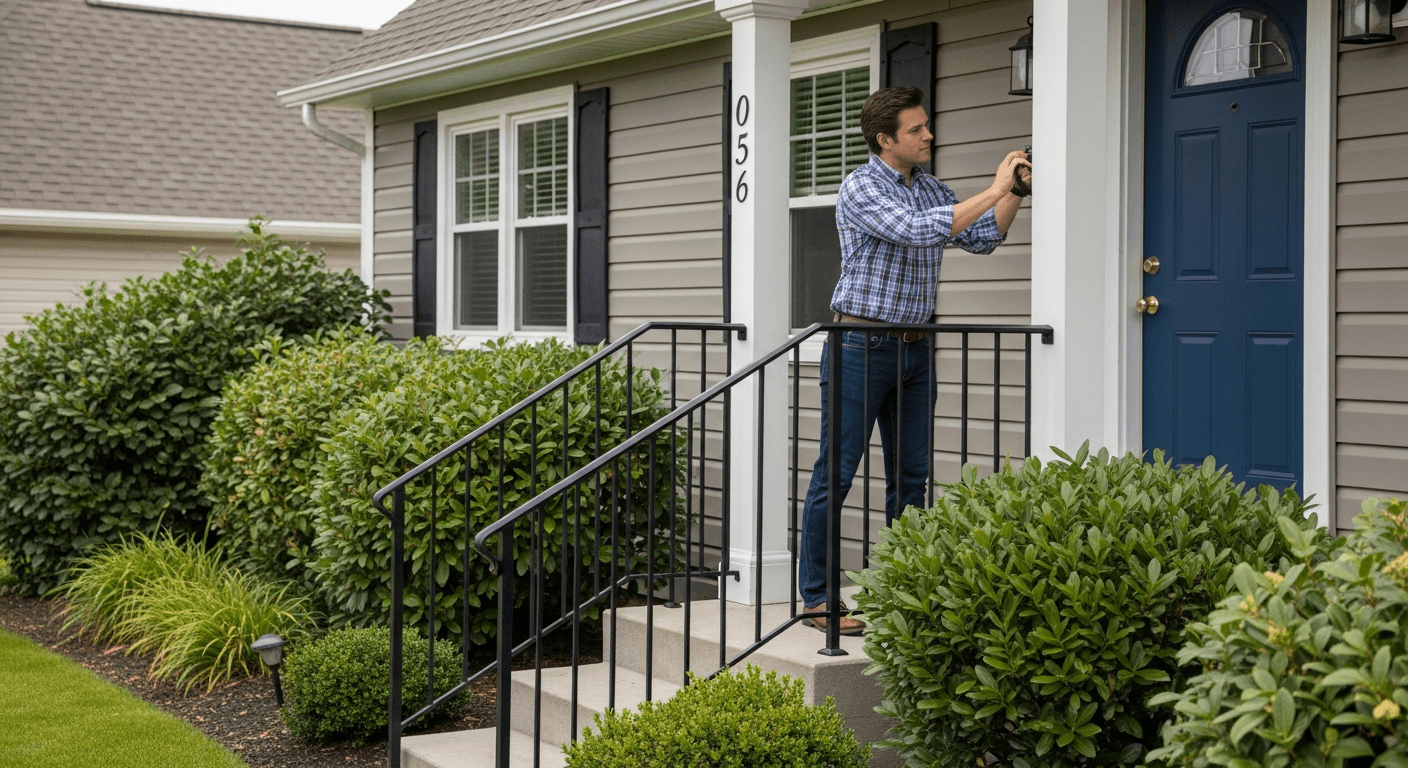
Liability deserves equal attention because many landlord claims start with ordinary conditions: a cracked walkway, loose porch step, falling limb, dog issue, or a contractor injury allegation during a repair visit. If you own more than one rental, ask whether your liability setup should be coordinated across properties instead of handled one house at a time without a larger plan.
Loss of rental income is another point to review carefully. If a covered claim makes the home unfit to lease for a period, that income interruption can matter as much as the repair bill. Ask how the policy addresses fair rental value or similar language, what triggers it, and what documentation you would need after a claim.
You should also ask about ordinance or law concerns after a major loss, water backup options if the property has the exposure, and how vandalism or theft is treated during vacancy or turnover. The right policy is the one that matches tenant occupancy, maintenance reality, and your cash flow risk, not one that looks inexpensive until a claim exposes a gap.
What drives the cost of homeowners insurance for rental property owners
The price of homeowners insurance for a rental property usually moves with risk details that are specific to the house and to your management habits. Insurers often focus first on the property itself: age, roof condition, plumbing and electrical updates, prior losses, and whether the home shows deferred maintenance. A house with documented updates and a clear repair history is easier to underwrite than one with unknown systems and recurring water issues.
Occupancy also affects cost. A stable long term lease can look different from frequent turnover, a newly purchased home under renovation, or a property that may sit empty between tenants. Vacancy periods matter because losses can grow when no one is inside to catch them early. If you expect gaps between leases, bring that up before binding coverage rather than assuming the policy will respond the same way throughout the year.
Your deductible and liability limit choices also shape premium. A lower deductible can reduce out of pocket cost after a claim, but it may raise the premium. Higher liability limits can be worth reviewing if the property has features that increase injury exposure, such as stairs, decks, pools, or large trees near walkways and parking areas.
The cleanest way to control cost is operational, not cosmetic. Keep records of roof work, plumbing repairs, electrical upgrades, and tenant safety complaints. Document handrail fixes, leak response, and seasonal maintenance. A quote is more accurate when the underwriter can see how the property is maintained, and that gives you a better basis for comparing price against actual coverage terms.
Average Homeowners Insurance Cost
$110 - $250
per month
Nationally, homeowners insurance coverage typically runs $110 - $250 per month.
Prices shown are general estimates, not guaranteed rates or quotes. Your actual premium will depend on the insurer, coverage selected, personal details, location, claims history, and other underwriting factors. Learn about our pricing methodology.
How to compare quotes without missing landlord-specific gaps
A useful quote comparison starts with making every insurer review the same property facts. If one quote assumes owner occupancy, another assumes tenant occupancy, and a third is silent on vacancy during turnover, the prices are not truly comparable. Give each quoting source the same details on occupancy, lease term, pets if allowed, recent updates, prior claims, and whether any part of the property is being repaired before the next tenant moves in.
Then compare the policy form and endorsements line by line. Look at dwelling coverage, other structures, personal property if you keep landlord-owned appliances or maintenance equipment on site, liability, medical payments, deductible, water exclusions, loss of rents language, and any vacancy or unoccupancy restrictions. Ask what happens if a pipe leaks while the tenant is away, if vandalism occurs after move-out, or if a contractor is injured while turning the unit between leases.
Do not stop at the declarations page. Review settlement terms, exclusions, and conditions for maintenance, protective devices, and claim reporting. If the home has older systems, ask whether losses tied to wear, seepage, or repeated leakage are treated differently from sudden accidental damage. If you rely on a property manager, confirm who should report a claim and how quickly.
The best quote is the one that stays consistent with your lease and maintenance process after a loss. Before you buy, ask for the quote assumptions in writing and compare them against the actual way you screen tenants, inspect the property, and authorize repairs.
Common mistakes rental property owners make when buying homeowners insurance
One common mistake is trying to keep the same insurance setup used when the house was owner occupied. Once the property becomes a rental, the occupancy change can alter eligibility and coverage expectations. If you do not disclose that change clearly, you risk buying a policy that does not fit the property's real use.
Another mistake is focusing on premium before checking claim triggers and exclusions. Rental owners often discover the important differences later, especially around water damage, vacancy, vandalism after move-out, or the period between tenants. A lower price does not help if the policy is narrow where your property is most exposed.
Some owners also underinsure detached structures, landlord-owned contents, or loss of rental income. That matters if you store tools, spare flooring, paint, or appliances on site, or if a covered loss interrupts rent while repairs are underway. If the property supports your monthly cash flow, income protection should be reviewed with the same care as the building limit.
A final mistake is weak documentation. If you cannot show when the roof was repaired, when the water heater was replaced, or how quickly you addressed a tenant's safety complaint, both underwriting and claims become harder. Before requesting quotes, build a simple file with lease dates, inspection notes, repair invoices, photos of updates, and contact information for whoever handles maintenance. That preparation usually leads to a more accurate policy decision and fewer surprises after binding.
What to prepare before you request a quote for a rental property
You will get a better homeowners insurance quote if you prepare the operational details an underwriter actually needs. Start with the basics: property address, occupancy status, lease start date if known, square footage, construction type, roof age or last replacement, and any recent updates to plumbing, electrical, or heating systems. If you have had prior claims, be ready to explain what happened and what was repaired.
Next, organize the landlord side of the risk. Note whether you self-manage or use a property manager, how often the property is inspected, who handles emergency repairs, and whether tenants are required to report leaks or hazards promptly. If your lease requires renters insurance, pet disclosures, or maintenance reporting procedures, have that language available during the quote conversation because it helps show how the property is controlled.
You should also list features that change liability or property exposure, such as decks, fences, detached structures, mature trees, fireplaces, pools, trampolines, or security devices. If the home is being renovated before lease-up, describe the work and timeline clearly. If it may be vacant for a period, say so upfront.
The goal is simple: give enough detail that the quote reflects the real property, the real tenant arrangement, and the real maintenance process. Once you have that information assembled, compare policy terms side by side and choose the option that fits your rental operation before the next lease begins.
Frequently Asked Questions
For a rental property, you usually need a homeowners policy written for landlord occupancy rather than owner occupancy. The key is reviewing dwelling, liability, and loss of rental income provisions against how the home is leased, maintained, and turned between tenants.
Sometimes. Policies distinguish sudden accidental damage from gradual, intentional, or excluded losses, so the answer turns on how the damage happened. Ask specifically how the policy treats vandalism, malicious damage, water losses, and damage discovered after move-out.
Keeping the old setup is risky because the policy was written for owner occupancy. Tell the insurer the occupancy changed before renewal or binding, and have the rental use confirmed in writing.
Many landlord policies include fair rental value or similar loss of rental income protection when a covered loss makes the home unfit to lease. Review the trigger, time limits, and documentation requirements before you buy.
Give every insurer the same occupancy, update history, prior claims, and lease details so the quotes describe the same risk. Then review exclusions, deductibles, liability limits, vacancy terms, and loss of rents language side by side, not just premium.
Request a Quote Comparison
Enter your ZIP code to compare insurance rates from top carriers.
Updated July 17, 2026