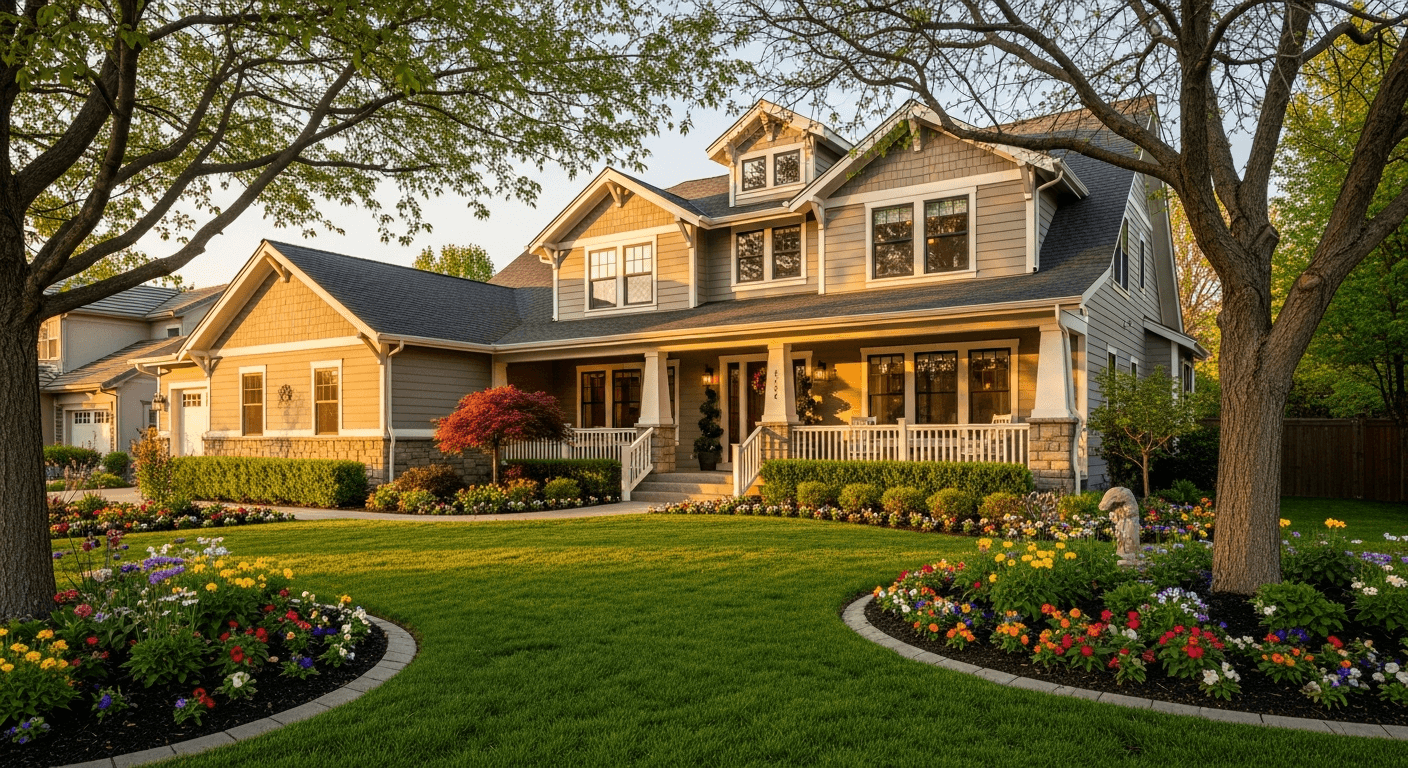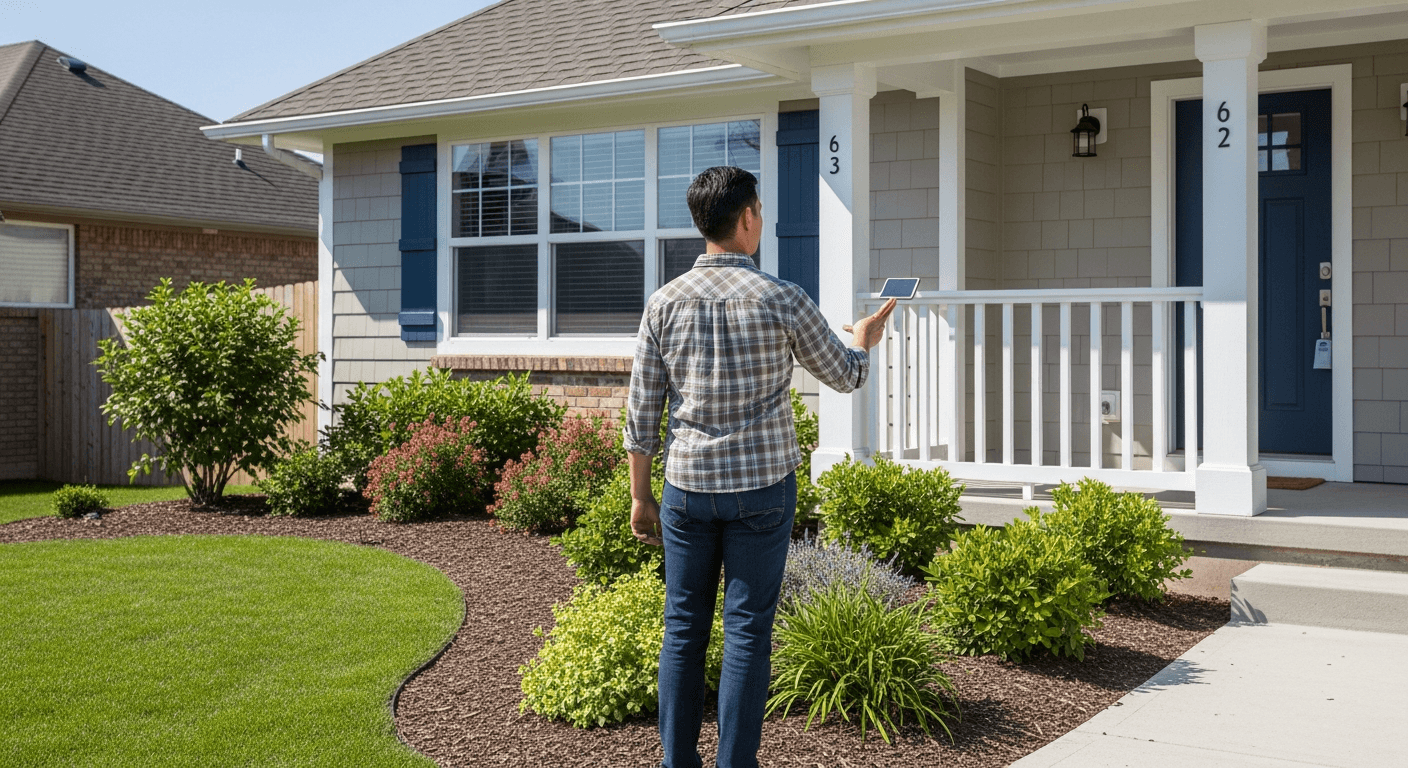

Why Vacation Home Owners Need Specialized Homeowners Insurance
Vacation homes and second homes create insurance challenges that differ significantly from primary residences. The most fundamental issue is vacancy. When a home sits unoccupied for weeks or months at a time, risks increase substantially because there is no one present to detect water leaks, respond to break-ins, or take protective action during severe weather. Many standard homeowners insurance policies contain vacancy clauses that restrict or eliminate coverage if the home is unoccupied for more than thirty or sixty consecutive days, making them poorly suited for seasonal properties.
The location of most vacation homes amplifies their risk profile. Beach houses face hurricane and flood exposure, mountain cabins contend with wildfire and heavy snow loads, and lakefront properties deal with water damage and erosion. These location-specific risks often require specialized coverage endorsements or even separate policies, such as flood insurance through the National Flood Insurance Program or a private flood carrier. Understanding the natural hazards specific to your vacation home's location is essential for building adequate coverage.
Many vacation home owners also generate rental income from their properties through short-term rental platforms during periods when they are not using the home personally. This dual-use pattern creates a coverage gray area that standard homeowners and standard landlord policies may not adequately address. Some carriers now offer hybrid policies or endorsements that accommodate both personal use and short-term rental activity, but owners must explicitly disclose this usage so the policy matches how the home is actually occupied throughout the year.
Key Coverage Types to Compare
Dwelling coverage for vacation homes should account for the full replacement cost of the structure, just as it would for a primary residence. However, vacation homes often have unique construction features such as elevated foundations in flood zones, fire-resistant materials in wildfire areas, or reinforced roofing in hurricane regions that increase replacement costs above what standard estimating tools calculate. Request a detailed replacement cost estimate that factors in your property's specific construction characteristics and the higher contractor costs that are common in resort and rural vacation markets where labor availability is limited.
Vacancy and seasonal coverage provisions are perhaps the most critical features to compare when shopping for vacation home insurance. Look for policies that explicitly accommodate seasonal vacancy without reducing coverage or imposing surcharges. Some carriers offer named-peril-only coverage during vacancy periods, which provides less protection than the open-peril coverage available during occupancy. Policies that maintain full open-peril coverage year-round regardless of occupancy status give you consistent protection whether you are at the property or not.
Water damage coverage deserves particular scrutiny for vacation homes because water leaks are the leading cause of insurance claims on unoccupied properties. A burst pipe or failed water heater can cause tens of thousands of dollars in damage before anyone notices the problem. Look for policies that address water damage from internal sources without a vacancy exclusion, and consider investing in smart water leak detection systems and automatic shutoff valves that can alert you to problems remotely and minimize damage even when you are hundreds of miles away.
What to Look for in a Provider
The ideal insurance provider for vacation homes understands the seasonal nature of property use and does not penalize owners for periods of vacancy that are inherent to second-home ownership. Look for carriers with specific vacation home or seasonal dwelling products rather than carriers that simply adapt their standard homeowners policy with restrictive endorsements. Specialized providers have underwriting guidelines, policy forms, and claims processes designed around the realities of vacation property ownership.
Local market knowledge is particularly valuable for vacation home insurance because risk varies dramatically by geography. A carrier with strong presence in coastal markets understands hurricane deductibles, wind mitigation credits, and post-storm rebuilding timelines in ways that a national carrier with limited coastal experience does not. Similarly, carriers experienced in mountain and rural markets understand wildfire defensible space requirements, access challenges for emergency services, and the seasonal availability of contractors. Choose a provider whose expertise matches your property's location.
Short-term rental accommodation is an increasingly important capability as more vacation home owners monetize their properties through platforms like Airbnb and Vrbo. A growing number of providers offer endorsements or companion policies that extend coverage during short-term rental periods, including liability protection for paying guests, coverage for landlord-owned furnishings, and loss of rental income if the property becomes unavailable due to a covered loss during the rental season. Confirm how any short-term rental endorsement addresses both the additional liability exposure and any property damage caused by guests.
How to Compare Quotes Effectively
Begin your quote comparison by accurately disclosing the property's usage pattern, including the approximate number of weeks per year it will be owner-occupied, rented to short-term guests, and vacant. This information directly affects pricing and coverage terms, and providing inaccurate usage estimates can result in coverage being voided at claim time. Be honest about rental activity even if it increases your premium, as the alternative of having a claim denied for undisclosed rental use is far more expensive.
Compare how each carrier handles the specific perils most relevant to your vacation home's location. If your property is on the coast, compare hurricane and wind deductibles, which are often calculated as a percentage of dwelling coverage rather than a flat dollar amount. A two percent wind deductible on a five hundred thousand dollar vacation home means you absorb the first ten thousand dollars of any wind damage claim, which is substantially more than the typical one thousand dollar deductible for other perils. Understanding these variable deductibles prevents unpleasant surprises when you file a claim.
Evaluate the remote monitoring and loss prevention incentives each carrier offers. Some vacation home insurers provide premium discounts for installing smart home devices such as water leak sensors, temperature monitors, security cameras, and smart locks. Others offer complimentary or subsidized monitoring services that alert both you and local emergency contacts when sensors detect a problem. These technology-enabled loss prevention tools can reduce your premium while simultaneously reducing the likelihood and severity of claims on your unoccupied property.
Common Mistakes to Avoid
The most pervasive mistake vacation home owners make is assuming their primary homeowners policy extends coverage to their second property. While some policies offer limited coverage for personal property at secondary locations, they do not provide dwelling coverage, liability protection, or loss of use benefits for a separate vacation home. Each property requires its own dedicated policy with coverage tailored to its specific risk profile, location, and usage pattern. Relying on your primary policy to protect a vacation home leaves you completely exposed to significant financial loss.
Many vacation home owners also neglect to purchase flood insurance even when their property is located in or near a flood zone. Standard homeowners and vacation home policies universally exclude flood damage, regardless of the cause. Even properties outside FEMA-designated high-risk flood zones can experience flooding from heavy rain, storm surge, snowmelt, or overflowing lakes and rivers. Given that just one inch of floodwater can cause more than twenty-five thousand dollars in damage, flood insurance is a prudent purchase for virtually any vacation home near water.
Failing to winterize the property and notify your insurer about seasonal shutdown procedures is another common and preventable mistake. If you drain the pipes and shut off the water supply during winter months, your insurer needs to know this because it affects their risk assessment and may qualify you for a premium discount. Conversely, if you leave the heating system running at a minimum temperature to prevent pipe freezing, document this practice and ask directly whether the policy covers freeze damage under those conditions. Inconsistency between your actual property maintenance practices and what your insurer assumes can create coverage disputes during the claims process.
Getting Started with the Right Coverage
Protecting your vacation home starts with a realistic assessment of the property's risk exposures and your financial capacity to absorb losses through deductibles and self-insurance. Document the property's construction details, replacement cost, contents value, and annual rental income potential. Research the natural hazard history of the area, including flood maps, wildfire risk assessments, and historical storm data. This information equips you to have informed conversations with insurers and evaluate whether each quote adequately addresses your property's specific vulnerabilities.
CPK Insurance helps you compare options and may connect you with participating licensed insurance providers for vacation homes in diverse locations, from coastal beach properties and lakefront retreats to mountain cabins and desert getaways. Licensed insurance professionals from participating providers can help you review seasonal vacancy provisions, short-term rental endorsements, and location-specific peril coverage. Get a quote with CPK Insurance and connect with a licensed insurance professional who can evaluate your property's risk profile, review coverage and deductible structures, and point out premium-saving opportunities such as smart home monitoring discounts and multi-policy bundling. Your vacation home should be a source of relaxation and enjoyment, and the right coverage helps you prepare for what nature or circumstance brings.
Request a Quote Comparison
Enter your ZIP code to compare insurance rates from top carriers.
Updated July 17, 2026