








































Why landscapers get sued and where claims start
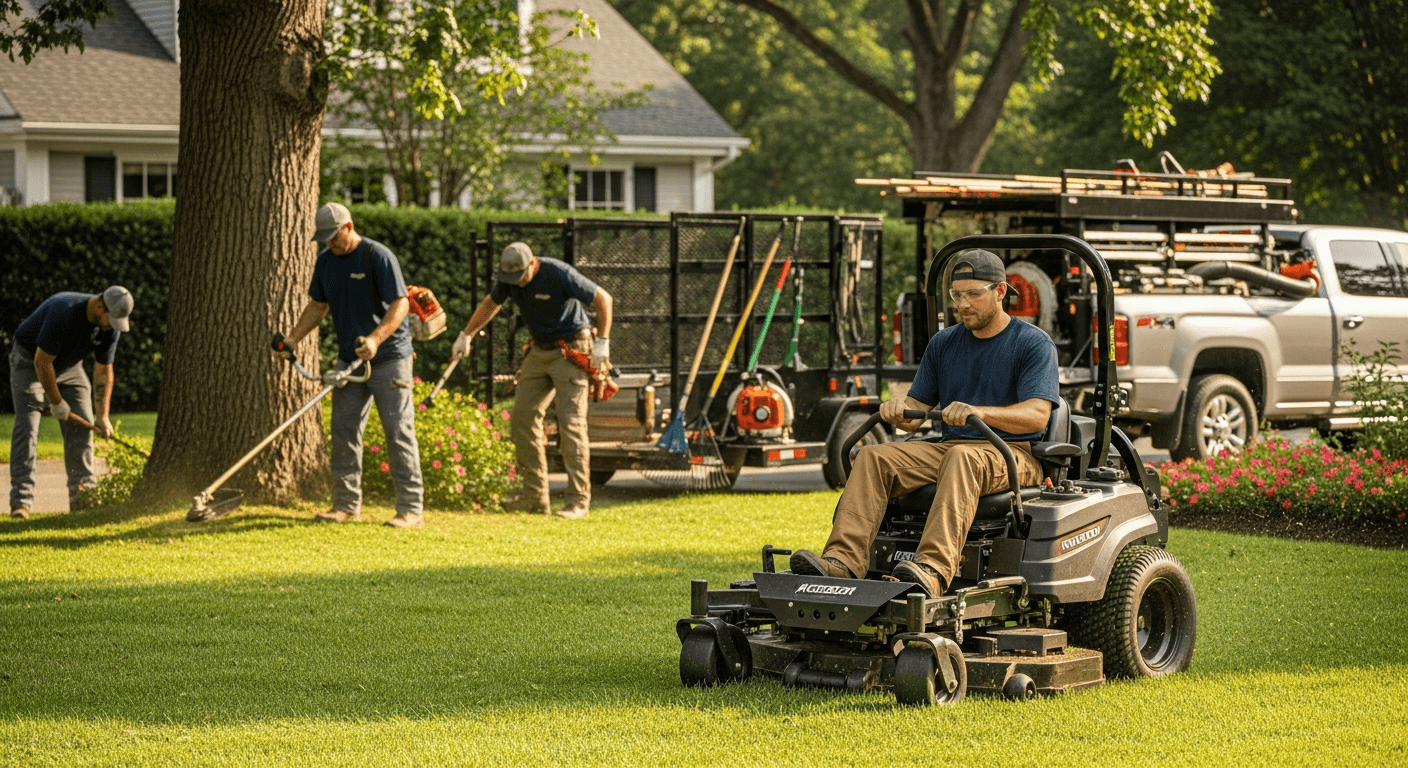
Landscaping claims tend to start in ordinary field conditions, not rare disasters. Your crew moves mowers, trimmers, blowers, trailers, hand tools, mulch, stone, and irrigation materials through driveways, sidewalks, gates, and parking areas. That creates repeated chances for property damage, customer injury, and disputes over who caused what. A cracked sprinkler line, a broken window from thrown debris, tire marks on decorative concrete, or a visitor tripping near an active work area can all turn into a liability claim.
That is why a landscapers insurance review should begin with your actual job flow. Think about where people pass near your work, where equipment is staged, how debris is controlled, and who is responsible for site safety when your crew is on the property. III warns that a lawsuit could bankrupt your business, so even a small operator needs to treat liability as a balance-sheet issue, not just a contract checkbox. If you maintain commercial properties, apartment communities, or HOA common areas, ask for limits that fit foot traffic and third-party exposure, not just the size of your payroll.
Negligence allegations also reach beyond a slip or a broken object. III notes that not repairing a pothole in a parking lot, not lighting a dark stairway, failing to train workers how to do their jobs safely and legally or failing to provide directions for the safe use of a product can constitute negligence. For a landscaper, that points to training, site walk-throughs, chemical handling instructions, and documented job notes. Before you buy, list your highest-risk tasks, the properties you service, and whether you perform maintenance only or also install, grade, irrigate, or apply treatments. That information changes what an underwriter needs to see.
The core insurance stack most landscaping businesses should review
Most landscaping businesses start with three policies: general liability insurance, commercial auto insurance, and workers compensation insurance. That stack matches the way the trade operates. You work on other people's property, you move crews and equipment by vehicle, and employees handle tools, lifting, cutting, and roadside or parking-lot exposure.
General liability is the first place to tighten your description of operations. It is the policy a property manager or homeowner often expects to see before work starts, and it is the coverage many owners mean when they ask for proof of insurance. If you want a broader overview of how liability works before comparing options, review general liability insurance. III says liability insurance can help pay the cost of your defense and can help protect your assets, which matters because even a disputed claim can force you to hire counsel and respond formally. Ask whether your quote reflects maintenance work only, or also planting, tree trimming, irrigation, hardscape, fertilization, or snow and ice work if you offer it seasonally.
For many small operators, packaging property and liability can be efficient. III says for small businesses the most efficient and least expensive way to purchase liability insurance is usually as part of the Businessowners Policy (BOP). That can make sense if you have business personal property to insure, such as office contents, stored tools, or other scheduled equipment kept at a shop or yard. III also says BOP liability coverage can help pay damages you are legally obligated to pay because of bodily injury, property damage, or personal and advertising injury, up to policy limits and subject to your deductible. Review those limits carefully instead of assuming the default quote matches the contracts you sign.
Commercial auto belongs in the core stack because landscaping losses travel with the crew. If you use pickups, dump trucks, vans, or trailers to move people and gear between jobs, ask for a quote built around those vehicles and how they are used each week.
Why workers compensation matters so much for landscaping crews
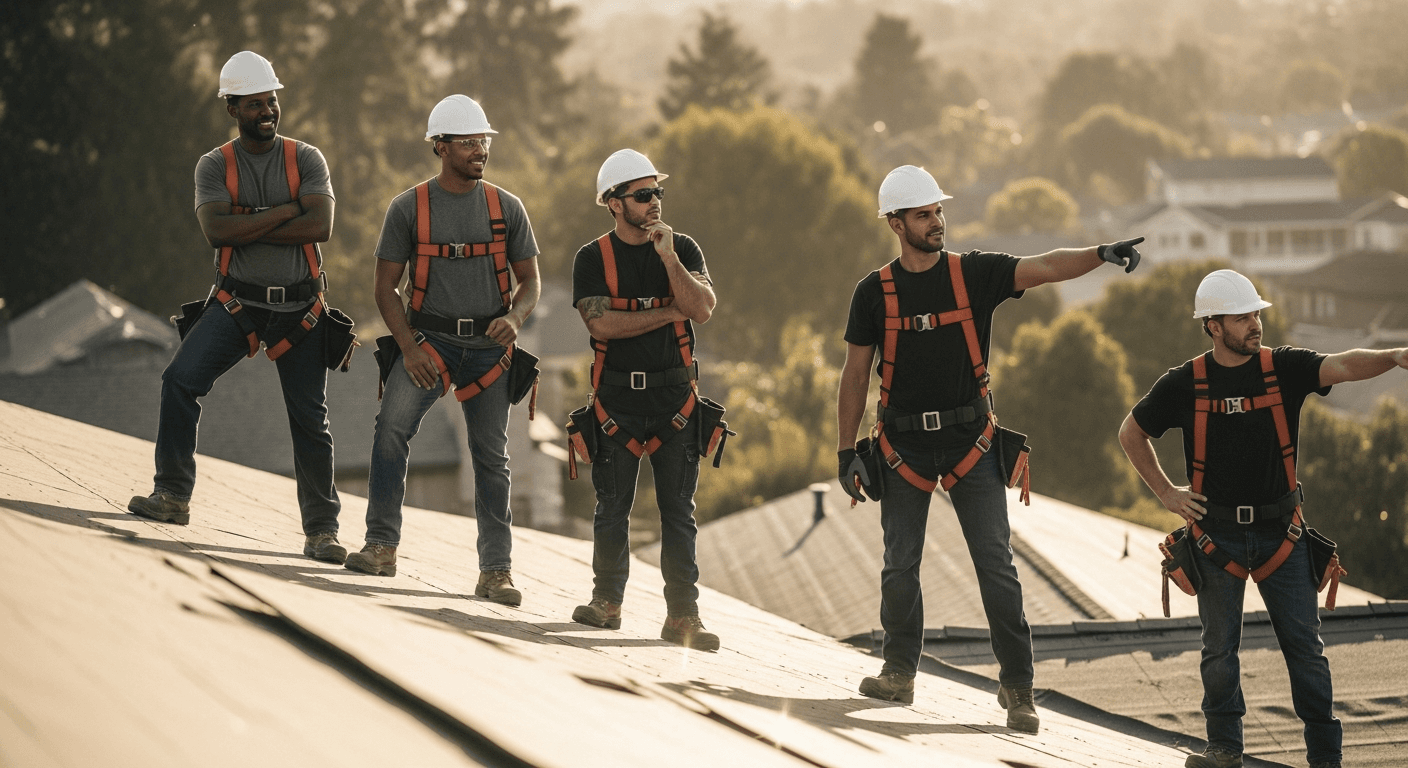
Landscaping is hands-on work, and the injury exposure is constant. Crews lift pavers and bags, run cutting equipment, work around heat, noise, dust, uneven ground, and traffic, and load trailers early in the morning when visibility can be poor. That makes workers compensation a buying decision, not an afterthought.
III says workers compensation assures that injured workers get medical care and compensation for a portion of the income they lose while they are unable to return to work, and it usually protects employers from lawsuits by workers injured while working. For a landscaping business, that means one policy can support both the employee recovery process and the employer's legal position after a job injury. III also says workers receive benefits regardless of who was at fault in the accident. That matters in this trade because many injuries happen during routine tasks, not dramatic events, and fault arguments do not stop the claim process.
The severity side matters too. III says if a worker is killed while working, workers comp provides death benefits for the worker's dependents. That is one reason to be precise about who is on payroll, who drives, who operates heavier equipment, and whether any subcontracted labor should be insured separately or brought into your own program after review.
Vehicle exposure deserves special attention. III identifies traffic accidents that occur when the employee is in a vehicle for work purposes as the leading cause of workers comp death claims. Landscapers spend real time on the road, frequently towing equipment, backing into tight sites, or moving between multiple stops in one day. When you request quotes, separate your driving duties from your field duties, identify who tows trailers, and make sure your workers compensation and commercial auto information tell the same story.
What changes the cost of landscapers insurance
Insurance cost for landscapers moves with operations, payroll, vehicles, and claim history more than with a generic class label. A maintenance-only company that mows and trims established residential routes presents a different profile than a contractor doing irrigation installs, retaining walls, grading, chemical application, or multi-crew commercial work. The more your jobs involve excavation, towing, roadside exposure, rented equipment, or higher-value property, the more detail an underwriter will want before putting terms together.
Workers compensation is one area where location matters directly. III says no two states have exactly the same laws and regulations, so you should expect workers compensation rules and costs to vary by state. If your crews cross state lines for seasonal or border-area work, bring that up before binding coverage. A quote built for one state can miss payroll allocation, class treatment, or filing issues if your operations spread wider than the application suggests.
Commercial auto pricing also turns on practical details: who drives, how often vehicles are on the road, whether units are garaged at home or at a yard, what is being towed, and whether employees use personal vehicles for errands or site visits. General liability pricing follows a similar pattern. The carrier will want to know whether you work at private homes, retail centers, office parks, industrial sites, or municipal properties, and whether your contracts push extra insured or waiver language onto your policy.
To get a cleaner quote, prepare a short operating summary before you shop. Include your services, crew count, annual payroll, vehicle list, trailer list, equipment storage setup, subcontractor use, and the largest type of property you service. Better inputs produce fewer midterm corrections and fewer surprises at audit.
Landscaping Insurance is a bundle of separate policies, priced separately. The ranges below are typical figures nationally for each line, except workers compensation, which is rated per $100 of payroll; a quote prices each one against your own operations.
| Coverage | Typical range | What moves your price |
|---|---|---|
| General Liability Insurance | $65 - $220 per month | Industry and risk classification, annual revenue, number of employees |
| Workers Compensation Insurance | $0.75 - $2.74 per $100 of payroll | Employee classification codes, total annual payroll, experience modification rate |
| Commercial Auto Insurance | $200 - $625 per month | Fleet size and vehicle types, driver records and experience, coverage limits and deductibles |
| Inland Marine Insurance | $25 - $100 per month | Total insured value of the scheduled property, type and age of the equipment, where it is stored and how far it travels |
Prices shown are general estimates, not guaranteed rates or quotes. Your actual premium will depend on the insurer, coverage selected, business details, location, claims history, and other underwriting factors. Learn about our pricing methodology.
How to compare landscaping insurance quotes without missing a gap
A useful quote comparison for a landscaping business is not just premium versus premium. Start by checking whether each quote describes the same operations. One proposal may be built for lawn maintenance only, while another contemplates planting, irrigation, hardscape, or chemical work. If the class description is too narrow, the cheaper option can become the weaker option because the policy was not quoted on the work you actually perform.
Next, compare the coverage stack line by line. Confirm that general liability, commercial auto, and workers compensation are all addressed, then review limits, deductibles, vehicle schedules, and who is listed as an insured. If you lease a yard, finance equipment, or sign commercial contracts, verify that the quote can support the certificate requests you regularly receive. Landscaping businesses often need proof of coverage quickly at renewal, before a new season starts, or before a property manager releases a work order.
Then test the quote against your busiest week, not your slowest one. Picture multiple crews, trailers on the road, equipment left at a site, and a supervisor moving between properties. Ask what happens if a worker is injured loading a mower, if a truck backs into a gate, or if debris damages a customer's car. III says your liability insurer can help pay damages that you are legally obligated to pay as a result of bodily injury, property damage or personal and advertising injury, up to the policy limits and subject to your deductible. That is a reminder to compare terms, not just the declarations page headline.
Before you choose, ask the agent to restate your operations in writing and correct anything vague. A landscaping quote should read like your business, not like a generic contractor template.
Common insurance mistakes landscapers make before and after they buy
The most common mistake is buying for the smallest version of your business while operating the larger one. A company may start as basic lawn maintenance, then add irrigation repairs, seasonal color, tree work, hardscape installs, or chemical application without updating its insurance. That creates friction at audit and can create harder claim conversations later. Review your policies whenever your service mix changes, you add a crew, or you begin towing different equipment.
Another mistake is treating certificates as the same thing as coverage design. A client asking for proof of insurance is not telling you what limits, forms, or endorsements you actually need. Read the contract, then compare it to the quote. If you routinely work for commercial property managers, builders, or municipalities, ask for a review before signing, not after a certificate request is rejected.
Landscapers also understate vehicle exposure. A pickup used every day for estimates, hauling tools, and towing a trailer is not the same as a personal-use vehicle with occasional business errands. Keep your vehicle list current, identify regular drivers, and disclose trailer use and storage locations. The same goes for employees. If you hire seasonal labor, part-time help, or crew leads who also drive, update payroll and job duties promptly.
Finally, do not let training and documentation drift. Jobsite photos, work orders, chemical records, driver lists, and incident reporting procedures all help you present a more accurate risk to the market and respond faster if something goes wrong. Insurance works better when your paperwork matches your operations. Before renewal, walk through your last year of jobs and mark every new service, vehicle, tool category, and contract requirement that should be reflected in the next quote.
Frequently Asked Questions
Start with general liability insurance, commercial auto insurance, and workers compensation insurance, because the trade combines third-party property exposure, daily vehicle use, and hands-on crew injury risk.
Landscapers should still review workers compensation closely, even with a small crew. III says workers receive benefits regardless of who was at fault in the accident, so routine lifting, cutting, and loading injuries can still trigger claims.
Landscapers may find a BOP useful if they need liability plus business property coverage for a shop, office contents, or stored tools. III says the most efficient and least expensive way to purchase liability insurance is usually as part of the Businessowners Policy.
Crews spend real time driving between jobs, towing trailers, and moving equipment, so vehicle exposure is central. III says the leading cause of workers comp death claims is traffic accidents that occur when the employee is in a vehicle for work purposes.
Yes, one claim can escalate fast. III says a lawsuit could bankrupt your business, which is why liability limits should be reviewed against the properties and contracts you handle.
Sources
- 1.iii.org(III says a lawsuit could bankrupt your business.; III notes that not repairing a pothole in a parking lot, not lighting a dark stairway, failing to train workers how to do their jobs safely and legally or failing to provide directions for the safe use of a product can constitute negligence.; III says liability insurance can help pay the cost of your defense and protects your assets.; III says for small businesses the most efficient and least expensive way to purchase liability insurance is usually as part of the Businessowners Policy (BOP).; III says BOP liability coverage can help pay damages you are legally obligated to pay because of bodily injury, property damage, or personal and advertising injury, up to policy limits and subject to your deductible.)
- 2.iii.org(III says workers compensation assures that injured workers get medical care and compensation for a portion of the income they lose while they are unable to return to work, and it usually protects employers from lawsuits by workers injured while working.; III says workers receive benefits regardless of who was at fault in the accident.; III says if a worker is killed while working, workers comp provides death benefits for the worker's dependents.; III identifies traffic accidents that occur when the employee is in a vehicle for work purposes as the leading cause of workers comp death claims.; III says no two states have exactly the same laws and regulations.)
Request a Quote Comparison
Enter your ZIP code to compare insurance rates from top carriers.
Updated July 17, 2026