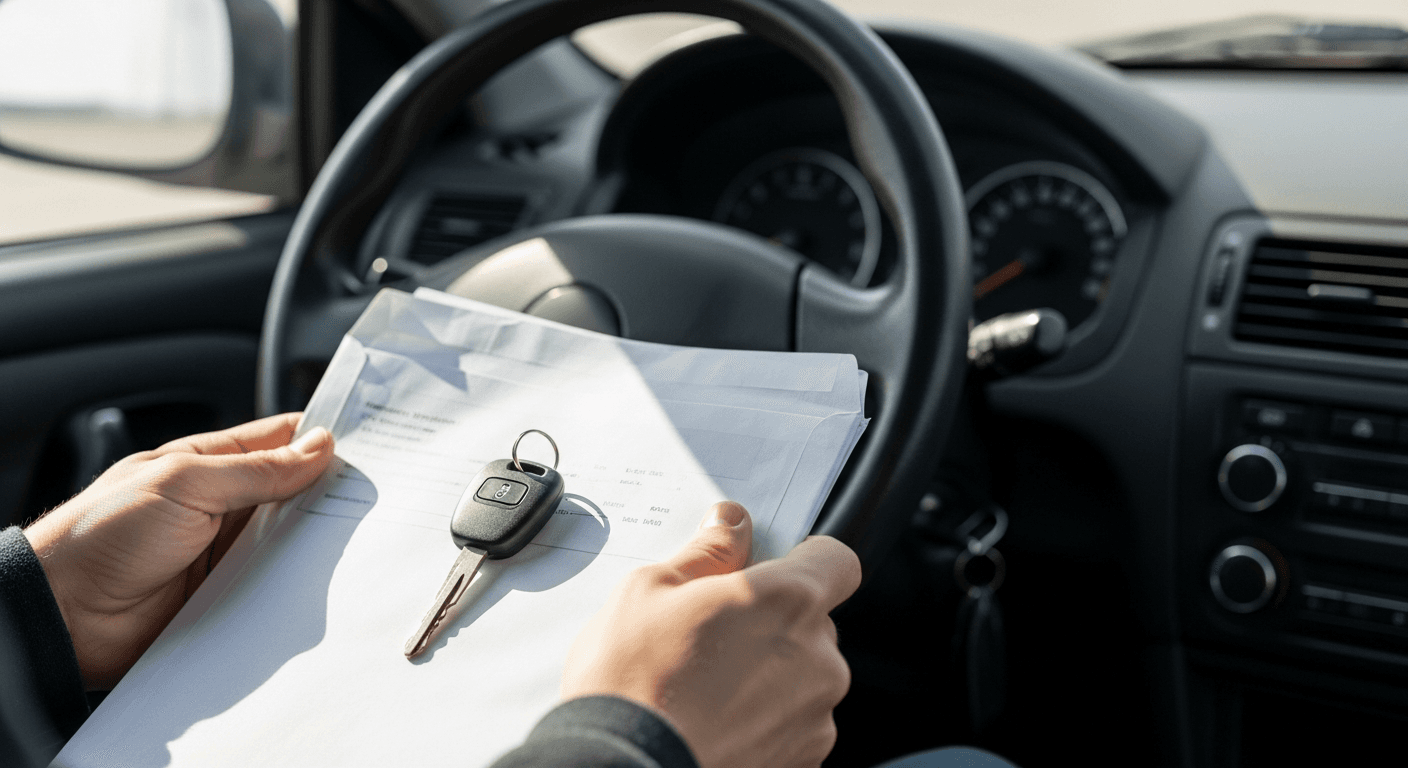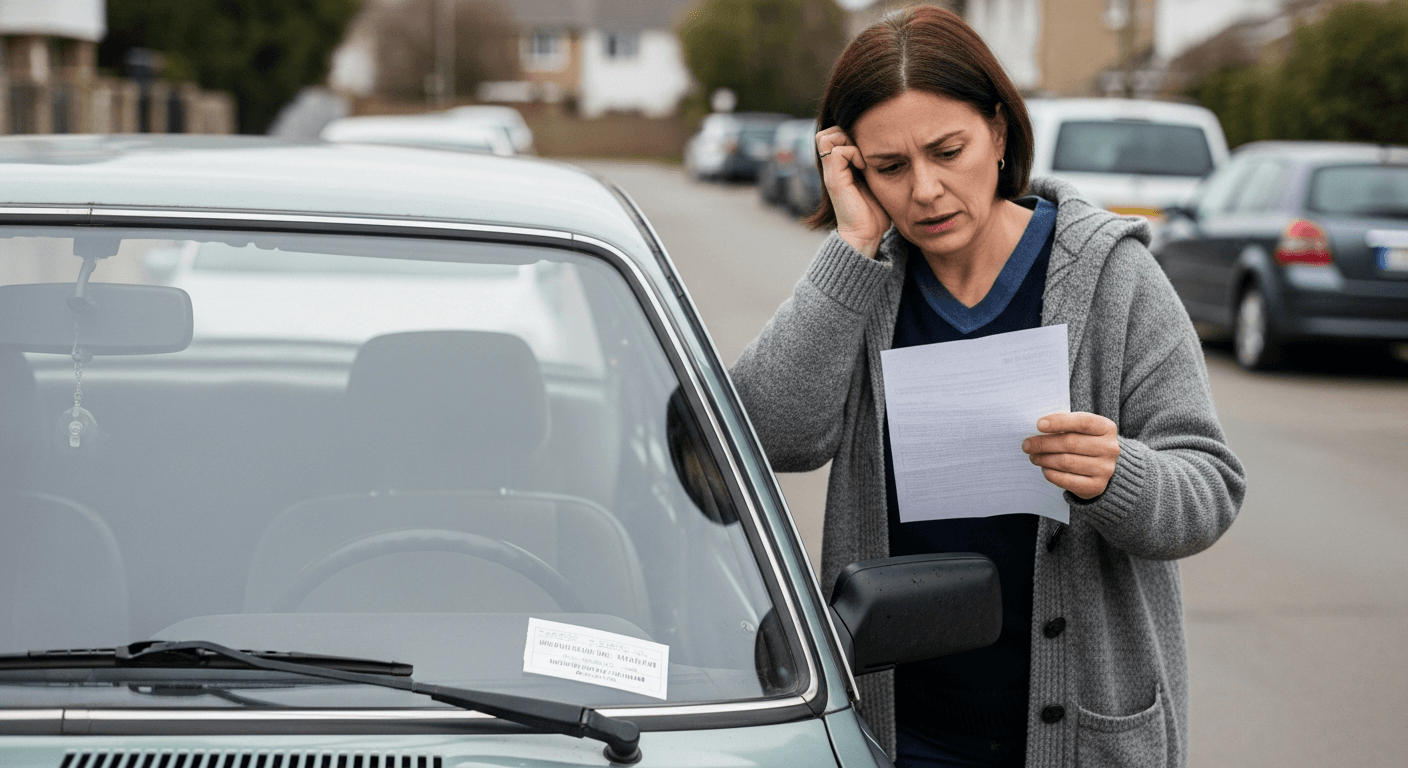

What a lapse in car insurance can expose you to
A lapse in car insurance matters most at the moment you need the policy and do not have it. If you keep driving during a gap, you may be paying out of pocket for damage or injuries tied to a crash instead of turning to an active policy. Most states require basic personal auto insurance to provide financial protection if you or another driver using your car causes damage or injuries, so a lapse is not just an administrative problem, it changes what protection is available when the car is on the road.
A lapse also has consequences even if you never drive during the gap. Most states electronically match registrations against active insurance, so a lapse can trigger a notice, fees, and suspension of your registration until you show new proof of coverage. Insurers treat a gap in coverage as a risk signal as well, which means quotes after a lapse often come in higher than what you were paying before. Both problems shrink the faster you get a new policy in force, so treat the gap as a deadline rather than a pause.
The practical issue is not only whether you can buy a new policy. It is whether the next policy matches how you actually use the vehicle now. If your driving pattern changed during the gap, longer commutes, more family drivers, a financed vehicle, or regular highway parking, your replacement policy should be reviewed around those exposures before coverage starts. A rushed purchase often leads people to focus only on getting proof of insurance back in place, then discover later that the policy they bought leaves major gaps.
That is why the first step after a lapse is to rebuild the coverage stack, not just reactivate a card in your glove box. Review liability, damage to your own vehicle, medical-related options, and protection against uninsured drivers in one pass. If you need a broader refresher on how the policy pieces fit together before you compare options, start with car insurance coverage options. Then request quotes using the same driver list, vehicle use, garaging address, and limit structure each time so you can see real differences instead of mismatched offers.
Which parts of your coverage stack deserve the closest review after a gap
After a lapse, liability usually deserves the closest attention first because it responds to harm you cause other people. Bodily injury liability may cover injuries, death, lost wages, and legal defense expenses if you are sued for causing an accident. Property damage liability can help pay others for vehicle or property damage and includes legal defense expenses if you are sued. Those are the losses that can follow you financially long after the crash scene is cleared.
The next review point is what happens to your own car. Liability insurance may cover damage you cause to other vehicles but does not cover damage to your own car, so a driver who restores only liability may still be exposed if the vehicle is damaged in a collision, stolen, or hit by a non-collision loss that would otherwise fall under physical damage coverage. If the car is financed or if replacing it would strain your budget, that gap matters immediately.
Medical-related coverages also deserve a fresh look because they work differently. Medical Payments coverage can help pay medical and funeral expenses for covered people injured in an auto accident regardless of fault. Personal Injury Protection can help pay medical bills, lost wages, and related expenses regardless of fault, including funeral expenses. If you are comparing policies after a lapse, ask each quote to show these options clearly rather than burying them in a summary page.
Finally, review uninsured and underinsured motorist protection with the same care. If another driver causes the crash and does not carry enough insurance, that shortage becomes your problem unless your own policy is built to respond.
Why minimum limits can be a costly reset after a lapse
A lapse often pushes buyers toward the fastest possible fix, which usually means choosing the lowest limits available. That can get proof of insurance back in place, but it may not solve the real financial risk. State minimum limits may be insufficient for a serious accident, so higher coverage levels may be worth considering. If your next claim involves significant injuries, multiple vehicles, or damage to a building or other property, the difference between minimum limits and workable limits becomes very real.
This is where you should think in terms of assets, income, and replacement cost, not just compliance. If you own a home, have savings to protect, or rely on your car to get to work every day, a bare minimum policy can leave you absorbing losses that exceed the policy limits. The same applies if other household members drive the vehicle. One serious claim can involve medical treatment, lost wages, repairs, and legal defense, and low limits can run out before the full bill does.
A better reset is to ask for side by side quotes at more than one liability limit, then compare the premium difference against the amount of additional protection you are buying. Also review deductibles on collision and comprehensive so you are not choosing a deductible that looks manageable on paper but would be hard to pay after a loss. The goal after a lapse is not simply to become insured again. It is to come back with limits and deductibles you can actually live with if a claim happens next month.
How to compare quotes after a lapse without missing important gaps
The cleanest way to compare quotes after a lapse is to control the variables. Use the same named drivers, vehicles, garaging address, annual mileage estimate, commute pattern, and requested limits on every quote. If one quote includes uninsured motorist coverage, MedPay, or PIP and another strips them out, you are not comparing price for the same protection.
Ask each quote to break out liability, collision, comprehensive, uninsured or underinsured motorist coverage, and any medical-related options separately. That lets you see whether a lower premium comes from a real pricing difference or from removing coverage you may want back in place. This matters even more after a lapse because the pressure to bind quickly can hide what was excluded.
If your vehicle is newer or financed, pay close attention to physical damage terms. Collision and comprehensive only cover the market value of the car, creating a potential gap if the vehicle is totaled or stolen. So if you owe more on the loan than the car is currently worth, ask specifically how that shortfall would be handled and whether you need to review additional protection.
Also compare how each quote treats your own injury exposure if another driver causes the crash. Uninsured and underinsured motorist coverage can help pay you when an accident is caused by an uninsured driver or when another driver lacks enough coverage for a serious accident. That is not a minor add-on. It can be one of the most important parts of the policy when the other driver cannot pay enough to cover the loss.
Mistakes people make after a lapse in car insurance
The most common mistake is treating the lapse as a paperwork problem instead of a coverage decision. If you buy the first policy that restores proof of insurance without reviewing limits, deductibles, excluded drivers, and vehicle use, you may solve the immediate issue while leaving the bigger financial risk untouched.
Another mistake is assuming liability alone is enough. Liability is essential, but it does not repair your own car after a covered loss. If the vehicle is central to your daily routine, dropping collision or comprehensive without thinking through the replacement cost can create a hard cash problem after an accident or theft. The same logic applies to medical-related coverages. If you skip them without understanding how they respond, you may be giving up help with medical bills, lost wages, or funeral expenses that would matter during a stressful claim.
People also miss the importance of matching the policy to current household use. A lapse often happens during a move, job change, vehicle change, or budget reset. Those same life changes can alter who drives the car, where it is parked, and how often it is used. If the quote is built on outdated information, the policy may not fit the risk you actually present today.
Before you buy, slow the process down enough to ask three practical questions. What losses am I trying to transfer? Which limits would still feel adequate in a serious accident? Which deductible could I realistically pay this week if the car were damaged? Those answers usually lead to a better policy than simply asking for the lowest possible premium.
What to do before you buy a new policy after a lapse
Start by gathering the information that affects the quote and the policy setup: current driver details, vehicle identification, lender information if the car is financed, your garaging address, and a realistic description of how the car is used. Then decide in advance whether you want to quote only minimum limits or also review higher liability options, physical damage coverage, and uninsured motorist protection. If you do not set that structure first, it is easy to accept a thin policy because it looks simpler.
Next, review the parts of the policy that respond to the losses most likely to disrupt your finances. If you are worried about injuring someone else or damaging their property, focus on liability limits. If you are worried about replacing your own vehicle, review collision and comprehensive. If you are worried about medical bills or lost income after a crash, compare MedPay or PIP where available. If you are worried about the other driver carrying too little insurance, ask to see uninsured and underinsured motorist options clearly.
Then read the quote summary line by line before you bind coverage. Confirm every driver, every vehicle, every requested coverage, and every deductible. Ask what is not included, not just what is included. That single question often reveals the difference between a policy that merely gets you legal again and one that is designed to help you recover from a real loss.
Once the policy is active, save proof of insurance, verify any lender requirements, and set up payment handling in a way that reduces the chance of another gap. The best next step is a quote review built around your current vehicle use and the losses you can least afford to absorb yourself.
Frequently Asked Questions
A lapse in car insurance can leave you without active policy protection at the time of the crash. Most states require basic personal auto insurance to provide financial protection if you or another driver using your car causes damage or injuries, so driving uninsured can leave you paying those costs yourself.
State minimum coverage after a lapse may restore basic compliance, but it may not be enough for a serious accident. iii.org notes that state-required minimums may not cover the costs of a serious accident, so it is worth comparing higher liability limits before you buy.
Liability coverage after a lapse does not repair your own vehicle. iii.org states that liability insurance may cover damage you cause to other vehicles but does not cover damage to your own car, so review collision and comprehensive if replacing the car would be difficult.
Uninsured motorist coverage can be important when you restart car insurance because the other driver may have no insurance or too little coverage. iii.org says it reimburses you when an accident is caused by an uninsured driver or when another driver lacks enough coverage for a serious accident.
MedPay or PIP can matter after a lapse if you want help with your own injury-related costs. iii.org explains that MedPay covers medical and funeral expenses regardless of fault, while PIP can also pay lost wages and related expenses, depending on your policy.
Sources
- 1.iii.org(Most states require basic personal auto insurance to provide financial protection if you or another driver using your car causes damage or injuries.; Bodily injury liability may cover injuries, death, lost wages, and legal defense expenses if you are sued for causing an accident.; Property damage liability can help pay others for vehicle or property damage and includes legal defense expenses if you are sued.; Medical Payments coverage can help pay medical and funeral expenses for covered people injured in an auto accident regardless of fault.; Personal Injury Protection can help pay medical bills, lost wages, and related expenses regardless of fault, including funeral expenses.; State minimum limits may be insufficient for a serious accident, so higher coverage levels may be worth considering.; Collision and comprehensive only cover the market value of the car, creating a potential gap if the vehicle is totaled or stolen.; Uninsured/underinsured motorist coverage can help pay you when an accident is caused by an uninsured driver or when another driver lacks enough coverage for a serious accident.; Liability insurance may cover damage you cause to other vehicles but does not cover damage to your own car.)
Request a Quote Comparison
Enter your ZIP code to compare insurance rates from top carriers.
Updated July 17, 2026