
What Is Liquor Liability Insurance?
Liquor liability insurance is a specialized form of commercial insurance that can help protect businesses involved in the sale, service, or distribution of alcoholic beverages from legal liability arising from the actions of intoxicated patrons or customers. If your business serves a patron who becomes intoxicated and subsequently injures someone, causes a car accident, damages property, or harms themselves, your business can be held legally responsible for the resulting damages. Liquor liability insurance can provide financial protection for legal defense costs, court judgments, and settlements arising from these claims, subject to policy limits.
This coverage exists because of the unique legal framework surrounding alcohol service in the United States. Under common law and the specific dram shop statutes enacted by most states, businesses that profit from selling alcohol bear a degree of responsibility for the foreseeable consequences of providing that alcohol. When an establishment serves a patron who is visibly intoxicated or serves alcohol to a minor, and that person subsequently causes harm, the injured parties can pursue legal action against the establishment in addition to the intoxicated individual.
Liquor liability insurance is distinct from general liability insurance, and this distinction is critical. Most standard commercial general liability policies contain a liquor liability exclusion that specifically removes coverage for liability arising from the manufacture, distribution, sale, or service of alcoholic beverages. This exclusion applies to businesses for which alcohol is a significant part of their operations, meaning that bars, restaurants, nightclubs, breweries, liquor stores, and event venues cannot rely on their general liability policy to cover alcohol-related claims. They need a separate liquor liability policy or endorsement.
It is worth noting that some general liability policies include what is known as host liquor liability coverage, which applies to businesses that serve alcohol incidentally at company events, holiday parties, or client entertainment functions but are not in the business of selling alcohol. This incidental coverage does not replace a liquor liability policy for businesses whose primary or significant operations involve alcohol sales. Get a quote with CPK Insurance and connect with a licensed insurance professional who can help you compare where general liability coverage ends and where dedicated liquor liability coverage begins.
What Liquor Liability Insurance May Cover
A liquor liability insurance policy can help cover the legal liability your business faces when an intoxicated person who was served alcohol at your establishment causes harm to a third party or to themselves. The coverage typically includes several categories of damages and defense costs tied to the financial consequences of alcohol-related incidents.
Bodily injury liability is the primary coverage under a liquor liability policy. If an intoxicated patron leaves your bar and causes a car accident that injures another driver, a pedestrian, or a passenger, the injured parties can sue your establishment under dram shop laws. Your liquor liability policy can help pay for their medical expenses, lost wages, pain and suffering, and other compensatory damages up to your policy limits. In cases involving fatalities, the policy may cover wrongful death claims filed by the families of victims. These claims can reach into the millions of dollars, making adequate liability limits essential for any alcohol-serving business.
Property damage liability coverage can help pay for damage to third-party property caused by an intoxicated patron. If a customer who was overserved at your restaurant drives into someone's home, fence, or parked vehicle, the property owner can pursue a claim against your establishment. While property damage claims tend to be smaller than bodily injury claims, they can still represent significant financial exposure, particularly if the damage involves expensive vehicles, buildings, or other high-value property.
Legal defense costs may be covered in addition to or within your policy limits, depending on the specific policy form. Liquor liability claims often involve complex litigation with multiple parties, including the intoxicated individual, the injured parties, and potentially other businesses that may have served the individual alcohol prior to the incident. Legal defense costs can be significant, even for cases that are ultimately resolved without a trial. Assault and battery coverage may also be available through endorsement, which is important for bars and nightclubs where alcohol-fueled altercations can occur. Without this endorsement, injuries resulting from fights on your premises may not be covered under either your liquor liability or general liability policies.
Understanding Dram Shop Laws
Dram shop laws are the state statutes that form the legal foundation for liquor liability claims in the United States. The term dram shop dates back to 18th-century England, where gin and other spirits were sold by a measure called a dram. Today, dram shop laws establish the circumstances under which a business that serves or sells alcohol can be held civilly liable for injuries or damages caused by an intoxicated customer. Understanding these laws is essential for any business that sells alcohol, because they define your legal exposure and, by extension, your insurance needs.
More than 40 states and the District of Columbia have enacted some form of dram shop legislation. The specific provisions vary considerably from state to state, but most dram shop laws share certain common elements. They typically impose liability when an establishment serves alcohol to a person who is visibly intoxicated and that person subsequently causes injury to a third party. Many states also impose liability for serving alcohol to minors, regardless of whether the minor appeared intoxicated at the time of service.
The scope of liability and the standards of proof required differ significantly between jurisdictions. Some states, like New Jersey and Pennsylvania, have broad dram shop statutes that allow relatively straightforward claims against alcohol-serving establishments. In these states, a plaintiff generally needs to prove that the establishment served the patron when the patron was visibly intoxicated and that the intoxication was a proximate cause of the plaintiff's injuries. Other states have more restrictive statutes that may require proof of willful or reckless service, impose caps on damages, or limit the types of establishments subject to liability.
A small number of states, including Nevada, South Dakota, and Virginia, have historically not recognized dram shop liability by statute, though common law negligence theories may still allow claims in certain circumstances. Even in states without formal dram shop laws, businesses that serve alcohol should carry liquor liability insurance because the legal landscape can shift through court decisions and legislative changes. Social host liability is a related concept that applies to individuals rather than businesses. Some states impose liability on private individuals who serve alcohol at parties or social gatherings if an intoxicated guest subsequently causes harm. A licensed insurance professional from a participating provider can explain how your state's dram shop framework shapes the coverage you need.
Who Needs Liquor Liability Insurance
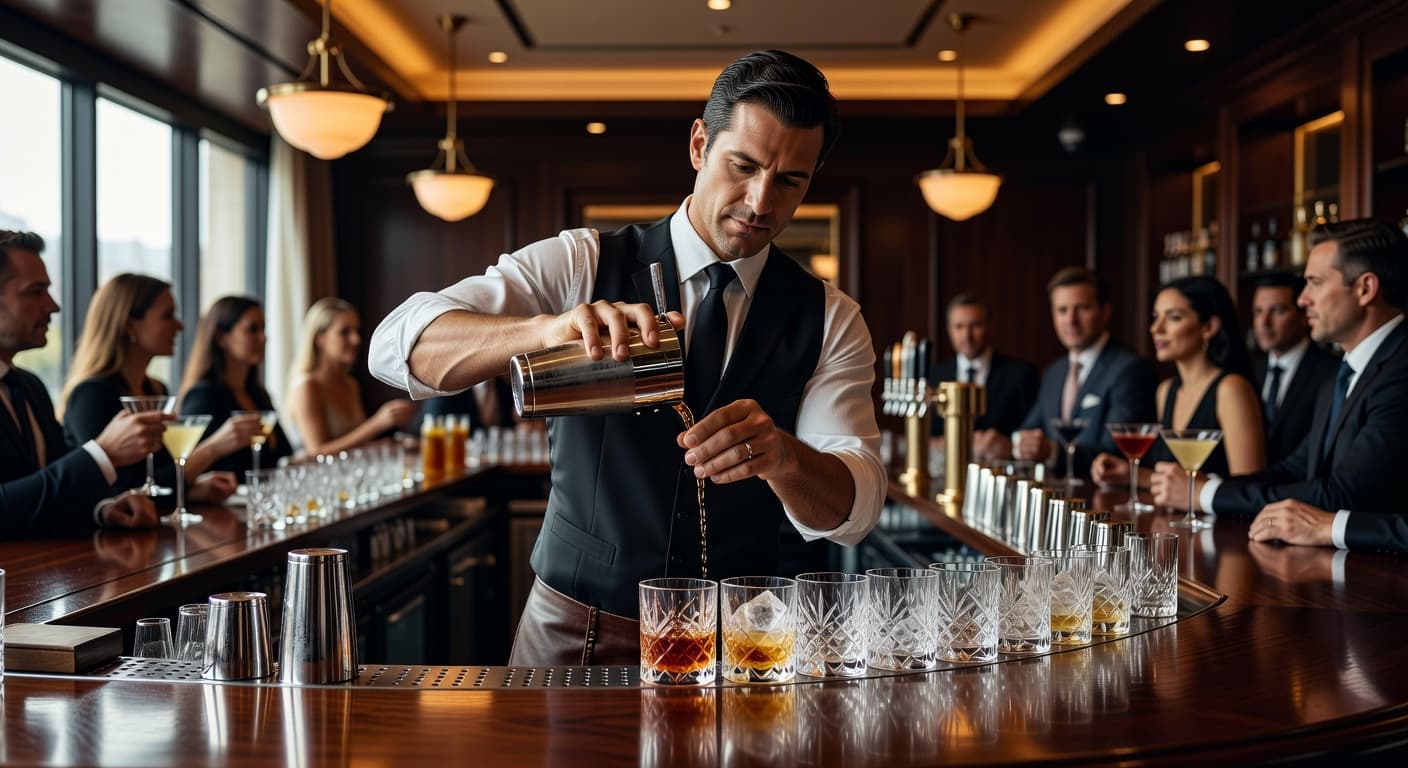
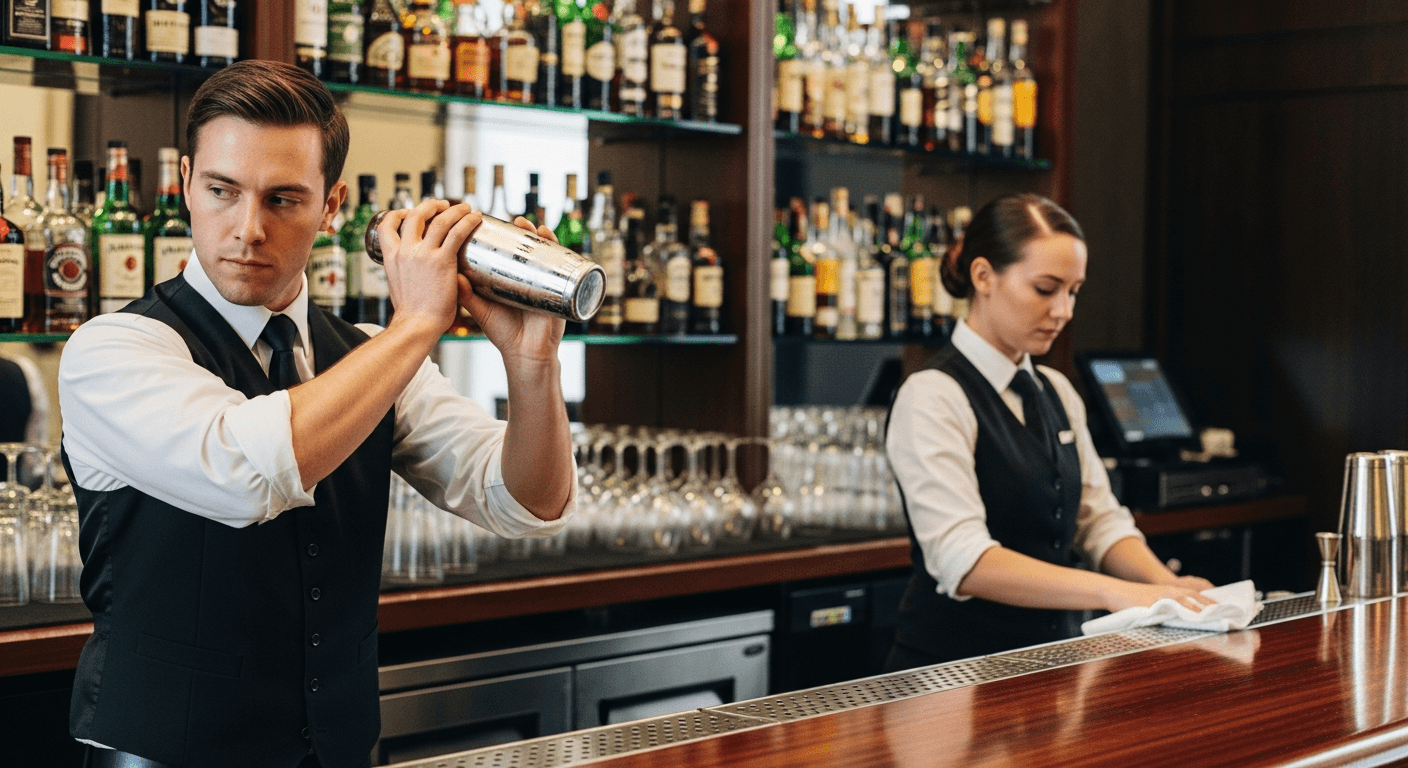
Any business that manufactures, distributes, sells, serves, or furnishes alcoholic beverages needs liquor liability insurance. This encompasses a far broader range of businesses than many people realize. The most obvious candidates are bars, restaurants, nightclubs, and taverns, which serve alcohol directly to consumers for on-premises consumption. These businesses face the highest and most direct exposure to liquor liability claims because they control the pace and volume of alcohol service and have the greatest ability to observe signs of intoxication.
Liquor stores, wine shops, and beer distributors also need liquor liability coverage. While off-premises retailers face somewhat lower exposure than on-premises establishments because they do not control how or when the alcohol is consumed, they can still be held liable under dram shop laws for selling to visibly intoxicated individuals or to minors. A liquor store that sells a case of beer to someone who is clearly intoxicated and who subsequently causes an accident may face the same type of dram shop claim as a bar that overserved a patron.
Breweries, wineries, and distilleries that operate tasting rooms or taprooms have a dual exposure. They are manufacturers and retailers simultaneously, and the growing popularity of craft beverage tourism means that many of these operations serve significant volumes of alcohol directly to consumers. Event venues, catering companies, and banquet halls that serve alcohol at weddings, corporate events, and private parties need coverage for every event where alcohol is present. Even if a caterer uses a licensed bartender, the catering company may still face liability for alcohol-related incidents at events they service.
Hotels and resorts with bars, restaurants, and room service that includes alcohol need liquor liability coverage for their hospitality operations. Golf courses and country clubs with clubhouse bars and beverage cart service on the course face unique exposures, particularly given that patrons are often driving golf carts after consuming alcohol. Grocery stores and convenience stores that sell beer and wine may need coverage depending on state laws and the volume of their alcohol sales. Comparing quotes through CPK Insurance can show you what coverage looks like for your type of operation.
How to Buy Liquor Liability Insurance
Purchasing liquor liability insurance requires attention to several key factors to ensure you get adequate coverage at a competitive price. The first step is determining the coverage limits you need. Most liquor liability policies are structured with per-occurrence and aggregate limits, similar to general liability policies. Common limit structures include $300,000 per occurrence with a $600,000 aggregate, $500,000 per occurrence with a $1 million aggregate, and $1 million per occurrence with a $2 million aggregate. The appropriate limit depends on your establishment type, your revenue, your state's legal environment, and any requirements imposed by your landlord, liquor license authority, or contractual obligations.
When applying for liquor liability insurance, be prepared to provide detailed information about your business operations. Carriers will want to know your total annual revenue and the percentage attributable to alcohol sales, the types of alcoholic beverages you serve or sell, your hours of operation and specifically the hours during which alcohol is served, your establishment's seating capacity, whether you offer entertainment such as live music, DJ, or dancing, and your claims history for the past three to five years. Being thorough and accurate in your application is important because material misrepresentations can void your coverage.
You have several options for how to structure your liquor liability coverage. A standalone liquor liability policy provides the most flexibility and typically the highest available limits. Alternatively, liquor liability can be added as an endorsement to your general liability policy, which may be more cost-effective for restaurants and other businesses where alcohol is secondary to their primary operations. Many hospitality-focused insurance programs offer package policies that combine general liability, liquor liability, property, and other coverages into a single program with coordinated limits and a single renewal date.
Choosing the right carrier and working with an experienced insurance professional are critical for liquor liability insurance. Not all carriers write hospitality risks, and those that focus on the segment often offer coverage terms and claims handling shaped by experience with alcohol-related incidents. CPK Insurance helps you compare options from participating licensed insurance providers that write hospitality risks, so you can check whether coverage meets your legal and contractual requirements. Reviewing your coverage annually helps account for changes in revenue, operations, or the legal environment that might necessitate adjustments to your policy.
Request a Quote Comparison
Enter your ZIP code to compare insurance rates from top carriers.
Updated July 17, 2026