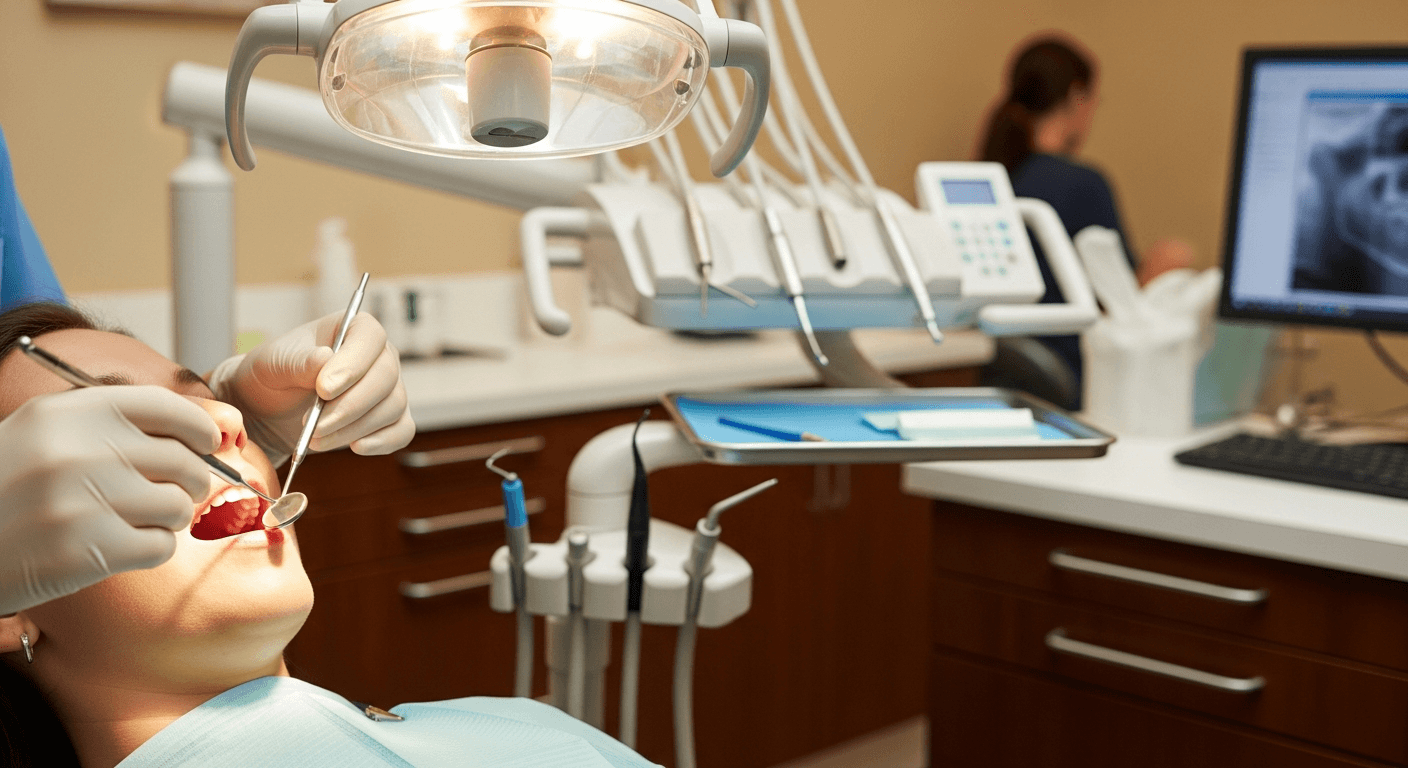

Why Dental Practices Need Comprehensive Insurance
Dental practices operate at the intersection of healthcare and business, facing risks from both domains. As healthcare providers, dentists perform procedures that can result in patient injury, allergic reactions, infections, and complications that generate malpractice claims. As business owners, dental practices face property risks, employment issues, cyber threats, and regulatory compliance obligations that require additional insurance protection.
Dental malpractice claims are more common than many dentists realize. Extraction complications, nerve damage during procedures, allergic reactions to anesthesia or materials, infections, and misdiagnosis are all frequent sources of claims. Even a routine cleaning can lead to allegations of injury if a patient develops an infection afterward. Defense costs and settlements in dental malpractice claims can reach hundreds of thousands of dollars, and verdicts in serious cases can exceed a million dollars.
Beyond clinical risks, dental practices are increasingly targeted by cybercriminals because of the valuable patient health information they store. HIPAA regulations impose strict requirements for protecting patient data, and a breach can result in federal civil penalties assessed per violation, with inflation-adjusted tiers and annual caps that can exceed $2 million for willful neglect. State attorneys general can impose additional penalties. The combination of clinical, business, and regulatory risks makes comprehensive insurance essential for every dental practice.
Core Insurance for Dental Practices
Professional liability insurance, commonly called dental malpractice insurance, is the most critical policy for any dental practice. This coverage can help protect against claims alleging negligence, errors, or omissions in the dental care you provide. Whether a patient claims injury from a procedure, alleges misdiagnosis, or asserts that informed consent was inadequate, your malpractice policy can help cover defense costs and any resulting settlements or judgments. Most dental practices carry at least $1 million per occurrence and $3 million aggregate in malpractice coverage.
General liability insurance can help cover non-clinical risks at your practice including patient slip-and-fall injuries in your waiting room, damage to patient property, and other third-party claims unrelated to dental treatment. A patient who trips over a rug in your lobby, a delivery person who falls on your steps, and water damage that spreads to a neighboring tenant are the kinds of claims general liability typically responds to.
Commercial property insurance covers your office, dental equipment, X-ray machines, sterilization equipment, computers, furniture, and supplies. Dental equipment represents a significant capital investment, and replacing a dental chair, panoramic X-ray unit, or CAD/CAM system after a fire or theft would be extremely costly without insurance. Property coverage also helps protect your tenant improvements if you lease your space.
Workers' compensation insurance pays for work-related injuries to your hygienists, dental assistants, front office staff, and other employees. Dental professionals face risks including needlestick injuries, exposure to infectious materials, repetitive strain injuries from patient positioning, and chemical exposure from cleaning and sterilization products.
Specialized Dental Practice Coverages
Cyber liability insurance is essential for dental practices that store protected health information (PHI) electronically. HIPAA requires dental practices to implement specific security measures for electronic health records, and a breach of patient data triggers mandatory notification requirements, potential federal and state penalties, and patient lawsuits. Cyber insurance can pay the costs of breach response, notification, credit monitoring, forensic investigation, and defense against resulting claims.
Business interruption insurance can help replace lost income when your practice is forced to close due to a covered property damage event. Dental practices have high overhead costs including rent, employee salaries, and equipment leases that continue even when you cannot see patients. A fire, flood, or other catastrophic event could force closure for weeks or months, and business interruption coverage keeps your practice financially viable during the recovery period.
Employment practices liability insurance (EPLI) covers claims from employees alleging discrimination, harassment, wrongful termination, or wage violations. Dental practices employ a mix of licensed professionals and support staff, and employment disputes can arise in any workplace. It can pay defense costs and settlements for these claims.
Equipment breakdown coverage specifically covers the failure of critical dental equipment including X-ray machines, autoclaves, compressors, and digital imaging systems. Standard property insurance responds to external events like fire, while equipment breakdown coverage addresses internal mechanical and electrical failures that can be equally costly.
Malpractice Insurance: Claims-Made vs. Occurrence
Dental malpractice insurance is typically written on either a claims-made or occurrence basis, and understanding the difference is critical for maintaining continuous coverage. Occurrence policies cover incidents that occur during the policy period, regardless of when the claim is filed. Claims-made policies cover claims that are both filed and reported during the policy period, meaning coverage depends on having an active policy when the claim is made, not just when the incident occurred.
Most dental malpractice policies are written on a claims-made basis, which has important implications. When you first purchase a claims-made policy, your coverage only applies to incidents that occur on or after your retroactive date, which is typically your policy inception date. As you renew year after year, your coverage builds what is called a mature tail, covering incidents going back to your retroactive date.
If you cancel a claims-made policy or switch carriers, you need tail coverage (also called an extended reporting period) to cover claims that arise after your policy ends for incidents that occurred while you were covered. Tail coverage can be expensive, often costing 150 to 200 percent of your final annual premium. Some carriers offer free or discounted tail coverage for retirement or other qualifying events.
When comparing malpractice insurance options, consider not just the annual premium but the total cost including potential tail coverage. A slightly more expensive policy with better tail provisions may be more economical in the long run. CPK Insurance can help you compare the total cost of different malpractice coverage options.
Getting Dental Practice Insurance
Insurance for dental practices is a specialized market with carriers and programs designed specifically for dental professionals. These specialized programs are built around the risks of dental practice and include coverages that generic business insurance policies do not. Comparing options from insurers that focus on dental risks helps you get appropriate coverage without paying for unnecessary extras.
To get quotes, you will need to provide information about your practice including your specialty, number of dentists and hygienists, annual patient visits, revenue, procedures performed, equipment list, and claims history. Practices that perform oral surgery, endodontics, or other specialized procedures typically pay higher malpractice premiums than general practices, reflecting the higher risk associated with more complex procedures.
CPK Insurance can help you compare options from participating providers that write dental practice insurance, from solo general dentists to multi-location specialty groups. You can compare a comprehensive program that includes malpractice, general liability, property, workers' compensation, cyber liability, and any additional coverages your practice needs. Getting a quote is quick, and a licensed insurance professional from a participating provider can explain the options in plain language so you can make an informed decision.
Request a Quote Comparison
Enter your ZIP code to compare insurance rates from top carriers.
Updated July 17, 2026