
Why Gyms Face Unique Insurance Risks
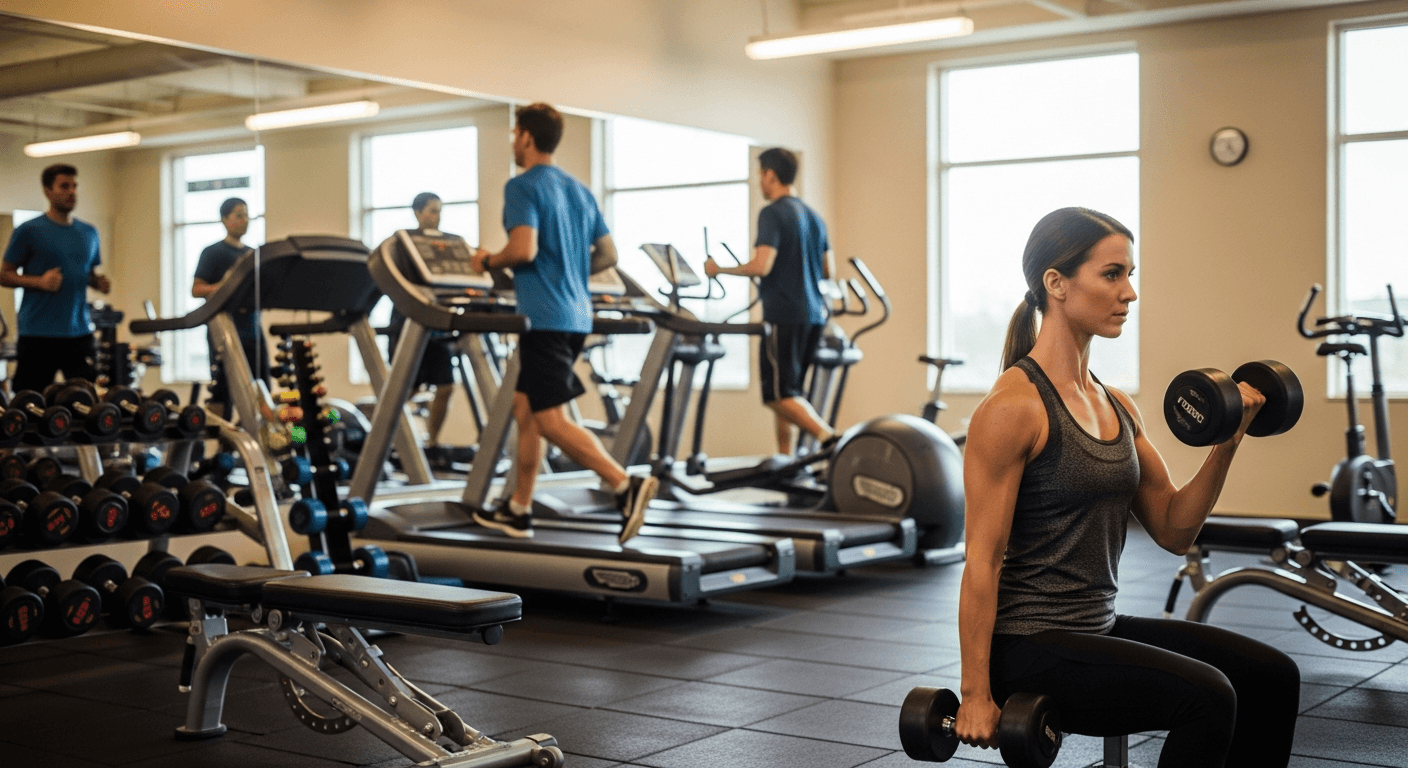
Gyms and fitness studios are inherently risky environments from an insurance perspective. Members use heavy equipment, push their physical limits, and engage in activities that carry a real risk of injury. A dropped weight can crush a foot. A treadmill malfunction can cause a fall. An overly intense workout class can lead to rhabdomyolysis or a cardiac event. These incidents happen at gyms across the country every day and regularly result in insurance claims.
Beyond physical injuries, gyms face premises liability risks. Wet locker room floors, crowded workout areas, parking lot hazards, and improperly maintained equipment all create conditions where members, guests, and employees can be hurt. Premises liability claims account for a significant portion of gym insurance costs.
Personal training and group fitness instruction add a layer of professional liability. When a trainer pushes a client too hard, provides incorrect form guidance, or fails to screen for medical conditions, the resulting injuries can lead to professional liability claims. Unlike general liability claims that involve physical premises hazards, professional liability claims center on the advice and instruction provided by your staff.
Essential Gym Insurance Policies
General liability insurance is the foundation of every gym's insurance program. This policy can help cover bodily injury and property damage claims that arise from your premises and operations. If a member is injured by faulty equipment, slips on a wet floor, or is struck by a falling mirror, general liability can pick up their medical expenses, your legal defense, and any resulting settlements. Most gym landlords require tenants to carry substantial general liability limits and to name the landlord as an additional insured.
Professional liability insurance, sometimes called errors and omissions or fitness professional liability, covers claims arising from the instruction, training, and advice your staff provides. If a personal trainer designs a workout program that aggravates a client's pre-existing condition, or if a yoga instructor's adjustment causes an injury, professional liability may cover the resulting claims. This coverage is essential for any gym that offers personal training, group classes, or nutritional guidance.
Commercial property insurance covers your gym's physical assets including exercise equipment, flooring, mirrors, sound systems, front desk computers, and tenant improvements. A well-equipped gym can easily have $100,000 to $500,000 or more in equipment and build-out costs. Fire, water damage, theft, and vandalism are all real risks that property insurance addresses.
Additional Coverage for Fitness Businesses
A business owners policy bundles general liability with commercial property coverage at a discounted rate and is the most popular insurance structure for gyms and fitness studios. A gym BOP typically also includes business interruption coverage, which replaces lost income if a covered event forces you to close temporarily. Given that gym leases and equipment financing obligations continue even when you are closed, business interruption coverage is critical.
Workers compensation insurance is required in most states for gyms with employees, including personal trainers, front desk staff, cleaning crews, and management. Gym employees face injury risks from both the physical nature of their work and the equipment-intensive environment. Workers comp pays medical treatment and lost wages for injured employees.
Abuse and molestation liability coverage is an increasingly important consideration for gyms, particularly those that offer children's programs, personal training in private settings, or locker room facilities. This specialized coverage can help protect against claims of sexual misconduct or abuse involving members or employees.
Cyber liability insurance addresses data breaches involving member information. Gyms collect and store personal data including names, addresses, payment information, and sometimes health history. A data breach can result in notification costs, credit monitoring expenses, and potential lawsuits from affected members.
Equipment breakdown coverage can help pay for repair or replacement when gym equipment fails due to mechanical or electrical malfunction. Commercial treadmills, ellipticals, and weight machines are expensive to repair, and a major breakdown can affect your ability to serve members.
Coverage Limits for Gyms
General liability coverage should be at least $1,000,000 per occurrence and $2,000,000 aggregate. High-traffic gyms with multiple locations may want higher limits. Professional liability coverage should match your general liability limits, with a minimum per occurrence that aligns with your overall liability program.
Commercial property coverage should be based on the replacement cost of all equipment, build-out improvements, furniture, fixtures, and technology. Walk through your facility and inventory every piece of equipment, every mirror, every sound system component, and every computer. The total can be higher than gym owners estimate.
Business interruption coverage should be adequate to cover at least three to six months of fixed expenses, including rent, loan payments, utilities, and key employee salaries. If your gym generates significant monthly revenue, you need enough business interruption coverage to sustain your obligations during a lengthy closure.
Workers compensation coverage follows state requirements. The employers liability component should be set at a level that fits your payroll and risk profile. Cyber liability coverage should be reviewed based on how much member data you store, with higher limits for larger gyms with more member data.
Purchasing Gym Insurance
Get a quote with CPK Insurance and connect with a licensed insurance professional who can help with fitness industry coverage. The gym and fitness studio insurance market has specific nuances including the interplay between general and professional liability, the importance of participant waiver programs, and the unique equipment valuation challenges that a generalist may not fully understand.
Have your members sign liability waivers, but understand that waivers do not eliminate the need for insurance. While a well-drafted waiver can help defend against some claims, waivers are not enforceable in all states or against all types of claims. Insurance remains your primary financial protection.
Maintain rigorous equipment inspection and maintenance records. Carriers look favorably on gyms that follow manufacturer maintenance schedules, conduct regular equipment safety inspections, and promptly remove defective equipment from service. Good maintenance practices reduce claims and help keep premiums manageable.
Require all personal trainers and group fitness instructors to carry their own professional liability insurance in addition to the coverage you maintain for the business. This creates an additional layer of protection and ensures that individual instructor negligence does not exhaust your business policy limits.
What Drives Gym Insurance Costs
Gym insurance is priced on square footage, programming, and staff. A boutique studio running mat classes with little equipment sits at the bottom of the rate range, while a full-service gym with free weight floors, a pool, or childcare sits near the top. Underwriters read your class schedule the way they read a contractor's job list: yoga and spin rate lower than CrossFit, martial arts, or anything airborne.
Trainer headcount moves the professional liability premium, since every additional instructor is another source of instruction claims, and higher-risk programming widens the gap. On the property side, pricing follows the value of your build-out and equipment, so an accurate inventory prevents both overpaying and underinsurance. Business interruption pricing keys off monthly revenue and how long a rebuild of your space would realistically take.
Claims history ties it all together. Premises claims like slips and dropped weights show up quickly in renewal pricing, which is why the unglamorous work of mopping locker room floors and re-racking equipment has a direct line to your premium. Compare quotes through CPK Insurance to see options from participating licensed insurance providers.
Request a Quote Comparison
Enter your ZIP code to compare insurance rates from top carriers.
Updated July 17, 2026