
Why HVAC Contractors Need Insurance
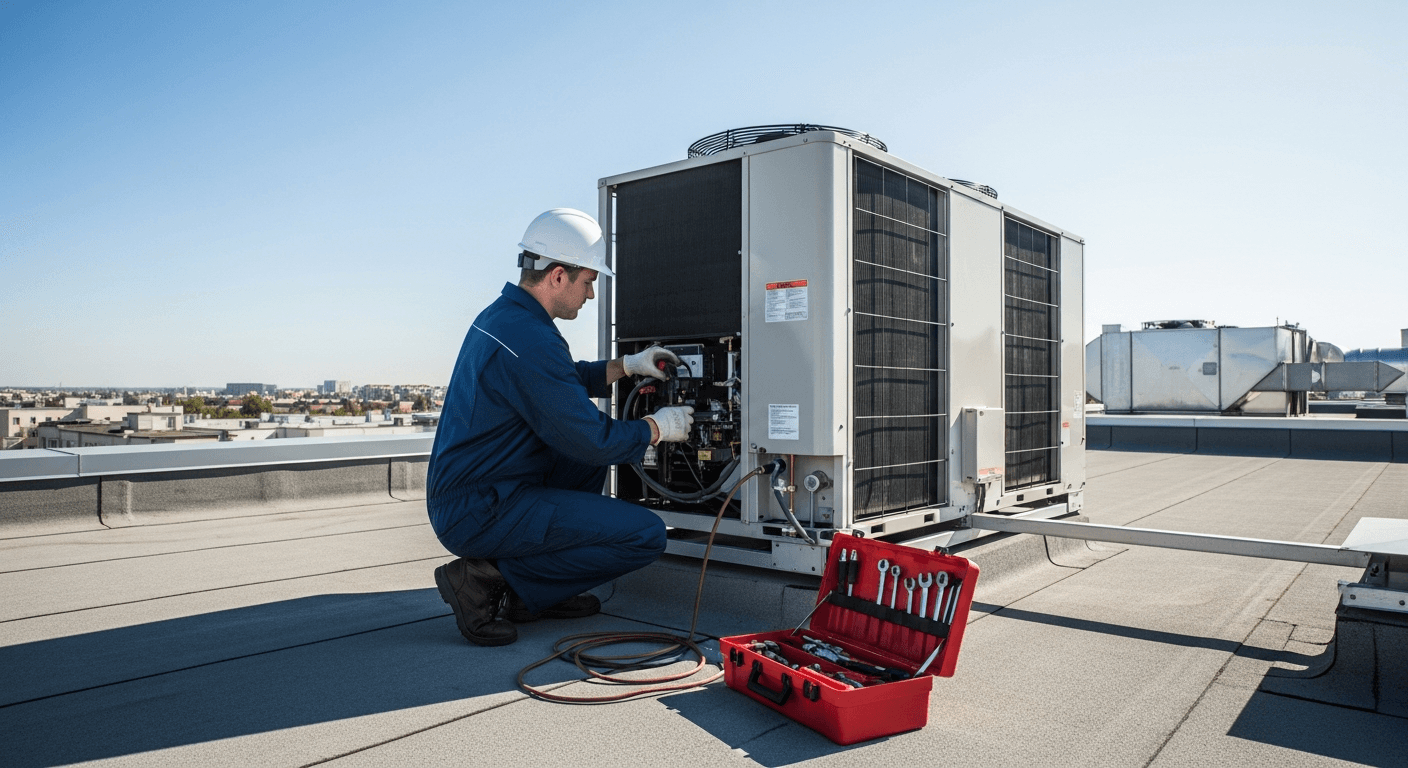
HVAC contractors work with complex mechanical systems, refrigerants, gas lines, and electrical components that create a distinct risk profile. A refrigerant leak can cause environmental contamination. An improperly installed gas furnace can lead to carbon monoxide poisoning or a house fire. A faulty air conditioning unit can cause water damage to ceilings, walls, and floors. These are not hypothetical scenarios. They happen regularly in the HVAC industry and lead to expensive insurance claims.
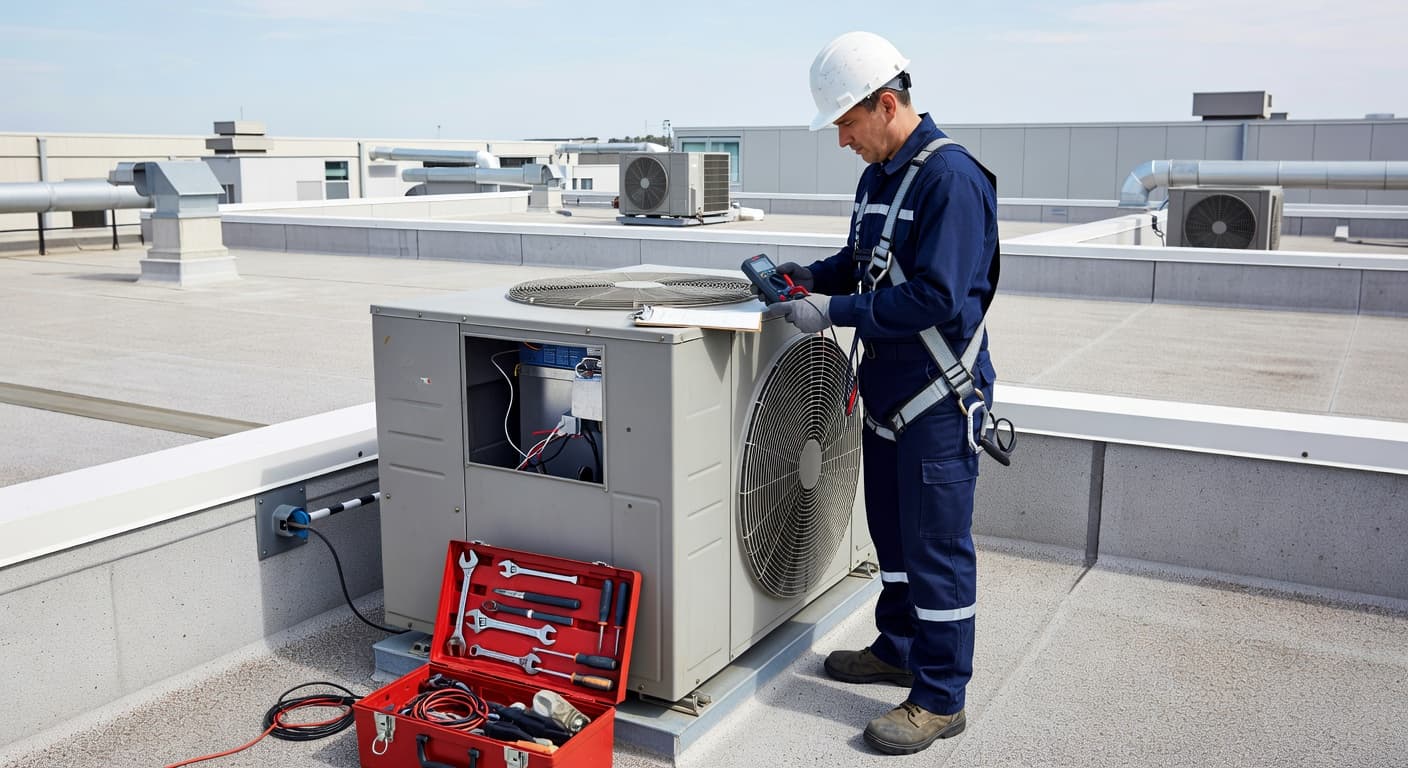
The physical demands of HVAC work also create significant employee injury risks. Technicians climb onto rooftops, crawl through attics and crawlspaces, lift heavy equipment, and work with high-voltage electrical connections. Heat exhaustion, falls, electrical burns, and back injuries are common. Workers compensation claims in the HVAC trade can be substantial.
Some states set insurance or bonding requirements for HVAC or mechanical contractor licenses, and the specifics vary widely by state. Additionally, property management companies, general contractors, and commercial building owners typically require proof of insurance before allowing HVAC contractors to work on their properties. Without proper coverage, you will be shut out of many of the most profitable jobs in the industry.
Required HVAC Insurance Policies
General liability insurance helps protect HVAC contractors against claims of bodily injury and property damage caused by their work. If a newly installed furnace malfunctions and causes a fire, or if a customer slips on debris you left behind, general liability can help pay the resulting damages, medical expenses, and legal defense costs. Some states set general liability minimums for HVAC licensing, while many require only a bond, so check your state licensing board for specifics.
Workers compensation insurance is mandatory in virtually every state for HVAC businesses with employees. Given the physical nature of HVAC work, including rooftop installations, confined space entry, and electrical work, the risk of employee injuries is significant. Workers comp pays for medical treatment, lost wages, disability benefits, and rehabilitation for injured workers. Even sole proprietors in the HVAC trade should consider carrying workers comp, as many clients require it regardless of your employment status.
Commercial auto insurance is essential for the service trucks, vans, and vehicles used to travel between job sites and transport equipment. HVAC service vehicles are often loaded with expensive tools, refrigerant, copper fittings, and replacement parts. A standard personal auto policy may not cover accidents that occur during business use, leaving you exposed to significant financial risk.
Additional Coverage for HVAC Businesses
Pollution liability insurance is uniquely important for HVAC contractors. Refrigerants like R-410A and R-22 are regulated substances, and an accidental release can trigger environmental cleanup requirements and regulatory fines. Standard general liability policies often exclude pollution-related claims, making a separate pollution liability endorsement or policy essential for any contractor who handles refrigerants.
Inland marine insurance can help cover tools and equipment while in transit or at a job site. HVAC technicians carry a significant amount of specialized equipment including manifold gauge sets, vacuum pumps, recovery machines, and diagnostic tools. This equipment is expensive to replace and is frequently left in service vehicles overnight, making it vulnerable to theft.
A business owners policy combines general liability with commercial property insurance for your shop, office, or warehouse. If you stock replacement parts, maintain an inventory of equipment, or operate out of a fixed location, a BOP wraps those assets into a single policy that addresses fire, theft, and weather losses while also providing business interruption coverage.
An umbrella policy provides additional liability coverage above your underlying policy limits. HVAC-related incidents, particularly carbon monoxide exposure or fires, can result in large lawsuits. An umbrella policy adds a buffer for those worst-case outcomes.
Recommended Coverage Limits
HVAC contractors should carry at least $1,000,000 per occurrence and $2,000,000 aggregate in general liability coverage. If you perform commercial HVAC work or install gas-fired equipment, consider higher limits since the potential for catastrophic claims is elevated.
Workers compensation limits are set by state statute for medical benefits. The employers liability portion of your policy should be at least $500,000 per accident and aggregate. Commercial HVAC projects may require higher employers liability limits as a contract requirement.
Commercial auto coverage should include at least combined single limit coverage appropriate for your operations. Make sure your policy covers hired and non-owned vehicles if employees ever use their personal vehicles for business purposes. Inland marine coverage should reflect the total replacement cost of all tools, equipment, and inventory that travel with your technicians.
Pollution liability coverage limits depend on the scale of your refrigerant work. Smaller residential HVAC companies often start with modest pollution liability limits, with higher limits for commercial contractors who handle large quantities of refrigerant or work with older systems that may contain legacy chemicals.
How to Purchase HVAC Insurance
Start by inventorying your risks. Document every type of HVAC work you perform, including installation, repair, maintenance, and any specialized services like duct cleaning or indoor air quality testing. List your vehicles, tools, equipment, and the number of employees you have. This information helps build an accurate insurance proposal.
Get a quote with CPK Insurance and connect with a licensed insurance professional who can help you compare options for trade contractors. HVAC insurance has nuances that a generalist may miss, including the need for pollution liability coverage, proper completed operations coverage, and endorsements for refrigerant-related claims. A specialist can help structure your program to avoid gaps.
Get quotes from at least three carriers. HVAC insurance pricing varies significantly between insurance companies, and one option one year may not be the best deal the next. CPK Insurance helps you compare available coverage options and check for eligible discounts.
Review your certificates of insurance carefully. Make sure your certificates accurately reflect your coverage and limits, and that your general liability policy includes products and completed operations coverage. Many HVAC claims arise after the job is finished, and completed operations coverage can help pay for those claims.
What Drives HVAC Insurance Costs
Underwriters price an HVAC book on the work itself. Residential service and replacement work sits in a lower rate band than commercial installation, and contractors who run gas lines or handle large refrigerant volumes are rated for the added fire and pollution exposure. Workers compensation is charged per $100 of payroll, so the premium climbs as crews grow, and your claims history follows you from year to year.
A few structural choices move the number more than shopping alone. Keeping payroll classified correctly, documenting refrigerant handling procedures, and separating routine maintenance from high-risk installation work in your records all give underwriters reasons to rate you at the lower end of the band. Subcontracting out work you are not equipped for, with certificates of insurance on file, keeps that exposure off your policy entirely.
Taken together, the premium for a small HVAC company is a fraction of what one carbon monoxide claim or equipment fire could cost. The right stack protects your business, your employees, and your customers from the risks inherent in heating, ventilation, and air conditioning work.
Request a Quote Comparison
Enter your ZIP code to compare insurance rates from top carriers.
Updated July 17, 2026