Updated July 5, 2026

Dealer Open Lot Insurance in Cedar Rapids
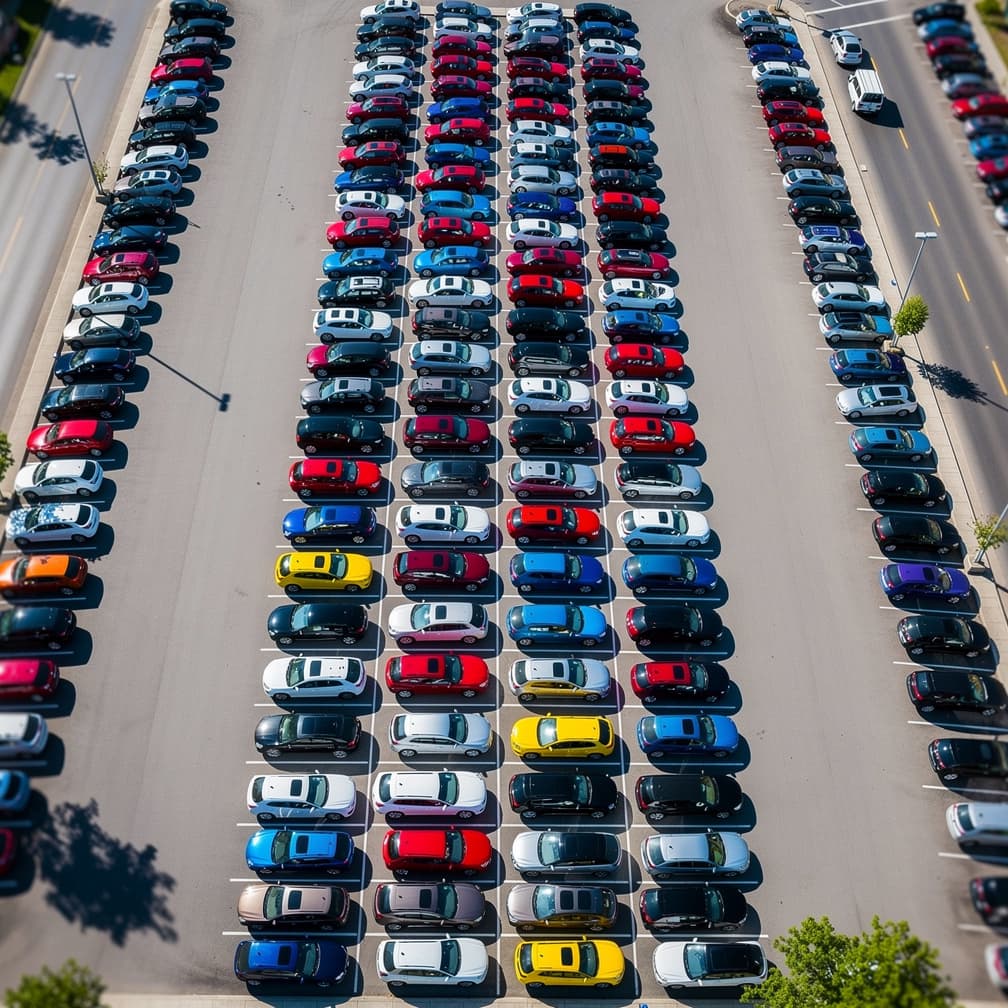
Space costs shape this market first. With Cedar Rapids median household income at $67,859, many local buyers can support late model used inventory, so your dealer open lot insurance in Cedar Rapids should be reviewed against the actual unit values you keep on hand, not a rough average from last quarter. If your front line mixes older cash cars with newer financed pickups, SUVs, or work vans, a low blanket limit can leave the higher value units carrying too much of the exposure. Deductible choice matters too. A deductible that looks manageable on a small loss can feel very different if several vehicles are damaged in one event and you need to get saleable inventory back on the line quickly. Here, the practical question is not just how many units you stock, but how much value is concentrated in a small footprint at any given time. Before you request terms, total your peak on-lot values, separate recon units from sale inventory, and ask for quote options that show how different deductibles change the tradeoff.
Dealer Open Lot Insurance Risk Factors in Cedar Rapids
Cedar Rapids's top risk factors include Tornado damage, Hail damage, Severe storm damage, and Wind damage.
Iowa has a high climate risk rating. Top hazards: Tornado (Very High), Severe Storm (Very High), Flooding (High), Winter Storm (High). The state's expected annual loss from natural hazards is $1.8B, which influences dealer open lot insurance premiums and may affect coverage availability in high-risk areas.
What Dealer Open Lot Insurance Covers
In Iowa, the practical review is less about the basic idea of lot coverage and more about the edges of your operation. Many dealers keep some units highly visible near the road, some packed tighter in rear rows, and others parked at a secondary storage area when trade-ins stack up. That changes how you should review location schedules, maximum values at each site, and whether newly acquired units are handled the way your inventory actually turns.
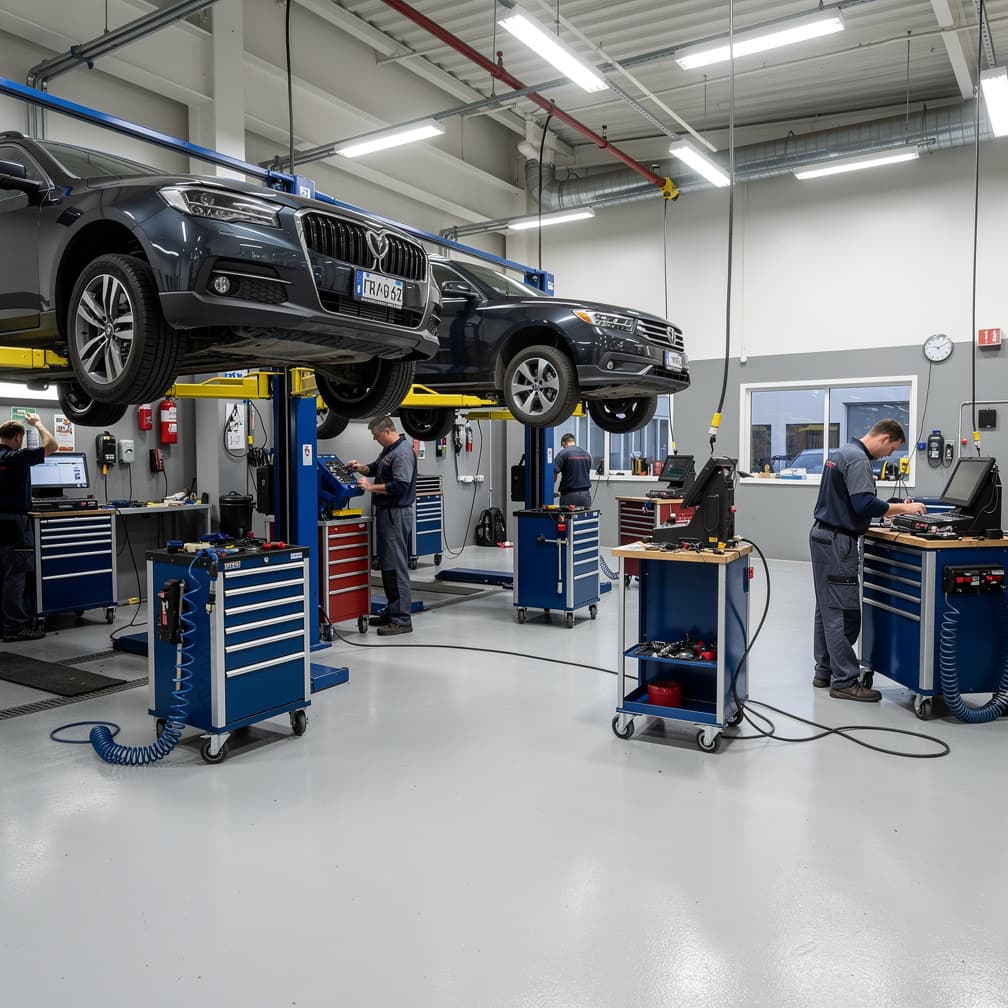
You should also look closely at movement inside the dealership workflow. A vehicle may arrive from auction, sit in intake, move to detail, shift to service for light reconditioning, then return to the sales line. If your staff regularly moves units between buildings or to an overflow lot, ask whether those transitions are covered and whether any location or distance conditions apply. That is where claim disputes often start, not in the broad promise of coverage.
Iowa weather makes storage decisions operational, not theoretical. If severe wind or hail is part of your planning, review whether your policy terms line up with where you place higher-value inventory during a storm watch and how quickly you can document pre-loss condition. Flood exposure also matters if part of your inventory sits near low-lying pavement, drainage channels, or offsite storage with different runoff patterns.
A strong review also includes valuation. Ask whether losses are settled on actual cash value, agreed value, or another basis, so you know before a loss whether the payout will match what you owe your floorplan provider or can replace the unit for. Then confirm how deductibles apply by event, by location, and across multiple damaged units from the same storm. Those details matter more than broad labels when you are trying to keep sales moving after a loss.
Coverage Included

Weather Damage
Covers hail, wind, flood, and storm damage to lot inventory.

Theft Protection
Covers vehicles stolen from your lot.

Fire Damage
Covers fire and explosion damage to inventory vehicles.

Vandalism
Covers intentional damage to vehicles on your lot.

Test Drive Coverage
Covers vehicles during customer and employee test drives.

Transit Coverage
Covers vehicles being moved between lot locations.
Industries & Insurance Needs in Cedar Rapids
Commercial demand is the local difference worth watching. Linn County has 5,809 business establishments, and the leading sectors by establishment share are health care and social assistance at 13.1%, retail trade at 11.9%, and construction at 10%, so a dealer here may carry more trucks, vans, and practical work vehicles that appeal to business buyers, not just commuter inventory. That changes how you review values. A lot weighted toward cargo vans, service bodies, half ton and three quarter ton pickups, or higher trim utility vehicles can concentrate more value in fewer units than a small sedan mix. It also affects turnover patterns, because business buyers often shop for function, upfit potential, and replacement timing. When you build your schedule for a quote, break out work oriented inventory from lower value retail units and note any vehicles awaiting accessories, service, or detailing before sale. That gives the underwriter a cleaner picture of what is actually exposed on the lot.
What Makes Cedar Rapids Different
Inventory value concentration is the main local issue. In some markets, dealers spread exposure across a larger count of lower value units. Here, a smaller lineup can still represent a meaningful total insured value if your mix leans toward newer used trucks, family SUVs, and business friendly vehicles. That matters because open lot losses do not care whether your value sits in 12 units or 40. If several higher value vehicles are affected at once, the gap between reported values and actual exposure shows up fast. The city difference is less about a unique coverage form and more about disciplined limit setting for the inventory profile you actually sell. Review your highest month, not your average month. Include units waiting for photos, mechanical work, or buyer pickup if they remain your responsibility. Then ask whether your current limit still fits the real concentration of value on the ground.
Our Recommendation for Cedar Rapids
Start with a current inventory valuation, then test it against your busiest selling period. If your mix changes with tax refund season, contractor demand, or fleet style purchases, use the higher figure for your limit review rather than the quieter month. Keep a separate count for vehicles in recon, vehicles ready for sale, and any units parked off the main display area, because those operational details help the quote match your actual exposure. If you finance more expensive used inventory, ask how your deductible would work if multiple units are damaged in one incident instead of thinking only about a single vehicle loss. It is also worth confirming how newly acquired units are handled between purchase, transport, inspection, and line placement. If you want cleaner pricing and fewer surprises, prepare a recent inventory list with VINs, values, storage addresses, and your peak total before requesting a free, no obligation quote.
Get Dealer Open Lot Insurance in Cedar Rapids
Enter your ZIP code to compare dealer open lot insurance rates from carriers in Cedar Rapids, IA.
Business insurance starting at $25/mo
FAQ
Frequently Asked Questions
Cedar Rapids dealers should base the limit on peak total inventory value, not just unit count. With median household income at $67,859, local demand can support higher value used vehicles, so a smaller lot may still need a stronger blanket limit.
Cedar Rapids area dealers should consider county business demand when reporting values. Linn County has 5,809 business establishments, so work trucks, vans, and utility vehicles may represent a larger share of your exposed inventory than a purely commuter focused mix.
Linn County business mix matters because it can shift your inventory toward higher value practical vehicles. Health care and social assistance is 13.1% of establishments, retail trade 11.9%, and construction 10%, which can support demand for vans, pickups, and utility units.
Cedar Rapids dealers should prepare a current inventory list, unit values, VINs, and every storage address you use. Also separate recon vehicles from front line inventory, because that helps the quote reflect where your highest value concentration actually sits.
Iowa dealers should list every place sale inventory is kept if vehicles move beyond the main lot. That helps the policy match actual storage practice and gives you a clearer basis for claim handling if a loss happens away from the front line.
Iowa weather can change where you park vehicles, how you stage higher-value units, and how quickly you need documentation after a loss. Review storm procedures, drainage concerns, and inventory concentration before renewal so the quote reflects real operating conditions.
Iowa used car dealers often can, but the key issue is whether the overflow location and inventory practice are disclosed correctly. If units regularly sit offsite, ask for that exposure to be addressed clearly before binding coverage.
Iowa dealers should prepare a current inventory list, values, storage addresses, security details, and notes on how vehicles move through recon and overflow areas. That gives underwriters a cleaner picture and helps you compare quotes on terms, not just price.
Sources
- 1.U.S. Census Bureau, ACS 5-Year Estimates, table B19013(Cedar Rapids median household income)
- 2.U.S. Census Bureau, County Business Patterns, Linn County(Business establishments in Linn County (the county containing Cedar Rapids; describe as a county figure, never a city figure); Leading business sectors in the county containing Cedar Rapids by establishment share)
Updated July 5, 2026