Updated July 5, 2026

On-Hook Towing Insurance in Cedar Rapids
Do you need different on-hook towing insurance in Cedar Rapids if most of your work is local impounds, shop-to-shop moves, and roadside recoveries? Yes, because the local decision is less about Iowa basics and more about the mix of customer vehicles, commercial accounts, and short-haul handoffs you handle every week. On-hook towing insurance in Cedar Rapids should be reviewed around where damage can happen here: loading a disabled SUV behind a retail center, moving a contractor pickup to a repair facility, or unloading a fleet unit in a crowded service lot. Linn County has 5,809 business establishments, so a meaningful share of towing work can involve vendor vehicles, employee cars, delivery units, and service trucks tied to commercial schedules and invoice disputes. That changes what you should ask for in a quote. You want limits that make sense for the vehicles you actually take into care, clear terms around loading and unloading, and a practical claims process for third-party damage allegations. Before you bind coverage, line up your common call types, your heaviest and highest-value tows, and the places where custody changes hands.
On-Hook Towing Insurance Risk Factors in Cedar Rapids
Cedar Rapids's top risk factors include Tornado damage, Hail damage, Severe storm damage, and Wind damage.
Iowa has a high climate risk rating. Top hazards: Tornado (Very High), Severe Storm (Very High), Flooding (High), Winter Storm (High). The state's expected annual loss from natural hazards is $1.8B, which influences on-hook towing insurance premiums and may affect coverage availability in high-risk areas.
What On-Hook Towing Insurance Covers
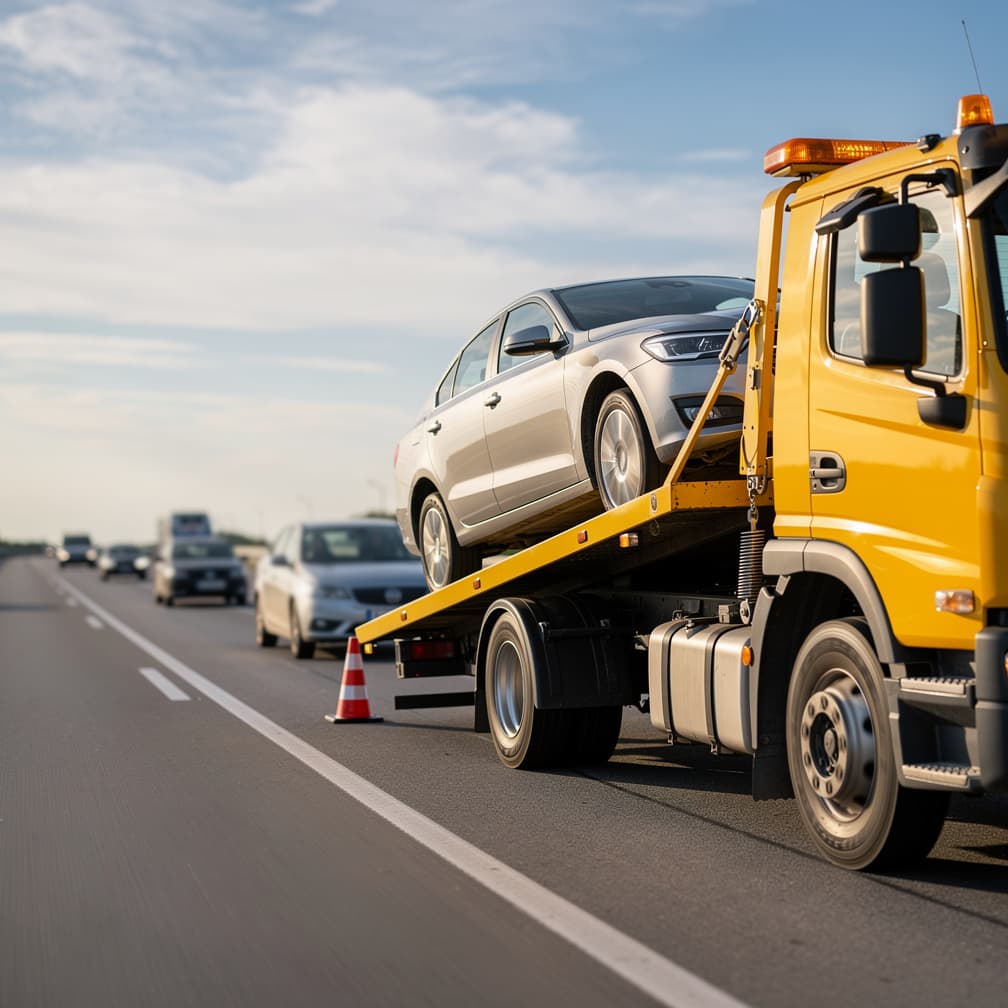
In Iowa, the useful question is not whether this coverage exists, but where your operation is most likely to create a disagreement after damage. That usually starts with the handoff point. If your driver takes possession on a highway shoulder, in a gravel lot, at an apartment complex, or on a rural road after a weather event, you need the policy wording reviewed around the exact towing and loading steps your crew performs. Small differences in how a vehicle is approached, secured, lifted, and released can matter once a claim file is opened.
This is especially important if your schedule mixes routine tows with higher-friction work. A unit that handles straightforward disabled-vehicle calls in the morning may be sent to a ditch pull, a private property impound, or a damaged vehicle with compromised steering later the same day. Those jobs can raise questions about pre-existing damage, attachment points, undercarriage contact, wheel security, and whether the loss happened before loading, during transport, or while unloading. You want those scenarios discussed before binding, not argued after a customer complains.
Iowa weather also changes the practical side of coverage review. Rain, hail, tornado conditions, flooding, and winter ice can turn an ordinary hookup into a more complex recovery environment, even when the tow distance is short. That should change what you disclose and what your agent asks underwriters to consider, even though it does not automatically change what your policy may cover. Bring photos of your equipment, list your wheel-lift and flatbed use, and explain whether you handle recoveries, storage transfers, or impounds so the quote matches the real exposure.
Coverage Included

Collision on Hook
Covers damage to towed vehicles from collisions during transport.

Comprehensive on Hook
Covers theft, fire, and weather damage to vehicles being towed.
Loading & Unloading
Covers damage during the process of loading and unloading vehicles.
Winching Coverage
Covers damage to vehicles during winching and recovery operations.

Multiple Vehicle
Covers all vehicles on multi-car carriers and rollback flatbeds.
Industries & Insurance Needs in Cedar Rapids
Commercial vehicle mix is the local pressure point. In Linn County, the leading sectors by establishment share are health care and social assistance at 13.1%, retail trade at 11.9%, and construction at 10%, so towing operators here often touch the kinds of vehicles those sectors put on the road every day. That can mean employee sedans from medical campuses, customer vehicles from retail parking areas, and work pickups or vans tied to active jobsites. For on-hook coverage, that matters because the value, upfit, and downtime expectations can differ sharply from a simple private-passenger tow. A contractor truck with tools, ladder racks, or business interruption concerns can turn a routine damage claim into a more expensive dispute. A quote should be built around your actual dispatch mix, not a generic towing profile. If commercial calls make up a noticeable share of your book, ask to review higher on-hook limits and any exclusions that could affect attached equipment or loading-stage losses.
What Makes Cedar Rapids Different
Commercial handoff density is what changes the calculus here. In a market where local towing work often intersects with repair shops, retail lots, medical-related traffic, and contractor vehicles, the key issue is not just whether a vehicle is on your truck. It is how often you take custody in places where multiple parties are involved and expectations are documented. Cedar Rapids median household income is $67,859, so many personal vehicles you tow may still represent a meaningful financial asset to the owner, and disputes over pre-existing damage versus tow-related damage can escalate quickly. That makes documentation more important than broad promises. Photos before hookup, notes on wheel condition and body damage, and a consistent release process at drop-off all support the coverage you buy. If your operation handles both private-party and commercial-account calls, separate those patterns before quoting. The right policy review starts with the vehicles, locations, and transfer points that create the most expensive misunderstandings.
Our Recommendation for Cedar Rapids
Start with your dispatch reality, not your truck schedule. If you regularly move contractor pickups, delivery vans, or employee vehicles for local businesses, ask for an on-hook review that matches those units' likely values and the way losses are alleged during hookup, transport, and unloading. Then look at your documentation habits. A stronger quote conversation usually includes whether drivers take timestamped photos, where keys are exchanged, how after-hours drop-offs are handled, and who signs for release at the destination. If you serve apartment complexes, retail properties, or commercial accounts, check whether your policy terms fit impounds and short-distance relocations as well as standard roadside tows. Keep the discussion practical: your most expensive recent tows, your common vehicle classes, and any pattern of claims involving low-clearance cars, modified trucks, or disputed pre-tow damage. That gives you a cleaner basis to compare limits, deductibles, and claim handling expectations before renewal or before adding another truck.
Get On-Hook Towing Insurance in Cedar Rapids
Enter your ZIP code to compare on-hook towing insurance rates from carriers in Cedar Rapids, IA.
Business insurance starting at $25/mo
FAQ
Frequently Asked Questions
Cedar Rapids operators often need a closer review when commercial accounts are a steady part of the book. Linn County has 5,809 business establishments, so you may handle more vendor, fleet, and employee vehicles, which can raise the stakes on damage documentation and limit selection.
Cedar Rapids sits in a county where health care and social assistance is 13.1% of establishments, retail trade 11.9%, and construction 10%. That mix can mean more service vans, contractor pickups, and parking-lot tows, so your quote should reflect the vehicles you actually take into custody.
Cedar Rapids towing businesses should consider higher limits if work trucks are common on dispatch. Construction accounts for 10% of Linn County establishments, and contractor vehicles can bring higher repair costs, equipment concerns, and tougher downtime disputes after a loss.
Cedar Rapids can see sharper disagreements over vehicle condition because a personal auto is a major household asset for many owners. The city's median household income is $67,859, so clear pre-tow photos and signed release procedures can matter as much as the limit itself.
Yes. A rural roadside call often means loading on a soft shoulder, a gravel approach, or an uneven farm lane, and custody begins the moment your driver starts winching. If your policy only accounts for transport, you may have no coverage for damage that occurs during the hookup itself.
Ice, flooding, and storm debris change how a vehicle is approached and secured, and they increase the chance of a slip, a strap failure, or an undercarriage strike. Disclose that work during underwriting so the policy is reviewed around the calls your drivers actually handle.
Iowa insurance questions are overseen by the Iowa Insurance Division. If you are comparing policy forms, checking licensing concerns, or reviewing complaint options, keep that agency in mind while you shop coverage.
Yes. A flatbed creates contact-point and tie-down questions, while a wheel-lift raises concerns about drivetrain and suspension loading. If your business uses both, list each truck's role clearly so the quote reflects the real exposure.
Sources
- 1.U.S. Census Bureau, County Business Patterns, Linn County(Linn County has 5,809 business establishments, so a meaningful share of towing work can involve vendor vehicles, employee cars, delivery units, and service trucks tied to commercial schedules and invoice disputes.; In Linn County, the leading sectors by establishment share are health care and social assistance at 13.1%, retail trade at 11.9%, and construction at 10%, so towing operators here often touch the kinds of vehicles those sectors put on the road every day.)
- 2.U.S. Census Bureau, ACS 5-Year Estimates, table B19013(Cedar Rapids median household income is $67,859, so many personal vehicles you tow may still represent a meaningful financial asset to the owner, and disputes over pre-existing damage versus tow-related damage can escalate quickly.)
Updated July 5, 2026