







































Updated July 5, 2026

Commercial Truck Insurance in Davenport
In a smaller market, your options often come down to which carriers are comfortable with your exact operation and how cleanly you can document it. For commercial truck insurance in Davenport, that usually means proving where your units park, how often they cross the river, whether you run local delivery or longer regional lanes, and what contracts require before a load moves. A one-truck owner-operator and a small fleet serving repeat commercial accounts can look similar on paper, but underwriters often separate them by radius, commodity, driver files, and certificate turnaround.
That local dynamic matters because buyers here are often working through relationship-driven expectations rather than a huge menu of interchangeable markets. If a shipper, broker, or customer asks for higher liability limits, additional insured status, or waiver language, you want those requests reviewed before dispatch, not after a job is awarded. The practical move is to build your quote around your real operating pattern: garaging address, trailer interchange needs, hired and non-owned exposure, and any cross-state work that changes filings or proof requirements.
Commercial Truck Insurance Risk Factors in Davenport
Local weather is part of the trucking conversation here, but the city-specific issue is downtime planning, not a unique hazard profile that stands apart from the rest of Iowa. If your trucks sit outside, run early routes, or depend on tight delivery windows, weather-related interruptions can turn into missed appointments, cargo disputes, or rental needs faster than many owners expect. That is why your review should go beyond liability alone. Ask how physical damage deductibles fit the age and value of each unit, whether rental reimbursement or downtime-related options are worth considering, and how cargo terms respond if a delay becomes a claim dispute. If you use a yard, confirm who is responsible for trailers, attached equipment, and any loss that happens while a truck is parked between jobs. The goal is not to buy every endorsement available. It is to match coverage to how long a truck can realistically be out of service before cash flow gets tight.
Iowa has a high climate risk rating. Top hazards: Tornado (Very High), Severe Storm (Very High), Flooding (High), Winter Storm (High). The state's expected annual loss from natural hazards is $1.8B, which influences commercial truck insurance premiums and may affect coverage availability in high-risk areas.
What Commercial Truck Insurance Covers
Your policy is built around how your trucks actually operate on state highways, local roads, and freight corridors. Core protection can include motor carrier liability, physical damage, cargo insurance, trailer interchange, bobtail coverage, and non-trucking liability. If you move manufactured goods, agricultural freight, refrigerated loads, or general freight through high-traffic areas around Des Moines and across rural counties, weather exposure is a bigger factor.
Iowa businesses still need to align their policy with the state's commercial auto minimums, but trucking operations often need higher limits because federal freight requirements and shipper contracts can exceed those amounts. Your policy has to be structured around the kind of freight you haul and whether you operate as a motor carrier, owner-operator, regional fleet, or local delivery business.
Coverage details can vary by endorsement. Cargo terms may depend on the type of freight, while trailer interchange applies when you handle non-owned trailers under an agreement. Bobtail and non-trucking liability are different protections, and the right one depends on whether the truck is under dispatch or being operated off-duty. In Iowa, where severe weather is part of the risk picture, physical damage choices and deductibles deserve close attention. Repair timing and roadside exposure can affect how quickly a truck gets back to work.
Coverage Included

Motor Carrier Liability
Can help cover injuries and property damage your truck causes to others, a coverage federal regulators require most for-hire carriers to maintain.
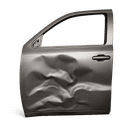
Physical Damage
Can help pay to repair or replace your own truck after an accident, fire, theft, or vandalism.
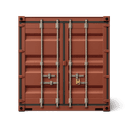
Cargo Coverage
May pay for damage to or theft of the freight you are hauling while it is in your care.
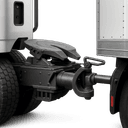
Trailer Interchange
Can help cover damage to trailers you haul under an interchange agreement but do not own.

Bobtail Coverage
May provide liability protection when you drive your tractor without a trailer attached, such as after dropping off a load.

Non-Trucking Liability
Can help cover accidents that happen when you use your truck for personal errands rather than dispatched work.
Commercial Truck Insurance Cost in Davenport
Average Cost in Iowa
$350 - $875
per month
Businesses in Iowa typically see commercial truck insurance premiums of $350 - $875 per month, which tends to run 20% below the national range of $400 - $1,125 per month.
- Radius of operation
- Commodities hauled and cargo value
- Number and value of power units
- Driver motor vehicle records and CDL experience
- DOT safety record, inspections, and FMCSA scores
- Liability limits and physical damage deductibles
Contact CPK Insurance for a personalized quote.
Prices shown are general estimates, not guaranteed rates or quotes. Your actual premium will depend on the insurer, coverage selected, business details, location, claims history, and other underwriting factors. Learn about our pricing methodology.
Commercial truck insurance cost in Iowa is influenced by the state's competitive market, but pricing still varies widely by truck, route, and coverage choices. Iowa's below-average premium index suggests carriers here may price similar risks differently, which can help create more quote options for trucking businesses that present clean loss histories and well-defined operations.
Several Iowa factors can push pricing up or down. Because the state faces severe tornado, flooding, and winter storm exposure, carriers may look closely at where trucks are garaged and how often they run in weather-exposed corridors. Claims history, location, coverage limits, deductible choices, endorsements, and industry risk profile all affect the final rate. That means a box truck making local deliveries in Des Moines may price differently than a long-haul tractor-trailer moving freight across multiple states.
Iowa's auto accident data also matters. The state's average claim cost is $20,536, which means a single at-fault incident can wipe out a small operation's cash reserves if your liability limits are too low. Weather conditions account for 13.8% of crashes, with speeding and lane departure also among the top causes. This data tells underwriters that Iowa roads carry distinct seasonal and behavioral risks, which may influence how they price your truck liability and motor carrier liability coverage. If you want the most accurate quote, carriers will usually want details on vehicle type, hauling radius, cargo type, driver history, and whether you need trailer interchange or bobtail coverage.
Industries & Insurance Needs in Davenport
Scott County business mix changes who asks your trucking company for proof and how fast they expect it. The county has 4,545 business establishments, and its largest establishment shares are retail trade at 13.6%, health care and social assistance at 11.5%, and accommodation and food services at 10.9%, so a lot of local freight and service work ties back to time-sensitive deliveries, vendor access rules, and contract-driven insurance requests.
For a truck owner, that means the buying decision is often less about finding a generic policy and more about making sure your paperwork supports the accounts you want. Retail and food-related customers may care about delivery timing and certificate speed. Health care related accounts may scrutinize vendor documentation more closely. If you serve several of these segments, ask for a quote review that accounts for your customer mix, not just your vehicle schedule, because the right endorsements and proof language can affect whether you keep or lose routine routes.
What Makes Davenport Different
Cross-river operating patterns are what change the calculus here. Even if most of your work feels local, many trucking businesses based here do not stay on one side of the metro for long. A route that starts with a warehouse pickup, moves through a retail delivery, and ends with another stop across the river can create a different underwriting picture than a purely in-town schedule.
That matters because insurers usually price and structure commercial auto around radius, territory, garaging, driver use, and filing needs, not just the truck itself. If your operation regularly crosses state lines, even for short runs, your application should say that clearly. If it does not, you risk getting a quote built for the wrong exposure. The useful question is simple: are you truly local-only, or are you a regional operator with short-haul habits? Get that distinction right before you compare limits, cargo options, physical damage deductibles, and any non-trucking or bobtail needs tied to leased-on work.
Our Recommendation for Davenport
Start with your dispatch reality, not your renewal declaration page. List every truck, trailer, garaging location, normal radius, and the kinds of loads you actually move. Then separate contract requirements from optional upgrades. If a broker or customer requires specific liability limits, additional insured wording, or primary and noncontributory language, have those requests reviewed alongside the quote so you can see which market fits your book of business.
If you are a small fleet, ask how the insurer evaluates driver age, MVRs, and hiring standards, because those details can change eligibility as much as vehicle type. If you are an owner-operator, clarify whether you need motor truck cargo, trailer interchange, non-trucking liability, or physical damage based on whether you run under your own authority or lease on. If a complaint or coverage issue ever needs escalation, the Iowa Insurance Division is the state regulator, but the better move is to resolve wording and documentation questions before a certificate is issued or a truck is dispatched.
Get Commercial Truck Insurance in Davenport
Enter your ZIP code to compare commercial truck insurance rates from carriers in Davenport, IA.
Business insurance starting at $25/mo
FAQ
Frequently Asked Questions
Davenport trucking operations often cross the river as part of normal dispatch, so your quote should reflect actual interstate use, normal radius, and any filing or contract requirements tied to those trips. A local-only policy setup can miss how your trucks really operate.
Davenport owner-operators should gather unit details, VINs, garaging address, driver information, loss history, commodity type, and typical route radius. If you lease on to a motor carrier, bring the contract too, because non-trucking liability or bobtail needs depend on that relationship.
Scott County has 4,545 business establishments, so many local accounts use formal vendor onboarding and proof-of-coverage requests before work starts. That makes certificate turnaround, additional insured requests, and contract review part of the buying decision, not just an afterthought.
Davenport local delivery fleets should review liability limits, physical damage deductibles, hired and non-owned auto exposure, trailer interchange, and cargo terms first. Those choices usually affect whether the policy matches your routes, parking setup, and customer contracts.
Scott County business mix includes retail trade at 13.6%, health care and social assistance at 11.5%, and accommodation and food services at 10.9%. That mix can mean more time-sensitive deliveries and stricter proof requirements, so policy wording should match the accounts you serve.
In Iowa, it can be built around motor carrier liability, physical damage, cargo coverage, trailer interchange, bobtail coverage, and non-trucking liability, depending on how your trucks operate and what freight you haul.
Iowa's commercial auto minimums apply, but trucking businesses often need higher limits because federal freight rules and shipper contracts can require more.
Your final price varies with limits, deductibles, claims history, location, endorsements, and the type of trucking you do.
Sources
- 1.U.S. Census Bureau, County Business Patterns, Scott County(Scott County has 4,545 business establishments.; Scott County's largest establishment shares are retail trade 13.6%, health care and social assistance 11.5%, and accommodation and food services 10.9%.)
- 2.Iowa Insurance Division(The Iowa Insurance Division is the state regulator.)
Updated July 5, 2026





