Updated July 5, 2026

Car Insurance in Des Moines
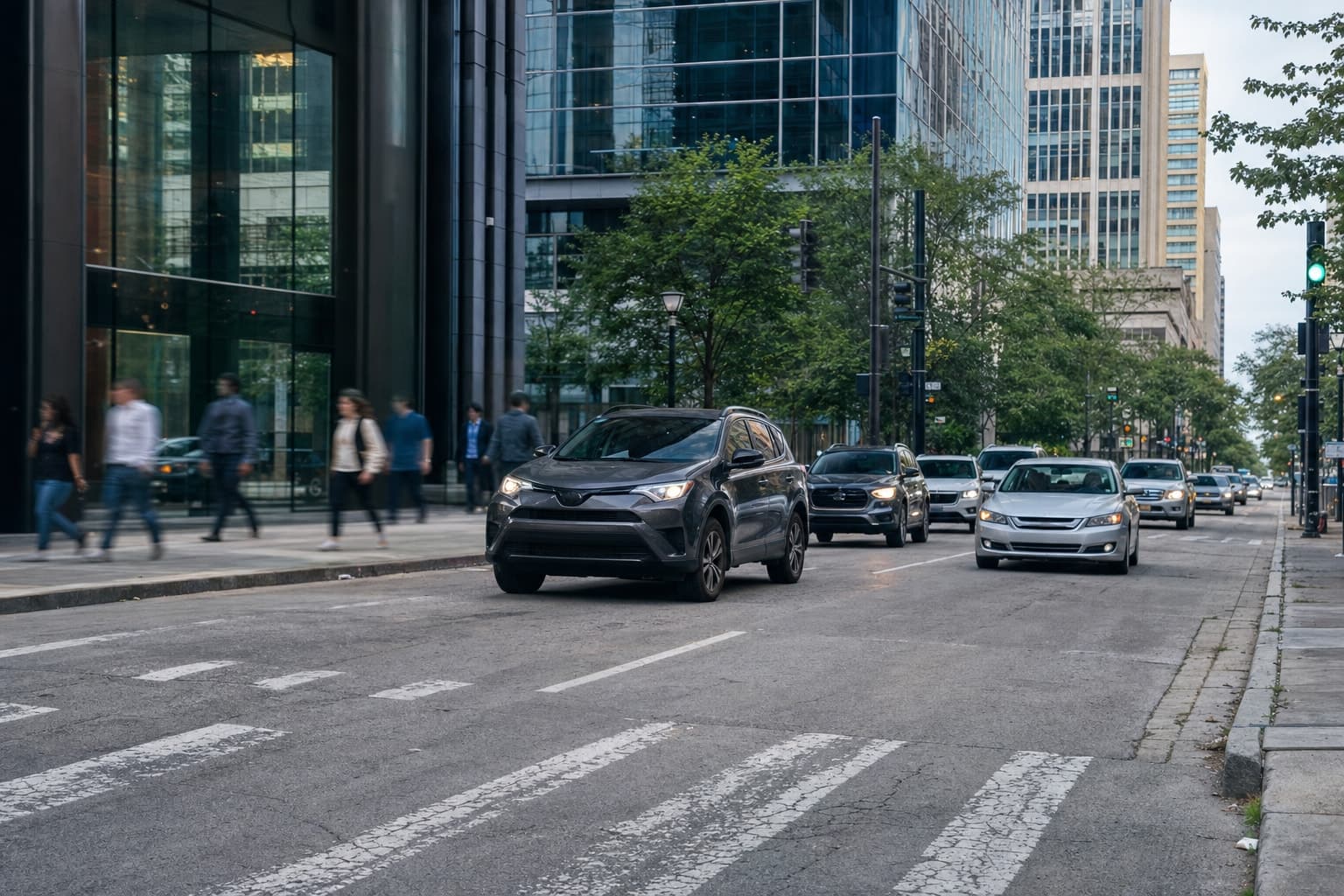
A hailstorm moves across the metro during the evening commute, streets slick up fast, and the next morning you are dealing with cracked glass, dented panels, and a car you still need for work. That is the practical reason to review car insurance in Des Moines with local driving patterns in mind, not just a statewide average. Here, the issue is often how quickly a weather claim turns into a transportation problem if you rely on one vehicle for commuting, school drop-offs, or errands across the city. Des Moines households report a median income of $63,966, so a deductible, rental reimbursement choice, and repair-shop flexibility can affect your monthly budget just as much as the premium does. A useful quote review should test whether your comprehensive and collision selections fit how you park, how far you drive across town, and how much out-of-pocket cost you could realistically absorb after a storm or multi-car crash. Before you buy, compare deductible options against your emergency savings and ask how rental coverage would work during a local repair backlog.
Iowa has a high climate risk rating. Top hazards: Tornado (Very High), Severe Storm (Very High), Flooding (High), Winter Storm (High). The state's expected annual loss from natural hazards is $1.8B, which influences car insurance premiums and may affect coverage availability in high-risk areas.
What Car Insurance Covers
Car insurance coverage in Iowa starts with liability, which can help pay for injuries and damage you cause to others in an auto accident. That matters because Iowa drivers must meet the state's financial responsibility rules even though the exact policy structure can vary by insurer. Many Iowa drivers also add collision coverage for repairs to their own vehicle after an accident, especially if they commute in Des Moines, Cedar Rapids, Davenport, or Sioux City where traffic, parking, and stop-and-go driving can increase claim exposure. Comprehensive coverage is important in Iowa because tornadoes, severe storms, flooding, and winter weather losses are part of the state's risk profile, and those events can damage a vehicle even when no collision occurs. Uninsured motorist coverage is worth reviewing because a driver with limited coverage can still leave you with costs after a crash. Medical payments coverage may help with medical expenses for you and passengers after a covered accident, and rental reimbursement can help keep you mobile while your car is being repaired. Iowa's regulator is the Iowa Insurance Division, so policy details, endorsements, and limits should be reviewed carefully before you bind coverage.
Coverage Included

Liability
Can help pay for injuries and property damage you cause to others in an accident, coverage most states require drivers to carry.

Collision
Can help pay to repair or replace your car after a crash with another vehicle or object, regardless of fault.

Comprehensive
Typically covers damage to your car from events other than collisions, such as theft, hail, fire, flooding, or hitting an animal.

Uninsured Motorist
May pay for your injuries and, in some states, car damage when an at-fault driver has no insurance or too little.

Medical Payments
Can help cover medical bills for you and your passengers after an accident, no matter who was at fault.
Rental Reimbursement
May pay for a rental car while your vehicle is in the shop for repairs after a covered claim.
Car Insurance Cost in Des Moines
Average Cost in Iowa
$70 - $150
per month
In Iowa, car insurance premiums typically run $70 - $150 per month, which tends to run 35% below the national range of $110 - $230 per month.
- Driving record and age
- Vehicle make, model, and year
- Location and commute distance
- Credit-based insurance score
- Coverage limits and deductibles
Contact CPK Insurance for a personalized quote.
Prices shown are general estimates, not guaranteed rates or quotes. Your actual premium will depend on the insurer, coverage selected, personal details, location, claims history, and other underwriting factors. Learn about our pricing methodology.
Local rates generally run below the national average overall, but that does not mean every driver pays the same amount. Coverage limits and deductibles, claims history, location, policy endorsements, and your vehicle all influence price, and Iowa's severe weather profile can push comprehensive coverage higher for some drivers. The state's top hazards, including tornadoes, severe storms, flooding, and winter weather, can affect how insurers view comprehensive risk, especially in areas that have seen recent disaster declarations. Local crash data and claim costs show why liability and collision choices can matter financially even in a lower-cost market. Rates can also reflect local traffic patterns in larger cities, annual mileage, and whether your vehicle is newer or more expensive to repair. If you want a tighter quote, keeping the same limits, deductible, and coverages across multiple carriers lets you see the real price difference.
Industries & Insurance Needs in Des Moines
Polk County's business density changes how many local drivers use their cars during the workweek. The county has 13,833 business establishments, and its leading sectors by establishment share are retail trade at 11.6%, professional, scientific, and technical services at 11.6%, and health care and social assistance at 10.9%, so daily driving often means parking lots, client visits, shift changes, and short urban trips rather than only long highway miles. That matters because frequent stop-and-go use, crowded lots, and irregular work hours can raise the practical value of collision, comprehensive, and rental reimbursement even for drivers with modest annual mileage. If you use your vehicle to move between job sites, offices, stores, or care facilities, tell the agent exactly how the car is used during the week. Usage details can change which coverages deserve the closest review.
What Affects Car Insurance Rates in Des Moines
For many households here, the cost conversation is less about chasing the lowest premium and more about matching deductibles and optional coverages to cash flow. If a higher deductible would strain your budget after hail damage or a winter crash, a slightly different policy structure may be worth reviewing before renewal. That is especially true if your household depends on one primary vehicle for commuting or school transportation, because the out-of-pocket cost of repairs, glass replacement, and temporary transportation can stack up quickly. Ask for quote options that show the tradeoff between lower premiums and higher deductibles, then compare those numbers to what you could comfortably pay this month without using high-interest debt. A quote is more useful when it shows the financial consequence of each choice, not just the total premium.
What Makes Des Moines Different
Commuting dependence is what changes the calculus here. In Des Moines, many households are not just insuring a car, they are insuring the ability to get to work, school, appointments, and errands without a long interruption after a storm or crash. That makes downtime a bigger issue than buyers sometimes expect. A policy that looks acceptable on paper can feel thin if it leaves you paying a large deductible, waiting on repairs, and arranging transportation across town for several days. The local decision is less about adding every optional coverage and more about identifying the breakpoints that would disrupt your routine: a cracked windshield, hail damage in an open lot, a rear-end collision on a busy corridor, or a repair delay after widespread weather losses. Review your policy around those scenarios. If losing access to your vehicle would create immediate work or family problems, ask for side-by-side options that include rental reimbursement and different deductible levels.
Our Recommendation for Des Moines
Start with the parts of the policy that control recovery after a local loss, not just the liability line. For many drivers here, that means reviewing comprehensive, collision, glass handling, rental reimbursement, and towing as one package. If your car is parked outside overnight or during the workday, ask how a weather claim would be handled and what deductible applies. If you commute across the metro several days a week, compare whether a lower collision deductible makes more sense than trimming premium at renewal. Be precise about vehicle use, where it is usually parked, and whether your household has a backup car. Those details help shape a quote that fits real life. If you are comparing policies and a term or claim rule is unclear, you can also verify consumer guidance through the Iowa Insurance Division before you switch. The practical next step is to request a quote review built around your parking, commute, and deductible tolerance.
Get Car Insurance in Des Moines
Enter your ZIP code to compare car insurance rates from carriers in Des Moines, IA.
Car insurance starting at $59/mo
FAQ
Frequently Asked Questions
Des Moines drivers who park outside should usually review comprehensive, glass claims handling, and deductible levels first. Local weather losses can leave you with damage even when no other driver is involved, so the key question is how much out-of-pocket cost you could absorb quickly.
Des Moines commuters often feel the impact of downtime more than the initial damage. If you rely on one vehicle for work, school, or appointments across town, rental reimbursement may be worth comparing alongside collision and comprehensive rather than treating it as a throw-in.
Polk County has 13,833 business establishments, so many local trips involve busy lots, shift changes, and short workday drives. That pattern can make collision, comprehensive, and rental reimbursement more relevant if your car is used constantly during the week.
Des Moines households should tie deductible choice to cash reserves, not just premium savings. Compare quote options against what you could realistically pay after hail, glass damage, or a multi-car crash, especially if your household depends on one primary vehicle.
Des Moines drivers should describe how the car is actually used during the week. Polk County's leading establishment sectors include retail trade at 11.6%, professional services at 11.6%, and health care and social assistance at 10.9%, which often means more parking-lot and stop-and-go exposure.
Start with liability, since Iowa requires it and it forms the foundation of any auto policy. From there, weigh collision and comprehensive based on your vehicle value, commute, and where you park. If you want broader protection, uninsured motorist coverage, medical payments coverage, and rental reimbursement are worth adding, especially if you commute in heavier traffic or rely on one vehicle for daily needs.
Costs vary by carrier, limits, deductible, claims history, and location. Local rates generally run below the national average, but your individual quote depends on factors like your driving record, vehicle, and ZIP code.
Not every driver needs the same policy, but comprehensive coverage in Iowa is worth reviewing because the state has very high tornado and severe storm risk, plus flooding and winter weather exposure that can damage a vehicle outside of a collision.
Sources
- 1.U.S. Census Bureau, ACS 5-Year Estimates, table B19013(Des Moines households report a median income of $63,966, so a deductible, rental reimbursement choice, and repair-shop flexibility can affect your monthly budget just as much as the premium does.)
- 2.U.S. Census Bureau, County Business Patterns, Polk County(Polk County has 13,833 business establishments, and its leading sectors by establishment share are retail trade at 11.6%, professional, scientific, and technical services at 11.6%, and health care and social assistance at 10.9%, so daily driving often means parking lots, client visits, shift changes, and short urban trips rather than only long highway miles.)
- 3.Iowa Insurance Division(If you are comparing policies and a term or claim rule is unclear, you can also verify consumer guidance through the Iowa Insurance Division before you switch.)
Updated July 5, 2026