








































Updated July 5, 2026

Commercial Truck Insurance in Des Moines
A lot of trucking accounts here are not long haul fleets parked in one yard all week. You may lease a small industrial bay south of downtown, stage straight trucks near the airport, or dispatch box trucks and service vehicles across retail corridors, medical campuses, and office districts in the same day. That operating pattern changes how you should review commercial truck insurance in Des Moines. The issue is not just unit count. It is how often drivers back into tight delivery areas, who loads the vehicle, where trucks sit overnight, and whether your schedule mixes local delivery, contractor hauling, and occasional regional runs. Polk County has 13,833 business establishments, so local trucking buyers often serve a dense mix of vendors, clinics, retailers, and professional offices that expect certificates, clean contracts, and reliable arrival windows. That makes it worth checking hired and non-owned auto exposure, loading and unloading language, trailer interchange if you swap equipment, and downtime planning if one truck is sidelined. Before you renew, map your real routes, parking locations, and customer types so the quote matches how your trucks actually work.
Commercial Truck Insurance Risk Factors in Des Moines
Des Moines's top risk factors include Tornado damage, Hail damage, Severe storm damage, and Wind damage.
Iowa has a high climate risk rating. Top hazards: Tornado (Very High), Severe Storm (Very High), Flooding (High), Winter Storm (High). The state's expected annual loss from natural hazards is $1.8B, which influences commercial truck insurance premiums and may affect coverage availability in high-risk areas.
What Commercial Truck Insurance Covers
Your policy is built around how your trucks actually operate on state highways, local roads, and freight corridors. Core protection can include motor carrier liability, physical damage, cargo insurance, trailer interchange, bobtail coverage, and non-trucking liability. If you move manufactured goods, agricultural freight, refrigerated loads, or general freight through high-traffic areas around Des Moines and across rural counties, weather exposure is a bigger factor.
Iowa businesses still need to align their policy with the state's commercial auto minimums, but trucking operations often need higher limits because federal freight requirements and shipper contracts can exceed those amounts. Your policy has to be structured around the kind of freight you haul and whether you operate as a motor carrier, owner-operator, regional fleet, or local delivery business.
Coverage details can vary by endorsement. Cargo terms may depend on the type of freight, while trailer interchange applies when you handle non-owned trailers under an agreement. Bobtail and non-trucking liability are different protections, and the right one depends on whether the truck is under dispatch or being operated off-duty. In Iowa, where severe weather is part of the risk picture, physical damage choices and deductibles deserve close attention. Repair timing and roadside exposure can affect how quickly a truck gets back to work.
Coverage Included

Motor Carrier Liability
Can help cover injuries and property damage your truck causes to others, a coverage federal regulators require most for-hire carriers to maintain.
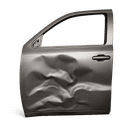
Physical Damage
Can help pay to repair or replace your own truck after an accident, fire, theft, or vandalism.
Cargo Coverage
May pay for damage to or theft of the freight you are hauling while it is in your care.
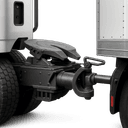
Trailer Interchange
Can help cover damage to trailers you haul under an interchange agreement but do not own.

Bobtail Coverage
May provide liability protection when you drive your tractor without a trailer attached, such as after dropping off a load.

Non-Trucking Liability
Can help cover accidents that happen when you use your truck for personal errands rather than dispatched work.
Commercial Truck Insurance Cost in Des Moines
Average Cost in Iowa
$350 - $875
per month
Businesses in Iowa typically see commercial truck insurance premiums of $350 - $875 per month, which tends to run 20% below the national range of $400 - $1,125 per month.
- Radius of operation
- Commodities hauled and cargo value
- Number and value of power units
- Driver motor vehicle records and CDL experience
- DOT safety record, inspections, and FMCSA scores
- Liability limits and physical damage deductibles
Contact CPK Insurance for a personalized quote.
Prices shown are general estimates, not guaranteed rates or quotes. Your actual premium will depend on the insurer, coverage selected, business details, location, claims history, and other underwriting factors. Learn about our pricing methodology.
Commercial truck insurance cost in Iowa is influenced by the state's competitive market, but pricing still varies widely by truck, route, and coverage choices. Iowa's below-average premium index suggests carriers here may price similar risks differently, which can help create more quote options for trucking businesses that present clean loss histories and well-defined operations.
Several Iowa factors can push pricing up or down. Because the state faces severe tornado, flooding, and winter storm exposure, carriers may look closely at where trucks are garaged and how often they run in weather-exposed corridors. Claims history, location, coverage limits, deductible choices, endorsements, and industry risk profile all affect the final rate. That means a box truck making local deliveries in Des Moines may price differently than a long-haul tractor-trailer moving freight across multiple states.
Iowa's auto accident data also matters. The state's average claim cost is $20,536, which means a single at-fault incident can wipe out a small operation's cash reserves if your liability limits are too low. Weather conditions account for 13.8% of crashes, with speeding and lane departure also among the top causes. This data tells underwriters that Iowa roads carry distinct seasonal and behavioral risks, which may influence how they price your truck liability and motor carrier liability coverage. If you want the most accurate quote, carriers will usually want details on vehicle type, hauling radius, cargo type, driver history, and whether you need trailer interchange or bobtail coverage.
Industries & Insurance Needs in Des Moines
Polk County business mix matters because truck use here often follows service and delivery patterns, not just linehaul freight. Retail trade and professional, scientific, and technical services each account for 11.6% of county establishments, and health care and social assistance adds another 10.9%. That mix can mean more scheduled stops at storefronts, offices, clinics, and care facilities where access is tighter, delivery windows are narrower, and missed appointments can strain customer relationships. If your trucks support these accounts, ask your agent to review whether your policy setup fits frequent stop work, employee driving, and any tools or mobile equipment carried between jobs. It is also smart to separate vehicles by use instead of insuring every unit the same way. A box truck making daily deliveries, a pickup towing equipment, and a van used by supervisors can create different liability and physical damage questions, even when they operate under one business name.
What Makes Des Moines Different
Density of customer types is the local difference. In many markets, a trucking policy is built mainly around mileage, radius, and vehicle class. Here, the harder question is who your trucks serve during the week and how often that changes. Des Moines buyers often move between retail deliveries, office park stops, health care related runs, contractor supply drops, and service calls that put different drivers and vehicles into different settings on the same schedule. That creates more chances for a mismatch between the policy and the operation, especially if a truck that was rated for one use now handles another. The review should focus on dispatch reality: garaging address, overnight parking, driver roster, radius, commodities, attached equipment, and whether any personal vehicles are used for business errands. If your operation has grown informally, this is the place to tighten it up before a claim forces the issue.
Our Recommendation for Des Moines
Start with a vehicle by vehicle worksheet instead of asking for one blanket quote. List VINs, stated use, average radius, driver assignments, parking location, trailer details, and whether each unit carries tools, inventory, or customer property. Then compare that worksheet against your current declarations page. If you serve offices, clinics, or retail accounts, ask specifically about loading and unloading claims, employee driver eligibility, and whether certificates need additional insured or waiver language tied to contracts. If you lease space, confirm the address used for garaging and where units actually sit overnight, because those details can affect underwriting. Des Moines median household income is $63,966, so many local households and small businesses expect dependable delivery and service timing rather than bargain-basement operators. That is another reason to review limits, deductibles, and downtime tolerance with a practical eye. Bring your contracts, driver list, and loss runs to the quote request so coverage can be matched to the work you are already doing.
Get Commercial Truck Insurance in Des Moines
Enter your ZIP code to compare commercial truck insurance rates from carriers in Des Moines, IA.
Business insurance starting at $25/mo
FAQ
Frequently Asked Questions
Des Moines trucking accounts often serve a wide range of business customers in one week. Polk County has 13,833 business establishments, so your policy should be reviewed for frequent stops, changing delivery locations, employee drivers, and contract certificate requests.
Des Moines operations often use different vehicles for different jobs, and that can justify different rating details. A box truck making dense local stops may need a different review than a unit used for longer scheduled runs or towing equipment.
Polk County business demand often comes from retail trade at 11.6%, professional, scientific, and technical services at 11.6%, and health care and social assistance at 10.9%. That mix can increase stop frequency, certificate requests, and scheduling pressure.
Des Moines buyers usually get a better review by bringing vehicle schedules, driver lists, garaging addresses, trailer information, contracts, and loss runs. That lets the quote reflect actual routes, parking, and customer requirements instead of a generic class code.
Des Moines trucking buyers are still subject to Iowa insurance oversight at the state level. The Iowa Insurance Division is the regulator, but your buying decision here should focus first on vehicle use, driver setup, and contract-driven coverage needs.
In Iowa, it can be built around motor carrier liability, physical damage, cargo coverage, trailer interchange, bobtail coverage, and non-trucking liability, depending on how your trucks operate and what freight you haul.
Iowa's commercial auto minimums apply, but trucking businesses often need higher limits because federal freight rules and shipper contracts can require more.
Your final price varies with limits, deductibles, claims history, location, endorsements, and the type of trucking you do.
Sources
- 1.U.S. Census Bureau, County Business Patterns, Polk County(Polk County has 13,833 business establishments, so local trucking buyers often serve a dense mix of vendors, clinics, retailers, and professional offices that expect certificates, clean contracts, and reliable arrival windows.; Retail trade and professional, scientific, and technical services each account for 11.6% of county establishments, and health care and social assistance adds another 10.9%.)
- 2.U.S. Census Bureau, ACS 5-Year Estimates, table B19013(Des Moines median household income is $63,966, so many local households and small businesses expect dependable delivery and service timing rather than bargain-basement operators.)
- 3.Iowa Insurance Division(The Iowa Insurance Division is the regulator.)
Updated July 5, 2026





