Updated July 16, 2026

Key Takeaways
- List every way customer vehicles enter, move through, and stay on your premises before you request a garage keepers quote.
- Compare collision losses against theft, fire, vandalism, and weather losses so your quote matches your actual custody exposure.
- Ask how customer vehicles are valued after a loss, especially if you handle newer, specialty, or recently upgraded vehicles.
- Review key control, intake photos, lot security, and employee driving rules before renewal to improve both pricing and claim defensibility.
- Request side-by-side quotes with the same limits, deductibles, and storage assumptions so you can spot real coverage differences.
Garage Keepers Insurance in Iowa
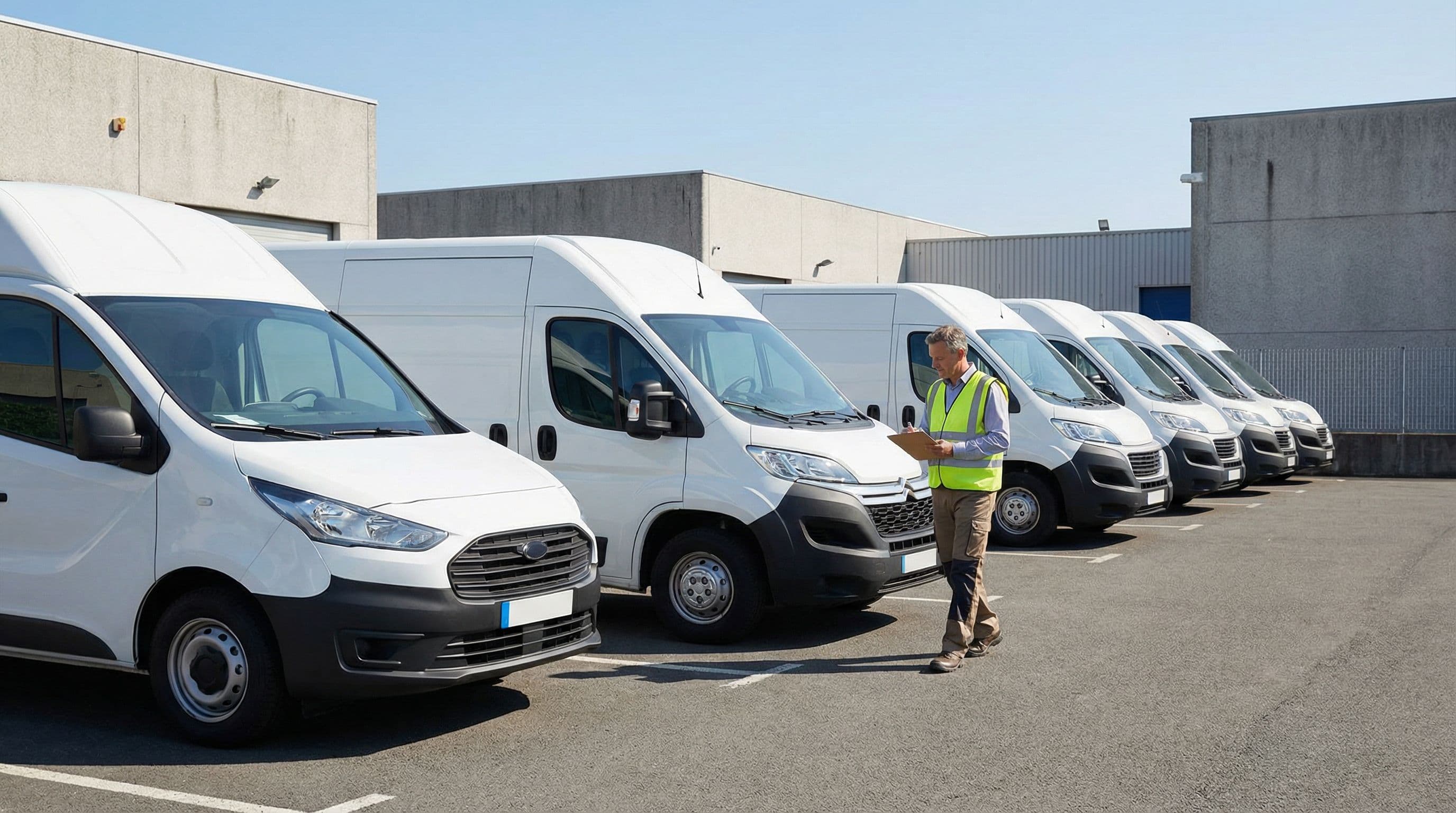
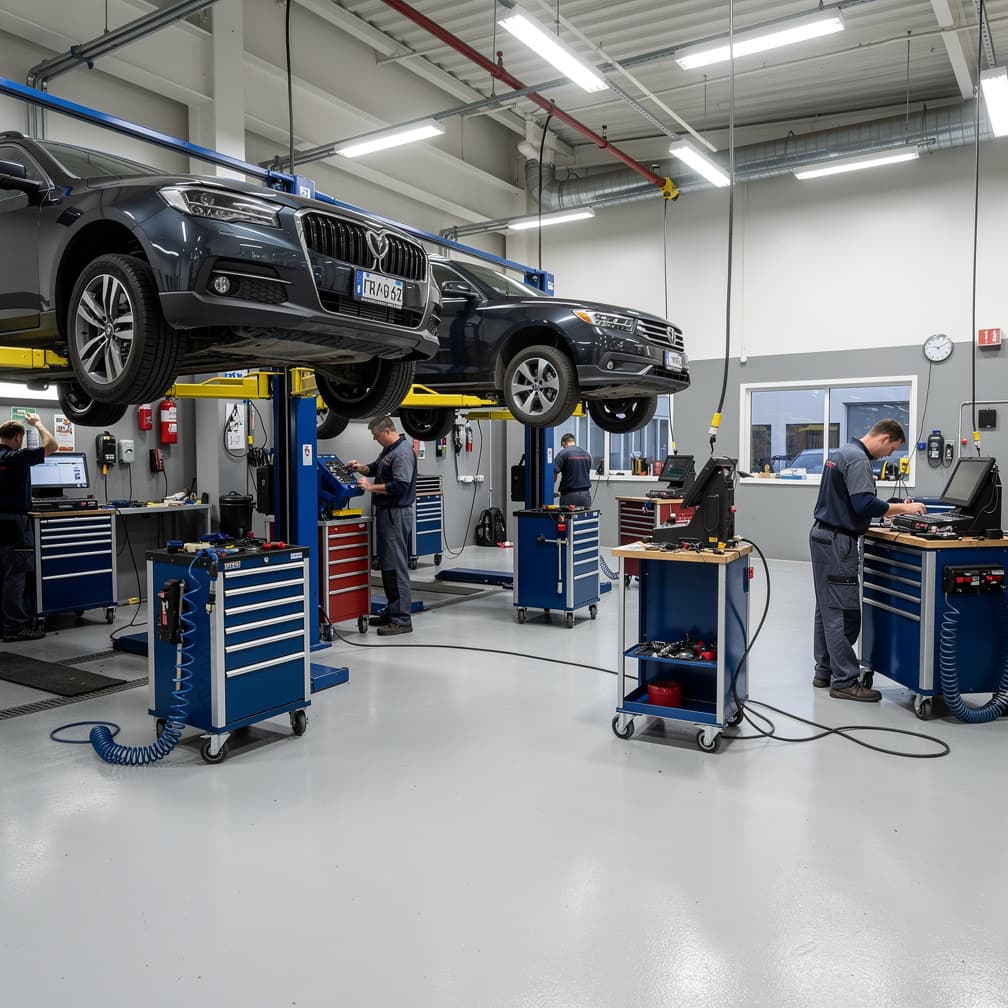
If you run a shop in Iowa, your insurance review should start with a simple question. Can you show an underwriter exactly how customer vehicles move through your lot? Your policy should line up with your lot layout, key control, after-hours drop procedures, indoor versus outdoor storage, and who is allowed to road test or reposition vehicles. This is especially true if you keep customer cars outside overnight or stage vehicles in open areas while parts are on order. If your operation mixes repair work, detailing, towing, storage, or dealer service, you want the quote built around those handoffs instead of assuming one routine fits every vehicle on site. Before you renew, note where cars sit before and after work and flag any seasonal storage patterns. That gives you a cleaner application and a policy review that matches your real exposure.
What Garage Keepers Insurance Covers
In Iowa, the useful coverage conversation starts with where customer vehicles spend time on your premises and what can happen between intake and pickup. A shop that parks vehicles outside while waiting on approvals faces a different exposure than a service department that keeps most units indoors, and your policy review should separate those situations clearly. If you operate from a gravel lot, a fenced yard, a downtown parking area, or a mixed indoor and outdoor setup, ask for each storage pattern to be reflected in the quote request.
You should also look closely at the moments when responsibility shifts inside your business. That includes after-hours drop-off, key box use, employee parking procedures, road tests, tow-in arrivals, sublet handoffs, and completed vehicles waiting for pickup. In practice, many Iowa losses turn on ordinary operational details like who last moved the vehicle, whether it was left in a designated area, whether windows were up, whether keys were secured, and whether the unit was being stored or actively worked on. Those details affect how a claim is documented and how easily your business can show what happened.
You should read the policy form and endorsements with an eye toward claim reporting, exclusions, deductibles, and any conditions tied to unattended vehicles or outdoor storage. That is especially important if your business keeps customer vehicles overnight, accepts higher value pickups or SUVs, or stores units before parts arrive. Before you bind, ask for a detailed walkthrough of covered causes of loss, the basis of coverage offered, and any gaps between your service workflow and the policy language.

Collision Coverage
Covers damage to customers' vehicles from collisions while in your care.

Comprehensive Coverage
Covers theft, vandalism, fire, and weather damage to customers' vehicles.

Specified Perils
Covers only specifically named perils at a lower premium.

Legal Liability
Covers damage you or your employees directly cause to a customer's vehicle.

Direct Primary
Pays regardless of fault, the broadest garage keepers coverage available.
Garage Keepers Insurance Requirements in Iowa
- Iowa weather can change the exposure on an outdoor lot quickly, so overnight storage procedures deserve the same attention as repair operations inside the shop.
- If your business handles tow-ins, after-hours drop-offs, and completed vehicle pickup in the same area, document each handoff so claim facts are easier to establish.
- Mixed-use operations, such as repair plus storage or towing plus impound, should ask for the policy review to follow each custody change separately.
- A rural location with overflow parking or gravel storage areas should show exactly where customer vehicles are kept during peak periods, not just on a normal day.
How Much Does Garage Keepers Insurance Cost in Iowa?
For an Iowa operation, garage keepers pricing usually turns on concentration of risk, not a one-size-fits-all benchmark. In plain terms, that means an underwriter wants to know how many customer vehicles sit in one place at the same time. If a fire, hailstorm, or theft hits that location, the payout depends on how many units you are responsible for in that moment. The underwriter wants to know how many customer vehicles you control at one time, how tightly they are parked, whether they sit inside or outside, how often employees move them, and whether your business takes in vehicles that stay for days instead of hours. A small repair shop with a controlled indoor workflow presents a different profile than a yard with frequent tow-ins, open storage, and multiple drivers moving vehicles throughout the day.
If your lot has limited lighting, no documented key control, or no clear separation between completed vehicles and vehicles awaiting work, the quote can reflect that uncertainty. The same is true if you road test often, leave vehicles queued along a public-facing edge of the property, or rely on temporary staff to shuttle units. Deductible choice, claims history, selected limits, and the coverage basis you request also shape the premium, so it helps to decide in advance how much loss your business can absorb before insurance responds.
Iowa weather patterns can also influence how an underwriter views your operation, especially if customer vehicles are stored outdoors for long stretches or moved during changing conditions. The cleaner your procedures are, the easier it is to show why your risk should be evaluated on your actual controls rather than on broad assumptions. Bring photos of your lot, storage areas, fencing, lighting, and key storage to the quote process so the underwriter can see your setup firsthand.
Request a Quote Comparison
Enter your ZIP code to compare garage keepers insurance rates from top carriers.
Business insurance starting at $25/mo
Who Needs Garage Keepers Insurance?
In Iowa, the businesses that most often need a careful garage keepers review are the ones that regularly accept possession of customer vehicles and then hold them through several operational stages. That can include independent repair shops, body shops, dealer service lanes, diesel repair operations, tire and brake shops, detailers, towing companies, impound yards, and businesses that store vehicles while waiting on parts or customer approval. The common thread is not the sign on the building. It is whether your staff decides where the vehicle sits, who moves it, and when it is released.
Some Iowa businesses need this review even if vehicle storage is not their main revenue source. A farm equipment service location that also handles road vehicles, a fleet maintenance contractor, or a mixed-use shop with seasonal overflow parking can create the same care, custody, or control issue as a traditional garage. If customers leave keys, sign a drop form, or expect you to safeguard the vehicle until pickup, you should treat that as a signal to review garage keepers exposure.
You should also think about volume swings. A shop that looks modest most of the year may take on a much larger concentration of vehicles during storm-related repair periods, harvest-related scheduling pressure, or winter breakdown surges. If your lot fills up during those periods, your insurance review should account for peak conditions, not just an average week. Build your vehicle count around the busiest days, identify any overflow parking areas, and note whether completed vehicles remain on site overnight. That gives you a more accurate basis for deciding limits and storage procedures before a loss tests them.
Garage Keepers Insurance by City in Iowa
Garage Keepers Insurance rates and coverage options can vary across Iowa. Select your city below for localized information:
How to Buy Garage Keepers Insurance
To buy this coverage well in Iowa, start with a written map of your vehicle flow from first contact to final pickup. Note where after-hours drop-offs go, where tow-ins are staged, where vehicles awaiting parts sit, where completed vehicles are parked, and who has authority to move each unit. That map gives the quoting process the operational detail an underwriter needs, and it helps you spot weak points before they become claim disputes.
Assemble the documents that explain your controls. Useful items include your intake form, key tagging procedure, employee driver rules, road test policy, lot diagram, photos of indoor and outdoor storage, and any customer pickup protocol. If you use cameras, fenced storage, lock boxes, or separate areas for high-value vehicles, make that visible in the submission. The goal is to make the application accurate enough that the policy can be matched to your real workflow.
Ask direct coverage questions. In Iowa, you want clarity on covered causes of loss, deductibles, limits, any restrictions tied to unattended vehicles, and how the policy treats vehicles stored outside or left overnight. You should also ask how claims are reported and what records will help support your position if a loss occurs.
Before you purchase, compare your peak day vehicle count against the limit you are considering. If your lot regularly holds more vehicles than the application suggests, correct it now. A quote only helps if it reflects the way your business actually operates. Request a quote through CPK Insurance to compare your options with participating licensed providers.
How to Save on Garage Keepers Insurance
In Iowa, the most dependable way to lower garage keepers pricing is to reduce ambiguity in how customer vehicles are handled. Underwriters respond well when your business can show exactly where vehicles are parked, who can move them, where keys are stored, and how after-hours drop-offs are documented. If those procedures live only in the owner's head, the account is harder to price favorably and harder to defend after a claim.
Start with lot discipline. Separate waiting-for-service, in-process, completed, and overnight storage areas so employees are not improvising where to leave vehicles. Use a consistent key control process, require check-in photos for vehicles with visible prior damage, and document who performs road tests. Those steps can reduce preventable losses and make your operation easier to underwrite.
You can also save by matching limits and deductibles to your actual risk tolerance instead of defaulting to whatever you carried last term. If your business can absorb a larger out-of-pocket loss, a higher deductible may improve premium, but only if that choice fits your cash flow. If you have added outdoor storage, expanded towing, or started keeping vehicles longer while parts are on order, update the policy rather than hoping the old setup still fits.
Finally, present the account cleanly at renewal. Provide current photos, a peak vehicle count, any security upgrades, and a short explanation of operational changes. A well-documented Iowa submission gives the underwriter fewer reasons to price for uncertainty, and that is often where meaningful savings begin.
Our Recommendation for Iowa
For Iowa buyers, the smartest move is to review garage keepers coverage around your busiest storage conditions, not your slowest week. If customer vehicles stack up outside while you wait on parts, approvals, or pickup, make sure the quote reflects that concentration. A policy that looks adequate on paper can feel thin if your lot fills beyond the count used in the application.
I also recommend tightening three operational points before you shop. First, document after-hours drop-offs with a consistent intake process, including where keys go and where the vehicle is parked. Second, separate employee authority to move vehicles so road tests, shuttling, and simple lot repositioning are not treated casually. Third, keep a current lot diagram and photo record of storage areas, because those details help during underwriting and after a loss.
If your Iowa operation mixes repair, towing, storage, detailing, or dealer service, ask for the policy review to follow those handoffs step by step. That is where coverage misunderstandings usually start. Bring your peak day vehicle count, your overnight storage routine, and your key control procedure to the quote conversation, then compare options based on how well each one fits your workflow.
FAQ
Frequently Asked Questions
Yes, if customers leave vehicles in your possession. That includes overnight holds, units parked outside, and cars left while parts are on order. The more time a customer vehicle sits on your property, the more you need a policy that matches your actual storage and handling routine.
The strongest submissions document peak vehicle counts, indoor versus outdoor storage, key control, and after-hours drop-offs. When the underwriter can see your actual workflow instead of guessing at it, the quote tends to fit better.
It can. Vehicles left outside overnight or for several days create a different loss profile than tightly controlled indoor storage. Show where those vehicles sit, how keys are secured, and who is allowed to move them.
Explain your tow-in procedures, release rules, storage layout, key control, and how long customer vehicles remain on site. Those details matter because the exposure changes as vehicles move from transport to yard storage to final release.
Iowa insurance regulation runs through the Iowa Insurance Division. That matters for buyers because policy language, complaint channels, and claim handling oversight all sit under that regulator. If a dispute arises over a claim or policy form, that is where you file a complaint or seek clarification. You should keep copies of forms, endorsements, and claim reporting instructions so you can act quickly if a disagreement comes up.
Iowa dealership service departments often need a garage keepers review because they park, move, road test, and hold customer vehicles before pickup. If service traffic spills into overflow areas or completed units stay overnight, your quote should reflect those custody patterns.
Iowa businesses are usually better positioned after a loss when they keep intake forms, lot diagrams, key logs, check-in photos, and notes showing who last moved the vehicle. Those records help establish what happened and whether your procedures were followed.
Garage keepers insurance may cover damage to customers' vehicles while they are in your care, custody, or control. That may include collision, theft, fire, vandalism, hail, and other covered causes of loss, depending on your policy terms and how your business handles vehicles.
Sources
- 1.Iowa Insurance Division(Iowa insurance regulation runs through the Iowa Insurance Division)
Updated July 16, 2026