Updated July 16, 2026

Key Takeaways
- Compare liquor liability quotes using the same limits and the same description of your alcohol operations, then read exclusions and defense wording before you choose a policy.
- Ask whether assault and battery is included, limited, or excluded, especially if you operate late hours, use security, host events, or manage crowded service areas.
- Document ID checks, server training, incident logs, and cut-off procedures so your application and your claim file both support how you actually operate.
- Review contracts from landlords, venues, and event partners early so you can match liquor liability limits and certificate requirements before binding coverage.
- Separate host liquor questions from true liquor liability needs if alcohol is only furnished occasionally and not part of your regular business revenue.
Liquor Liability Insurance in Iowa
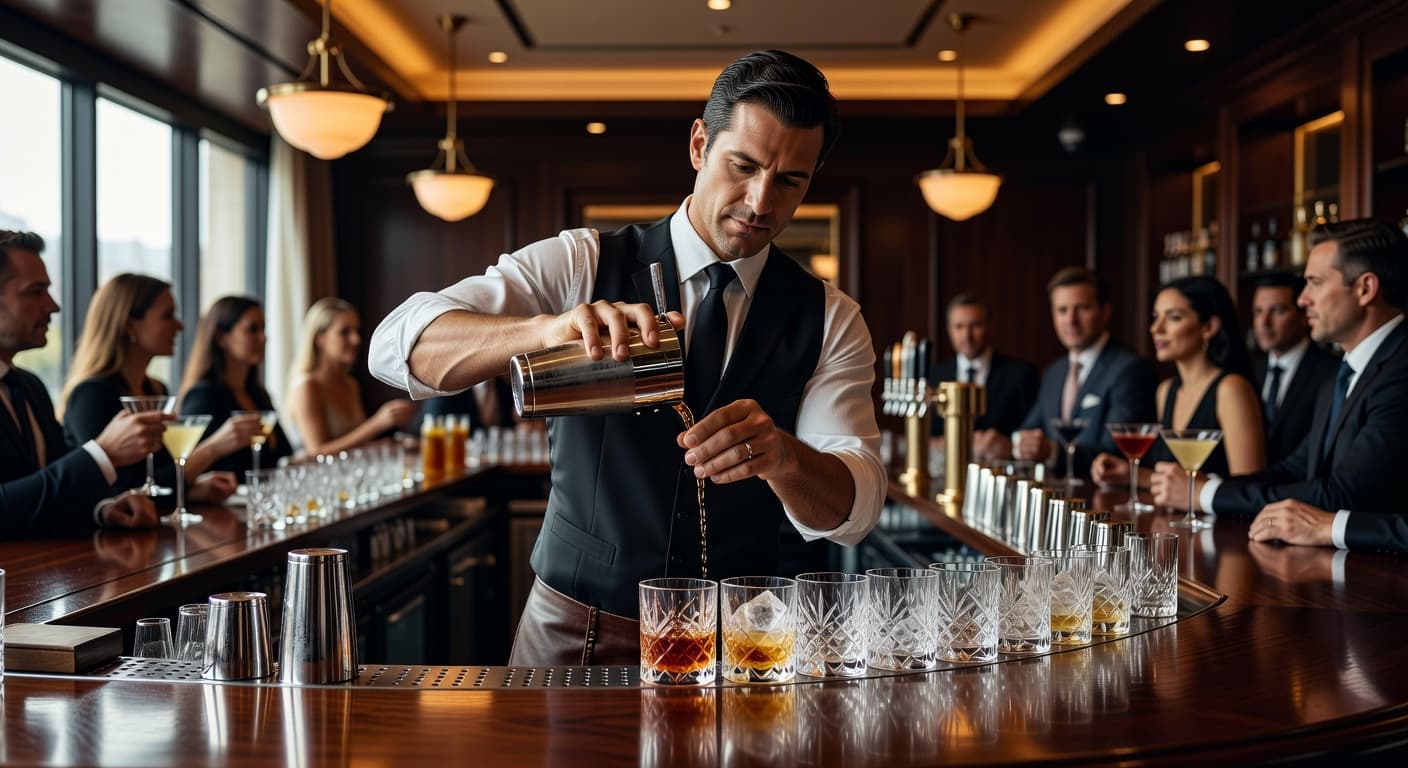
A bartender serves one more round near closing, a patron leaves, and your business is pulled into the claim after a crash, injury, or allegation that staff should have cut service earlier. That is the loss scenario this coverage is built around, and it is why your quote needs to match how alcohol is actually sold at your location. A neighborhood bar with late-night tabs, a restaurant where alcohol is secondary to food sales, a wedding venue that hosts outside caterers, and a brewery with taproom pours do not present the same serving pattern or the same documentation issues after an incident. In Iowa, the practical buying question is not whether alcohol creates liability. It is how your staff serves, checks identification, documents incidents, and hands off transportation concerns when a guest should not keep drinking. Before you buy, review who serves alcohol, whether managers intervene on difficult tables, how often you host special events, and what contracts require from landlords, lenders, or event partners. Then compare quotes built around those operating details, not a generic class code.
What Liquor Liability Insurance Covers
For an Iowa alcohol-serving business, the useful coverage conversation starts with where a claim is likely to come from in your operation. A tavern with heavy evening traffic faces a different pattern than a family restaurant that serves beer and wine with meals, and both differ from a banquet hall that hosts one-off events with temporary staff.
Look closely at how the form responds to allegations tied to overservice, service to an underage guest, failure to intervene, or injuries that happen after a patron leaves your premises. If your business runs tabs, offers drink specials, uses security staff, or serves at private events, ask how those facts affect underwriting and whether any exclusions narrow the protection you expect.
You should also review how this coverage fits with the rest of your insurance program. A restaurant may need its general liability, hired and non-owned auto, umbrella, and property policies reviewed together so there are fewer surprises after a serious incident. If you host live music, rent space for receptions, or allow third-party vendors to serve alcohol, ask for the policy language and certificate requirements to be checked against those contracts before the event calendar fills up.
Iowa buyers should keep the review practical. The questions that matter are who pours the drinks, who supervises the floor, who documents refusals, and who calls for transportation when a guest should not drive. Those operating details often decide whether the quote you buy is merely inexpensive or actually usable when a claim arrives.

Bodily Injury Liability
Can help cover injuries an intoxicated patron causes to others after your business served or sold them alcohol.

Property Damage Liability
May pay for property damage caused by an intoxicated customer your establishment served, such as a car crash after leaving.

Assault & Battery
Can help cover claims arising from fights or physical altercations involving intoxicated patrons at your bar or restaurant.

Defense Costs
May pay for attorneys, court fees, and related legal expenses when your business is sued over an alcohol-related incident.

Host Liquor Liability
Can help cover alcohol-related claims from events where you host or serve drinks without selling them, like company parties.
Liquor Liability Insurance Requirements in Iowa
- Iowa's dram shop law allows injured parties to sue alcohol servers for damages caused by an intoxicated guest, which means your policy needs to address both on-premises and off-premises service decisions.
- Restaurants that treat alcohol as secondary to food still need the policy matched to actual serving hours, bar seating, and private dining events where service patterns change.
- Breweries, wineries, and taprooms should have tastings, special releases, and festival participation reviewed so off-site and event-related exposure is not overlooked.
- Any Iowa business that relies on managers to cut off service should keep written refusal and incident procedures, because underwriting often turns on whether controls are formal or informal.
How Much Does Liquor Liability Insurance Cost in Iowa?
Average Cost in Iowa
$45 - $180
per month
Businesses in Iowa typically see liquor liability insurance premiums of $45 - $180 per month, which tends to run 22% below the national range of $50 - $240 per month.
- Share of sales that comes from alcohol
- Type of venue and how late you serve
- Server training and service procedures
- State dram shop law
- Liquor liability limits selected
- Prior over-service or assault claims
Contact CPK Insurance for a personalized quote.
In Iowa, liquor liability pricing usually moves with your service model more than with a simple business label. An underwriter will want to know whether alcohol is your main revenue source or an add-on to food or event income, how late you serve, whether you have dance floors or entertainment, and whether your staff handles high-volume weekend traffic. A bar with frequent late-night service can be rated very differently from a cafe that pours a limited number of drinks with dinner.
Other pricing drivers are operational and document-based. Expect questions about annual alcohol receipts, prior claims, training practices, age-verification procedures, security presence, and whether you use incident logs when service is refused. If you cater off premises, host private parties, or let outside promoters run events, that can change how the risk is viewed. Requested limits, deductibles, and any umbrella layering also affect the quote.
The Iowa-specific takeaway is to prepare a clean underwriting submission before you shop. Include your menu or alcohol program, hours of alcohol service, event schedule, lease insurance requirements, and any written serving procedures. That gives carriers fewer reasons to assume a worse exposure than you actually present.
If you are comparing options, use the same facts on every application. A quote is only useful if each carrier is pricing the same operation, the same limits, and the same event exposure. Ask for exclusions, assault and battery treatment, and certificate turnaround expectations to be reviewed alongside price so you are not buying a policy that creates problems the first time a venue or distributor asks for proof of coverage.
Prices shown are general estimates, not guaranteed rates or quotes. Your actual premium will depend on the insurer, coverage selected, business details, location, claims history, and other underwriting factors. Learn about our pricing methodology.
Request a Quote Comparison
Enter your ZIP code to compare liquor liability insurance rates from top carriers.
Business insurance starting at $25/mo
Who Needs Liquor Liability Insurance?
In Iowa, this coverage is worth reviewing for any business whose operations put alcohol service into the customer experience in a meaningful way. That includes bars, taverns, restaurants, breweries, wineries, banquet facilities, private clubs, music venues, golf facilities, bowling centers, and event spaces where alcohol sales or service are part of the transaction. What matters is whether your business profits from alcohol service or controls how it is served.
Some buyers miss the exposure because alcohol is not their main product. A wedding venue may think of itself as a property rental business, yet still be drawn into a claim if service practices, vendor oversight, or event supervision are questioned. A restaurant that sells mostly food can still face the same allegation pattern after a patron leaves impaired. A brewery taproom may have a strong brand and careful staff, but it still needs the policy review to match tastings, pours, events, and distribution-related obligations.
You should also think about who asks you for proof of coverage. Landlords, lenders, festival organizers, and private event clients often want certificates before they hand over keys, approve a contract, or let an event proceed. If you use third-party bartenders or caterers, review whether your contracts transfer risk clearly and whether their insurance requirements are specific enough to matter.
Iowa's insurance regulator is the Iowa Insurance Division, which licenses carriers, reviews policy forms, and handles consumer complaints. That means you have a place to turn if a carrier disputes a claim unfairly or if you spot questionable endorsement language, so keep your policy documents organized and review them carefully before binding. Map every way alcohol enters your operation, then compare quotes built around those exact activities rather than a broad business description.
Liquor Liability Insurance by City in Iowa
Liquor Liability Insurance rates and coverage options can vary across Iowa. Select your city below for localized information:
How to Buy Liquor Liability Insurance
Start your Iowa purchase process by building a submission that shows an underwriter how alcohol moves through your business from first pour to last call. List every location, your hours of alcohol service, whether minors are ever on premises, who checks identification, and whether managers have written authority to stop service. If you host private events, include sample contracts and explain whether alcohol is sold by you, included in packages, or served by outside vendors.
Next, gather the documents that usually slow binding if they are missing. That often includes prior loss information, current policy declarations, lease insurance requirements, event agreements, and any staff training or incident-reporting procedures you already use. If your business needs certificates for landlords, festivals, or one-off events, say that early so turnaround expectations can be discussed before you are up against an opening date.
Then compare quotes on substance, not just premium. Ask each carrier or agent to confirm the named insured, covered operations, event exposure, and any exclusions that could matter for your service model. A restaurant with occasional banquet rentals should not be quoted as if it never hosts private functions. A venue that relies on third-party bartenders should not assume those arrangements are automatically addressed without review.
Before you bind, read the application for accuracy line by line. Make sure alcohol receipts, closing times, entertainment, security practices, and off-premises service are stated correctly. Small errors can create bigger problems later if a claim file shows the operation was described too narrowly. Once the policy is issued, keep certificates, endorsements, and incident procedures in one place so managers can act quickly if a venue partner or claimant's attorney starts asking questions. Request your Iowa liquor liability quote today.
How to Save on Liquor Liability Insurance
The most reliable way to lower liquor liability costs in Iowa is to make your operation easier for an underwriter to understand and easier for your managers to control. Clean submissions often price better than vague ones because they reduce guesswork. If your alcohol program is limited, your hours are moderate, and your staff follows written identification and refusal procedures, make sure that is documented instead of assumed.
You can also save by tightening the parts of the operation that create avoidable underwriting concern. Review drink promotions, event formats, security plans, and closing procedures. If a carrier sees unmanaged late-night exposure, inconsistent incident logs, or unclear responsibility between your staff and outside bartenders, pricing can move the wrong way. Written contracts with vendors, clear certificate requirements, and manager sign-off on special events can help present a more disciplined risk.
Shop early, before renewal pressure forces a rushed decision. Last-minute applications leave less time to correct classifications, explain prior claims, or negotiate terms around event exposure. Early shopping also gives you time to align this coverage with your general liability and any umbrella request, which can matter if one policy's assumptions do not match another's.
Finally, ask what operational changes would improve the next renewal, not just this one. Better incident documentation, stronger age-verification routines, and cleaner event controls may help over time if they are consistently followed. Savings should come from presenting a better-managed risk and buying limits that fit your contracts and exposure, not from stripping out terms you may need after a serious alcohol-related claim.
Our Recommendation for Iowa
For Iowa buyers, the strongest approach is to underwrite your business the way a claimant's attorney would investigate it later. Review who served the guest, who supervised the floor, whether identification was checked, whether service was refused, and whether anyone documented the interaction. If your current process leaves those answers to memory, tighten it before renewal.
Pay special attention to mixed-use operations. Restaurants with banquet rooms, breweries with taprooms, and venues that alternate between public service and private events often get quoted too broadly or too narrowly. Ask for the application and the issued policy to be checked against your actual calendar, not just your main business description.
If outside bartenders, caterers, or promoters are involved, do not rely on assumptions. Require certificates in advance, review indemnity language, and confirm who is responsible for service decisions during the event. That is often where Iowa businesses discover a gap, after a contract is signed and the date is close.
Keep a renewal file with leases, event agreements, prior claims details, and current serving procedures. That makes it easier to compare quotes accurately and harder for an underwriter to price your account on incomplete information.
FAQ
Frequently Asked Questions
List the legal entity that sells or serves alcohol, and then review whether landlords, event hosts, or related entities need to be added where contracts require it. The Iowa Insurance Division licenses carriers and handles consumer complaints, so if a dispute arises over claim handling or policy language, you have a state regulator to contact.
Wedding venues often should not rely on that alone. If your contract, staff involvement, or event supervision ties your business to alcohol service decisions, you may still need your own policy review and clear certificate requirements before the reception starts.
Brewery taprooms usually present a different underwriting picture because tastings, pours, releases, and event traffic can differ from a standard restaurant service model. Your quote should reflect how alcohol is served, supervised, and documented at the taproom.
Applicants should gather event contracts, alcohol service hours, estimated alcohol receipts, prior loss details, vendor certificate requirements, and written serving procedures. A more complete submission gives underwriters fewer reasons to assume broader event exposure than you actually have.
Restaurants can improve accuracy by separating food operations from alcohol operations, listing banquet or patio service, confirming closing times, and disclosing any entertainment or special events. That helps the quote match the real service pattern instead of a generic restaurant class.
Businesses often should review them together, especially if a serious alcohol-related claim could exceed the primary policy's limit. Matching assumptions across liquor liability, general liability, and umbrella requests can reduce surprises after a large loss.
Buyers should review leases, lender requirements, festival agreements, vendor contracts, and private event documents before binding. Those papers often dictate certificate wording, additional insured requests, and limit expectations that should be addressed before the policy is issued.
U.S. businesses that sell, serve, or distribute alcohol should review liquor liability insurance. That usually includes bars, restaurants, breweries, wineries, liquor stores, caterers, hotels, and event venues, especially when alcohol service is part of normal operations rather than an occasional event.
Sources
- 1.Iowa Insurance Division(Iowa's insurance regulator is the Iowa Insurance Division.)
Updated July 16, 2026